

 Ver en contexto
 Enviar
 Compartir
 Detalles

 Descargar
 Similares
 Radiografía
 Presentación de diapositivas
 Stats
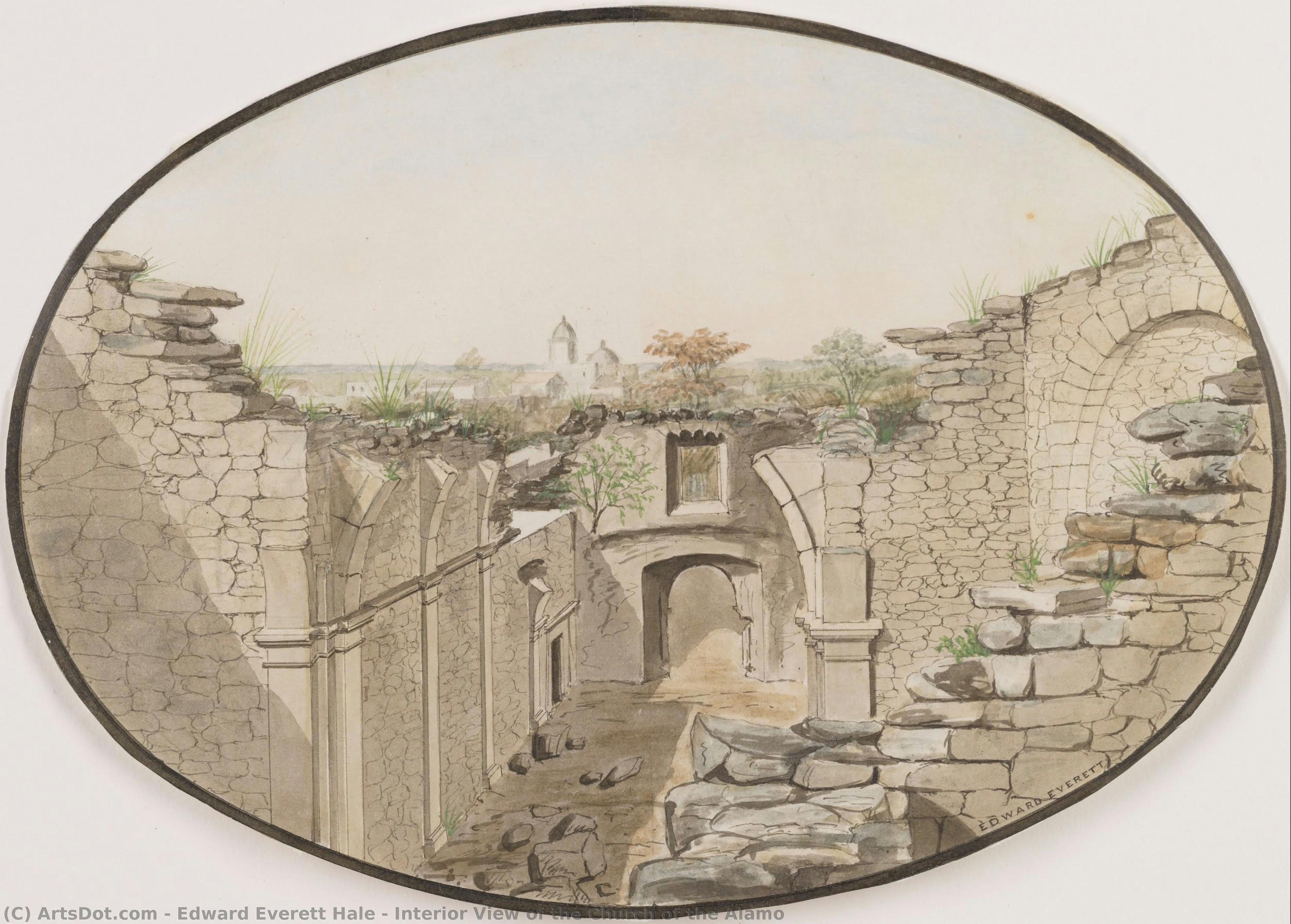
StatsInterior View of the Church of the Alamo
 Painting
- American Romanticism
 1847
1847- 19th Century
 19.0 x 13.0 cm
 Amon Carter Museo de Arte Estadounidense
 Ver más
Adquiera una imagen digital de alta resolución y optimizada, muy superior a la vista previa en línea.
Cada archivo es preparado meticulosamente por nuestros especialistas internos mediante el uso de herramientas avanzadas y un experto retoque manual. Nos aseguramos de que cada imagen posea una claridad excepcional, una precisión cromática impecable y un detalle minucioso.
El archivo final se entrega por correo electrónico en un plazo de 72 horas, optimizado para su uso inmediato en entornos profesionales, editoriales y de impresión. Esta es la misma calidad en la que confían los estudios de diseño, las editoriales y las galerías de primer nivel.
Imagen Digital
Descarga un archivo de alta resolución para exhibición personal, impresión y proyectos creativos. ( Switch to Print Comprar pintura hecha a mano)
Incluido en cada pedido de imágenes digitales
Entrega digital experta, garantizada.
Al elegir ArtsDot.com, no solo está adquiriendo una imagen; está recibiendo una obra de arte digital mejorada profesionalmente, elaborada con precisión y respaldada por una garantía de satisfacción. Esto es todo lo que incluye su pedido, automáticamente:

Entrega rápida por email
Recibirá su archivo de imagen digital en alta resolución por correo electrónico en un plazo de 72 horas tras realizar su pedido, listo para su uso inmediato.

Archivo digital optimizado por IA
Su obra de arte se optimiza profesionalmente mediante herramientas avanzadas de IA y edición manual, garantizando el máximo detalle, claridad y precisión cromática.

Reenvío gratuito de por vida
¿Has borrado o perdido tu archivo por error? No te preocupes: te lo volveremos a enviar en cualquier momento, sin coste adicional.

Sin gastos de importación, siempre
Disfrute de su obra de arte al instante sin aduanas, aranceles ni gastos de envío; las descargas digitales siempre están libres de impuestos.

Garantía de fidelidad de color
Garantizamos que su imagen digital refleje los colores originales con la mayor fidelidad posible, mediante el uso de herramientas profesionales y gestión del color.

Garantía de satisfacción de 100 días
Si no está satisfecho con su imagen digital, la revisaremos o le reembolsaremos el 100% en un plazo de 100 días, sin preguntas.

100% Garantía de devolución de dinero
¿No está satisfecho? Obtenga un reembolso completo dentro de los 100 días posteriores a la recepción de su archivo digital, sin preguntas.

Descuentos por pedidos grandes
Compra 3 imágenes, ahorra 10% - Compra 5, ahorra 15% - Compra 10+, ahorra 20%. Ideal para proyectos creativos, galerías y agencias.
A Glimpse into Sacred History: The Alamo Interior
Edward Everett Hale’s "Interior View of the Church of the Alamo" transports the viewer across the veil of time, inviting us into a space steeped in profound American history and quiet devotion. This painting is more than a mere depiction of stone and wood; it is a carefully composed tableau vivant, capturing the very atmosphere of resilience that clung to this hallowed ground. The scene unfolds within an old church structure, its thick stone walls whispering tales of bygone eras. Sunlight streams through a large window, not just illuminating dust motes in the air, but seeming to spotlight moments of enduring human spirit.
Composition and Atmosphere
The artist has masterfully arranged the figures and architectural elements to draw the eye deep into the composition. Several people are scattered throughout the room, some gathered near a prominent doorway as if pausing mid-conversation or moment of reflection. The inclusion of details, such as the visible clock on one wall, anchors the scene in a specific, tangible reality, lending an air of documentary truth to the artwork. Hale’s technique imbues the space with a palpable sense of quietude, broken only by the implied murmurs of the assembled community. It is a study in controlled narrative, where every shadow and beam of light contributes to the overall solemnity.
Historical Resonance and Symbolism
To understand this painting is to understand its context: the pivotal moments surrounding the Alamo. The structure itself becomes a potent symbol—a bastion of faith and defense against overwhelming odds. The gathering of people, whether they are soldiers, settlers, or local inhabitants, speaks to themes of community, sacrifice, and unwavering belief. The interplay between the solid, enduring stone architecture and the ephemeral presence of the figures suggests that while individuals pass through history, the ideals represented within these walls remain steadfast.
A Touch for the Modern Collector
For those who appreciate art that carries the weight of narrative and historical depth, this piece offers a unique focal point. Whether adorning a study, a library, or a space dedicated to contemplation, a reproduction of this work brings an immediate sense of gravitas and cultured storytelling. The detailed rendering allows it to function beautifully as both fine art and evocative interior decor, suggesting a connection to foundational American narratives while maintaining an aesthetic appeal that transcends its specific historical moment.
Obras relacionadas
Biografía del artista
Early Life and Education
Edward Everett Hale, a multifaceted American orator, diplomat & educator, was born on April 11, 1794, in Dorchester, Massachusetts. His life’s trajectory is a testament to his versatility, marked by roles as a politician, unitarian pastor, educator, diplomat, and orator. Everett's educational background laid the foundation for his future endeavors, with studies at Harvard College, where he later taught. He was born into a prominent New England family—the Hale lineage stretching back centuries—and demonstrated exceptional literary skills from a young age. Graduating from Boston Latin School at just thirteen years old, he immediately enrolled at Harvard College without delay, immersing himself in the intellectual fervor of his time. There, he excelled academically, securing two Bowdoin Prizes and earning the honor of Class Poet, cementing his reputation as a prodigious talent destined for scholarly pursuits.Career Highlights
Everett’s professional life unfolded across several influential spheres. He began his political career as a Whig, serving as U.S. Representative and Senator, shaping legislation on crucial issues facing the nation. Notably, he served as the fifteenth Governor of Massachusetts, overseeing significant reforms aimed at bolstering education and promoting social justice. His diplomatic service extended to Great Britain and the United States Department of State, where he skillfully navigated international relations during a period of considerable upheaval. However, Everett’s enduring legacy rests upon his unparalleled oratorical abilities—he captivated audiences with impassioned speeches that resonated deeply within the American public consciousness. Perhaps most famously, he delivered a two-hour address at Gettysburg National Cemetery in 1863, preceding Abraham Lincoln's iconic two-minute Gettysburg Address, solidifying his place as one of the greatest American orators of the antebellum and Civil War eras.Artistic Legacy and ArtsDot
While primarily recognized for his political achievements and captivating speeches, Everett Hale’s influence on American cultural development transcends mere politics. Although he himself wasn't a painter, his profound understanding of aesthetics and human experience permeated his writings—particularly “The Man Without a Country,” published in *Atlantic Monthly*. This poignant novella explored themes of civic duty and moral responsibility with remarkable sensitivity, reflecting the anxieties and aspirations of a nation grappling with division during the Civil War. For those interested in delving deeper into this intersection of intellect and artistic expression, ArtsDot’s virtual museum offers a valuable perspective—showcasing artworks from luminaries like Leonardo da Vinci, Rembrandt van Rijn, and Vincent van Gogh alongside Hale's literary contributions.Key Art Pieces and Their Significance
The influence of European Romanticism on American art during Hale’s lifetime is palpable. Consider “Interior View of the Church of the Alamo,” a monumental canvas by Emanuel Leutze depicting the Battle of the Alamo—a symbol of Texan independence and a cornerstone of American mythology. This artwork embodies the grandeur and dramatic storytelling characteristic of Romantic painting, mirroring Hale's own fascination with historical narratives and moral dilemmas. Furthermore, explore “Ruins of the Church of the Alamo,” another evocative depiction by Leutze that captures the solemn beauty of decay—a visual meditation on memory and the passage of time. These pieces serve as tangible reminders of the artistic currents shaping Hale’s era and illuminating his intellectual sensibilities.Conclusion
Edward Everett Hale's life embodies a remarkable confluence of intellect, activism, and artistic appreciation. Though he didn’t wield a brush himself, his profound engagement with literature—particularly “The Man Without a Country”—established him as a voice for moral conscience and civic responsibility within the American landscape. To appreciate Hale’s enduring impact on American culture, visit ArtsDot's virtual museum—a curated collection of masterpieces that speaks to the spirit of an era defined by both artistic innovation and intellectual fervor. Explore edward everett hale’s page on ArtsDot for more insights into his life and work, and discover wahoo art timeline to trace the evolution of American artistic expression throughout history.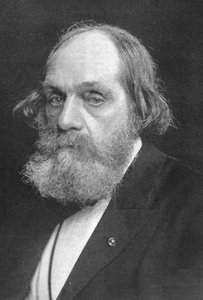
Edward Everett Hale
1794 - 1865 , Estados Unidos
Breves datos
- Artistic Movement Or Style: Romanticismo
- Artists Who Influenced This Artist:
- William Wordsworth
- Samuel Palmer
- Date Of Birth: Abril 11, 1794
- Date Of Death: Enero 15, 1865
- Full Name: Edward Everett Hale
- Nationality: Americano
- Notable Artworks:
- Interior View of the Church of the Alamo
- Ruins of the Church of the Alamo
- Place Of Birth: Boston, Estados Unidos