 Vista previa
 Compartir
 Compartir
 Ver detalles

 Descargar
 Ver similares
 Radiografía
 Presentación de diapositivas
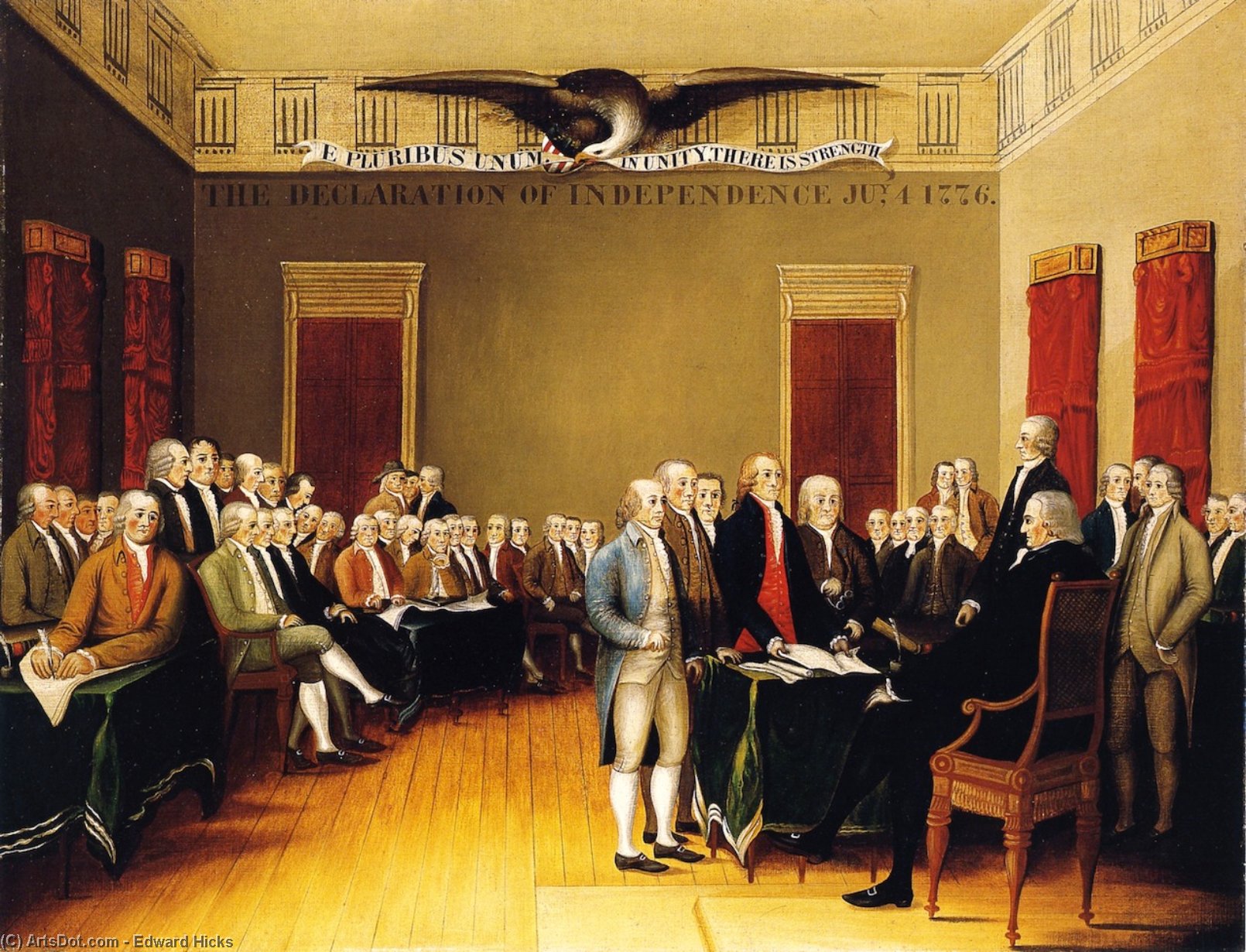
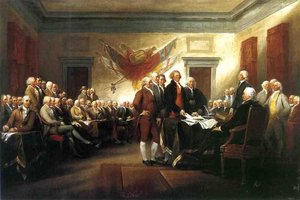
The Declaration of Independence, July 4, 1776


 Leer más
Giclée / Impresión de arte
Impresiones giclée o en lienzo de calidad de museo con producción rápida y opciones de acabado flexibles. ( Encargar reproducción pintada a mano Comprar descarga)




P118B $10

P118H $10

P118W $10

P438Z $10

P508JH $12

P508YH $12

P805H $10

P805Z $10

P919BZ $10

P919G $10

P919XJ $10

P959ZH $10

P968JZ $12

W106C $8

W218G $10

W218JH $8

W218Y $10

W307PJ $10

W316G $10

W316PJ $8

W316Y $10

W398PJ $8

W4111J $10

W500HY $15

W500JH $15

W692G $12

W849H $8

W940BG $15

W953PJ $8




Elija entre nuestros tamaños predefinidos que respetan las proporciones originales de la obra.

Puede introducir sus propias dimensiones para adaptarse a un marco o espacio específico. Si el tamaño seleccionado no coincide con las proporciones de la imagen original, recortaremos la obra de arte o extenderemos la imagen con un borde con efecto espejo o de color sólido. Se enviará una maqueta digital para su aprobación antes de que comience la producción.
Tenga en cuenta que la vista previa en pantalla no refleja el recorte o la extensión real. Solo la maqueta mostrará con precisión la composición final.
Aunque existen tamaños personalizados, recomendamos seleccionar una dimensión de la lista predefinida para preservar las proporciones originales.
Envío a todo el mundo () en 2 semanas en lugar de las 4/5 semanas estándar. (21 agosto)

Envío exprés gratuito a todo el mundo

Lienzo de lino de alta calidad

Seguro de envío completo

Garantía de reembolso de aranceles aduaneros

Garantía de fidelidad cromática exacta

Política de devolución de 60 días (solo por defectos)

Garantía de devolución del 100% del dinero

Oferta por volumen
 La opción de vidrio solo está disponible en tamaños inferiores a 110 cm.

The Declaration of Independence, July 4, 1776
Giclée / Impresión de arte
Tamaño de la reproducción
-


Precio total
$ 62
Descripción de la pieza
A Moment Frozen in Time: The Birth of a Nation
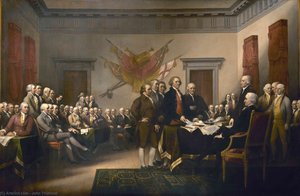
In the quiet, deliberate strokes of Edward Hicks’ 1840 masterpiece, The Declaration of Independence, July 4, 1776, we are invited to witness more than just a historical reenactment; we are invited into the very soul of American identity. This oil on canvas work serves as a profound window into a pivotal moment when the course of history was irrevocably altered. Hicks, a master of the American folk art tradition, does not merely depict a room filled with men; he captures an atmosphere thick with the weight of destiny. As we gaze upon the gathering of at least thirteen prominent figures, some poised in seated contemplation and others standing in resolute focus, we feel the palpable tension and gravity of the decision being etched into parchment. The scene is set within a room that feels both intimate and monumental, where every shadow and light play suggests the profound importance of the document resting upon the central dining table.
The composition is masterfully balanced to draw the viewer’s eye toward the heart of the revolution. Hicks utilizes subtle architectural and furniture elements to ground the historical drama in a tangible reality. The presence of two distinct chairs, positioned near the left and right peripheries, creates a visual frame that directs our attention inward toward the central table and the book placed upon it—a symbol of law, knowledge, and the enduring strength of written truth. This arrangement does more than provide depth; it creates a sense of structured order amidst the monumental upheaval of political change, mirroring the way the founders sought to establish a new, organized order from the chaos of colonial rule.
The Soul of Folk Art: Technique and Vision
To understand this painting is to understand the unique hand of Edward Hicks. As a Quaker minister, Hicks’ artistic language was deeply rooted in the principles of simplicity, clarity, and an unwavering focus on the "inner light." This spiritual foundation manifests in his technique through a remarkable attention to detail and a mastery of color that avoids unnecessary flourish in favor of narrative truth. His style, often categorized as folk art, possesses a rhythmic, honest quality that resonates with a raw, emotional sincerity. In this work, the application of oil on canvas allows for a rich texture that brings the heavy fabrics of the era's attire and the wooden surfaces of the room to life, making the historical event feel immediate and accessible rather than distant and academic.
For the discerning collector or interior designer, this reproduction offers much more than a decorative element; it provides a conversational centerpiece that anchors a room with historical gravity. The painting’s ability to blend historical documentation with artistic expression makes it an ideal choice for spaces dedicated to reflection, study, or the celebration of heritage. Whether placed in a grand library or a sophisticated contemporary living space, the work radiates a sense of permanence and dignity. It is a piece that does not merely occupy space but commands it, inviting onlookers to contemplate the themes of liberty, sacrifice, and the enduring power of a shared vision.
Obras relacionadas
![Signboard De Tabaco Indígena [invertido, Indígena Mirando Hacia La Derecha] — Winslow Homer, American Folk Realism](/media/artworks/images-thumb/74/22/7422432cafc295265ef3b7f7fa62d35d.jpg)
Biografía del artista
Vida Temprana y Antecedentes
- Nacido: 4 de abril de 1780, en Attleboro (ahora Langhorne), Condado de Bucks, Pensilvania
- Fallecido: 23 de agosto de 1849
- Sus padres eran anglicanos, pero fue criado por Matron Elizabeth Twining, una cuáquera. Esto lo introdujo a las creencias cuáqueras a una edad temprana.
- Aprendiz de los fabricantes de carruajes William y Henry Tomlinson desde la edad de trece años, aprendiendo técnicas de pintura de carruajes.
- Dejó la firma en 1800 para trabajar de forma independiente como pintor de casas y carruajes.
Ministerio Cuáquero y Desarrollo Artístico
- Aceptado en la Sociedad de Amigos en 1803 y comenzó a asistir regularmente a reuniones cuáqueras.
- Se casó con Sarah Worstall, también cuáquera, y se convirtió en predicador itinerante por Filadelfia.
- Para mantener a su familia, amplió su pintura para incluir objetos domésticos, equipos agrícolas y letreros de taberna.
- Abandonó brevemente la pintura ornamental en 1815 debido a dificultades financieras, pero la retomó en 1816.
Estilo Artístico y Obras Clave
- Artista Autodidacta: Hicks fue en gran medida autodidacta, desarrollando un estilo único de arte popular.
- Influencia Cuáquera: Su obra reflejaba las creencias cuáqueras en la "luz interior", enfatizando la experiencia espiritual personal. Esto es evidente en sus composiciones simples y su enfoque en la naturaleza.
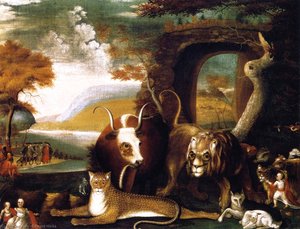
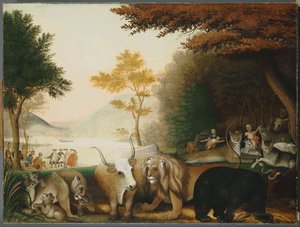
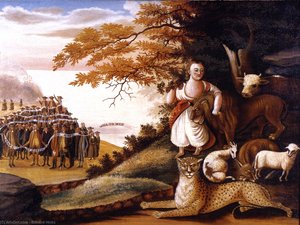
- La Serie del Reino Pacífic: Su serie más famosa, que comprende 62 versiones, representa una visión de armonía entre humanos y animales, representando paz y coexistencia.
- Pinturas Notables:
- Reino Pacífic (31) – Alojada en la Galería de Arte de la Universidad Yale
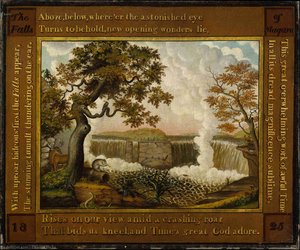
- Cataratas del Niágara – Alojada en el Centro de Arte Popular Abby Aldrich Rockefeller
- George Washington con su ejército cruzando el Delaware – También alojada en el Centro de Arte Popular Abby Aldrich Rockefeller
- Reino Pacífic (34) - Representa el Arca de Noé en una serena pintura al óleo.
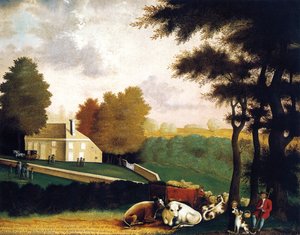
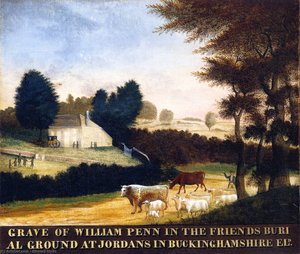
- Tumba de William Penn en Jordans, Inglaterra - Una representación de la campiña inglesa que muestra el patrimonio cuáquero.
Legado y Significado Histórico
- Icono del Arte Popular: Edward Hicks es reconocido como una figura significativa en el arte popular estadounidense, conocido por su estilo distintivo y temas recurrentes.
- Representación de los Valores Cuáqueros: Sus pinturas brindan información valiosa sobre las creencias y valores de la Sociedad de Amigos durante el siglo XIX.
- Visión Artística Única: Hicks mezcló la fe religiosa con la expresión artística, creando una obra que es a la vez visualmente atractiva y espiritualmente significativa.
- Apreciación Continua: Sus obras se exhiben en importantes museos y continúan siendo estudiadas y apreciadas por su significado histórico y artístico.
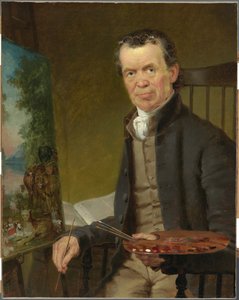
Edward Hicks
1780 - 1849 , Estados Unidos de América
Datos clave
- Fecha De Fallecimiento: 23 de agosto de 1849
- Fecha De Nacimiento: 4 de abril de 1780
- Lugar De Nacimiento: Attleboro, EE. UU.
- Movimiento Artístico: Arte popular
- Nacionalidad: Estadounidense
- Nombre Completo: Edward Hicks
- Obras Notables:
- Peaceable Kingdom (31)
- Falls of Niagara
- George Washington Crossing Delaware
- Peaceable Kingdom of the Branch
- Grave of William Penn
Artículos relacionados
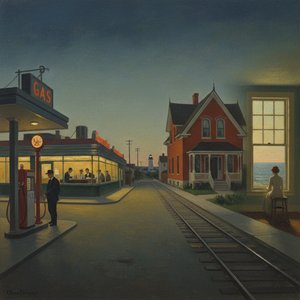
Edward Hopper: Las 25 Obras Maestras que Definen la Soledad Moderna | ArtsDot
Descubre las 25 obras maestras de Edward Hopper, el pintor de la soledad moderna. Explora su realismo americano, luz y sombra, e icónicas escenas urbanas. Reproducciones de arte en ArtsDot.com para decorar tu hogar con estilo.
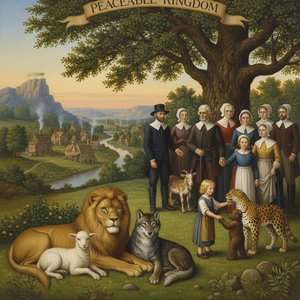
Edward Hicks’ ‘Peaceable Kingdom’: American Folk Art & the Shaping of a National Identity
Explore the profound symbolism & historical context of Edward Hicks’ ‘Peaceable Kingdom.’ Discover how this iconic American folk art masterpiece reflects Quaker values and shaped a nation's identity. Learn more at ArtsDot.
Realismo Estadounidense: 10 Obras Maestras que Cambiaron el Arte y la Decoración
Descubre 10 obras maestras del Realismo Estadounidense: Winslow Homer, Edward Hopper y más. Explora la historia, técnica y emoción de estos icónicos cuadros. Encuentra reproducciones de arte de museo en ArtsDot.com.
Grant Wood & American Regionalism: Identity, Myth & the Rural Landscape
Explore the world of Grant Wood & American Regionalism with ArtsDot. Discover the symbolism behind 'American Gothic', recurring themes, and the movement's lasting impact on art history. High-quality reproductions available.
Shadow Catcher: Edward S. Curtis & the Ethnographic Portraiture of a Vanishing West
Explore the life & work of Edward S. Curtis, the 'Shadow Catcher,' and his groundbreaking photographic documentation of Native American cultures. Discover iconic images from *The North American Indian* and a critical look at his lasting legacy.