

 Ver en contexto
 Enviar
 Compartir
 Detalles

 Descargar
 Similares
 Radiografía
 Presentación de diapositivas
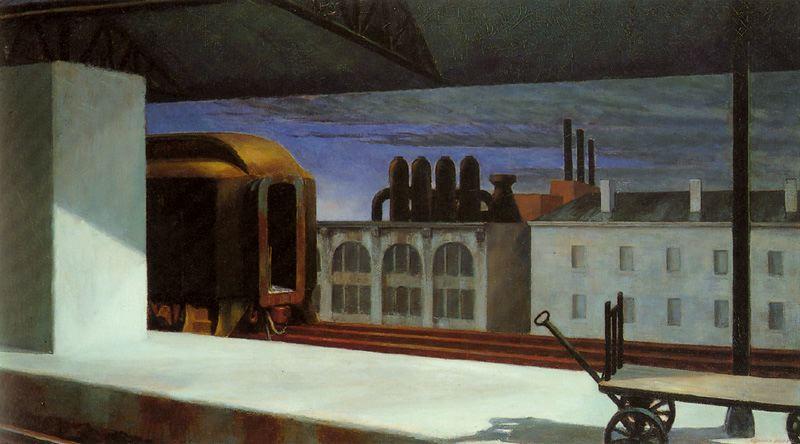
Dawn in Pennsylvania


 Ver más
Adquiera una imagen digital de alta resolución y optimizada, muy superior a la vista previa en línea.
Cada archivo es preparado meticulosamente por nuestros especialistas internos mediante el uso de herramientas avanzadas y un experto retoque manual. Nos aseguramos de que cada imagen posea una claridad excepcional, una precisión cromática impecable y un detalle minucioso.
El archivo final se entrega por correo electrónico en un plazo de 72 horas, optimizado para su uso inmediato en entornos profesionales, editoriales y de impresión. Esta es la misma calidad en la que confían los estudios de diseño, las editoriales y las galerías de primer nivel.
Imagen Digital
Descarga un archivo de alta resolución para exhibición personal, impresión y proyectos creativos. ( Comprar impresión Comprar pintura hecha a mano)
Incluido en cada pedido de imágenes digitales
Entrega digital experta, garantizada.
Al elegir ArtsDot.com, no solo está adquiriendo una imagen; está recibiendo una obra de arte digital mejorada profesionalmente, elaborada con precisión y respaldada por una garantía de satisfacción. Esto es todo lo que incluye su pedido, automáticamente:

Entrega rápida por email
Recibirá su archivo de imagen digital en alta resolución por correo electrónico en un plazo de 72 horas tras realizar su pedido, listo para su uso inmediato.

Archivo digital optimizado por IA
Su obra de arte se optimiza profesionalmente mediante herramientas avanzadas de IA y edición manual, garantizando el máximo detalle, claridad y precisión cromática.

Reenvío gratuito de por vida
¿Has borrado o perdido tu archivo por error? No te preocupes: te lo volveremos a enviar en cualquier momento, sin coste adicional.

Sin gastos de importación, siempre
Disfrute de su obra de arte al instante sin aduanas, aranceles ni gastos de envío; las descargas digitales siempre están libres de impuestos.

Garantía de fidelidad de color
Garantizamos que su imagen digital refleje los colores originales con la mayor fidelidad posible, mediante el uso de herramientas profesionales y gestión del color.

Garantía de satisfacción de 100 días
Si no está satisfecho con su imagen digital, la revisaremos o le reembolsaremos el 100% en un plazo de 100 días, sin preguntas.

100% Garantía de devolución de dinero
¿No está satisfecho? Obtenga un reembolso completo dentro de los 100 días posteriores a la recepción de su archivo digital, sin preguntas.

Descuentos por pedidos grandes
Compra 3 imágenes, ahorra 10% - Compra 5, ahorra 15% - Compra 10+, ahorra 20%. Ideal para proyectos creativos, galerías y agencias.
A Solitary Glimpse: Dawn in Pennsylvania by Edward Hopper
Edward Hopper’s *Dawn in Pennsylvania*, painted in 1942, isn't merely a depiction of a railroad station; it’s a distilled essence of American loneliness and the quiet drama inherent in everyday life. The painting immediately draws the viewer into its carefully constructed scene – a deserted platform bathed in the ambiguous light of early morning or late evening, a time when the world is poised between darkness and illumination. Hopper masterfully employs a limited palette of muted grays, blues, and browns, punctuated by the stark yellow glow emanating from the diner windows, creating an atmosphere thick with unspoken narratives and a profound sense of isolation. The composition itself is key: the horizontal format emphasizes the vastness of the platform and the surrounding industrial landscape, while the diagonal lines of the tracks draw the eye into the distance, suggesting both movement and an inescapable journey.The Poetics of Isolation – Hopper’s Signature Style
Hopper was a keen observer of modern American life, and *Dawn in Pennsylvania* exemplifies his signature style—a blend of realism and psychological depth. He wasn't interested in grand narratives or heroic figures; instead, he focused on the subtle gestures and unspoken emotions of ordinary people caught in moments of solitude. The two figures present – a man in a dark suit and hat, and a young woman with a sandwich – are deliberately ambiguous. Their postures suggest a detached observation rather than active engagement, mirroring the viewer’s own position as an outsider looking in. This deliberate lack of interaction is central to Hopper's exploration of loneliness—a pervasive theme throughout his oeuvre. The painting speaks volumes about the alienation felt within increasingly urbanized and industrialized societies, a feeling that resonated deeply with audiences during World War II and beyond.Light, Shadow, and Narrative Suggestion
Hopper’s use of light is particularly striking in *Dawn in Pennsylvania*. It's not a warm, inviting light; rather, it’s cool and diffused, casting long shadows that emphasize the emptiness of the platform and the surrounding buildings. The interplay between light and shadow creates a sense of mystery and uncertainty, prompting viewers to project their own interpretations onto the scene. The diner windows, with their bright interior illumination, offer a fleeting glimpse of warmth and human connection, but this promise is quickly undermined by the overall atmosphere of desolation. Hopper’s technique—characterized by precise detail and a meticulous rendering of architectural forms—creates an illusionistic depth that further enhances the painting's sense of realism and its ability to evoke a specific mood. The careful placement of objects – the luggage cart, the train car – contributes to this layered narrative, hinting at journeys begun and ended, lives lived in transit.A Timeless Reflection on Modern America
*Dawn in Pennsylvania* transcends its simple subject matter to become a powerful meditation on the human condition. Painted during a period of significant social and political upheaval, it captures a sense of unease and uncertainty that continues to resonate today. The painting’s enduring appeal lies in its ability to tap into universal emotions—loneliness, isolation, and the yearning for connection—while simultaneously offering a glimpse into the specific realities of 20th-century America. It's a testament to Hopper’s skill as an artist – his capacity to transform ordinary scenes into profound works of art that invite contemplation and provoke emotional responses. Reproductions of this iconic piece offer a chance to bring this evocative image into any space, serving as a subtle reminder of the complexities of modern life and the beauty found in quiet moments of solitude.Obras relacionadas
Biografía del artista
**vida temprana e influencias**
edward hopper, un destacado pintor y grabador realista estadounidense, nació el 22 de julio de 1882 en Upper Nyack, Nueva York. Su familia, de ascendencia mayoritariamente holandesa, proporcionó una crianza cómoda que le permitió perseguir sus inclinaciones artísticas desde temprana edad. - **inspiraciones:** La obra de Hopper fue influenciada por las escrituras de Ralph Waldo Emerson y los maestros impresionistas franceses Édouard Manet y Edgar Degas. - **formación inicial:** Comenzó estudios de arte con un curso por correspondencia en 1899, posteriormente transfiriéndose a la Escuela de Arte y Diseño de Nueva York.**estilo artístico y temas**
edward hopper's representaciones cuidadosas y con un diseño preciso reflejaban su visión personal de la vida moderna estadounidense. Su obra se puede caracterizar por: - **escenas urbanas y rurales:** Ambos entornos fueron retratados con una mezcla única de realismo y profundidad emocional. - **iluminación:** Un dominio de la luz, a menudo utilizada para evocar sentimientos de aislamiento o contemplación. - **figuras:** A menudo sin rostro o en segundo plano, enfatizando al entorno sobre las figuras.**obras notables y su significado**
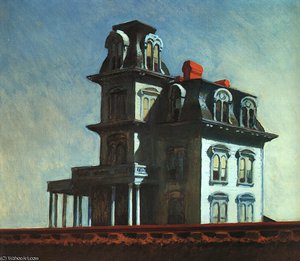
- House by the Railroad (Museo de Arte Moderno, Nueva York, Estados Unidos), un ejemplo de la capacidad de Hopper para evocar una sensación de melancolía a través de una composición simple pero poderosa. - Reclining Nude (50 x 35 cm, Nuevo Realismo, acuarela), que muestra su versatilidad para capturar la forma humana.**legado e influencia**
- **influencia en artistas futuros:** El estilo único de Hopper ha influido a numerosos artistas, incluyendo Pierre Sanford Ross, conocido por sus escenas urbanas y rurales. - **popularidad perdurable:** Sus obras continúan cautivando al público con sus temas atemporales de soledad y la condición humana.**explora más en ArtsDot**
- [https://ArtsDot.com/@/edward-hopper](obras de Edward Hopper) - /es/art/show/art-8xyffg-es/compra arte inspirado por los maestros)- Profundiza en el mundo del arte con la extensa colección de ArtsDot.
- Descubre cómo el legado de Edward Hopper continúa inspirando a artistas y amantes del arte.
**referencias**
- [https://ArtsDot.com/@/edward-hopper](Wikipedia: Edward Hopper) - [https://en.wikipedia.org/wiki/edward_hopper](Wikipedia: Biografía de Edward Hopper)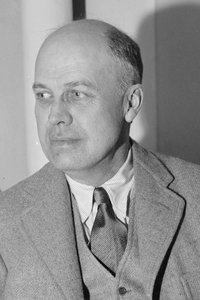
Edward Hopper
1931 - 1967 , Estados Unidos de América
Breves datos
- Artistas Influenciados: ['Pierre Sanford Ross']
- Artistas Que Influyeron:
- Ralph Waldo Emerson
- Édouard Manet
- Edgar Degas
- Fecha De Muerte: 1967
- Fecha De Nacimiento: 22 de julio de 1882
- Lugar De Nacimiento: Upper Nyack, EE. UU.
- Movimiento Artístico: Realismo americano
- Nacionalidad: Estadounidense
- Nombre Completo: Edward Hopper
- Obras Notables:
- House by the Railroad
- Reclining Nude
- Nighthawks
- Gas
- Chop Suey