 Ver en contexto
 Enviar
 Compartir
 Detalles

 Descargar
 Similares
 Radiografía
 Presentación de diapositivas
 Estadísticas
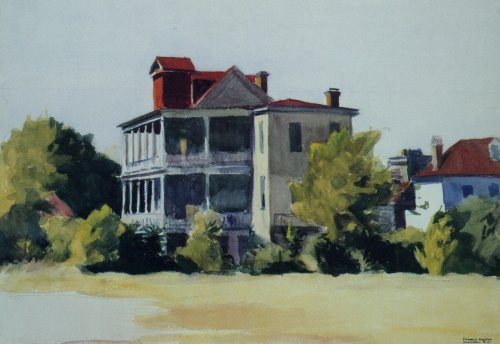
House with Veranda Charleston

 Ver más
Giclée / Impresión de arte
Impresiones giclée o en lienzo de calidad de museo con producción rápida y opciones de acabado flexibles. ( Comprar pintura hecha a mano Cambiar a imagen digital)




P118B $10

P118H $10

P118W $10

P438Z $10

P508JH $12

P508YH $12

P805H $10

P805Z $10

P919BZ $10

P919G $10

P919XJ $10

P959ZH $10

P968JZ $12

W106C $8

W218G $10

W218JH $8

W218Y $10

W307PJ $10

W316G $10

W316PJ $8

W316Y $10

W398PJ $8

W4111J $10

W500HY $15

W500JH $15

W692G $12

W849H $8

W940BG $15

W953PJ $8




Elija entre nuestros tamaños predefinidos que respetan las proporciones originales de la obra.

Puede introducir sus propias dimensiones para adaptarse a un marco o espacio específico. Si el tamaño seleccionado no coincide con las proporciones de la imagen original, recortaremos la obra de arte o extenderemos la imagen con un borde con efecto espejo o de color sólido. Se enviará una maqueta digital para su aprobación antes de que comience la producción.
Tenga en cuenta que la vista previa en pantalla no refleja el recorte o la extensión real. Solo la maqueta mostrará con precisión la composición final.
Aunque existen tamaños personalizados, recomendamos seleccionar una dimensión de la lista predefinida para preservar las proporciones originales.
Envío a todo el mundo () en 2 semanas en lugar de las 4/5 semanas estándar. (9 septiembre)

Envío exprés gratuito a todo el mundo

Lienzo de lino de alta calidad

Seguro de envío total

Garantía de reembolso de impuestos aduaneros

Garantía de fidelidad cromática exacta

Política de devolución de 100 días (solo por defectos)

Garantía de devolución del 100% del dinero

Descuento por cantidad
 La opción de vidrio solo está disponible en tamaños inferiores a 110 cm.

House with Veranda Charleston
Giclée / Impresión de arte
Dimensiones de la reproducción
-


Precio total final
$ 62
A Moment Frozen in Time: The Poignant Beauty of *House with Veranda, Charleston*
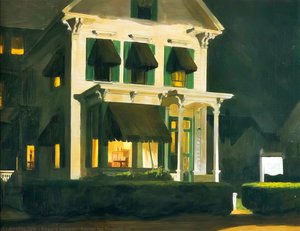
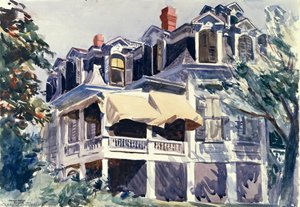
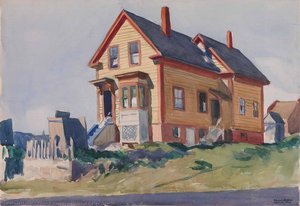
Edward Hopper's 1931 watercolor, *House with Veranda, Charleston*, isn’t merely a depiction of a building; it’s a distilled essence of American experience – a quiet meditation on isolation, the passage of time, and the subtle melancholy that often underlies everyday life. The painting immediately draws us in with its deceptively simple composition: a two-story house boasting a wide veranda, set against a backdrop of lush, yet somewhat muted, trees. Yet, within this apparent stillness lies a profound sense of unspoken narrative, inviting viewers to contemplate the lives unfolding within and beyond the frame.
Hopper’s masterful use of light is central to the painting's impact. The interior glows with an almost theatrical illumination, casting long shadows that stretch across the veranda and hinting at a scene taking place just moments before or after our own imagined observation. This carefully orchestrated interplay of light and dark isn’t simply aesthetic; it serves to heighten the sense of detachment and introspection, reinforcing the feeling that we are witnesses to a private, unshared moment.
The Architecture of Loneliness: Charleston as a Stage
Charleston, South Carolina, provided Hopper with a particularly evocative setting. The city’s historic architecture—characterized by its grand piazzas and elegant residences—offered a rich visual vocabulary for exploring themes of Southern identity and the complexities of human relationships. The Branford-Horry House, upon which this painting is based, exemplifies Charleston's unique architectural heritage, notably with its distinctive piazza extending over the sidewalk – a feature that immediately establishes a sense of public space intersecting with private life. Hopper cleverly utilizes this architectural element to further emphasize the feeling of observation and separation.
Hopper’s choice of subject matter—a seemingly ordinary house—is deliberately imbued with symbolic weight. The figures present, though indistinct, represent individuals caught in a moment of quiet contemplation. They are not actively engaged in conversation or activity; instead, they seem lost in their own thoughts, embodying the pervasive sense of loneliness that is so characteristic of Hopper’s work. The dog, positioned near one of the individuals, adds another layer of subtle narrative – perhaps suggesting companionship, but also hinting at a shared solitude.
Hopper's Technique and the Poetics of Realism
As an artist deeply rooted in realism, Hopper’s technique is characterized by its meticulous observation and precise rendering. He eschewed romanticized depictions of American life, instead choosing to portray the world as he saw it – with all its inherent complexities and contradictions. The watercolor medium lends itself particularly well to capturing the nuances of light and shadow, creating a sense of atmosphere and depth that is both luminous and subtly melancholic. Note the careful attention to detail in the rendering of the veranda’s railings, the texture of the trees, and the subtle variations in color—all contributing to the painting's overall realism.
Furthermore, Hopper’s work reflects a broader artistic movement – American Realism – which sought to depict contemporary life with honesty and unflinching detail. He wasn’t interested in idealizing or romanticizing his subjects; instead, he aimed to capture the essence of human experience as it unfolded in the everyday world. *House with Veranda, Charleston* stands as a testament to this commitment, offering a poignant glimpse into the quiet dramas of American life.
A Legacy of Isolation and Observation
Edward Hopper’s *House with Veranda, Charleston*, like much of his oeuvre, continues to resonate deeply with viewers today. Its enduring appeal lies in its ability to evoke a sense of familiarity alongside an unsettling feeling of detachment. It's a painting that invites us to pause, reflect, and consider the often-unspoken realities of human existence – particularly the quiet moments of solitude and observation that shape our lives. ArtsDot offers exquisite hand-painted reproductions of this iconic work, allowing you to bring Hopper’s evocative vision into your own space.
Obras relacionadas
Biografía del artista
**vida temprana e influencias**
edward hopper, un destacado pintor y grabador realista estadounidense, nació el 22 de julio de 1882 en Upper Nyack, Nueva York. Su familia, de ascendencia mayoritariamente holandesa, proporcionó una crianza cómoda que le permitió perseguir sus inclinaciones artísticas desde temprana edad. - **inspiraciones:** La obra de Hopper fue influenciada por las escrituras de Ralph Waldo Emerson y los maestros impresionistas franceses Édouard Manet y Edgar Degas. - **formación inicial:** Comenzó estudios de arte con un curso por correspondencia en 1899, posteriormente transfiriéndose a la Escuela de Arte y Diseño de Nueva York.**estilo artístico y temas**
edward hopper's representaciones cuidadosas y con un diseño preciso reflejaban su visión personal de la vida moderna estadounidense. Su obra se puede caracterizar por: - **escenas urbanas y rurales:** Ambos entornos fueron retratados con una mezcla única de realismo y profundidad emocional. - **iluminación:** Un dominio de la luz, a menudo utilizada para evocar sentimientos de aislamiento o contemplación. - **figuras:** A menudo sin rostro o en segundo plano, enfatizando al entorno sobre las figuras.**obras notables y su significado**
- House by the Railroad (Museo de Arte Moderno, Nueva York, Estados Unidos), un ejemplo de la capacidad de Hopper para evocar una sensación de melancolía a través de una composición simple pero poderosa. - Reclining Nude (50 x 35 cm, Nuevo Realismo, acuarela), que muestra su versatilidad para capturar la forma humana.**legado e influencia**
- **influencia en artistas futuros:** El estilo único de Hopper ha influido a numerosos artistas, incluyendo Pierre Sanford Ross, conocido por sus escenas urbanas y rurales. - **popularidad perdurable:** Sus obras continúan cautivando al público con sus temas atemporales de soledad y la condición humana.**explora más en ArtsDot**
- [https://ArtsDot.com/@/edward-hopper](obras de Edward Hopper) - /es/art/show/art-8xyffg-es/compra arte inspirado por los maestros)- Profundiza en el mundo del arte con la extensa colección de ArtsDot.
- Descubre cómo el legado de Edward Hopper continúa inspirando a artistas y amantes del arte.
**referencias**
- [https://ArtsDot.com/@/edward-hopper](Wikipedia: Edward Hopper) - [https://en.wikipedia.org/wiki/edward_hopper](Wikipedia: Biografía de Edward Hopper)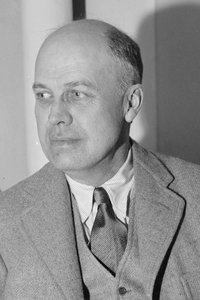
Edward Hopper
1931 - 1967 , Estados Unidos de América
Datos clave
- Artistas Influenciados: ['Pierre Sanford Ross']
- Artistas Que Influyeron:
- Ralph Waldo Emerson
- Édouard Manet
- Edgar Degas
- Fecha De Muerte: 1967
- Fecha De Nacimiento: 22 de julio de 1882
- Lugar De Nacimiento: Upper Nyack, EE. UU.
- Movimiento Artístico: Realismo americano
- Nacionalidad: Estadounidense
- Nombre Completo: Edward Hopper
- Obras Notables:
- House by the Railroad
- Reclining Nude
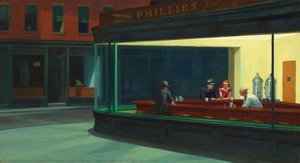
- Nighthawks
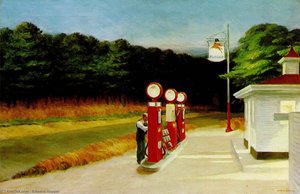
- Gas
- Chop Suey
Artículos relacionados
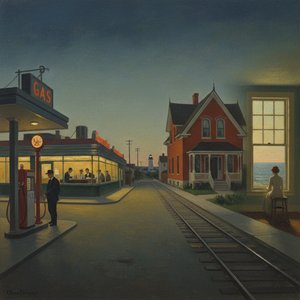
Edward Hopper: Las 25 Obras Maestras que Definen la Soledad Moderna | ArtsDot
Descubre las 25 obras maestras de Edward Hopper, el pintor de la soledad moderna. Explora su realismo americano, luz y sombra, e icónicas escenas urbanas. Reproducciones de arte en ArtsDot.com para decorar tu hogar con estilo.
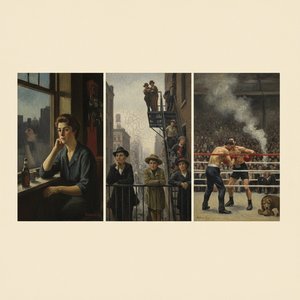
Realismo Americano: Comentario Social y Representación Artística en la Pintura del Siglo XX
Explora el Realismo Americano del siglo XX: un análisis profundo de sus artistas clave (Vertis Hayes, William Aiken Walker), técnicas y su poderoso comentario social. Descubre cómo este movimiento plasmó la identidad estadounidense.
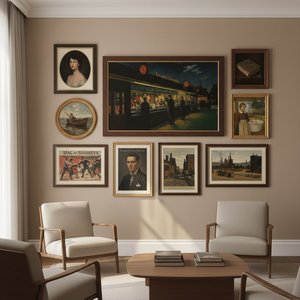
Realismo Estadounidense: 10 Obras Maestras que Cambiaron el Arte y la Decoración
Descubre 10 obras maestras del Realismo Estadounidense: Winslow Homer, Edward Hopper y más. Explora la historia, técnica y emoción de estos icónicos cuadros. Encuentra reproducciones de arte de museo en ArtsDot.com.

Realismo Contemporáneo: 10 Obras Maestras que Transformaron el Arte |
Descubre 10 obras maestras del Realismo Contemporáneo que revolucionaron el arte. Explora la historia, técnica y emociones de artistas como Lucian Freud y Gerhard Richter. Reproducciones de alta calidad en .
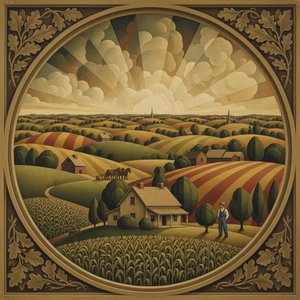
Grant Wood & American Regionalism: Identity, Myth & the Rural Landscape
Explore the world of Grant Wood & American Regionalism with ArtsDot. Discover the symbolism behind 'American Gothic', recurring themes, and the movement's lasting impact on art history. High-quality reproductions available.