

 Ver en contexto
 Enviar
 Compartir
 Detalles

 Descargar
 Similares
 Radiografía
 Presentación de diapositivas
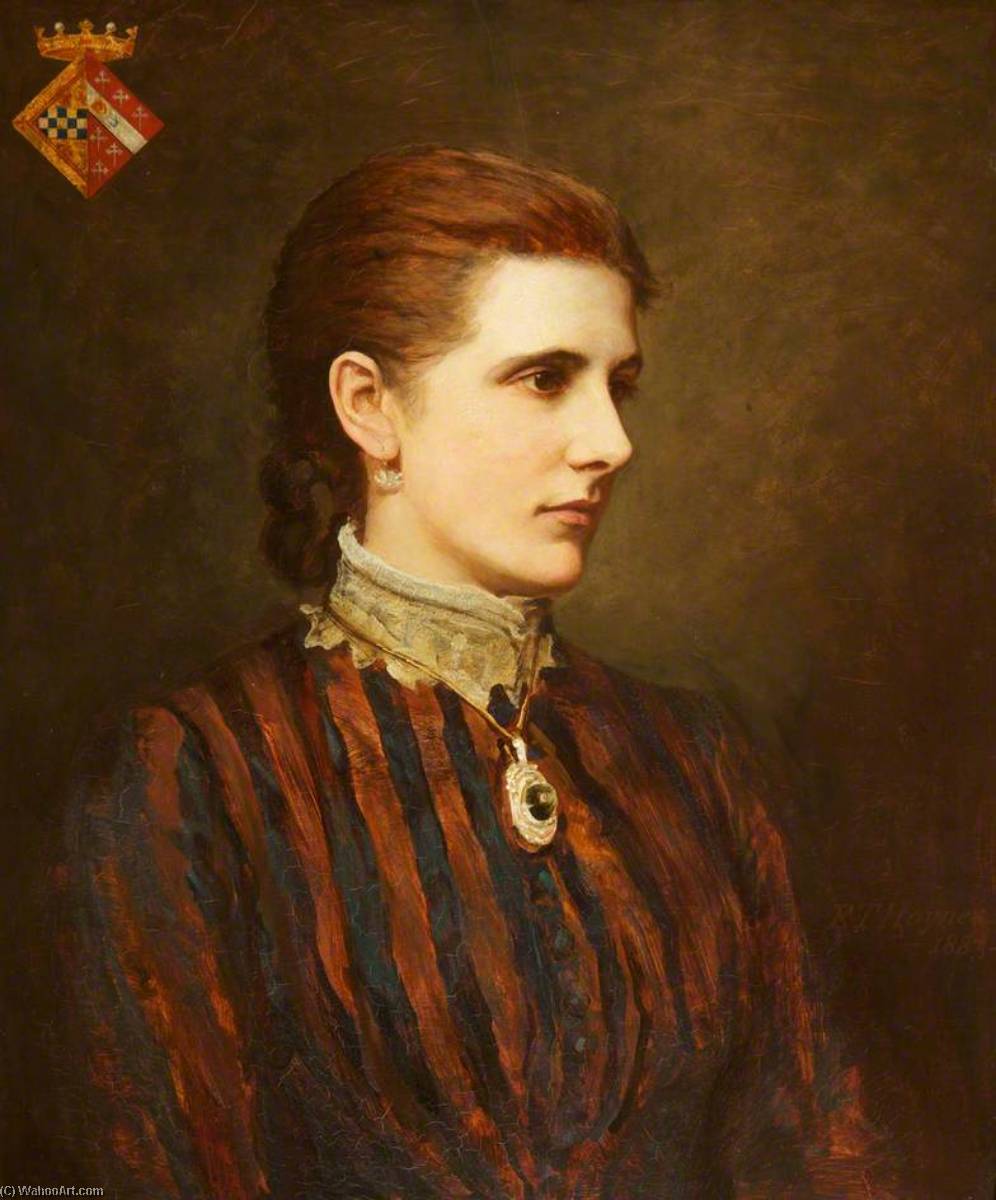
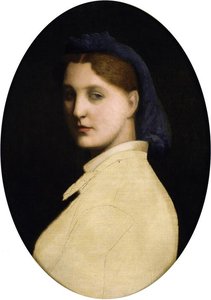
Gwendolen Howard (d.1932), Wife of the 3rd Marquess of Bute
 Academic Realism
 64.0 x 53.0 cm
 Ver más
Reproducción al óleo hecha a mano
Óleo sobre lienzo pintado a mano en el tamaño y marco de su elección, realizado por encargo por nuestros artistas. ( Comprar impresión Comprar imagen)




































Elija entre nuestros tamaños predefinidos que respetan las proporciones originales de la obra.

Puede ingresar sus propias dimensiones para adaptarse a un marco o espacio específico. Si el tamaño seleccionado no coincide con las proporciones de la imagen original, recortaremos la obra o extenderemos la pintura con elementos adicionales pintados a mano. Se le enviará una maqueta digital para su aprobación antes de comenzar la producción.
Tenga en cuenta que la vista previa en pantalla no refleja el recorte o la extensión reales. Solo la maqueta mostrará con precisión la composición final.
Si bien existen tamaños personalizados, recomendamos seleccionar una dimensión de la lista predefinida para preservar las proporciones originales.
Tras realizar el pedido, el equipo de ArtsDot.com enviará un correo electrónico al cliente para solicitar instrucciones y proporcionarle una vista previa del boceto.
Envío a todo el mundo () en 3-4 semanas en lugar de las 5 semanas estándar. (6 septiembre). Sin comprometer la calidad.

Envío exprés gratuito a todo el mundo

Lienzo de lino de alta calidad

Seguro de envío total

Garantía de reembolso de impuestos aduaneros

Garantía de fidelidad cromática exacta

Política de devolución de 100 días (solo por defectos)

Garantía de devolución del 100% del dinero

Descuento por cantidad
 La opción de vidrio solo está disponible en tamaños inferiores a 110 cm.

Gwendolen Howard (d.1932), Wife of the 3rd Marquess of Bute
Técnica de reproducción
Dimensiones de la reproducción
-


Precio total final
$ 263
Obras relacionadas
Biografía del artista
A Chronicler of an Era: The Life and Art of Edward Travanyon Haynes
Edward Travanyon Haynes (1840-1922) occupies a fascinating, if often overlooked, niche in the pantheon of Victorian portraiture. He wasn’t a flamboyant innovator like Sargent or Whistler, nor did he strive for the Pre-Raphaelite brotherhood's romantic intensity. Instead, Haynes carved his reputation as a meticulous and highly skilled recorder of British society at its zenith – a chronicler of power, intellect, and aristocratic bearing. Born into a world rapidly transforming by industrialization and imperial expansion, Haynes’ art reflects both the stability he sought to capture and the subtle anxieties simmering beneath the polished veneer of Victorian life. While biographical details remain somewhat sparse, his body of work speaks volumes about his dedication to realism, his mastery of technique, and his keen understanding of character. He wasn't painting ideals; he was painting *people*, and in doing so, created a valuable historical record far beyond mere likenesses.Early Training and the Pursuit of Realism
The specifics of Haynes’ early artistic training are not extensively documented, but it is believed he received formal instruction at a leading art school – likely in London. The prevailing aesthetic climate during his formative years emphasized academic realism, a style that prioritized accurate representation and technical proficiency above all else. This influence is profoundly evident in his work. Unlike many of his contemporaries who experimented with looser brushwork or subjective interpretations, Haynes embraced detail with unwavering commitment. He meticulously rendered fabrics, textures, and the subtle nuances of facial expression. His early works demonstrate a clear fascination with light and shadow, skillfully employed to sculpt form and create a sense of depth. This dedication wasn’t simply about technical prowess; it was about capturing the essence of his sitters – their status, intelligence, and inner lives. He understood that in portraiture, every detail mattered, contributing to the overall narrative conveyed by the image.Portraits of Power: Haynes' Rise to Prominence
Haynes’ career truly blossomed with his commissions from prominent political figures and members of the British aristocracy. He became particularly known for his portraits of William Ewart Gladstone, the four-time Prime Minister, producing a series of images that captured Gladstone at various stages of his illustrious career. These weren't merely official state portraits; Haynes imbued them with a sense of intellectual gravitas and moral authority. Beyond Gladstone, he painted numerous members of the Windsor family, solidifying his position as a favored portraitist within royal circles. His ability to convey both power and personality attracted a steady stream of wealthy patrons eager to immortalize their likenesses. His portraits weren’t simply about displaying wealth or status; they were statements of identity and belonging. The meticulous detail in the clothing, furnishings, and backgrounds served as visual cues to the sitter's social standing and cultural affiliations.Technique and Style: A Master of Victorian Convention
Haynes’ technical approach was rooted in traditional oil painting techniques. He built up layers of paint with careful precision, employing a glazing method to achieve rich colors and subtle tonal variations. His brushwork is generally smooth and refined, avoiding overt displays of virtuosity. He prioritized clarity and accuracy over expressive flourishes. The compositions are typically straightforward and conventional, often featuring the sitter posed against a neutral background or within an elegant interior setting. However, within these constraints, Haynes demonstrated a remarkable ability to capture individual character. He paid close attention to the eyes – considered the windows to the soul – and skillfully rendered the subtle expressions that revealed his sitters’ inner thoughts and emotions. His use of light is particularly noteworthy, often employing dramatic chiaroscuro effects to highlight key features and create a sense of psychological depth.Legacy and Historical Significance
While Haynes may not be as widely celebrated as some of his more avant-garde contemporaries, his contribution to Victorian art history is significant. His portraits offer invaluable insights into the lives and personalities of Britain’s ruling elite during a period of profound social and political change.- His work provides a visual record of fashion, interior design, and material culture.
- He captured the likenesses of key historical figures, preserving their images for posterity.
- His dedication to realism reflects the Victorian emphasis on accuracy and detail.
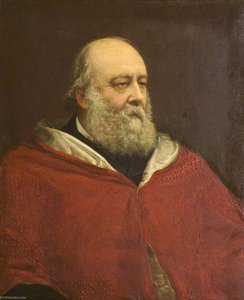
edward travanyon haynes
1840 - 1922
Datos clave
- Artistic Movement Or Style: Victorian Portraiture
- Artists Or Movements Influenced By This Artist: ['Burne-Jones']
- Artists Who Influenced This Artist: ['Anthony van Dyck']
- Date Of Birth: 1840
- Date Of Death: 1922
- Full Name: Edward Travanyon Haynes
- Nationality: British
- Notable Artworks:
- Gladstone Painting
- Windsor Portrait
- Place Of Birth: Stourbridge, UK
Artículos relacionados
Edward Hopper: Las 25 Obras Maestras que Definen la Soledad Moderna | ArtsDot
Descubre las 25 obras maestras de Edward Hopper, el pintor de la soledad moderna. Explora su realismo americano, luz y sombra, e icónicas escenas urbanas. Reproducciones de arte en ArtsDot.com para decorar tu hogar con estilo.
El Siglo XIX en el Arte: 10 Obras Maestras para Decorar con Historia y Estilo
Descubre 10 obras maestras del siglo XIX: Monet, Goya y más. Explora el impresionismo, realismo y romanticismo que definieron una época. Encuentra reproducciones de arte exclusivas para decorar tu hogar con estilo en ArtsDot.com.

The Enduring Legacy of Oil on Canvas: Technique, History & Aesthetic Impact
Explore the rich history & techniques of oil painting – from Renaissance masters to Impressionism. Discover pigments, layering methods, and why this timeless medium endures. Expert insights for artists & art enthusiasts.
Edward Wilkins Waite: A Victorian Vision of Surrey's Serene Landscapes & Artistic Legacy
Explore the serene landscapes of Edward Wilkins Waite (1854-1924), a prolific Victorian painter celebrated for his depictions of Surrey's countryside. Discover his artistic influences, career highlights & collecting guide.

El Óleo sobre Lienzo: Historia, Técnica y la Persistencia de un Medio Artístico Atemporal
Descubre la historia y técnica del óleo sobre lienzo. Explora reproducciones fieles hechas a mano, personalización artística y consejos de expertos con ArtsDot. ¡Colecciona arte con confianza!