

 Ver en contexto
 Enviar
 Compartir
 Detalles

 Descargar
 Similares
 Radiografía
 Presentación de diapositivas
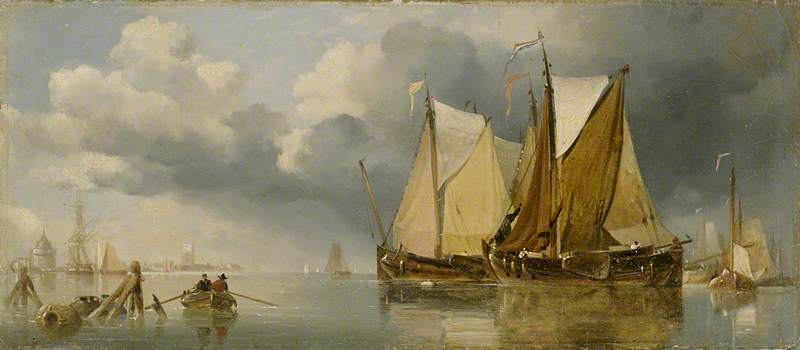
Shipping on the Ij
 Acrylic On Canvas
- WallArt
- British Romanticism
 1848
1848 11.0 x 25.0 cm
 El Museo Ashmolean de Arte y Arqueología
 Ver más
Adquiera una imagen digital de alta resolución y optimizada, muy superior a la vista previa en línea.
Cada archivo es preparado meticulosamente por nuestros especialistas internos mediante el uso de herramientas avanzadas y un experto retoque manual. Nos aseguramos de que cada imagen posea una claridad excepcional, una precisión cromática impecable y un detalle minucioso.
El archivo final se entrega por correo electrónico en un plazo de 72 horas, optimizado para su uso inmediato en entornos profesionales, editoriales y de impresión. Esta es la misma calidad en la que confían los estudios de diseño, las editoriales y las galerías de primer nivel.
Imagen Digital
Descarga un archivo de alta resolución para exhibición personal, impresión y proyectos creativos. ( Comprar impresión Comprar pintura hecha a mano)
Incluido en cada pedido de imágenes digitales
Entrega digital experta, garantizada.
Al elegir ArtsDot.com, no solo está adquiriendo una imagen; está recibiendo una obra de arte digital mejorada profesionalmente, elaborada con precisión y respaldada por una garantía de satisfacción. Esto es todo lo que incluye su pedido, automáticamente:

Entrega rápida por email
Recibirá su archivo de imagen digital en alta resolución por correo electrónico en un plazo de 72 horas tras realizar su pedido, listo para su uso inmediato.

Archivo digital optimizado por IA
Su obra de arte se optimiza profesionalmente mediante herramientas avanzadas de IA y edición manual, garantizando el máximo detalle, claridad y precisión cromática.

Reenvío gratuito de por vida
¿Has borrado o perdido tu archivo por error? No te preocupes: te lo volveremos a enviar en cualquier momento, sin coste adicional.

Sin gastos de importación, siempre
Disfrute de su obra de arte al instante sin aduanas, aranceles ni gastos de envío; las descargas digitales siempre están libres de impuestos.

Garantía de fidelidad de color
Garantizamos que su imagen digital refleje los colores originales con la mayor fidelidad posible, mediante el uso de herramientas profesionales y gestión del color.

Garantía de satisfacción de 100 días
Si no está satisfecho con su imagen digital, la revisaremos o le reembolsaremos el 100% en un plazo de 100 días, sin preguntas.

100% Garantía de devolución de dinero
¿No está satisfecho? Obtenga un reembolso completo dentro de los 100 días posteriores a la recepción de su archivo digital, sin necesidad de explicaciones.

Descuentos por pedidos grandes
Compra 3 imágenes, ahorra 10% - Compra 5, ahorra 15% - Compra 10+, ahorra 20%. Ideal para proyectos creativos, galerías y agencias.
A Moment on the Ij: Edward William Cooke’s Maritime Serenity
Edward William Cooke's "Shipping on the Ij," painted in 1848, isn’t merely a depiction of a coastal scene; it’s a carefully constructed tableau of Dutch maritime life, imbued with a profound sense of tranquility and the subtle drama of the North Sea. The painting captures a fleeting moment along the IJ estuary, just north of Amsterdam, offering a glimpse into a world where commerce and leisure intertwined seamlessly. It's a work that speaks volumes about 19th-century British fascination with Dutch art and its enduring influence on landscape painting.
Cooke, deeply influenced by the masters of the Dutch Golden Age – particularly the works of Nicolaes Berchem and Paulus Potter – meticulously rendered the scene with an almost photographic realism. He wasn’t simply aiming for a literal representation; instead, he sought to evoke the atmosphere and mood characteristic of these celebrated artists. Notice the soft, diffused light, reminiscent of Berchem's atmospheric landscapes, bathing the boats and figures in a gentle glow. The muted palette – dominated by blues, greens, and ochres – further contributes to this sense of serene contemplation.
The Vessels and Their Roles
At the heart of the composition are two vessels: a sturdy merchant boat, recognizable as a “boeier,” and a larger sailing yacht. The boeier, a common sight along the Dutch coast, represents the vital role of maritime trade in the region. These boats were essential for transporting goods – primarily herring – to markets throughout Europe. Their presence underscores the economic importance of the IJ estuary, which served as a crucial artery for commerce.
The yacht, a symbol of leisure and affluence, suggests that this scene represents a privileged moment, enjoyed by those who could afford such pursuits. Its elegant lines and pristine white hull stand in contrast to the more utilitarian appearance of the merchant boat, highlighting the social distinctions of the time. The positioning of the yachtsman, almost lost in the distance, adds an element of mystery and invites speculation about his journey and destination.
A Window into 19th-Century England
“Shipping on the Ij” offers a fascinating window into the artistic tastes and cultural interests of 19th-century Britain. Cooke’s deep admiration for Dutch art is evident in every brushstroke, reflecting a widespread fascination with the Netherlands among British artists and intellectuals. This interest wasn't simply superficial; it fueled a renewed appreciation for the techniques and aesthetics of the Old Masters, influencing the development of landscape painting in England.
Furthermore, the painting reflects the growing importance of maritime travel and trade during this period. The expansion of the British Empire was inextricably linked to its naval power and commercial ventures, and artists like Cooke played a role in documenting and celebrating these achievements. The inclusion of a Dutch scene speaks to Britain’s close ties with the Netherlands, particularly in matters of commerce and artistic influence.
Symbolism and Emotional Resonance
Beyond its technical merits, “Shipping on the Ij” possesses a subtle yet powerful emotional resonance. The stillness of the water, the muted colors, and the distant figures all contribute to a sense of quiet contemplation. There’s an underlying feeling of peace and harmony, suggesting a connection between humanity and nature – a theme that resonated deeply with artists of the Romantic era.
The painting invites us to pause and reflect on the beauty of the natural world, as well as the rhythms of daily life. It's a reminder that even in the midst of bustling commerce, moments of serenity can be found—a sentiment powerfully conveyed by Cooke’s masterful brushwork and his deep understanding of Dutch artistic tradition. Reproductions of this work capture not only its visual beauty but also the quiet contemplation it evokes.
Obras relacionadas
Biografía del artista
Primeros Años y Comienzos Artísticos
Edward William Cooke nació en Pentonville, Londres, el 27 de marzo de 1811, hijo de George Cooke, un conocido grabador. Su tío, William Bernard Cooke, también era grabador, creando un ambiente artístico para el joven Edward. Demostró un talento notable desde temprana edad, sobresaliendo en dibujo y grabado. A los nueve años ya había demostrado avanzadas habilidades de grabado, particularmente con respecto a barcos. Sus primeros dibujos estuvieron fuertemente influenciados por maestros holandeses como Nicolaes Berchem, Paulus Potter y Karel Dujardin, mostrando una preferencia por paisajes pastorales y temas animales. Una importante comisión inicial involucró ilustraciones botánicas para la 'Enciclopedia de Plantas' de John Loudon, seguida de trabajo en el 'Gabinete Botánico' de George Loddiges, produciendo cientos de grabados sobre madera y alrededor de 400 acuarelas mientras trabajaba en los viveros de Hackney.Desarrollo como Pintor Marino
La pasión de Cooke residía en los barcos, lo que lo llevó a estudiar bajo el Capitán Burton del West-Indiaman 'Thetis'. Esta experiencia proporcionó un conocimiento práctico invaluable de los buques y la vida marítima, que documentó meticulosamente en sus cuadernos. Comenzó a pintar al óleo en 1833 y estudió formalmente con James Stark en 1834. Cooke expuso por primera vez en la Royal Academy y el British Institution en 1835, marcando un paso significativo en su carrera artística. Su estilo ya estaba firmemente establecido, caracterizado por representaciones detalladas de escenas marinas y paisajes. Se inspiró en Clarkson Stanfield, cuyo principal seguidor marino se convirtió, beneficiándose enormemente del consejo y la guía de Stanfield.Viajes e Influencias Artísticas
El desarrollo artístico de Cooke fue significativamente moldeado por sus extensos viajes a través de Europa y el norte de África. Un viaje fundamental a los Países Bajos en 1837 inició una fascinación duradera con el arte marino holandés, que influyó profundamente en su estilo. Regresó regularmente para estudiar los paisajes costeros y la luz de los Países Bajos durante más de dos décadas. Sus viajes también incluyeron visitas a Normandía, Bélgica, Francia, Escocia, Irlanda, Escandinavia, España y Venecia. Estas experiencias ampliaron sus horizontes artísticos y proporcionaron una gran cantidad de temas para sus pinturas. Los efectos dramáticos de las condiciones climáticas y la topografía diversa fueron capturados con notable habilidad en sus obras.Logros Mayores y Reconocimiento
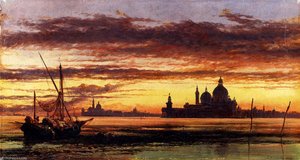
Edward William Cooke logró un reconocimiento considerable durante su vida. Fue elegido Asociado de la Royal Academy en 1851 y más tarde se convirtió en académico real en 1863. También fue elegido académico honorario de la National Academy of Design en 1858, lo que demostró el aclamación internacional por su trabajo. Las pinturas de Cooke se exhibieron con frecuencia en la Royal Academy, con más de 120 obras expuestas durante su carrera. Ocupó una posición notable dentro de la comunidad científica también; fue miembro de la Royal Society (1863), así como miembro de las sociedades geológicas, linneanas y otras sociedades eruditas. Su trabajo está representado en numerosas colecciones públicas importantes, incluyendo la National Gallery, Tate Britain y el Museo V&A. Obras notables incluyen "Hay Barge off Greenwich" (1835), “Venetian Lagoons – Sunset,” “Salerno, Italy” (1849), y "Brighton Sands" (1837).Significado Histórico y Legado
Edward William Cooke es recordado como una figura significativa en el arte británico del siglo XIX, particularmente por sus contribuciones a la pintura marina. Su meticulosa atención al detalle, combinada con su capacidad para capturar la atmósfera de las escenas costeras, lo estableció como un artista líder de su tiempo. Su influencia puede verse en el desarrollo de generaciones posteriores de pintores marinos. Los intereses científicos de Cooke y sus logros distinguieron aún más a este de muchos artistas, destacando su amplitud intelectual y contribuyendo a su legado duradero como pintor consumado y erudito respetado. Murió el 4 de enero de 1880, dejando atrás una importante obra que continúa siendo admirada por su habilidad técnica y su evocadora representación del mar y los paisajes.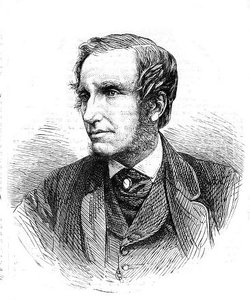
Edward William Cooke
1811 - 1880 , Reino Unido
Breves datos
- Artistas Que Influyeron:
- Clarkson Stanfield
- Nicolaes Berghem
- Paulus Potter
- Karel Dujardin
- Fecha De Fallecimiento: 4 de enero de 1880
- Fecha De Nacimiento: 27 de marzo de 1811
- Lugar De Nacimiento: Pentonville, Reino Unido
- Movimiento Artístico: Pintura marina y paisajes
- Nacionalidad: Británico
- Nombre Completo: Edward William Cooke
- Obras Notables:
- Hay Barge off Greenwich
- Venetian Lagoons – Sunset
- Salerno, Italia
- Brighton Sands