

 Ver en contexto
 Enviar
 Compartir
 Detalles

 Descargar
 Similares
 Radiografía
 Presentación de diapositivas
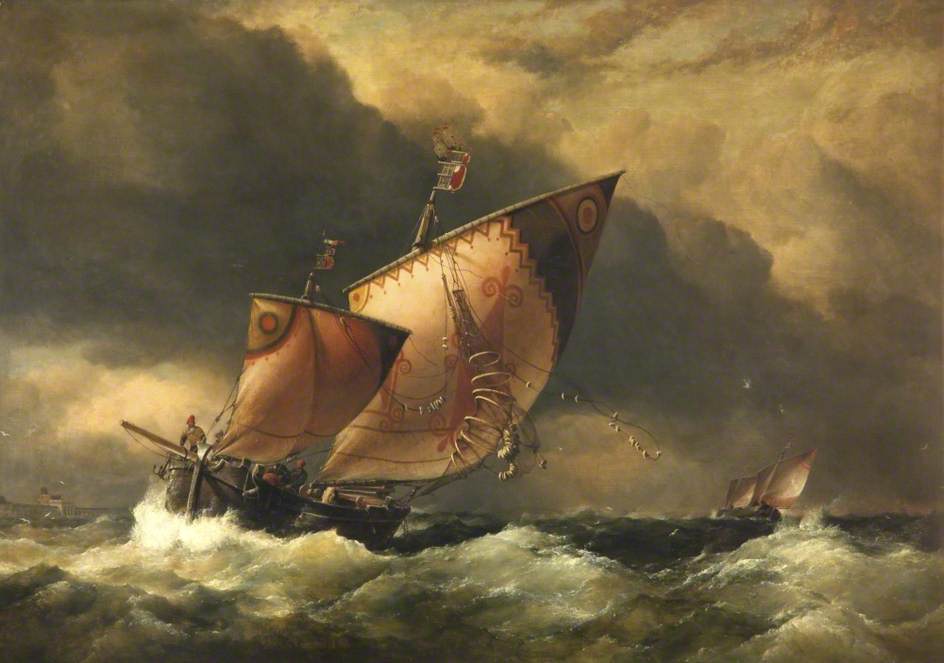
Venetian Fishing Craft Caught in a 'Borasca'
 Oil On Canvas
- WallArt
- Romanticism
 1873
1873 88.0 x 139.0 cm
 Galería de Arte Walker
 Ver más
Giclée / Impresión de arte
Impresiones giclée o en lienzo de calidad de museo con producción rápida y opciones de acabado flexibles. ( Comprar pintura hecha a mano Comprar imagen)




P118B $10

P118H $10

P118W $10

P438Z $10

P508JH $12

P508YH $12

P805H $10

P805Z $10

P919BZ $10

P919G $10

P919XJ $10

P959ZH $10

P968JZ $12

W106C $8

W218G $10

W218JH $8

W218Y $10

W307PJ $10

W316G $10

W316PJ $8

W316Y $10

W398PJ $8

W4111J $10

W500HY $15

W500JH $15

W692G $12

W849H $8

W940BG $15

W953PJ $8




Elija entre nuestros tamaños predefinidos que respetan las proporciones originales de la obra.

Puede introducir sus propias dimensiones para adaptarse a un marco o espacio específico. Si el tamaño seleccionado no coincide con las proporciones de la imagen original, recortaremos la obra de arte o extenderemos la imagen con un borde con efecto espejo o de color sólido. Se enviará una maqueta digital para su aprobación antes de que comience la producción.
Tenga en cuenta que la vista previa en pantalla no refleja el recorte o la extensión real. Solo la maqueta mostrará con precisión la composición final.
Aunque existen tamaños personalizados, recomendamos seleccionar una dimensión de la lista predefinida para preservar las proporciones originales.
Envío a todo el mundo () en 2 semanas en lugar de las 4/5 semanas estándar. (28 agosto)

Envío exprés gratuito a todo el mundo

Lienzo de lino de alta calidad

Seguro de envío total

Garantía de reembolso de impuestos aduaneros

Garantía de fidelidad cromática exacta

Política de devolución de 60 días (solo por defectos)

Garantía de devolución del 100% del dinero

Descuento por cantidad
 La opción de vidrio solo está disponible en tamaños inferiores a 110 cm.

Venetian Fishing Craft Caught in a 'Borasca'
Giclée / Impresión de arte
Dimensiones de la reproducción
-


Precio total final
$ 62
A Venetian Dream Captured on Canvas: Edward William Cooke’s “Venetian Fishing Craft Caught in a ‘Borasca’”
Edward William Cooke's "Venetian Fishing Craft Caught in a 'Borasca'," painted in 1873, isn’t merely a depiction of a coastal scene; it’s an immersion into the very soul of Venice. This captivating work, now residing within the Walker Art Gallery in Liverpool, transports us to the shimmering waters of the Adriatic, where light dances upon the waves and the echoes of Venetian life resonate through the air. The painting immediately draws the eye with its vibrant palette – a masterful blend of cerulean blues, ochre yellows, and delicate pinks that mimic the hues of the Venetian sky and the weathered hulls of the fishing boats.
Cooke’s artistic lineage is deeply rooted in the traditions of 17th-century Dutch Masters, particularly Nicolaes Berchem and Karel Dujardin. This influence is evident in his meticulous attention to detail, the atmospheric perspective, and the overall sense of tranquility he achieves. However, Cooke wasn't simply a follower; he skillfully absorbed these influences and adapted them to his own unique vision, imbuing his work with a distinctly British sensibility. The composition itself—two boats, one larger and more imposing than the other—creates a subtle narrative tension, inviting contemplation on themes of scale, ambition, and perhaps even the fleeting nature of human endeavor against the backdrop of timeless beauty.
The ‘Borasca’ – A Symbol of Venetian Life
The title itself offers a crucial key to understanding the painting's significance. The “borasca” was a unique Venetian phenomenon—a sudden, violent wind that would sweep across the lagoon, dramatically altering the appearance of the waterways and disrupting the daily routines of the city’s inhabitants. Cooke captures this moment with remarkable precision, depicting the boats struggling against the gusts, their sails billowing and their timbers creaking under the strain. This isn't a romanticized view of Venice; it’s an honest portrayal of the challenges faced by those who relied on the sea for their livelihood.
The ‘borasca,’ therefore, becomes more than just a weather event; it symbolizes the unpredictable nature of life in Venice – its beauty intertwined with hardship, its prosperity balanced by vulnerability. Cooke masterfully uses light and shadow to heighten this sense of drama, casting dramatic highlights on the sails and creating an almost palpable feeling of movement within the scene. The artist’s brushwork is loose yet controlled, conveying both the texture of the water and the solidity of the boats themselves.
Technique and Artistic Flourishes
Cooke was a highly skilled engraver from a young age, inheriting his talent from his father and uncle. This early training instilled in him an exceptional eye for detail and a deep appreciation for line and form. These skills are brilliantly showcased in the painting’s meticulous rendering of the boats' rigging, the reflections on the water, and the subtle nuances of color. The use of glazing—applying thin layers of translucent paint over dried underlayers—creates a luminous quality that imbues the scene with an ethereal glow.
Furthermore, Cooke’s background in landscape painting is evident in his masterful depiction of atmospheric perspective – the way distant objects appear paler and less distinct. This technique draws the viewer's eye into the heart of the composition, creating a sense of depth and spaciousness that belies the relatively small scale of the canvas. The overall effect is one of breathtaking realism combined with an undeniable artistic sensibility.
A Window to Venice – Emotion and Legacy
"Venetian Fishing Craft Caught in a ‘Borasca’" transcends its subject matter, offering a profound meditation on beauty, resilience, and the enduring spirit of Venice. It's a painting that invites us to slow down, to appreciate the fleeting moments of light and color, and to contemplate the challenges faced by those who call this unique city home. Cooke’s legacy extends beyond his individual works; he helped shape the British art scene with his dedication to capturing the beauty of the sea and sky, a pursuit that continues to inspire artists today. Reproductions of this stunning work offer a remarkable opportunity to bring a piece of Venetian charm into any space, evoking memories of sun-drenched waters and timeless artistry.
Obras relacionadas
Biografía del artista
Primeros Años y Comienzos Artísticos
Edward William Cooke nació en Pentonville, Londres, el 27 de marzo de 1811, hijo de George Cooke, un conocido grabador. Su tío, William Bernard Cooke, también era grabador, creando un ambiente artístico para el joven Edward. Demostró un talento notable desde temprana edad, sobresaliendo en dibujo y grabado. A los nueve años ya había demostrado avanzadas habilidades de grabado, particularmente con respecto a barcos. Sus primeros dibujos estuvieron fuertemente influenciados por maestros holandeses como Nicolaes Berchem, Paulus Potter y Karel Dujardin, mostrando una preferencia por paisajes pastorales y temas animales. Una importante comisión inicial involucró ilustraciones botánicas para la 'Enciclopedia de Plantas' de John Loudon, seguida de trabajo en el 'Gabinete Botánico' de George Loddiges, produciendo cientos de grabados sobre madera y alrededor de 400 acuarelas mientras trabajaba en los viveros de Hackney.Desarrollo como Pintor Marino
La pasión de Cooke residía en los barcos, lo que lo llevó a estudiar bajo el Capitán Burton del West-Indiaman 'Thetis'. Esta experiencia proporcionó un conocimiento práctico invaluable de los buques y la vida marítima, que documentó meticulosamente en sus cuadernos. Comenzó a pintar al óleo en 1833 y estudió formalmente con James Stark en 1834. Cooke expuso por primera vez en la Royal Academy y el British Institution en 1835, marcando un paso significativo en su carrera artística. Su estilo ya estaba firmemente establecido, caracterizado por representaciones detalladas de escenas marinas y paisajes. Se inspiró en Clarkson Stanfield, cuyo principal seguidor marino se convirtió, beneficiándose enormemente del consejo y la guía de Stanfield.Viajes e Influencias Artísticas
El desarrollo artístico de Cooke fue significativamente moldeado por sus extensos viajes a través de Europa y el norte de África. Un viaje fundamental a los Países Bajos en 1837 inició una fascinación duradera con el arte marino holandés, que influyó profundamente en su estilo. Regresó regularmente para estudiar los paisajes costeros y la luz de los Países Bajos durante más de dos décadas. Sus viajes también incluyeron visitas a Normandía, Bélgica, Francia, Escocia, Irlanda, Escandinavia, España y Venecia. Estas experiencias ampliaron sus horizontes artísticos y proporcionaron una gran cantidad de temas para sus pinturas. Los efectos dramáticos de las condiciones climáticas y la topografía diversa fueron capturados con notable habilidad en sus obras.Logros Mayores y Reconocimiento
Edward William Cooke logró un reconocimiento considerable durante su vida. Fue elegido Asociado de la Royal Academy en 1851 y más tarde se convirtió en académico real en 1863. También fue elegido académico honorario de la National Academy of Design en 1858, lo que demostró el aclamación internacional por su trabajo. Las pinturas de Cooke se exhibieron con frecuencia en la Royal Academy, con más de 120 obras expuestas durante su carrera. Ocupó una posición notable dentro de la comunidad científica también; fue miembro de la Royal Society (1863), así como miembro de las sociedades geológicas, linneanas y otras sociedades eruditas. Su trabajo está representado en numerosas colecciones públicas importantes, incluyendo la National Gallery, Tate Britain y el Museo V&A. Obras notables incluyen "Hay Barge off Greenwich" (1835), “Venetian Lagoons – Sunset,” “Salerno, Italy” (1849), y "Brighton Sands" (1837).Significado Histórico y Legado
Edward William Cooke es recordado como una figura significativa en el arte británico del siglo XIX, particularmente por sus contribuciones a la pintura marina. Su meticulosa atención al detalle, combinada con su capacidad para capturar la atmósfera de las escenas costeras, lo estableció como un artista líder de su tiempo. Su influencia puede verse en el desarrollo de generaciones posteriores de pintores marinos. Los intereses científicos de Cooke y sus logros distinguieron aún más a este de muchos artistas, destacando su amplitud intelectual y contribuyendo a su legado duradero como pintor consumado y erudito respetado. Murió el 4 de enero de 1880, dejando atrás una importante obra que continúa siendo admirada por su habilidad técnica y su evocadora representación del mar y los paisajes.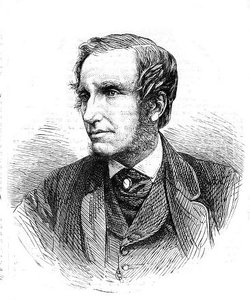
Edward William Cooke
1811 - 1880 , Reino Unido
Datos clave
- Artistas Que Influyeron:
- Clarkson Stanfield
- Nicolaes Berghem
- Paulus Potter
- Karel Dujardin
- Fecha De Fallecimiento: 4 de enero de 1880
- Fecha De Nacimiento: 27 de marzo de 1811
- Lugar De Nacimiento: Pentonville, Reino Unido
- Movimiento Artístico: Pintura marina y paisajes
- Nacionalidad: Británico
- Nombre Completo: Edward William Cooke
- Obras Notables:
- Hay Barge off Greenwich
- Venetian Lagoons – Sunset
- Salerno, Italia
- Brighton Sands
Artículos relacionados
Edward Hopper: Las 25 Obras Maestras que Definen la Soledad Moderna | ArtsDot
Descubre las 25 obras maestras de Edward Hopper, el pintor de la soledad moderna. Explora su realismo americano, luz y sombra, e icónicas escenas urbanas. Reproducciones de arte en ArtsDot.com para decorar tu hogar con estilo.
Barcos en el Arte: 10 Obras Maestras para Inspirar tu Decoración
Descubre 10 obras maestras que capturan la belleza y el simbolismo de los barcos. Desde Monet hasta Van Gogh, explora la historia del arte marítimo e inspira tu decoración con reproducciones de museo en ArtsDot.com.

Jacopo Tintoretto: Las 25 Obras Maestras del Genio Veneciano | Arte y Decoración en ArtsDot
Descubre las 25 obras maestras de Jacopo Tintoretto, el genio veneciano del Renacimiento. Explora su arte dramático, composiciones innovadoras y paleta vibrante. Reproducciones de alta calidad en ArtsDot.com para transformar tu hogar.
Navigating Symbolism & Sentiment: A Comprehensive Exploration of Boats in Art History
Explore the rich history of boats in art! Discover symbolism & style from ancient myths to Impressionist masterpieces. Expert insights for collectors at ArtsDot.
Francis Ferdinand Maurice Cook: A Study in Victorian Aestheticism & Landscape Evolution
Explore the captivating art of Sir Francis Ferdinand Maurice Cook – a British artist bridging Victorian traditions & Aestheticism. Discover his landscapes, collection history, and unique style. Expert analysis for collectors.

