 Ver en contexto
 Enviar
 Compartir
 Detalles

 Descargar
 Similares
 Radiografía
 Presentación de diapositivas
 Estadísticas
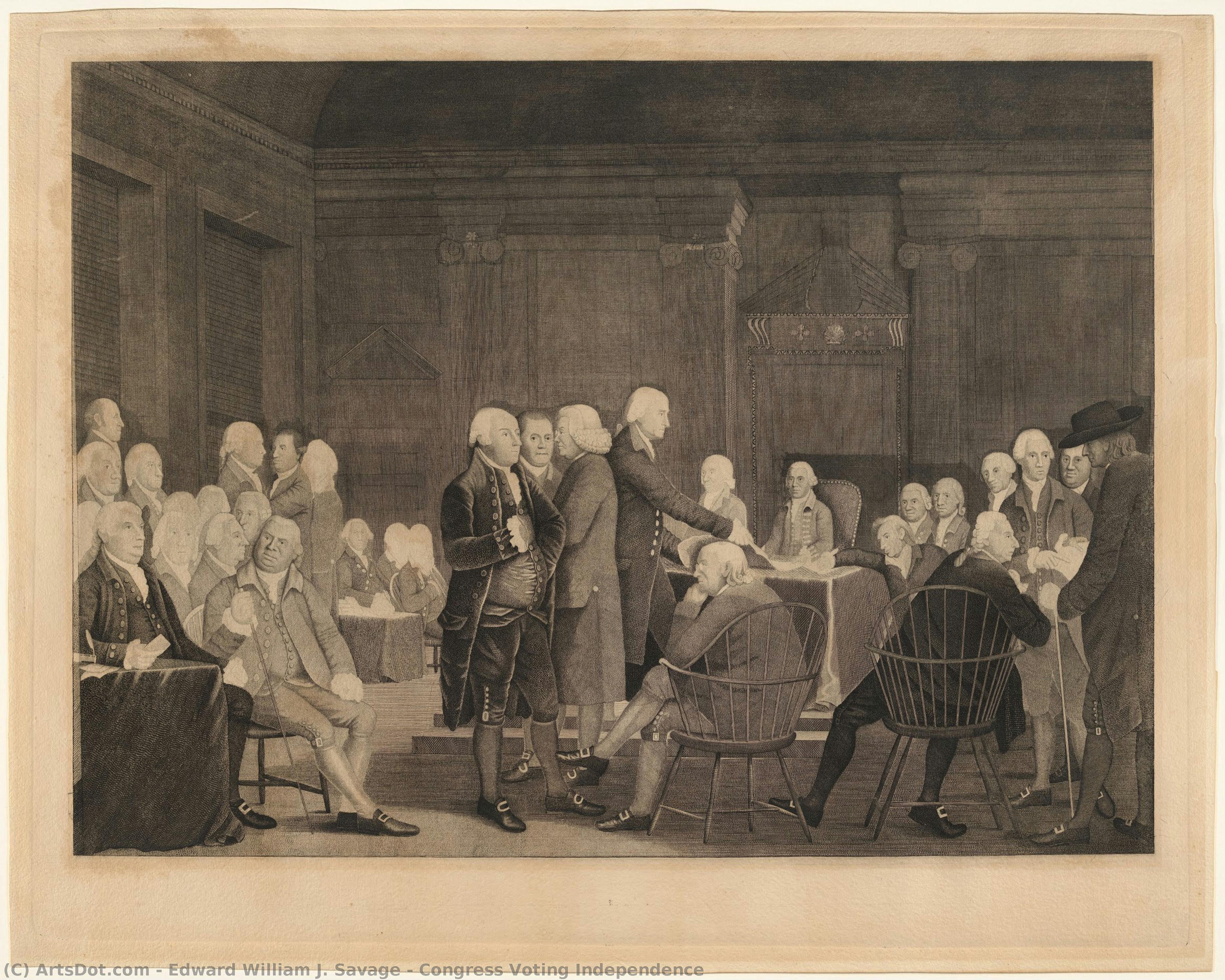
Congress Voting Independence


 Ver más
Giclée / Impresión de arte
Impresiones giclée o en lienzo de calidad de museo con producción rápida y opciones de acabado flexibles. ( Comprar pintura hecha a mano Cambiar a imagen digital)




P118B $10

P118H $10

P118W $10

P438Z $10

P508JH $12

P508YH $12

P805H $10

P805Z $10

P919BZ $10

P919G $10

P919XJ $10

P959ZH $10

P968JZ $12

W106C $8

W218G $10

W218JH $8

W218Y $10

W307PJ $10

W316G $10

W316PJ $8

W316Y $10

W398PJ $8

W4111J $10

W500HY $15

W500JH $15

W692G $12

W849H $8

W940BG $15

W953PJ $8




Elija entre nuestros tamaños predefinidos que respetan las proporciones originales de la obra.

Puede introducir sus propias dimensiones para adaptarse a un marco o espacio específico. Si el tamaño seleccionado no coincide con las proporciones de la imagen original, recortaremos la obra de arte o extenderemos la imagen con un borde con efecto espejo o de color sólido. Se enviará una maqueta digital para su aprobación antes de que comience la producción.
Tenga en cuenta que la vista previa en pantalla no refleja el recorte o la extensión real. Solo la maqueta mostrará con precisión la composición final.
Aunque existen tamaños personalizados, recomendamos seleccionar una dimensión de la lista predefinida para preservar las proporciones originales.
Envío a todo el mundo () en 2 semanas en lugar de las 4/5 semanas estándar. (11 septiembre)

Envío exprés gratuito a todo el mundo

Lienzo de lino de alta calidad

Seguro de envío total

Garantía de reembolso de impuestos aduaneros

Garantía de fidelidad cromática exacta

Política de devolución de 100 días (solo por defectos)

Garantía de devolución del 100% del dinero

Descuento por cantidad
 La opción de vidrio solo está disponible en tamaños inferiores a 110 cm.

Congress Voting Independence
Giclée / Impresión de arte
Dimensiones de la reproducción
-


Precio total final
$ 62
A Moment Frozen in Ink: The Gravity of Independence
In the quiet, focused atmosphere of a room filled with the weight of destiny, Edward William J. Savage captures one of the most transformative moments in human history. His engraving, Congress Voting Independence, serves as more than just a historical record; it is a window into the profound solemnity of the American founding. The scene unfolds around a central table where the architects of a new nation gather, their faces etched with the gravity of their decision. As figures like John Adams, Thomas Jefferson, and John Hancock converge to finalize the document that would alter the course of empires, the viewer is drawn into a circle of intense intellectual and political fervor. The composition directs our eyes toward the exchange of the parchment, emphasizing the physical act of commitment that binds these men to their cause.
The artistry of this piece lies in its meticulous attention to detail and its ability to convey character through line and shadow. Though rendered in the stark, classic medium of black and white engraving, the work breathes with a life of its and depth. Savage utilizes fine, precise strokes to define the formal attire of the delegates—from the structured coats of the statesmen to the humble, Quaker-style hat worn by Stephen Hopkins. Every fold in the fabric and every shadow cast by the candlelight contributes to a sense of three-dimensional reality. The presence of everyday objects, such as a solitary wine glass resting on a table, provides a humanizing touch, grounding this monumental political event in a tangible, domestic setting that makes the historical magnitude feel intimately accessible.
Historical Resonance and Artistic Legacy
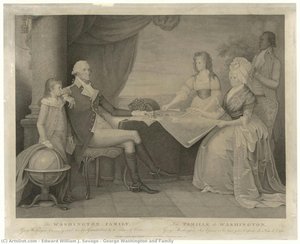
To behold this work is to witness the intersection of personal ambition and national birth. Savage, an artist whose career was shaped by his studies under the great Benjamin West in London, brings a sophisticated European sensibility to this American subject. His ability to compose large-scale group portraits—a feat famously demonstrated in his Washington Family—is masterfully applied here to manage the complex arrangement of thirteen distinct figures. The engraving captures a specific lineage of leadership; seeing Benjamin Franklin seated in his iconic Windsor chair alongside the last surviving signer, Charles Carroll, creates a powerful sense of continuity and endurance.
For the discerning collector or interior designer, this reproduction offers an unparalleled opportunity to introduce a sense of heritage and intellectual depth into a space. The monochromatic palette makes it a versatile choice for sophisticated study libraries, formal dining rooms, or stately halls, where it can serve as a conversation piece that invites contemplation on themes of liberty and leadership. It is not merely a decoration but an infusion of historical soul, providing a timeless aesthetic that complements both traditional and contemporary classical interiors. Owning such a piece is an invitation to surround oneself with the enduring spirit of the Enlightenment and the foundational courage of the American spirit.
Obras relacionadas

Biografía del artista
Early Life and Career
Edward William J. Savage (November 26, 1761 – July 6, 1817) was an American portrait painter and engraver born in Princeton, Massachusetts. Initially, he pursued a career as a goldsmith and honed his engraving skills during an apprenticeship with a Boston line engraver—a craft that would profoundly shape his artistic vision. However, Savage’s true passion resided in painting, an endeavor he undertook without formal academic training. Despite this lack of traditional instruction, he swiftly gained recognition in 1790 thanks to his captivating portrait of George Washington, commissioned as a gift for Harvard University. This monumental undertaking cemented his reputation as a prodigious talent and established him firmly within the burgeoning landscape of American art.Artistic Training and Influences
A pivotal moment in Savage’s artistic journey arrived in 1791 when he embarked on a transformative voyage to London, England. During this formative period, he immersed himself in the vibrant artistic milieu fostered by Benjamin West—a celebrated painter whose influence would resonate throughout Savage's subsequent oeuvre. West’s masterful technique and unwavering dedication to realism served as an invaluable guide, shaping Savage’s stylistic sensibilities and propelling him toward a path of meticulous observation and expressive rendering. Furthermore, his travels extended eastward to Italy, where he absorbed the grandeur of classical art and architecture—experiences that broadened his artistic horizons and instilled in him a deep appreciation for humanist ideals.Notable Works and Contributions
Among Savage's most enduring achievements stands “The Washington Family,” an ambitious group portrait depicting George Washington, Martha Washington, two of their grandchildren, and an enslaved servant. Completed around 1803 and subsequently reproduced in 1859, this masterpiece exemplifies Savage’s unparalleled skill in capturing the psychological complexity of his subjects—a hallmark of his artistic style. Currently housed within the National Gallery of Art in Washington, D.C., “The Washington Family” remains a testament to Savage's mastery of portraiture and serves as an iconic representation of early American art history. Beyond this monumental undertaking, Savage’s prolific output encompassed numerous other portraits—each imbued with remarkable detail and conveying profound emotional resonance—solidifying his position as one of the foremost artists of his era.Awards and Recognition
Savage's artistic prowess garnered considerable acclaim during his lifetime, securing him a respected place within the intellectual circles of Boston and New York City. His portrait of George Washington is universally regarded as a pinnacle of neoclassical artistry—a testament to Savage’s unwavering commitment to accuracy and stylistic elegance. The enduring legacy of his work continues to inspire artists today, demonstrating the timeless power of observation and skillful execution.Legacy and Impact on American Art
Edward William J. Savage's contributions to American art are undeniable, shaping artistic trends and influencing generations of painters who followed him. His meticulous attention to detail—particularly evident in his engravings—established a standard for realism that would endure throughout the nineteenth century. Moreover, Savage’s stylistic innovations—characterized by a harmonious blend of classical influences and humanist ideals—contributed significantly to the development of American art as a distinct cultural expression. To delve deeper into this fascinating artistic heritage, explore the extensive collection of artworks housed at the National Gallery of Art—a repository of masterpieces that illuminate the spirit of an era.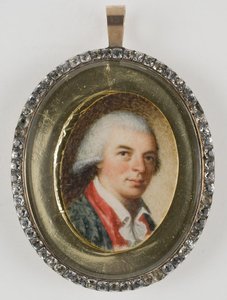
Edward Savage
1761 - 1817 , Estados Unidos
Datos clave
- Artistic Movement Or Style: Realism
- Artists Or Movements Influenced By This Artist: ['Early American Art']
- Artists Who Influenced This Artist: ['Benjamin West']
- Date Of Birth: November 26, 1761
- Date Of Death: July 6, 1817
- Full Name: Edward William J. Savage
- Nationality: American
- Notable Artworks:
- The Washington Family
- Congress Voting Independence
- Place Of Birth: Princeton, United States
Artículos relacionados
Los 10 Grabados Legendarios que Transformaron la Historia del Arte | ArtsDot
Descubre los 10 grabados legendarios de Dürer, Rembrandt y Goya que revolucionaron el arte. Explora la historia, técnicas y belleza atemporal de estas obras maestras. Reproducciones de alta calidad en ArtsDot.com para decorar tu hogar con arte clásico.

Blanco Sublime: Los 10 Cuadros Más Famosos Dominados por la Luz y el Color
Descubre los 10 cuadros blancos más emblemáticos de la historia del arte. Explora Monet, Van Gogh y Klimt, y su magistral uso de la luz y el color. Encuentra reproducciones de alta calidad e inspírate para tu decoración en .

Monochrome Visions: Exploring the Aesthetic & Historical Significance of Black & White Photography
Explore the rich history & artistic power of black and white photography. From early techniques to iconic masters like Ansel Adams, discover why monochrome continues to captivate art lovers today. Expert insights for collectors.

Las 10 Pinturas Más Famosas Dominadas por el Negro | Arte y Decoración
Descubre las 10 pinturas más impactantes dominadas por el negro. Explora obras maestras de Rembrandt, Goya y Rothko, su historia y significado. Encuentra reproducciones de arte exclusivas para transformar tu hogar en .
Engraving: A Historical Survey of Technique, Artistic Expression & Enduring Legacy
Explore the rich history of engraving with ArtsDot. Discover techniques, iconic artists like Dürer & Callot, collecting tips, and expert guidance for preserving your art investment. Learn about intaglio printing & more!