

 Ver en contexto
 Enviar
 Compartir
 Detalles

 Descargar
 Similares
 Radiografía
 Presentación de diapositivas
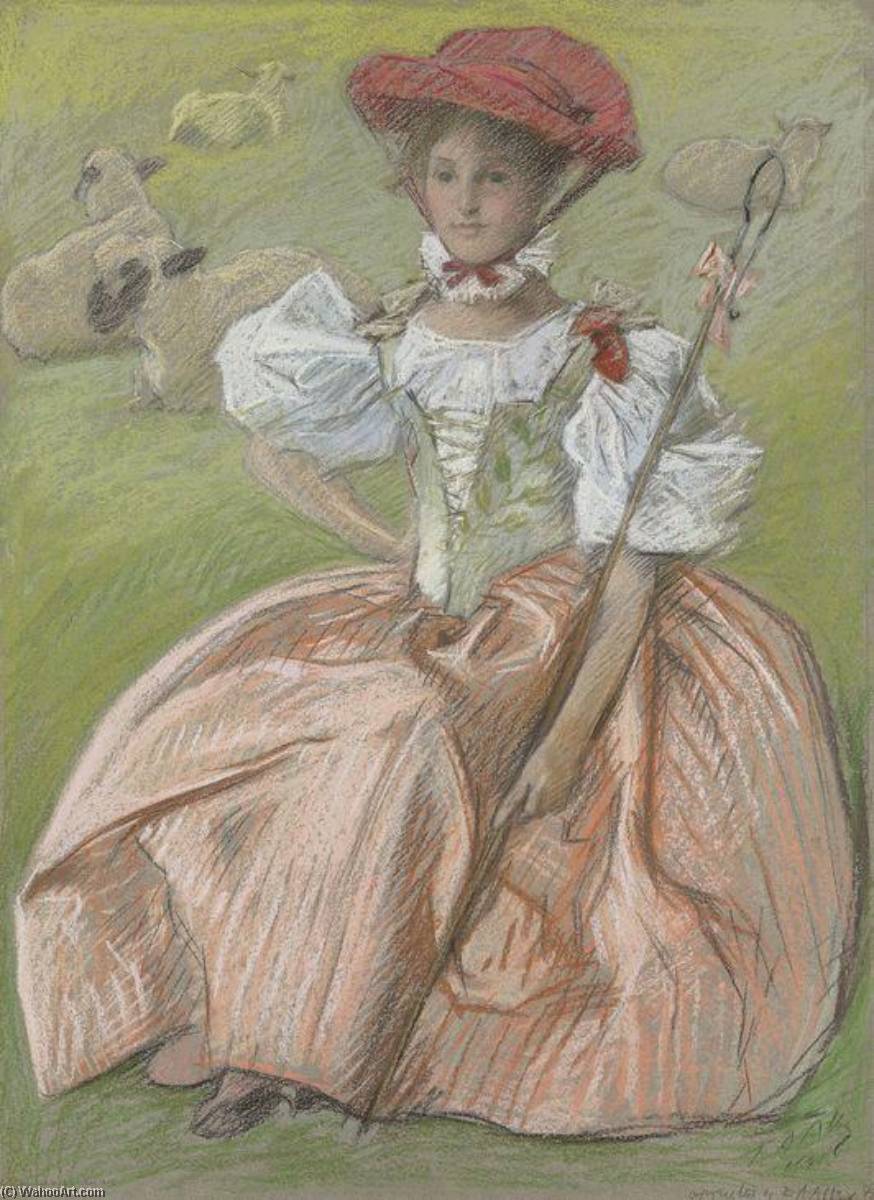
Lady in pink dress as shepherdess


 Ver más
Reproducción al óleo hecha a mano
Óleo sobre lienzo pintado a mano en el tamaño y marco de su elección, realizado por encargo por nuestros artistas. ( Comprar impresión Comprar imagen)




P118B $10

P118H $10

P118W $10

P438Z $10

P508JH $12

P508YH $12

P805H $10

P805Z $10

P919BZ $10

P919G $10

P919XJ $10

P959ZH $10

P968JZ $12

W106C $8

W218G $10

W218JH $8

W218Y $10

W307PJ $10

W316G $10

W316PJ $8

W316Y $10

W398PJ $8

W4111J $10

W500HY $15

W500JH $15

W692G $12

W849H $8

W940BG $15

W953PJ $8




Elija entre nuestros tamaños predefinidos que respetan las proporciones originales de la obra.

Puede ingresar sus propias dimensiones para adaptarse a un marco o espacio específico. Si el tamaño seleccionado no coincide con las proporciones de la imagen original, recortaremos la obra o extenderemos la pintura con elementos adicionales pintados a mano. Se le enviará una maqueta digital para su aprobación antes de comenzar la producción.
Tenga en cuenta que la vista previa en pantalla no refleja el recorte o la extensión reales. Solo la maqueta mostrará con precisión la composición final.
Si bien existen tamaños personalizados, recomendamos seleccionar una dimensión de la lista predefinida para preservar las proporciones originales.
Tras realizar el pedido, el equipo de ArtsDot.com enviará un correo electrónico al cliente para solicitar instrucciones y proporcionarle una vista previa del boceto.
Envío a todo el mundo () en 3-4 semanas en lugar de las 5 semanas estándar. (28 agosto). Sin comprometer la calidad.

Envío exprés gratuito a todo el mundo

Lienzo de lino de alta calidad

Seguro de envío total

Garantía de reembolso de impuestos aduaneros

Garantía de fidelidad cromática exacta

Política de devolución de 60 días (solo por defectos)

Garantía de devolución del 100% del dinero

Descuento por cantidad
 La opción de vidrio solo está disponible en tamaños inferiores a 110 cm.

Lady in pink dress as shepherdess
Técnica de reproducción
Dimensiones de la reproducción
-


Precio total final
$ 263
A Moment of Delicate Intrigue: Edwin Austin Abbey’s “Lady in Pink Dress as Shepherdess”
Edwin Austin Abbey's "Lady in Pink Dress as Shepherdess," painted in 1895, isn’t merely a depiction of a woman enjoying the pastoral beauty of the countryside; it’s a carefully constructed tableau brimming with subtle narrative and evocative atmosphere. The painting immediately draws the eye to its central figure – a young woman seated gracefully on the grass, her posture suggesting both contentment and a hint of playful secrecy. Her pink dress, a vibrant splash against the muted greens and browns of the landscape, is rendered with exquisite detail, hinting at luxurious fabrics and a refined sensibility. The pose itself—crossed legs, hand resting lightly on a walking stick—is imbued with an air of quiet confidence, yet there’s also a vulnerability in her gaze that invites speculation about her thoughts and intentions.
Abbey, a master of the American illustration movement, was deeply influenced by European artistic traditions, particularly the works of Adolf Menzel and Daniel Vierge. This influence is evident in his masterful use of chiaroscuro – the dramatic interplay of light and shadow – which lends depth and richness to the scene. Notice how the sunlight dapples through the trees, creating pools of illumination that highlight the woman’s figure while leaving the surrounding landscape shrouded in a gentle haze. The composition itself is meticulously balanced, with the sheep grazing in the distance providing a sense of scale and grounding the scene within its natural context.
The Context of Victorian Illustration and Artistic Inspiration
“Lady in Pink Dress as Shepherdess” emerged during a period when illustration was rapidly evolving from mere decoration to a respected art form. Abbey, along with other American illustrators like Howard Chandler Christy, were pushing the boundaries of what was considered acceptable subject matter for commercial art, incorporating elements of classical painting and romanticism into their work. The painting’s subject matter—a young woman in a pastoral setting—was a popular theme during the Victorian era, often used to evoke feelings of nostalgia, innocence, and idealized beauty. However, Abbey's skill lies not just in replicating these themes but in imbuing them with his own artistic sensibility.
Interestingly, Abbey’s work was heavily influenced by European masters like Menzel and Vierge, who were known for their meticulous detail and dramatic use of light and shadow. Abbey studied their techniques diligently, adapting them to create a distinctly American style that blended realism with romanticism. The subtle details—the texture of the grass, the folds in the woman’s dress, the individual markings on the sheep—demonstrate Abbey's commitment to accuracy and his ability to capture the essence of his subject matter.
Symbolism and Narrative Layers
Beyond its surface beauty, “Lady in Pink Dress as Shepherdess” is rich with symbolic meaning. The pink dress itself can be interpreted as a symbol of youth, femininity, and perhaps even a touch of transgression – a vibrant color that stands out against the more subdued tones of the landscape. The walking stick suggests both practicality and a hint of authority, while the sheep represent innocence and vulnerability. The two figures in the background—a man standing near the left edge and another towards the right—add an element of mystery to the scene, prompting viewers to wonder about their relationship to the central figure.
The painting’s title, “Lady in Pink Dress as Shepherdess,” further reinforces this sense of narrative complexity. The shepherdess archetype is a recurring motif in art and literature, often representing a connection to nature, a role of caretaking, and a certain degree of solitude. Abbey cleverly combines these traditional associations with the image of a young woman enjoying a moment of leisure, creating a scene that is both familiar and subtly unsettling.
A Timeless Masterpiece: Reproduction and Artistic Legacy
Edwin Austin Abbey’s “Lady in Pink Dress as Shepherdess” remains a captivating work of art, admired for its technical skill, evocative atmosphere, and subtle narrative layers. Reproductions offer an accessible way to experience the beauty and artistry of this iconic painting, bringing its delicate charm into your home or office space. When selecting a reproduction, consider the quality of materials used – a fine-art print on archival paper will ensure that the colors remain vibrant for years to come. This piece is more than just a pretty picture; it’s a window into Victorian society, a testament to Abbey's artistic talent, and a reminder of the enduring power of art to evoke emotion and inspire contemplation.
Obras relacionadas
Biografía del artista
Edwin Austin Abbey: Una Vida en la Ilustración y el Arte Mural
- Nacido: 1 de abril de 1852, Filadelfia, Estados Unidos de América
- Fallecido: 1 de agosto de 1911
Primeros Años y Formación Artística
La trayectoria de Edwin Austin Abbey comenzó en Filadelfia, donde nació hijo de William Maxwell Abbey, un corredor comercial. Su primera educación artística tuvo lugar en la Academia de Bellas Artes de Pensilvania bajo la tutela de Christian Schussele. Esta formación fundamental le proporcionó una sólida base técnica para sus futuros proyectos. Inicialmente, Abbey persiguió una carrera como ilustrador, ganando rápidamente reconocimiento por su trabajo en revistas destacadas como *Harper's Weekly* y *Scribner’s Magazine*. Sus primeras ilustraciones estuvieron notablemente influenciadas por el arte blanco y negro de maestros franceses y alemanes como Adolf Menzel y Daniel Vierge, junto con artistas ingleses. Esta exposición moldeó su estilo distintivo y enfoque compositivo.Carrera Ilustrativa y Asociaciones Literarias
La carrera de Abbey floreció durante la "edad dorada" de la ilustración. Se hizo famoso por su capacidad para capturar escenas de obras de teatro shakesperianas y literatura victoriana con un detalle notable y una atmósfera evocadora. Sus ilustraciones adornaron numerosas publicaciones, incluidas ediciones de *Cuentos de Navidad* de Charles Dickens (1875), selecciones de la poesía de Robert Herrick (1882) y *Ella se inclina para conquistar* de Oliver Goldsmith (1887). En 1878, se trasladó a Inglaterra por petición de sus empleadores para reunir material para ilustraciones de los poemas de Robert Herrick. Se estableció permanentemente en Inglaterra en 1883, consolidando su presencia dentro de la comunidad artística británica. Un logro significativo fue el conjunto de cuatro volúmenes de *Las comedias de Shakespeare* publicado por Harper & Brothers en 1896, que mostraba su dominio tanto de la narración como del relato visual.Muralista y Reconocimiento Real
Más allá de la ilustración, Abbey logró un considerable reconocimiento como muralista. Su obra más celebrada es la serie de murales que adornan la Biblioteca Central de Boston, titulada *La Búsqueda y Logro del Santo Grial*. Estas pinturas a gran escala demuestran su habilidad en composición, color y representación narrativa. El talento de Abbey fue reconocido internacionalmente; recibió una medalla de oro en la Exposición Panamericana y se le encargó pintar la coronación del rey Eduardo VII, un honor prestigioso que refleja su posición artística. En 1898, fue elegido miembro titular de la Royal Academy, lo que consolidó aún más su reputación en el mundo del arte.Estilo, Legado y Significado Histórico
El estilo de Edwin Austin Abbey se caracteriza por su magistral uso del *claroscuro*, el dibujo y la composición. Los críticos alabaron con frecuencia su "ineagotable creatividad", su "claridad y vividez de concepción" y su "percepción poética de la belleza". Desempeñó un papel vital en cerrar la brecha entre la ilustración y las bellas artes, elevando el estatus de los ilustradores durante una época en que a menudo se subestimaba su trabajo. Sus murales siguen siendo ejemplos significativos del arte estadounidense de finales del siglo XIX, demostrando su capacidad para sintetizar temas literarios con grandeza visual. La influencia de Abbey puede verse en generaciones posteriores de artistas que buscaron combinar la narración con la excelencia artística.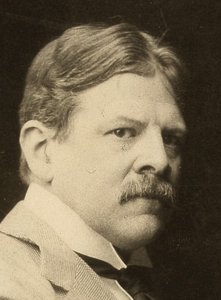
Edwin Austin Abbey
1852 - 1911 , Estados Unidos de América
Datos clave
- Artistas Que Influyeron:
- Adolf Menzel
- Daniel Vierge
- Fecha De Fallecimiento: 1 de agosto de 1911
- Fecha De Nacimiento: 1 de abril de 1852
- Lugar De Nacimiento: Filadelfia, EE. UU.
- Movimiento Artístico: Ilustración y Muralismo
- Nacionalidad: Estadounidense
- Nombre Completo: Edwin Austin Abbey
- Obras Notables:
- La Búsqueda del Grial
- El Mal Ojo
- Una Vieja Canción
- Los Visitantes
- El Jongleur
Artículos relacionados
Los 10 Cuadros Más Famosos en Tonos Rosa Pastel: Arte y Decoración
Descubre los 10 cuadros más icónicos en tonos rosa pastel. Explora la historia de Monet, Renoir y otros maestros del impresionismo y el arte moderno. Encuentra reproducciones de alta calidad para decorar tu hogar con .
Sir Edwin Landseer: Sentiment, Society & the Victorian Animalier Tradition
Explore the life & art of Sir Edwin Landseer, Victorian Britain's foremost animal painter. Discover his iconic works, societal impact, and collecting guide at ArtsDot.
Thomas Edwin Mostyn: A Victorian Genre Painter's Journey from Realism to Romantic Enchantment
Discover the captivating world of Thomas Edwin Mostyn (1864-1930), a Victorian artist renowned for his romantic garden scenes and evocative portraits. Explore his artistic journey, legacy & find high-quality reproductions at ArtsDot.
Edwin Deakin: A Victorian Topographer's Vision of Landscape, Industry & Social Change
Explore the captivating world of Edwin Deakin, a Victorian artist who masterfully captured California's landscapes, Spanish missions & Chinatown. Discover his legacy and influence on art history.
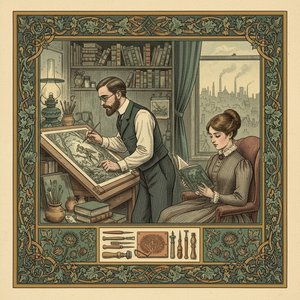
La Estética Refinada de la Ilustración Victoriana: Narrativa y Técnica en el Arte del Siglo XIX
Descubra la estética refinada de la ilustración victoriana y el impacto revolucionario de los Prerrafaelitas. Análisis profundo de técnicas, narrativa y simbolismo en el arte del siglo XIX.

