

 Ver en contexto
 Enviar
 Compartir
 Detalles

 Descargar
 Similares
 Radiografía
 Presentación de diapositivas
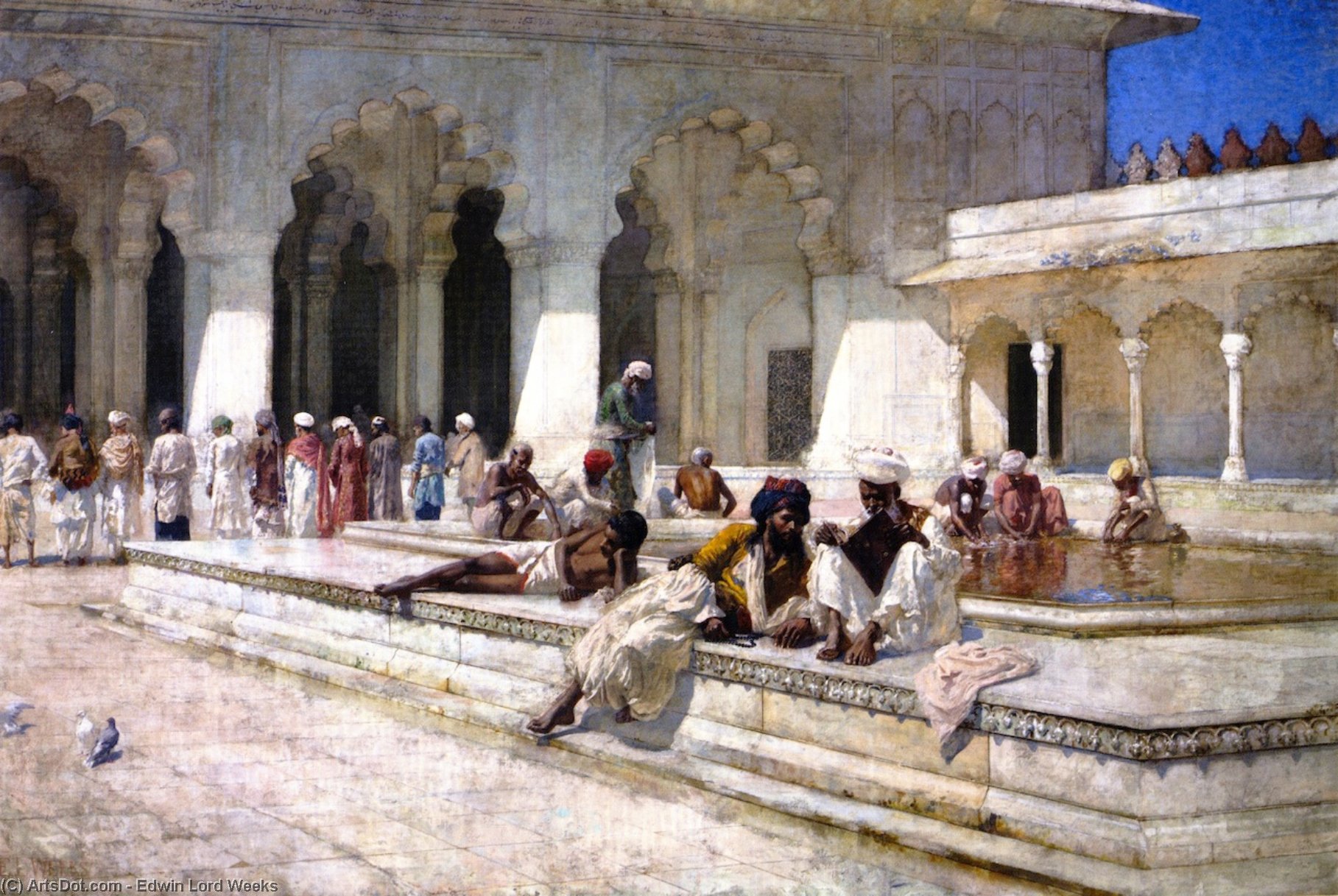
The Hour of Prayer at Moti Mushid (The Pearl Mosque), Agra


 Ver más
Giclée / Impresión de arte
Impresiones giclée o en lienzo de calidad de museo con producción rápida y opciones de acabado flexibles. ( Comprar pintura hecha a mano Comprar imagen)




P118B $10

P118H $10

P118W $10

P438Z $10

P508JH $12

P508YH $12

P805H $10

P805Z $10

P919BZ $10

P919G $10

P919XJ $10

P959ZH $10

P968JZ $12

W106C $8

W218G $10

W218JH $8

W218Y $10

W307PJ $10

W316G $10

W316PJ $8

W316Y $10

W398PJ $8

W4111J $10

W500HY $15

W500JH $15

W692G $12

W849H $8

W940BG $15

W953PJ $8




Elija entre nuestros tamaños predefinidos que respetan las proporciones originales de la obra.

Puede introducir sus propias dimensiones para adaptarse a un marco o espacio específico. Si el tamaño seleccionado no coincide con las proporciones de la imagen original, recortaremos la obra de arte o extenderemos la imagen con un borde con efecto espejo o de color sólido. Se enviará una maqueta digital para su aprobación antes de que comience la producción.
Tenga en cuenta que la vista previa en pantalla no refleja el recorte o la extensión real. Solo la maqueta mostrará con precisión la composición final.
Aunque existen tamaños personalizados, recomendamos seleccionar una dimensión de la lista predefinida para preservar las proporciones originales.
Envío a todo el mundo () en 2 semanas en lugar de las 4/5 semanas estándar. (3 septiembre)

Envío exprés gratuito a todo el mundo

Lienzo de lino de alta calidad

Seguro de envío total

Garantía de reembolso de impuestos aduaneros

Garantía de fidelidad cromática exacta

Política de devolución de 60 días (solo por defectos)

Garantía de devolución del 100% del dinero

Descuento por cantidad
 La opción de vidrio solo está disponible en tamaños inferiores a 110 cm.

The Hour of Prayer at Moti Mushid (The Pearl Mosque), Agra
Giclée / Impresión de arte
Dimensiones de la reproducción
-


Precio total final
$ 62
A Moment Frozen in Time: Edwin Lord Weeks' Reverie at Moti Mushid
The Hour of Prayer at Moti Mushid (The Pearl Mosque), Agra, painted by American artist Edwin Lord Weeks in 1888, transcends mere depiction; it embodies a profound connection to Eastern spirituality and artistic mastery. Now residing within the Virginia Museum of Fine Arts’ impressive collection of American Art, this monumental canvas offers viewers an unparalleled glimpse into the Victorian fascination with Orientalism – a movement that sought to capture exotic landscapes and cultures through idealized representations. Weeks' ambition wasn't simply to record what he saw; it was to distill the essence of faith and community within the serene confines of India’s most revered mosque.The Artist's Vision: Weeks and Orientalist Art
Edwin Lord Weeks (1849-1903) emerged as a prominent figure in late 19th-century American art, largely thanks to his unwavering dedication to exploring distant lands and translating their beauty onto canvas. Influenced by luminaries like Jean-Léon Gérôme and Gustave Dore, Weeks embraced the Orientalist style—characterized by lush colors, meticulous detail, and narratives rooted in Middle Eastern folklore and religious traditions. Unlike many of his contemporaries who prioritized spectacle, Weeks possessed a remarkable sensitivity to capturing subtle emotions and conveying spiritual contemplation. His travels throughout Persia, Egypt, and India fueled his artistic imagination and cemented his reputation as America’s foremost Orientalist painter.A Symphony of Color and Composition
Weeks' technique is immediately striking—a masterful blend of realism and expressive brushwork. He employed oil paints on canvas with exceptional precision, layering pigments to achieve luminous hues that capture the diffused light filtering through the mosque’s arched windows. Diagonal lines dominate the composition, guiding the eye across the scene and creating a dynamic sense of movement despite the stillness of prayer. The artist skillfully utilizes perspective to convey depth, emphasizing the grandeur of the building and highlighting the figures gathered before it. Vibrant reds, golds, and blues—colors traditionally associated with piety and royalty—are interwoven throughout the painting, reinforcing its symbolic significance.Symbolism Within Serenity: Capturing the Spirit of Prayer
The scene depicts a congregation of men kneeling in prayer at Moti Mushid, Agra’s iconic Pearl Mosque. The mosque itself stands as a testament to Mughal architectural prowess, symbolizing power and divine grace. Weeks' depiction isn't merely visual; it aims to evoke a feeling of reverence and tranquility. The figures are rendered with careful attention to anatomical accuracy, yet imbued with an aura of solemn contemplation—a reflection of the spiritual devotion central to Islamic faith. Furthermore, the inclusion of handbags adds a subtle element of everyday life juxtaposed against the sacred ritual, prompting viewers to consider the intersection between spirituality and human experience.A Legacy Enduring Through Reproduction
The Virginia Museum of Fine Arts recognizes Weeks’ contribution to American Art history. You can delve deeper into this masterpiece's story at ArtsDot.com and Wikipedia. If you aspire to own a stunning reproduction of “The Hour of Prayer at Moti Mushid,” ArtsDot.com offers exceptional handcrafted oil paintings that faithfully recreate Weeks’ vision, allowing you to experience the beauty and serenity of this unforgettable artwork firsthand.Obras relacionadas

Biografía del artista
Una vida de exploración artística
Edwin Lord Weeks, un artista estadounidense, dejó una huella indeleble en el mundo del arte con sus cautivadoras obras. Nacido en 1849 en Boston, Massachusetts, Weeks’s life fue un testimonio de la prosperidad de su familia, lo que le permitió perseguir su pasión por la pintura y los viajes. Como joven, Weeks visitó las Florida Keys para dibujar, solidificando aún más sus bases artísticas. Sus primeras pinturas conocidas datan de 1867, cuando tenía dieciocho años. Notablemente, no fue hasta su Landscape with Blue Heron, fechada en 1871 y pintada en los Everglades, que Weeks comenzó a exhibir una destreza técnica y un ojo para la composición.Formación y desarrollo artístico
En 1872, Weeks se trasladó a París, convirtiéndose en alumno de Léon Bonnat y Jean-Léon Gérôme. Esto marcó el comienzo de su surgimiento como uno de los principales pintores de temas orientalistas de Estados Unidos. A lo largo de su vida adulta, fue un viajero incansable, viajando a Sudamérica (1869), Egipto y Persia (1870), Marruecos (frecuentemente entre 1872 y 1878) e India (1882–83).Obras destacadas y publicaciones
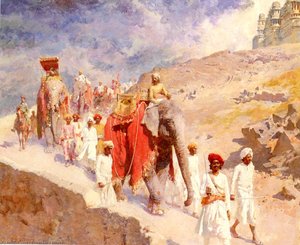
Algunas de las obras más notables de Weeks incluyen:- A Maratha, leaving for hunting from Gwalior Fort
- Maratha King of Gwalior at his Palace
- An Open-Air Restaurant Near Wazir Khan Mosque, Lahore
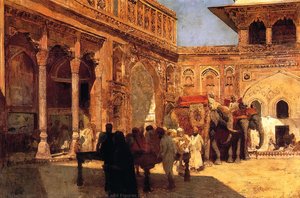
- Royal Elephant at the Gateway to the Jama Masjid, Mathura
Reconocimientos y legado
Weeks obtuvo numerosos reconocimientos, incluyendo una medalla de honor en 1884, una tercera clase de medalla en 1889, una medalla de oro en la Exposición Internacional de 1889 y la Legión de Honor en 1896. También fue miembro de la Légion d'honneur, Francia, oficial de la Orden de San Miguel (Baviera) y miembro de la Secesión de Múnich. Su obra contribuyó significativamente al movimiento orientalista, capturando con detalle y realismo las escenas y culturas del Oriente. Weeks es recordado como un pionero en la representación artística de India y otras regiones asiáticas para el público occidental.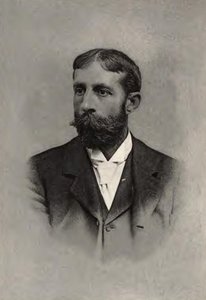
Edwin Lord Weeks
1849 - 1903 , Estados Unidos de América
Datos clave
- Artistas Que Influyeron:
- Léon Bonnat
- Jean-Léon Gérôme
- Movimiento Artístico: Orientalismo
- Nacionalidad: Estadounidense
- Nombre Completo: Edwin Lord Weeks
- Obras Notables:
- Un maratha saliendo a cazar
- Rey maratha de Gwalior
- Restaurante al aire libre
- Elefante real en Mathura
Artículos relacionados
Raja Ravi Varma: Bridging Tradition & Modernity in 19th-Century Indian Art
Explore the life & art of Raja Ravi Varma, a pioneer who fused European techniques with Indian iconography. Discover his iconic paintings, lasting legacy, and influence on modern Indian art at ArtsDot.
El Siglo XIX en el Arte: 10 Obras Maestras para Decorar con Historia y Estilo
Descubre 10 obras maestras del siglo XIX: Monet, Goya y más. Explora el impresionismo, realismo y romanticismo que definieron una época. Encuentra reproducciones de arte exclusivas para decorar tu hogar con estilo en ArtsDot.com.
Harper's Weekly & the Anonymous Hand: Artistic Identity in 19th-Century America
Explore the fascinating world of Harper's Weekly & its often-anonymous artists! Discover Winslow Homer, Thomas Nast, and the impact of 19th-century illustration on American visual culture. A deep dive for art history enthusiasts.
Entrega Global en 3-4 Semanas: Obras de Óleo y Reproducciones con Marco o Sin Marco – Menos que las 5 Semanas Habituales
Descubra la entrega global de pinturas al óleo y reproducciones con marco en solo 3‑4 semanas. Con más de 20 años de experiencia, garantizamos calidad artesanal, marcos personalizados y servicio confiable para hoteles.
El Encanto de lo Exótico: Orientalismo en la Pintura del Siglo XIX y su Legado Artístico
Descubre el fascinante mundo del Orientalismo en la pintura del siglo XIX. Analizamos artistas clave, su impacto cultural y las críticas a esta representación exótica de Oriente. Un recorrido histórico con ArtsDot.

