

 Ver en contexto
 Enviar
 Compartir
 Detalles

 Descargar
 Similares
 Radiografía
 Presentación de diapositivas
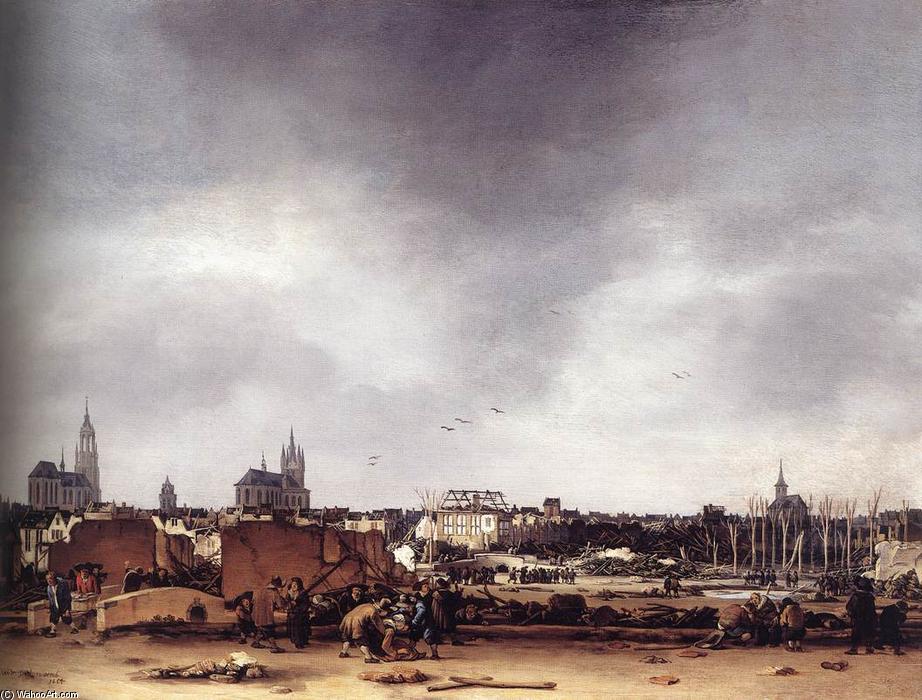
View of Delft after the Explosion of 1654
 Acrylic On Canvas
- WallArt
- Dutch Golden Age Genre
 1654
1654 36.0 x 49.0 cm
 Galería Nacional
 Ver más
Giclée / Impresión de arte
Impresiones giclée o en lienzo de calidad de museo con producción rápida y opciones de acabado flexibles. ( Comprar pintura hecha a mano Comprar imagen)




P118B $10

P118H $10

P118W $10

P438Z $10

P508JH $12

P508YH $12

P805H $10

P805Z $10

P919BZ $10

P919G $10

P919XJ $10

P959ZH $10

P968JZ $12

W106C $8

W218G $10

W218JH $8

W218Y $10

W307PJ $10

W316G $10

W316PJ $8

W316Y $10

W398PJ $8

W4111J $10

W500HY $15

W500JH $15

W692G $12

W849H $8

W940BG $15

W953PJ $8




Elija entre nuestros tamaños predefinidos que respetan las proporciones originales de la obra.

Puede introducir sus propias dimensiones para adaptarse a un marco o espacio específico. Si el tamaño seleccionado no coincide con las proporciones de la imagen original, recortaremos la obra de arte o extenderemos la imagen con un borde con efecto espejo o de color sólido. Se enviará una maqueta digital para su aprobación antes de que comience la producción.
Tenga en cuenta que la vista previa en pantalla no refleja el recorte o la extensión real. Solo la maqueta mostrará con precisión la composición final.
Aunque existen tamaños personalizados, recomendamos seleccionar una dimensión de la lista predefinida para preservar las proporciones originales.
Envío a todo el mundo () en 2 semanas en lugar de las 4/5 semanas estándar. (24 agosto)

Envío exprés gratuito a todo el mundo

Lienzo de lino de alta calidad

Seguro de envío total

Garantía de reembolso de impuestos aduaneros

Garantía de fidelidad cromática exacta

Política de devolución de 60 días (solo por defectos)

Garantía de devolución del 100% del dinero

Descuento por cantidad
 La opción de vidrio solo está disponible en tamaños inferiores a 110 cm.

View of Delft after the Explosion of 1654
Giclée / Impresión de arte
Dimensiones de la reproducción
-


Precio total final
$ 62
Descripción de la pieza
A Witness to Disaster: The Life and Art of Egbert van der Poel
Egbert van der Poel stands as a remarkable testament to the turbulent spirit of the Dutch Golden Age, an artist whose oeuvre captures not only the beauty of Delft’s cityscape but also its profound vulnerability in the face of unforeseen tragedy. Born into a family deeply rooted in craftsmanship—his father a goldsmith—Van der Poel's formative years were imbued with the values of diligence and artistic pursuit, shaping his trajectory toward becoming one of Delft’s most celebrated painters. While biographical details remain somewhat sparse, scholarly research suggests connections to influential mentors like Esaias van de Velde and Aert van der Neer, establishing a foundation for his distinctive artistic vision. Furthermore, studies with Cornelis Saftleven in Rotterdam broadened his horizons, exposing him to diverse stylistic currents prevalent during the period.- Early Influences: Van der Poel’s formative training likely encompassed explorations of landscape painting under van de Velde and atmospheric light effects with van der Neer—techniques that would permeate his subsequent works.
- Guild Membership & Artistic Practice: Registered with the Guild of St Luke in Delft in 1650, Van der Poel diligently honed his skills as a genre painter, specializing in scenes depicting everyday life within Delft’s bustling environment.
The Delft Explosion and Its Representation
The Delft Explosion of 1654 irrevocably altered the fabric of Delft society—and profoundly impacted Van der Poel's artistic output. This catastrophic event, triggered by a fire originating in Nieuwe Kerk (New Church), resulted in widespread devastation across the city’s architectural landscape. Amidst the rubble and ruin, Van der Poel responded with an unparalleled sensitivity to capturing not merely the physical destruction but also its psychological resonance—a feat achieved through masterful observation and artistic execution. His paintings serve as poignant records of this pivotal moment in Delft's history, conveying both the immediacy of the disaster and its enduring legacy.- Composition & Perspective: Van der Poel’s compositions prioritize a carefully considered perspective—drawing inspiration from Baroque principles—to convey depth and realism while simultaneously emphasizing the scale of the devastation.
- Color Palette & Light Effects: Employing muted tones predominantly, Van der Poel skillfully utilizes light and shadow to heighten emotional impact—creating dramatic contrasts that underscore the solemn mood of the scenes depicted.
Symbolism Within Delft’s Ruined Landscape
Beyond mere documentation, Van der Poel's paintings are laden with symbolic significance—reflecting broader anxieties surrounding mortality and resilience within the context of the Dutch Golden Age. The scattered figures amidst the rubble represent humanity grappling with loss and confronting the fragility of existence—a theme underscored by the inclusion of birds soaring above the ruined buildings—symbolizing hope persisting despite overwhelming adversity. Furthermore, the depiction of damaged churches serves as a reminder of Delft’s spiritual heritage—challenged yet steadfast in its faith amid the devastation wrought by the explosion.Emotional Impact and Artistic Legacy
“View of Delft after the Explosion of 1654” transcends mere visual representation—it embodies an enduring emotional response to historical trauma. Van der Poel's ability to convey both the horror of destruction and the quiet dignity of human perseverance secures his place as one of Delft’s most poignant artists—a figure whose work continues to inspire contemplation and admiration decades after its creation. His meticulous brushwork, combined with a profound understanding of artistic technique, elevates his paintings beyond mere depictions of events—transforming them into timeless expressions of human experience.- Technique: Van der Poel’s distinctive style is characterized by detailed brushstrokes and precise rendering—capturing the texture of rubble and debris with remarkable accuracy.
Size & Date:
36 x 49 cm; 1654
Obras relacionadas
Biografía del artista
Egbert van der Poel: Vida y Legado
Primeros Años y Familia
Egbert van der Poel nació en Delft, Países Bajos, en 1621. Provenía de una familia de artesanos; su padre era joyero en Delft. Hay pocos detalles sobre sus primeros años, pero se sabe que pudo haber sido alumno de Esaias van de Velde y Aert van der Neer. Los registros también sugieren una conexión con el pintor Adriaen Lievensz van der Poel, considerado su hermano, y estudios bajo Cornelis Saftleven en Rotterdam.
Desarrollo Artístico e Influencias
El desarrollo artístico de Van der Poel fue moldeado por los estilos predominantes de la Edad de Oro holandesa. Inicialmente se centró en la pintura de paisajes, pero también destacó en escenas de género, representando la vida cotidiana con un agudo ojo para el detalle. Su obra muestra influencias de sus posibles maestros: los paisajes de Van de Velde y los efectos atmosféricos de Van Neer están sutilmente presentes en su estilo. La influencia de Saftleven probablemente contribuyó a sus composiciones dinámicas.
Carrera y Afiliación a la Guilda
En 1650, Egbert van der Poel se registró con la Guilda de San Lucas en Delft como pintor de paisajes. Esto marcó un reconocimiento formal de su profesión. En 1651, se casó con Aeltgen Willems van Linschooten en Maassluis, cerca de Rotterdam. Él y su esposa tuvieron un hijo y tres hijas.
Obras Maestras y Temas
Las obras más famosas de Van der Poel se centran en la devastadora explosión del almacén de pólvora de Delft del 12 de octubre de 1654 y sus consecuencias. Él y su esposa vivían en el área en ese momento, lo que le permitió presenciar y documentar el evento de primera mano. Estas obras son particularmente notables por su representación dramática del caos y la destrucción, ofreciendo un conmovedor registro histórico.
- La Explosión del Almacén de Pólvora: Tal vez su obra más icónica, que retrata vívidamente las consecuencias inmediatas del desastre.
- Escena del Corral: Demuestra su habilidad en la pintura de género y captura la vida rural cotidiana.
- Fuego en un Pueblo: Otro ejemplo de su interés en representar eventos dramáticos y escenas de destrucción.
Estilo Artístico y Técnicas
El estilo de Van der Poel se caracteriza por representaciones realistas, atención al detalle y una paleta de colores apagados. Utilizó hábilmente la luz y la sombra para crear profundidad y atmósfera en sus paisajes y escenas de género. Sus composiciones a menudo presentan arreglos dinámicos de figuras y objetos, contribuyendo a la sensación general de drama.
Significado Histórico
El significado histórico de Egbert van der Poel reside principalmente en su documentación de la explosión del almacén de pólvora de Delft. Estas pinturas sirven como valiosos registros visuales de un evento crucial en la historia holandesa. Si bien no es tan celebrado como algunos de sus contemporáneos, el trabajo de Van der Poel ofrece información sobre la vida y las prácticas artísticas del siglo XVII. Su capacidad para capturar tanto la grandeza de los paisajes como la inmediatez de los eventos dramáticos consolida su lugar dentro de la Edad de Oro holandesa.
Muerte y Legado
Egbert van der Poel murió en Rotterdam en 1664. Aunque no fue un artista prolífico, sus obras sobrevivientes siguen siendo apreciadas por su valor histórico y mérito artístico. Sus pinturas ofrecen una visión del mundo de la Edad de Oro holandesa, capturando tanto su belleza como sus tragedias.
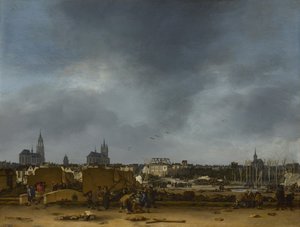
Egbert van der Poel
1621 - 1664 , Países Bajos
Datos clave
- Artistic Movement Or Style: Dutch Golden Age
- Artists Who Influenced This Artist:
- Esaias van de Velde
- Aert van der Neer
- Cornelis Saftleven
- Date Of Birth: 1621 Delft Netherlands
- Date Of Death: 1664 Rotterdam Netherlands
- Full Name: Egbert van der Poel
- Nationality: Dutch
- Notable Artworks:
- The Explosion of the Delft Magazine
- Barnyard Scene
- Fire in a Village
- Place Of Birth: Delft Netherlands
Artículos relacionados

Los 10 Maestros del Siglo de Oro Holandés: Arte, Historia y Decoración Exclusiva
Descubre los 10 imprescindibles del Siglo de Oro Holandés: Rembrandt, Vermeer y más. Explora la historia, técnica y belleza de estos lienzos clásicos. Encuentra reproducciones de arte exclusivas para decorar tu hogar en .

Rembrandt van Rijn: Las 25 Obras Maestras que Definen un Genio | Arte, Historia y Decoración
Descubre las 25 obras maestras de Rembrandt van Rijn, el genio del barroco holandés. Explora su historia, técnica y simbolismo en retratos icónicos como 'La Ronda Nocturna'. Encuentra reproducciones de arte exclusivas para decorar tu hogar con ArtsDot.com.

Reflejos de una Época Dorada: La Pintura Barroca Holandesa y la Innovación Cultural
Descubra la riqueza y el detalle de la pintura barroca holandesa del Siglo de Oro. Explore las obras maestras de Rembrandt, Vermeer y otros artistas clave. Análisis experto e historia cultural.

La Luz y la República: Innovación Artística en el Siglo de Oro Neerlandés
Descubra la innovación artística del Siglo de Oro Neerlandés. Explore las obras maestras de Rembrandt y Vermeer, técnicas revolucionarias y el legado perdurable de este florecimiento cultural. ¡Sumérjase en la luz y la belleza!
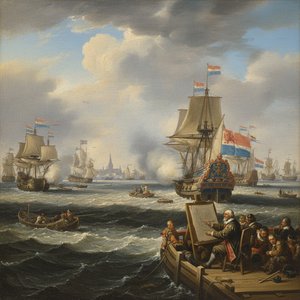
Willem van de Velde the Elder: Master of Maritime Painting & Chronicler of the Dutch Golden Age
Discover the captivating maritime paintings of Willem van de Velde the Elder, a master chronicler of the Dutch Golden Age. Explore his unparalleled realism and lasting influence on naval art history.

