 Ver en contexto
 Enviar
 Compartir
 Detalles

 Descargar
 Similares
 Radiografía
 Presentación de diapositivas
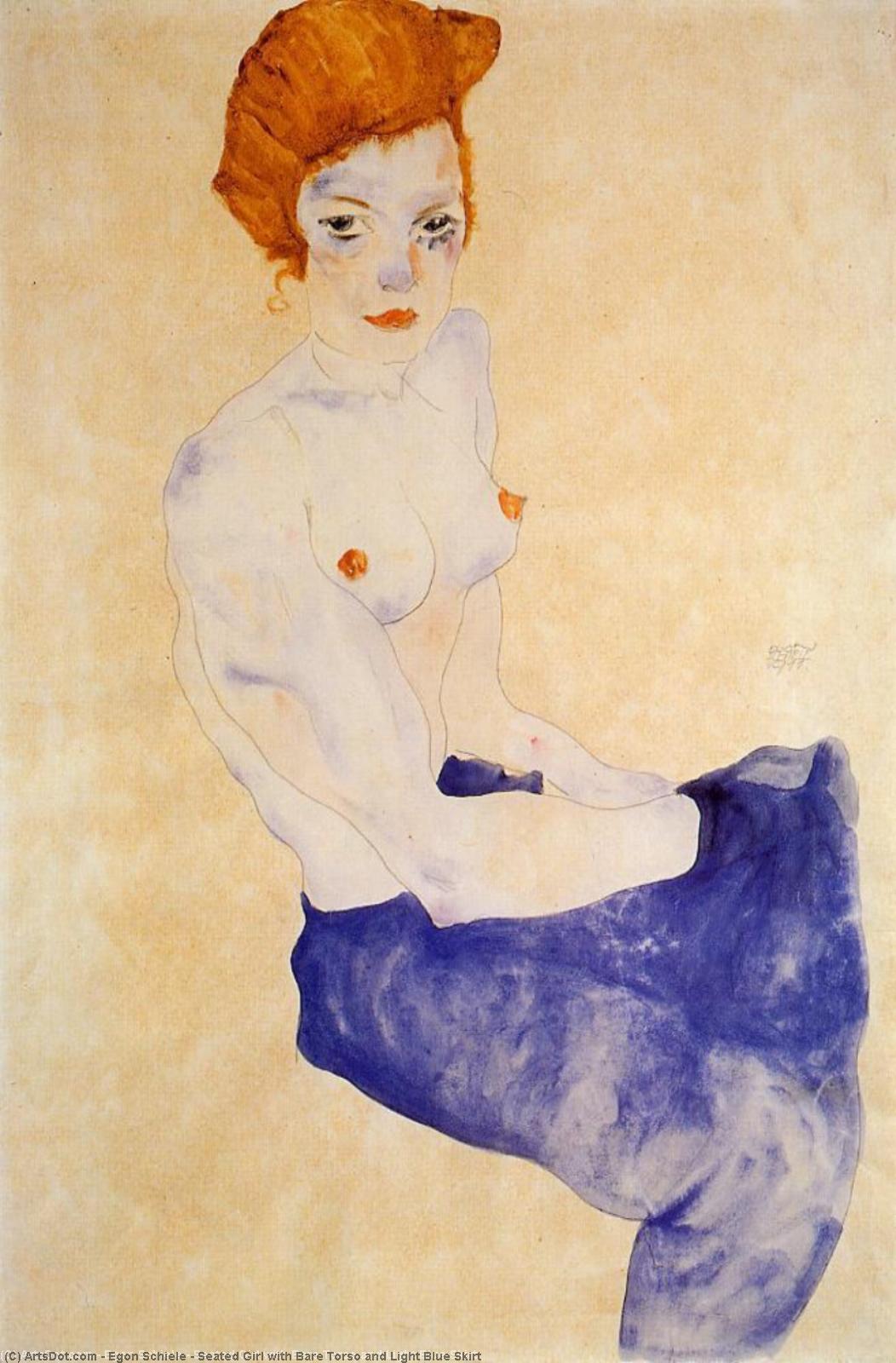
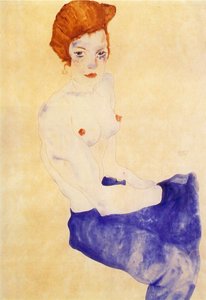
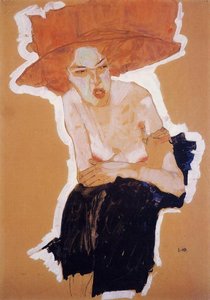
Chica sentada con torso desnudo y falda azul claro


 Ver más
Giclée / Impresión de arte
Impresiones giclée o en lienzo de calidad de museo con producción rápida y opciones de acabado flexibles. ( Comprar pintura hecha a mano Comprar imagen)




P118B $10

P118H $10

P118W $10

P438Z $10

P508JH $12

P508YH $12

P805H $10

P805Z $10

P919BZ $10

P919G $10

P919XJ $10

P959ZH $10

P968JZ $12

W106C $8

W218G $10

W218JH $8

W218Y $10

W307PJ $10

W316G $10

W316PJ $8

W316Y $10

W398PJ $8

W4111J $10

W500HY $15

W500JH $15

W692G $12

W849H $8

W940BG $15

W953PJ $8




Elija entre nuestros tamaños predefinidos que respetan las proporciones originales de la obra.

Puede introducir sus propias dimensiones para adaptarse a un marco o espacio específico. Si el tamaño seleccionado no coincide con las proporciones de la imagen original, recortaremos la obra de arte o extenderemos la imagen con un borde con efecto espejo o de color sólido. Se enviará una maqueta digital para su aprobación antes de que comience la producción.
Tenga en cuenta que la vista previa en pantalla no refleja el recorte o la extensión real. Solo la maqueta mostrará con precisión la composición final.
Aunque existen tamaños personalizados, recomendamos seleccionar una dimensión de la lista predefinida para preservar las proporciones originales.
Envío a todo el mundo () en 2 semanas en lugar de las 4/5 semanas estándar. (25 agosto)

Envío exprés gratuito a todo el mundo

Lienzo de lino de alta calidad

Seguro de envío total

Garantía de reembolso de impuestos aduaneros

Garantía de fidelidad cromática exacta

Política de devolución de 60 días (solo por defectos)

Garantía de devolución del 100% del dinero

Descuento por cantidad
 La opción de vidrio solo está disponible en tamaños inferiores a 110 cm.

Chica sentada con torso desnudo y falda azul claro
Giclée / Impresión de arte
Dimensiones de la reproducción
-


Precio total final
$ 62
Descripción de la pieza
Seated Girl with Bare Torso and Light Blue Skirt: A Study in Vulnerability and Expression
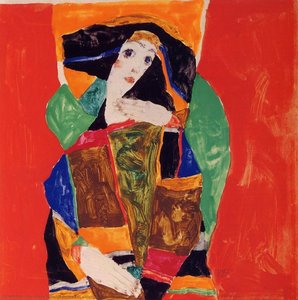
Egon Schiele’s “Seated Girl with Bare Torso and Light Blue Skirt,” painted in 1911, is a profoundly unsettling yet undeniably captivating work that embodies the artist's signature style – a raw exploration of human vulnerability, sexuality, and mortality. This intimate portrait transcends mere representation; it’s an intensely felt moment captured on canvas, radiating with a palpable sense of unease and quiet drama. The painting depicts a young woman seated in a simple chair, her torso exposed beneath a flowing light blue skirt, a stark contrast that immediately draws the viewer's attention to the delicate balance between exposure and restraint.
Schiele’s technique is characterized by his distinctive use of line – thick, agitated strokes that seem to vibrate with emotion. He employs a limited palette dominated by blues, creating an atmosphere of melancholy and introspection. The color choices aren’t merely decorative; they contribute significantly to the painting's emotional weight, evoking feelings of isolation and perhaps even a hint of foreboding. Notice how he uses subtle shifts in tone – darker shadows around the figure’s face and hands – to heighten the sense of mystery and draw us deeper into her gaze.
The Shadow of Vienna: Context and Influences
To understand “Seated Girl with Bare Torso and Light Blue Skirt,” it's crucial to consider the historical context in which Schiele was working. Vienna at the turn of the 20th century was a city grappling with rapid social change, artistic experimentation, and a pervasive sense of anxiety. The influence of Symbolism and Art Nouveau is evident in Schiele’s work, but he quickly forged his own path, pushing boundaries and challenging conventional notions of beauty. His mentor, Gustav Klimt, a prominent figure in the Vienna Secession movement, provided an initial framework, yet Schiele ultimately developed a far more personal and emotionally charged style.
Schiele’s life itself was marked by tragedy and hardship. The early death of his father, compounded by his sister Elvira's illness and subsequent demise, instilled in him a deep preoccupation with mortality – a theme that frequently surfaces in his oeuvre. This sense of impending doom is subtly woven into the fabric of this painting, contributing to its haunting quality. The subject’s posture, her averted gaze, and the overall composition all speak to a quiet awareness of vulnerability.
Symbolism and Interpretation
The symbolism within “Seated Girl with Bare Torso and Light Blue Skirt” is layered and open to interpretation. The bare torso, while undeniably suggestive, isn’t presented in a purely erotic manner. Instead, it feels like an act of exposure – a revealing of something deeply personal and perhaps even vulnerable. The light blue skirt, a delicate counterpoint to the exposed skin, could represent innocence or fragility. The chair itself is simple and unadorned, suggesting a sense of isolation and solitude.
Schiele’s self-portraits, particularly those from this period, are often interpreted as explorations of his own anxieties and insecurities. While this painting isn't explicitly a self-portrait, it shares many thematic similarities with his other works depicting himself – a willingness to confront uncomfortable truths about the human condition. The girl’s gaze is particularly arresting; it holds both sadness and defiance, inviting the viewer to contemplate her story.
A Timeless Masterpiece: Reproduction and Beyond
ArtsDot offers meticulously crafted hand-painted reproductions of “Seated Girl with Bare Torso and Light Blue Skirt,” allowing you to experience the raw emotion and artistic brilliance of this iconic work firsthand. Our skilled artists faithfully recreate Schiele’s distinctive style, capturing the nuances of his brushwork and color palette with exceptional detail. Whether for your personal collection or as a striking addition to your interior design scheme, a ArtsDot reproduction provides an authentic connection to one of the most significant figures in 20th-century art.
Consider how this painting’s themes – vulnerability, mortality, and the complexities of human emotion – resonate with contemporary audiences. “Seated Girl with Bare Torso and Light Blue Skirt” remains a powerful testament to Schiele's artistic vision and his ability to capture the essence of the human experience.
Obras relacionadas
Biografía del artista
Egon Schiele: Vida y Legado
Primeros Años e Influencias
- Nacido el 12 de junio de 1890 en Tulln an der Donau, Baja Austria, Egon Schiele experimentó una infancia moldeada tanto por la inclinación artística como por las dificultades personales.
- Su padre, Adolf Schiele, era jefe de estación, instando en el joven Egon una fascinación por los trenes – un motivo que aparecería sutilmente más tarde en su obra.
- El temprana fallecimiento de su padre a causa de sífilis cuando Schiele tenía 14 años lo impactó profundamente, llevando a su crianza por parte de su tío materno, Leopold Czihaczek.
- Czihaczek brindó apoyo pero también ejerció una influencia controladora, que contribuyó al complejo paisaje emocional reflejado en el arte de Schiele.
Trayectoria Artística y Desarrollo
- La formación artística de Schiele comenzó en la Kunstgewerbeschule (Escuela de Artes y Oficios) en Viena, pero pronto se trasladó a la Akademie der bildenden Künste (Academia de Bellas Artes).
- Pronto se sintió decepcionado con el enfoque conservador de la Academia, encontrándola sofocante para su visión expresiva. Finalmente, abandonó la formación formal.
- Las influencias tempranas incluyeron a Gustav Klimt, una figura destacada en la Sezión Vienesa, cuyo estilo decorativo y exploración del simbolismo resonaron con Schiele. Sin embargo, Schiele pronto desarrolló un estilo distintivamente individual.
- Sus primeras obras a menudo presentaban retratos y autorretratos inquietantes, caracterizados por figuras distorsionadas y una intensa emotividad.
Características y Temas Clave
- El arte de Schiele es reconocido por su honestidad cruda y profundidad psicológica. Exploró sin miedo temas de sexualidad, muerte, ansiedad e aislamiento.
- Su estilo distintivo presenta figuras alargadas, poses contorsionadas y líneas expresivas que transmiten una sensación de vulnerabilidad y tormento emocional.
- Autorretratos constituyen una parte significativa de su obra, ofreciendo atisbos íntimos en su mundo interior.
- También creó numerosos retratos de otros, a menudo representando a las personas con un realismo sin tapujos e insight psicológico.
- La pintura de paisajes jugó un papel en su trabajo, demostrando su dominio de la forma y el color, aunque fue menos central que sus obras figurativas.
Logros Importantes y Reconocimiento
- A pesar de enfrentar censura y desafíos legales (incluyendo una breve prisión por supuestamente corromper a menores con su arte), Schiele ganó reconocimiento en los círculos vanguardistas de Viena.
- Co-fundó el Neues Wiener Kunstgruppe (Nuevo Grupo de Arte Vienés) en 1909, mostrando su obra junto con otros artistas progresistas.
- Obras significativas incluyen Autorretrato con Physalis, Pareja Abraza y Paisaje de Campo (Kreuzberg cerca de Krumau).
- Para el tiempo de su prematura muerte, Schiele se había establecido como una figura destacada en el Expresionismo Austríaco.
Significado Histórico y Legado
- Egon Schiele murió en 1918 durante la pandemia de gripe española a los 28 años, truncando una prometedora carrera.
- Su obra influyó profundamente en las generaciones posteriores de artistas, particularmente aquellos interesados en explorar temas psicológicos y desafiar las normas artísticas convencionales.
- El enfoque audaz de Schiele en la forma y el tema sigue resonando con el público actual, convirtiéndolo en una de las figuras más importantes e influyentes del arte del siglo XX temprano.
- Sus pinturas se conservan ahora en importantes colecciones de museos en todo el mundo, y las reproducciones de su obra están ampliamente disponibles, asegurando que su legado artístico perdure.
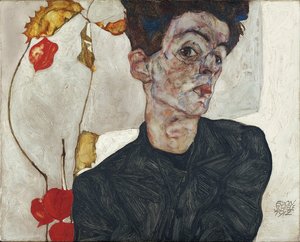
Egon Schiele
1890 - 1918 , Croacia
Datos clave
- Artistas Que Influyeron: ['Gustav Klimt']
- Fecha De Muerte: 1918
- Fecha De Nacimiento: 12 de junio de 1890
- Influenciado A Artistas: ['Generaciones posteriores']
- Lugar De Nacimiento: Viena, Croacia
- Movimiento Artístico: Expresionismo
- Nacionalidad: Austriaco
- Nombre Completo: Egon Schiele
- Obras Notables:
- Autorretrato con Physalis
- Pareja Abraza
- Paisaje de Campo (Kreuzberg)
Artículos relacionados
Egon Schiele: Las 25 Obras Maestras que Definen su Genio | ArtsDot
Descubre las 25 obras maestras de Egon Schiele, el expresionismo austriaco en su máxima expresión. Explora la historia, técnica y emociones detrás de cada pintura. Reproducciones de arte exclusivas en ArtsDot.com. ¡Explora la colección completa online!
Las 10 Obras Maestras del Azul Pizarra: Arte, Historia y Decoración
Descubre las 10 pinturas más famosas dominadas por el azul pizarra. Explora la historia, técnica y belleza de Monet, Van Gogh y otros maestros. Encuentra reproducciones de arte exclusivas para decorar tu hogar en .
Egon Schiele: Expressionism, Anxiety & the Modern Condition – A Comprehensive Exploration
Explore the emotionally charged world of Egon Schiele (1890-1918). Discover his Expressionist masterpieces, psychological themes, and lasting impact on modern art. A comprehensive guide for collectors & enthusiasts.
The Allure of Azure: Exploring the Symbolic & Aesthetic Depths of Blue in Art History
Explore the rich history of blue in art! Discover its symbolism, from ancient pigments to modern masterpieces by Kandinsky & Seurat. Uncover the psychological impact and cultural meanings behind this captivating hue.
Expresionismo Pictórico: 10 Obras Maestras que Definieron un Movimiento Revolucionario | ArtsDot
Descubre las 10 obras maestras del expresionismo que revolucionaron el arte moderno. Explora la historia de Munch, Kirchner, Kandinsky y más. Reproducciones de alta calidad para decorar tu hogar con emoción y estilo en ArtsDot.com.