 Ver en contexto
 Enviar
 Compartir
 Detalles

 Descargar
 Similares
 Radiografía
 Presentación de diapositivas
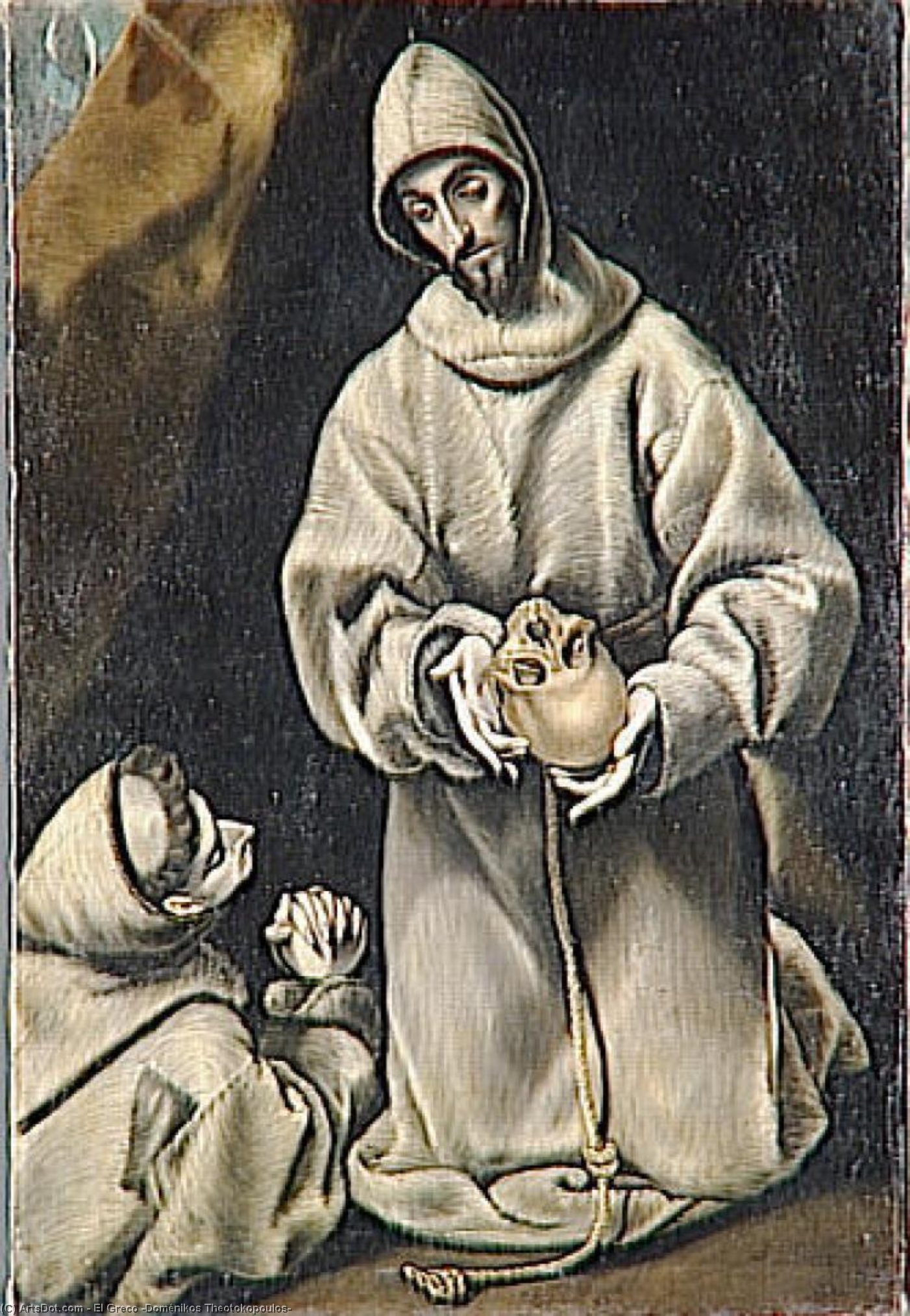
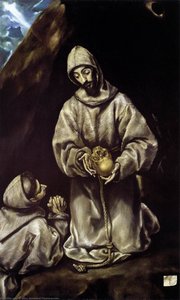
St. Francis and brother Leo meditating on death


 Ver más
Reproducción al óleo hecha a mano
Óleo sobre lienzo pintado a mano en el tamaño y marco de su elección, realizado por encargo por nuestros artistas. ( Comprar impresión Comprar imagen)




P118B $10

P118H $10

P118W $10

P438Z $10

P508JH $12

P508YH $12

P805H $10

P805Z $10

P919BZ $10

P919G $10

P919XJ $10

P959ZH $10

P968JZ $12

W106C $8

W218G $10

W218JH $8

W218Y $10

W307PJ $10

W316G $10

W316PJ $8

W316Y $10

W398PJ $8

W4111J $10

W500HY $15

W500JH $15

W692G $12

W849H $8

W940BG $15

W953PJ $8




Elija entre nuestros tamaños predefinidos que respetan las proporciones originales de la obra.

Puede ingresar sus propias dimensiones para adaptarse a un marco o espacio específico. Si el tamaño seleccionado no coincide con las proporciones de la imagen original, recortaremos la obra o extenderemos la pintura con elementos adicionales pintados a mano. Se le enviará una maqueta digital para su aprobación antes de comenzar la producción.
Tenga en cuenta que la vista previa en pantalla no refleja el recorte o la extensión reales. Solo la maqueta mostrará con precisión la composición final.
Si bien existen tamaños personalizados, recomendamos seleccionar una dimensión de la lista predefinida para preservar las proporciones originales.
Tras realizar el pedido, el equipo de ArtsDot.com enviará un correo electrónico al cliente para solicitar instrucciones y proporcionarle una vista previa del boceto.
Envío a todo el mundo () en 3-4 semanas en lugar de las 5 semanas estándar. (22 agosto). Sin comprometer la calidad.

Envío exprés gratuito a todo el mundo

Lienzo de lino de alta calidad

Seguro de envío total

Garantía de reembolso de impuestos aduaneros

Garantía de fidelidad cromática exacta

Política de devolución de 60 días (solo por defectos)

Garantía de devolución del 100% del dinero

Descuento por cantidad
 La opción de vidrio solo está disponible en tamaños inferiores a 110 cm.

St. Francis and brother Leo meditating on death
Técnica de reproducción
Dimensiones de la reproducción
-


Precio total final
$ 263
Descripción de la obra
A Profound Meditation on Mortality: El Greco’s ‘St. Francis and Brother Leo Meditating on Death’
El Greco's “St. Francis and Brother Leo Meditating on Death,” painted circa 1600, is a profoundly moving work that encapsulates the artist’s signature blend of spiritual intensity and dramatic distortion. This painting, depicting St. Francis of Assisi in deep contemplation alongside his disciple, Brother Leo, offers a visceral exploration of mortality – a theme central to both El Greco's artistic vision and the religious fervor of the period. The scene unfolds within a deliberately austere space, dominated by shadows that heighten the sense of solemnity and introspection. The figures themselves are rendered with El Greco’s characteristic elongated forms, creating an almost ethereal quality that transcends mere representation and enters the realm of spiritual experience.
The Style and Technique of a Revolutionary Master
El Greco's style was profoundly influenced by Byzantine art, particularly the iconographic traditions he encountered during his early training in Crete. However, unlike many artists who simply replicated these styles, El Greco transformed them through a highly personal lens. His use of color is notably restrained – deep blues, browns, and ochres dominate the palette – contributing to the painting’s somber mood. The application of paint is equally significant; thick impasto strokes build up texture and volume, emphasizing the physicality of the figures while simultaneously creating a sense of emotional turbulence. The elongated proportions, a hallmark of his style, are not merely stylistic flourishes but serve to amplify the spiritual weight of the scene, conveying a feeling of heightened awareness and profound contemplation. The artist’s mastery of chiaroscuro – the dramatic interplay of light and shadow – further intensifies the emotional impact, drawing the viewer's eye directly to the central figures.
Symbolism and Religious Context
The inclusion of the skull is a deliberate and potent symbol, immediately associating the scene with death and the transience of earthly existence. St. Francis’s gesture – holding the skull aloft – represents his acceptance of mortality and his focus on spiritual matters rather than material possessions. Brother Leo's presence beside him signifies the disciple's willingness to learn from the saint's example. The dark, enclosed space itself symbolizes the introspective nature of their meditation, a retreat into the realm of faith and reflection. Painted during a period of intense religious revival in Spain, particularly within the Catholic Church, this work reflects the widespread preoccupation with themes of salvation and judgment. El Greco’s interpretation aligns perfectly with the Counter-Reformation's emphasis on personal piety and direct engagement with spiritual truths.
Emotional Impact and Artistic Legacy
"St. Francis and Brother Leo Meditating on Death" is more than just a religious depiction; it’s an emotionally charged exploration of the human condition. The painting’s dramatic composition, coupled with El Greco's masterful use of light and shadow, evokes a powerful sense of unease and contemplation. It invites viewers to confront their own mortality and consider the spiritual implications of life and death. El Greco’s influence on subsequent generations of artists is undeniable, foreshadowing movements like Expressionism and paving the way for a more emotionally expressive approach to religious art. A hand-painted reproduction offers an unparalleled opportunity to experience the full force of this iconic work, bringing its profound message into any setting.
Obras relacionadas
Biografía del artista
**vida temprana y formación**
El Greco (Doménikos Theotokopoulos), un pintor, escultor y arquitecto griego reconocido, nació en 1541 en Creta, entonces bajo gobierno veneciano. Su nombre de nacimiento era Doménikos Theotokopoulos. La formación temprana de El Greco como pintor de iconos de la escuela cretense, un centro líder del arte bizantino post-byzantino, sentó las bases para sus futuras empresas artísticas.**evolución artística e influencias**
El estilo artístico de El Greco se vio moldeado por sus viajes a Venecia y Roma, donde absorbió estilos manieristas y renacentistas, influenciado notablemente por Tintoretto y Tiziano. Su traslado a Toledo, España en 1577 marcó un período de creación prolífica, resultando en obras maestras como Vista de Toledo y La apertura del quinto sello.**obras notables y estilo**
* La alegoría de la orden de los Camaldoleses (manierismo, óleo) - un testimonio de la mezcla única de El Greco entre las tradiciones bizantinas y los elementos estilísticos occidentales. * Fábulas (manierismo, óleo) – demuestra su uso de coloridos y poco comunes. * Giacomo Bosio (manierismo, óleo) – muestra la maestría de El Greco en el estilo manierista.**legado e influencia**
El estilo dramático y expresionista de El Greco, caracterizado por figuras alargadas y pigmentación fantástica, ha sido una fuente de inspiración para poetas y escritores. Se le considera un precursor del expresionismo y cubismo. Para más información sobre la vida y obra de El Greco, visite [https://ArtsDot.com/@/el-greco-(domenikos-theotokopoulos)](https://ArtsDot.com/@/el-greco-(domenikos-theotokopoulos)).- **visualice las pinturas de El Greco** en [https://ArtsDot.com/@@/85fr95-el-greco-(domenikos-theotokopoulos)-allegory-of-the-camaldolite-order](https://ArtsDot.com/@@/85fr95-el-greco-(domenikos-theotokopoulos)-allegory-of-the-camaldolite-order)
- **aprenda más sobre la vida y obra de El Greco** en [https://en.wikipedia.org/wiki/el_greco](https://en.wikipedia.org/wiki/el_greco)
- **explore el Instituto Helénico de Estudios Bizantinos y Post-Bizantinos**, que presenta una amplia gama de artefactos que reflejan la rica herencia artística del bizantismo, en /es/art/show/art-d3b8bv-es/
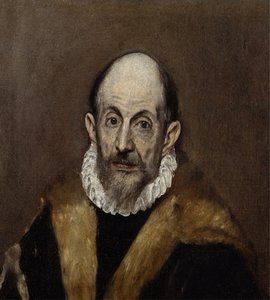
El Greco
1541 - 1614 , Grecia
Datos clave
- Artistas Que Influyeron:
- Tintoretto
- Tiziano
- Estilo Artístico: Manierismo, Renacimiento Español
- Fecha De Muerte: 1614
- Fecha De Nacimiento: 1541
- Influencia En Artistas:
- Expresionismo
- Cubismo
- Lugar De Nacimiento: Creta, Grecia
- Nacionalidad: Griego-Español
- Nombre Completo: El Greco (Doménikos Theotokópulos)
- Obras Notables:
- Vista de Toledo
- El entierro del Conde Orgaz
- Alegoría de la Orden Camaldulense
Artículos relacionados

El Greco: Las 25 Obras Maestras que Definen un Genio del Arte y la Fe
Descubre las 25 obras maestras de El Greco, el genio del Renacimiento español. Explora su arte religioso, manierismo y la historia detrás de cuadros icónicos como 'El Entierro del Conde de Orgaz'. Encuentra reproducciones de alta calidad en ArtsDot.com.
El Greco: Spirituality, Style & Innovation – A Renaissance Master's Legacy
Explore the captivating world of El Greco! Discover his unique style, spiritual intensity, and lasting impact on art history. Learn about this Renaissance master's life, iconic paintings & legacy.
Francis Bacon: Las 25 Obras Maestras del Expresionismo y su Impacto en el Arte Moderno
Explora las 25 obras maestras de Francis Bacon, el expresionismo visceral y la angustia humana. Descubre retratos icónicos, trípticos impactantes y su legado en el arte moderno. Reproducciones de museo en ArtsDot.com.
Las 25 Obras Maestras del Prado: Arte Español e Inspiración para tu Hogar
Descubre las 25 obras maestras del Museo del Prado: Velázquez, Goya, El Greco y más. Explora la historia, técnica y belleza de cada cuadro español. Encuentra reproducciones de arte exclusivas e inspira tu hogar con ArtsDot.com.
José Gutiérrez Solana: A Chronicle of Spanish Society Through Expressionist Vision
Explore the captivating world of José Gutiérrez Solana, a pivotal Spanish Expressionist painter. Discover his haunting depictions of early 20th-century Spain, influenced by Goya & El Greco. Learn about his key works and lasting legacy.