 Ver en contexto
 Enviar
 Compartir
 Detalles

 Descargar
 Similares
 Radiografía
 Presentación de diapositivas
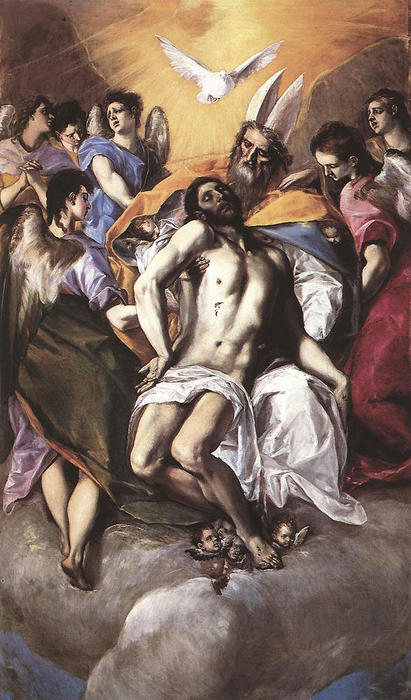
The Holy Trinity
 Oil On Canvas
- WallArt
- Baroque Dramatic Lighting
 1577
1577- Early Modern
 300.0 x 179.0 cm
 Ver más
Reproducción al óleo hecha a mano
Óleo sobre lienzo pintado a mano en el tamaño y marco de su elección, realizado por encargo por nuestros artistas. ( Comprar impresión Comprar imagen)




P118B $10

P118H $10

P118W $10

P438Z $10

P508JH $12

P508YH $12

P805H $10

P805Z $10

P919BZ $10

P919G $10

P919XJ $10

P959ZH $10

P968JZ $12

W106C $8

W218G $10

W218JH $8

W218Y $10

W307PJ $10

W316G $10

W316PJ $8

W316Y $10

W398PJ $8

W4111J $10

W500HY $15

W500JH $15

W692G $12

W849H $8

W940BG $15

W953PJ $8




Elija entre nuestros tamaños predefinidos que respetan las proporciones originales de la obra.

Puede ingresar sus propias dimensiones para adaptarse a un marco o espacio específico. Si el tamaño seleccionado no coincide con las proporciones de la imagen original, recortaremos la obra o extenderemos la pintura con elementos adicionales pintados a mano. Se le enviará una maqueta digital para su aprobación antes de comenzar la producción.
Tenga en cuenta que la vista previa en pantalla no refleja el recorte o la extensión reales. Solo la maqueta mostrará con precisión la composición final.
Si bien existen tamaños personalizados, recomendamos seleccionar una dimensión de la lista predefinida para preservar las proporciones originales.
Tras realizar el pedido, el equipo de ArtsDot.com enviará un correo electrónico al cliente para solicitar instrucciones y proporcionarle una vista previa del boceto.
Envío a todo el mundo () en 3-4 semanas en lugar de las 5 semanas estándar. (26 agosto). Sin comprometer la calidad.

Envío exprés gratuito a todo el mundo

Lienzo de lino de alta calidad

Seguro de envío total

Garantía de reembolso de impuestos aduaneros

Garantía de fidelidad cromática exacta

Política de devolución de 60 días (solo por defectos)

Garantía de devolución del 100% del dinero

Descuento por cantidad
 La opción de vidrio solo está disponible en tamaños inferiores a 110 cm.

The Holy Trinity
Técnica de reproducción
Dimensiones de la reproducción
-


Precio total final
$ 263
Descripción de la obra
A Vision of Divine Grace: Exploring El Greco’s “The Holy Trinity”
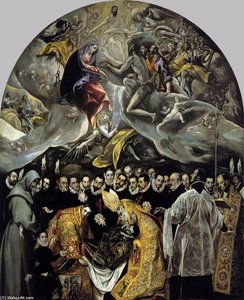
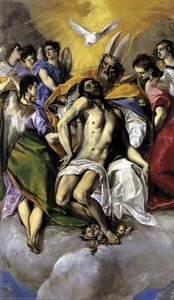
El Greco's "The Holy Trinity," completed in 1577, stands as an arresting testament to the artist’s singular vision and a cornerstone of Mannerist painting. More than just a depiction of religious iconography—though undeniably rooted in Byzantine tradition—the canvas pulsates with palpable emotion and anticipates movements that would define artistic expression centuries later. Its dramatic composition and masterful use of color immediately captivate the viewer, drawing them into a realm of spiritual contemplation.Subject Matter and Composition
The painting portrays Jesus Christ lying on the ground, his arms outstretched in an gesture of profound humility and acceptance. Above him hover three angels—a central triad symbolizing divine unity—their luminous halos casting ethereal light upon the scene. The figures are arranged with deliberate asymmetry, a hallmark of El Greco’s style, creating a dynamic tension that elevates the narrative beyond mere representation. Twelve individuals surround Jesus, representing humanity's yearning for salvation and mirroring the biblical depiction of the Magi witnessing Christ’s birth. This carefully constructed tableau isn’t simply illustrating scripture; it’s conveying an experience of transcendent beauty and spiritual revelation.Style and Technique: Mannerist Innovation
El Greco’s technique is characterized by elongated figures, distorted proportions, and a flattened perspective—elements that deliberately challenge Renaissance conventions. He achieved this expressive distortion through meticulous layering of paint, employing glazing techniques to build up translucent surfaces that shimmer with color and luminosity. The artist's masterful manipulation of light – particularly the dramatic chiaroscuro – intensifies the emotional impact of the scene, highlighting Jesus’ vulnerability and emphasizing the angels’ radiant presence. This deliberate departure from realism wasn’t a rejection of beauty; rather, it was an attempt to capture the inner spiritual reality—the divine essence—that transcends physical form.Historical Context: Toledo and Venetian Influence
Painted in Toledo, Spain, during El Greco's exile from Venice, “The Holy Trinity” reflects the anxieties and aspirations of its time. The Spanish Habsburg court commissioned numerous religious artworks to bolster papal legitimacy and solidify royal authority. However, El Greco’s work transcends political concerns, delving into profound theological themes. Venetian artistic influences—particularly the use of color palettes reminiscent of Tintoretto—can be discerned in the painting's vibrant hues, contributing to its overall grandeur and conveying a sense of otherworldly splendor.Symbolism: Divine Unity and Humanity’s Redemption
The Holy Trinity itself embodies fundamental Christian beliefs – Father, Son, and Holy Spirit – representing God as creator, redeemer, and sanctifier. The outstretched arms of Jesus symbolize humility and submission to divine will, while the angels represent heavenly grace and protection. The twelve figures surrounding Christ embody humanity's collective desire for salvation and underscore the universality of faith. El Greco’s deliberate distortions serve not merely aesthetic purposes but also convey a deeper spiritual truth: that God transcends earthly limitations and offers solace to all who seek Him.Emotional Impact: A Moment of Transcendence
“The Holy Trinity” compels viewers to confront questions of faith, mortality, and divine compassion. The painting's luminous colors and dramatic lighting evoke feelings of awe and reverence, transporting the observer into a realm beyond the everyday. It’s a work that speaks to the human yearning for spiritual connection—a reminder that beauty can reside in imperfection and that true understanding requires embracing perspectives that challenge conventional notions of reality. Its enduring power lies in its ability to inspire contemplation and reaffirm the profound significance of faith.Obras relacionadas
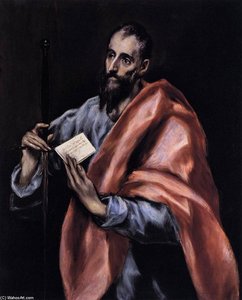
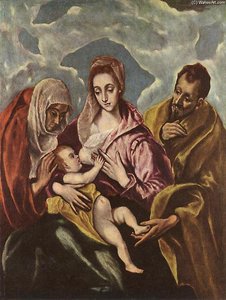
Biografía del artista
**vida temprana y formación**
El Greco (Doménikos Theotokopoulos), un pintor, escultor y arquitecto griego reconocido, nació en 1541 en Creta, entonces bajo gobierno veneciano. Su nombre de nacimiento era Doménikos Theotokopoulos. La formación temprana de El Greco como pintor de iconos de la escuela cretense, un centro líder del arte bizantino post-byzantino, sentó las bases para sus futuras empresas artísticas.**evolución artística e influencias**
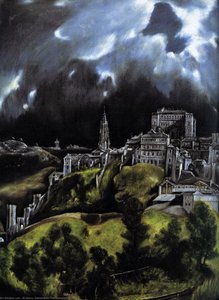
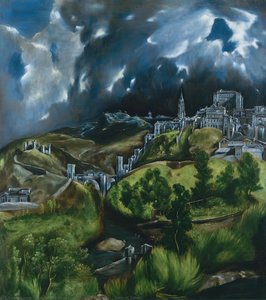
El estilo artístico de El Greco se vio moldeado por sus viajes a Venecia y Roma, donde absorbió estilos manieristas y renacentistas, influenciado notablemente por Tintoretto y Tiziano. Su traslado a Toledo, España en 1577 marcó un período de creación prolífica, resultando en obras maestras como Vista de Toledo y La apertura del quinto sello.**obras notables y estilo**
* La alegoría de la orden de los Camaldoleses (manierismo, óleo) - un testimonio de la mezcla única de El Greco entre las tradiciones bizantinas y los elementos estilísticos occidentales. * Fábulas (manierismo, óleo) – demuestra su uso de coloridos y poco comunes. * Giacomo Bosio (manierismo, óleo) – muestra la maestría de El Greco en el estilo manierista.**legado e influencia**
El estilo dramático y expresionista de El Greco, caracterizado por figuras alargadas y pigmentación fantástica, ha sido una fuente de inspiración para poetas y escritores. Se le considera un precursor del expresionismo y cubismo. Para más información sobre la vida y obra de El Greco, visite [https://ArtsDot.com/@/el-greco-(domenikos-theotokopoulos)](https://ArtsDot.com/@/el-greco-(domenikos-theotokopoulos)).- **visualice las pinturas de El Greco** en [https://ArtsDot.com/@@/85fr95-el-greco-(domenikos-theotokopoulos)-allegory-of-the-camaldolite-order](https://ArtsDot.com/@@/85fr95-el-greco-(domenikos-theotokopoulos)-allegory-of-the-camaldolite-order)
- **aprenda más sobre la vida y obra de El Greco** en [https://en.wikipedia.org/wiki/el_greco](https://en.wikipedia.org/wiki/el_greco)
- **explore el Instituto Helénico de Estudios Bizantinos y Post-Bizantinos**, que presenta una amplia gama de artefactos que reflejan la rica herencia artística del bizantismo, en /es/art/show/art-d3b8bv-es/
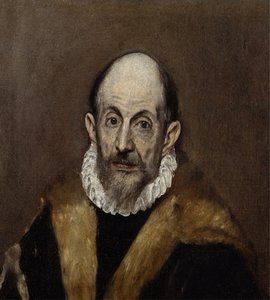
El Greco
1541 - 1614 , Grecia
Datos clave
- Artistas Que Influyeron:
- Tintoretto
- Tiziano
- Estilo Artístico: Manierismo, Renacimiento Español
- Fecha De Muerte: 1614
- Fecha De Nacimiento: 1541
- Influencia En Artistas:
- Expresionismo
- Cubismo
- Lugar De Nacimiento: Creta, Grecia
- Nacionalidad: Griego-Español
- Nombre Completo: El Greco (Doménikos Theotokópulos)
- Obras Notables:
- Vista de Toledo
- El entierro del Conde Orgaz
- Alegoría de la Orden Camaldulense
Artículos relacionados
El Greco: Las 25 Obras Maestras que Definen un Genio del Arte y la Fe
Descubre las 25 obras maestras de El Greco, el genio del Renacimiento español. Explora su arte religioso, manierismo y la historia detrás de cuadros icónicos como 'El Entierro del Conde de Orgaz'. Encuentra reproducciones de alta calidad en ArtsDot.com.
El Greco: Spirituality, Style & Innovation – A Renaissance Master's Legacy
Explore the captivating world of El Greco! Discover his unique style, spiritual intensity, and lasting impact on art history. Learn about this Renaissance master's life, iconic paintings & legacy.

Las 25 Obras Maestras del Prado: Arte Español e Inspiración para tu Hogar
Descubre las 25 obras maestras del Museo del Prado: Velázquez, Goya, El Greco y más. Explora la historia, técnica y belleza de cada cuadro español. Encuentra reproducciones de arte exclusivas e inspira tu hogar con ArtsDot.com.

The Dramatic Flourish: Exploring the Baroque Movement's Enduring Legacy in Art History
Explore the dramatic world of Baroque art! Discover iconic artists like Caravaggio & Rubens, defining techniques, and its lasting impact on art history. Expert insights for collectors & enthusiasts at ArtsDot.

Barroco Sublime: 10 Obras Maestras que Definieron una Época |
Descubre las 10 obras maestras del Barroco que marcaron una época. Caravaggio, Bernini y Velázquez cobran vida en . Reproducciones de arte de calidad museo para decorar tu hogar con elegancia. ¡Explora la colección online!