 Vista previa
 Compartir
 Compartir
 Ver detalles

 Descargar
 Ver similares
 Radiografía
 Presentación de diapositivas
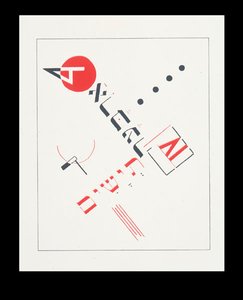
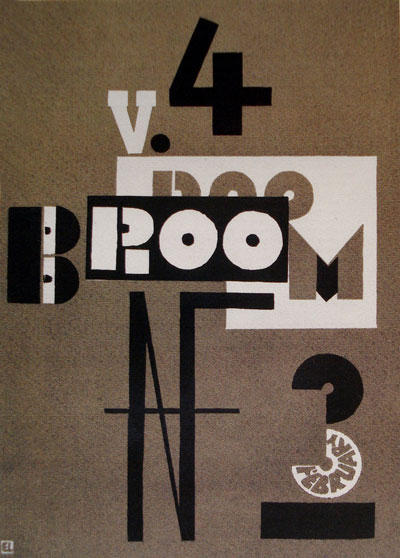
Cover of Broom


 Leer más
Giclée / Impresión de arte
Impresiones giclée o en lienzo de calidad de museo con producción rápida y opciones de acabado flexibles. ( Encargar reproducción pintada a mano Comprar descarga)




P118B $10

P118H $10

P118W $10

P438Z $10

P508JH $12

P508YH $12

P805H $10

P805Z $10

P919BZ $10

P919G $10

P919XJ $10

P959ZH $10

P968JZ $12

W106C $8

W218G $10

W218JH $8

W218Y $10

W307PJ $10

W316G $10

W316PJ $8

W316Y $10

W398PJ $8

W4111J $10

W500HY $15

W500JH $15

W692G $12

W849H $8

W940BG $15

W953PJ $8




Elija entre nuestros tamaños predefinidos que respetan las proporciones originales de la obra.

Puede introducir sus propias dimensiones para adaptarse a un marco o espacio específico. Si el tamaño seleccionado no coincide con las proporciones de la imagen original, recortaremos la obra de arte o extenderemos la imagen con un borde con efecto espejo o de color sólido. Se enviará una maqueta digital para su aprobación antes de que comience la producción.
Tenga en cuenta que la vista previa en pantalla no refleja el recorte o la extensión real. Solo la maqueta mostrará con precisión la composición final.
Aunque existen tamaños personalizados, recomendamos seleccionar una dimensión de la lista predefinida para preservar las proporciones originales.
Envío a todo el mundo () en 2 semanas en lugar de las 4/5 semanas estándar. (20 agosto)

Envío exprés gratuito a todo el mundo

Lienzo de lino de alta calidad

Seguro de envío completo

Garantía de reembolso de aranceles aduaneros

Garantía de fidelidad cromática exacta

Política de devolución de 60 días (solo por defectos)

Garantía de devolución del 100% del dinero

Oferta por volumen
 La opción de vidrio solo está disponible en tamaños inferiores a 110 cm.

Cover of Broom
Giclée / Impresión de arte
Tamaño de la reproducción
-


Precio total
$ 62
Descripción de la pieza
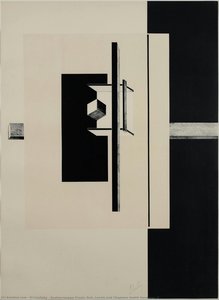
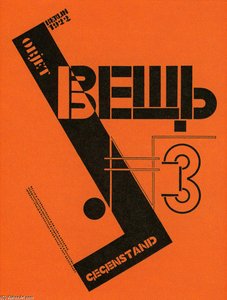
El Lissitzky’s “Cover of Broom”: A Constructivist Masterpiece
El Lissitzky's "Cover of Broom," created in 1923, is more than just an image; it’s a crystallized expression of the revolutionary spirit that defined early 20th-century constructivism. This striking lithograph, a cornerstone of Lissitzky’s oeuvre, embodies his belief in art as a tool for social transformation – a bold declaration rendered in stark black and white geometry. The artwork immediately commands attention with its dynamic composition, a carefully orchestrated arrangement of overlapping rectangular blocks, circles, and intersecting lines that seem to vibrate with energy. The prominent display of ‘Broom’ in stylized lettering isn't merely a title; it’s an integral element of the design, seamlessly integrated within the overall structure, alongside the numerical values '4', '3,' adding layers of abstraction and hinting at a functional, almost machine-like aesthetic central to constructivist ideals.
A Synthesis of Form and Function
- Style: Purely abstract, firmly rooted in the principles of Constructivism. Lissitzky’s work rejects traditional representational art, prioritizing geometric forms and their inherent relationships to create a visually powerful statement.
- Technique: Executed as a lithograph, the process involved meticulously crafted stone or metal plates, allowing for precise control over ink distribution and creating subtle tonal variations within the monochromatic palette. The photograph captures this textural richness, revealing the legacy of the printing method.
- Materials: Lithographic techniques utilizing stone or metal plates were employed to achieve the artwork’s distinctive visual qualities.
Historical Context and Symbolism
Created in 1923, “Cover of Broom” emerged during a period of immense social and political upheaval in Russia following the Bolshevik Revolution. Lissitzky was deeply involved in promoting constructivism – an artistic movement advocating for art’s role in building a new socialist society. The artwork's geometric forms and bold typography reflect this desire to create functional, aesthetically pleasing designs that would serve practical purposes. The ‘Broom’ itself can be interpreted as a symbol of sweeping away the old order, a visual metaphor for progress and renewal. The inclusion of numerical values – '4', '3' – further reinforces this idea of systematic construction and rational design.
Emotional Impact and Artistic Legacy
"Cover of Broom" resonates with a sense of forward momentum and energetic dynamism, reflecting Lissitzky’s belief in the transformative power of art. The artwork’s stark simplicity and bold geometry evoke feelings of order, precision, and optimism – qualities central to the constructivist movement. Lissitzky's influence extends far beyond Russia; his pioneering work paved the way for later movements like De Stijl and Bauhaus, solidifying his place as a pivotal figure in modern art history. This piece remains a testament to Lissitzky’s visionary approach and his enduring legacy as an artist who sought to reshape both visual culture and society itself.
Obras relacionadas
Biografía del artista
vida temprana y educación
El Lissitzky, un reconocido artista, diseñador, fotógrafo, tipógrafo, polémico y arquitecto ruso, nació el 23 de noviembre de 1890 en Pochinok, Rusia. Su vida temprana estuvo marcada por un interés innato en dibujar, lo que le llevó a recibir instrucción de Yehuda Pen, un artista judío local, a los 13 años.carrera e influencias
La carrera de Lissitzky se caracterizó por su colaboración con Kazimir Malevich en el desarrollo del suprematismo, influyendo significativamente en los movimientos Bauhaus y constructivista. Su obra, que abarcaba diversos medios, desempeñó un papel fundamental en la configuración del diseño gráfico del siglo XX.- Contribuciones clave:
- Desarrolló el grupo artístico suprematista Unovis con Kazimir Malevich
- Creó la serie Proun, una variante de la serie suprematista
- Sirvió como embajador cultural ruso a Weimar, Alemania, influyendo en las figuras clave del movimiento Bauhaus y De Stijl.
- Innovaciones:
- Tipografía
- Diseño de exposiciones
- Fotomontaje
- Diseño de libros
obras notables y legado
Algunas de las obras notables de Lissitzky incluyen:- El Constructor (1924), un fotomontaje autorretrato que presenta temas recurrentes como la mano de Dios, vinculando su herencia judía con los movimientos artísticos contemporáneos.
- Un cartel de propaganda soviético (1941), una de sus últimas obras, instando a la gente a construir más tanques para luchar contra la Alemania nazi.
museos y colecciones
La obra de Lissitzky se puede encontrar en varios museos, incluyendo:- Museo de Arte de Taganrog, Rusia /es/art/show/art-d3bb5m-es/
- Museo de Arte de Novokuznetsk, Rusia /es/art/show/art-d3akex-es/
fundación y catálogo razonado
En 2014, se estableció la Fundación Lissitzky en colaboración con el Museo Van Abbemuseum y académicos líderes de todo el mundo para preservar el legado del artista y preparar un catálogo razonado de su obra.- Para obtener más información sobre El Lissitzky, visite: https://ArtsDot.com/@/el-lissitzky
- Explore las obras expuestas en el Museo de Arte de Taganrog: /es/art/show/to-explore-the-artworks-exhibited-in-taganrog-art-museum/
referencias:
- https://en.wikipedia.org/wiki/el_lissitzky
- https://ArtsDot.com/@/el-lissitzky
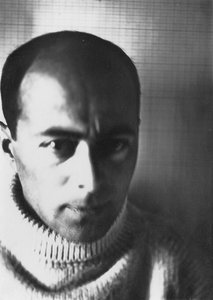
El Lissitzky
1890 - 1941 , Rusia
Datos clave
- Artistas Influenciados Por Este Artista:
- Bauhaus
- De Stijl
- Artistas Que Influyeron: ['Kazimir Malevich']
- Fecha De Muerte: 1941
- Fecha De Nacimiento: 23 de noviembre de 1890
- Lugar De Nacimiento: Pochinki, Rusia
- Movimiento Artístico: Suprematismo, Constructivismo
- Nacionalidad: Ruso
- Nombre Completo: El Lissitzky
- Obras Notables:
- El Constructor (1924)
- Serie Proun
- Cartel de propaganda soviético
Artículos relacionados

Abstracción Geométrica: 10 Obras Maestras que Transformaron el Arte Moderno | ArtsDot
Descubre las 10 obras maestras de la abstracción geométrica que revolucionaron el arte moderno. Explora a Mondrian, Malevich y Kandinsky en ArtsDot.com. Reproducciones de alta calidad para tu hogar.
Beyond Form & Color: Geometric Abstraction's Evolution in 20th/21st Century Art
Explore the evolution of geometric abstraction from Cubism to contemporary art. Discover key artists like Malevich & Mondrian, investment insights, and expert collecting advice at ArtsDot.
Kandinsky: Las 25 Obras Maestras del Pionero de la Abstracción | ArtsDot
Descubre las 25 obras maestras de Wassily Kandinsky, pionero del arte abstracto. Explora su expresionismo, composiciones únicas y la historia detrás de cada cuadro. Reproducciones de alta calidad para decorar tu hogar con arte moderno en ArtsDot.com.
Beyond Form & Color: Geometric Abstraction's Enduring Legacy in Art History
Explore the captivating world of geometric abstraction! Discover its origins, key artists like Malevich & Mondrian, and why this movement remains highly valued by art collectors today. Expert insights at ArtsDot.

Beyond Form & Function: A History of Geometric Art's Enduring Appeal
Explore the captivating history of geometric abstraction, from its revolutionary origins to contemporary masters. Expert insights for art collectors & investors. Discover key artists and build your collection with ArtsDot.