 Ver en contexto
 Enviar
 Compartir
 Detalles

 Descargar
 Similares
 Radiografía
 Presentación de diapositivas
The Fable of the Miller, His Son, and the Donkey No. 6
 Oil On Canvas
- WallArt
- Symbolism
 1867
1867 17.0 x 27.0 cm
 Museo Metropolitano de Arte
 Ver más
Reproducción al óleo hecha a mano
Óleo sobre lienzo pintado a mano en el tamaño y marco de su elección, realizado por encargo por nuestros artistas. ( Comprar impresión Comprar imagen)




P118B $10

P118H $10

P118W $10

P438Z $10

P508JH $12

P508YH $12

P805H $10

P805Z $10

P919BZ $10

P919G $10

P919XJ $10

P959ZH $10

P968JZ $12

W106C $8

W218G $10

W218JH $8

W218Y $10

W307PJ $10

W316G $10

W316PJ $8

W316Y $10

W398PJ $8

W4111J $10

W500HY $15

W500JH $15

W692G $12

W849H $8

W940BG $15

W953PJ $8




Elija entre nuestros tamaños predefinidos que respetan las proporciones originales de la obra.

Puede ingresar sus propias dimensiones para adaptarse a un marco o espacio específico. Si el tamaño seleccionado no coincide con las proporciones de la imagen original, recortaremos la obra o extenderemos la pintura con elementos adicionales pintados a mano. Se le enviará una maqueta digital para su aprobación antes de comenzar la producción.
Tenga en cuenta que la vista previa en pantalla no refleja el recorte o la extensión reales. Solo la maqueta mostrará con precisión la composición final.
Si bien existen tamaños personalizados, recomendamos seleccionar una dimensión de la lista predefinida para preservar las proporciones originales.
Tras realizar el pedido, el equipo de ArtsDot.com enviará un correo electrónico al cliente para solicitar instrucciones y proporcionarle una vista previa del boceto.
Envío a todo el mundo () en 3-4 semanas en lugar de las 5 semanas estándar. (6 septiembre). Sin comprometer la calidad.

Envío exprés gratuito a todo el mundo

Lienzo de lino de alta calidad

Seguro de envío total

Garantía de reembolso de impuestos aduaneros

Garantía de fidelidad cromática exacta

Política de devolución de 100 días (solo por defectos)

Garantía de devolución del 100% del dinero

Descuento por cantidad
 La opción de vidrio solo está disponible en tamaños inferiores a 110 cm.

The Fable of the Miller, His Son, and the Donkey No. 6
Técnica de reproducción
Dimensiones de la reproducción
-


Precio total final
$ 413
Elihu Vedder’s “The Fable of the Miller, His Son, and the Donkey No. 6” – A Vision of Rustic Morality
Elihu Vedder's "The Fable of the Miller, His Son, and the Donkey No. 6," a captivating oil painting from 1867, isn’t merely a depiction of Aesop’s timeless tale; it’s a profound meditation on human folly, societal judgment, and the elusive pursuit of universal approval. Born in New York City amidst a complex family history—his parents cousins—Vedder's early life was shaped by a nomadic existence between Schenectady and Paris, ultimately leading him to establish himself as a pivotal figure in American Symbolism. This particular work, created during his Italian sojourn, exemplifies the influence of the Macchiaioli painters and the evocative landscapes that profoundly impacted his artistic vision. The painting’s power lies not just in its narrative clarity but in Vedder's masterful use of color, texture, and composition to convey a sense of both immediacy and timeless wisdom.
A Scene of Rustic Drama – Composition and Technique
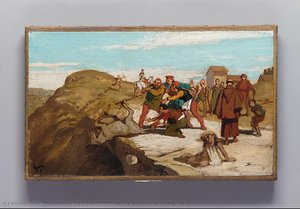
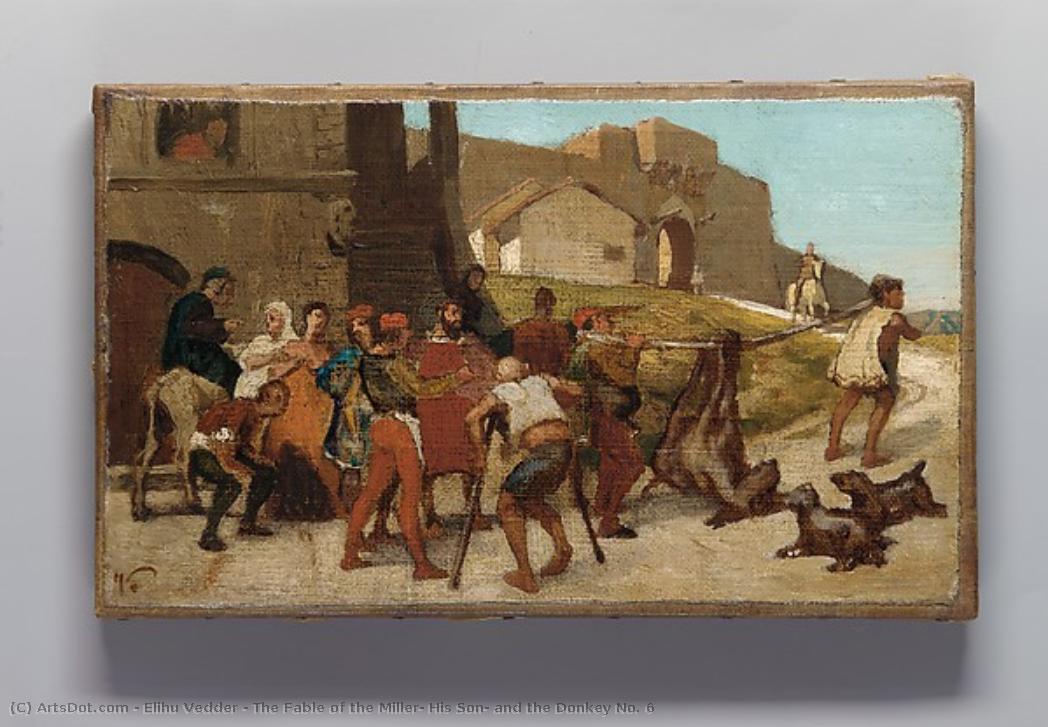
The scene unfolds within a vibrant Italian countryside—a carefully constructed tableau that feels simultaneously familiar and dreamlike. A bustling gathering of figures, rendered with loose, expressive brushstrokes, occupies the foreground, their interactions radiating a palpable sense of tension and judgment. The composition is deliberately chaotic yet dynamic; figures are clustered together, gesturing emphatically, creating a visual rhythm that mirrors the story’s central conflict. Vedder employs an impasto technique—thickly applied paint—to build texture and depth, particularly evident in the rough surfaces of the buildings and the weathered faces of the onlookers. The use of color is equally striking: earthy tones dominate – ochres, browns, and greens – punctuated by flashes of brighter hues that draw attention to key elements within the scene. The flattened perspective, a characteristic of Symbolism, prioritizes narrative impact over strict realism, guiding the viewer’s eye through the unfolding drama.
Symbolic Weight – Donkey, Miller, and the Critique of Societal Expectations
At the heart of the painting lies the symbolic weight of its subject matter. The donkey itself—a humble beast of burden—represents humility, servitude, and perhaps even vulnerability. The miller and his son, caught in a cycle of appeasing critical observers, embody humanity’s inherent desire for validation. Their attempts to satisfy every opinion – from riding the donkey to carrying it on their shoulders – ultimately lead to a tragic outcome: the donkey's demise. Vedder isn’t simply illustrating a fable; he’s offering a sharp critique of societal expectations and the futility of striving to please everyone. The surrounding figures, representing various facets of society—farmers, merchants, onlookers—all contribute to this commentary, highlighting the pervasive nature of judgment and the impossibility of achieving universal approval.
Vedder's Legacy – A Bridge Between Realism and Symbolism
“The Fable of the Miller, His Son, and the Donkey No. 6” stands as a testament to Elihu Vedder’s unique artistic vision—a synthesis of realism and Symbolism that resonated deeply within the American art scene of the late 19th century. Influenced by Italian Renaissance masters and the Macchiaioli movement, Vedder infused his work with emotional intensity and allegorical depth. The painting's enduring appeal lies in its ability to tap into universal themes—the desire for acceptance, the burden of judgment, and the bittersweet wisdom gained through experience. Today, reproductions of this captivating artwork continue to inspire contemplation on the complexities of human relationships and the challenges of navigating a world saturated with conflicting opinions. The Met’s version, particularly, offers a glimpse into Vedder's meticulous process, showcasing his graphite studies alongside the final painting—a testament to his dedication to capturing both narrative clarity and emotional resonance.
Obras relacionadas

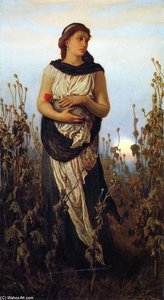
Biografía del artista
Vida Temprana y Formación Artística
- Nacimiento: 26 de febrero de 1836, Nueva York City, Estados Unidos
- Fallecimiento: 29 de enero de 1923, Roma, Italia
Elihu Vedder nació en una familia con circunstancias únicas – sus padres eran primos. Su vida temprana fue moldeada por diversas experiencias, incluyendo tiempo pasado en Cuba debido a la reubicación de su padre y periodos entre la casa de su abuelo materno en Schenectady y un internado. A pesar de las reservas iniciales de su padre, sus ambiciones artísticas fueron apoyadas por su madre.
- Formación Temprana: Vedder comenzó su formación formal en Nueva York City bajo la tutela de Tompkins H. Matteson.
- Estudios Europeos: Continuó sus estudios en París con François-Édouard Picot y posteriormente en Italia, donde fue profundamente influenciado por el Renacimiento italiano y los pintores Macchiaioli.
- Influencia Italiana: Su tiempo en Italia fomentó una profunda conexión emocional con su compañero pintor Giovanni Costa, lo que llevó a viajes antes de que las limitaciones financieras lo obligaran a regresar a América.
Carrera y Obras Destacadas
La carrera de Vedder abarcó diversas disciplinas artísticas, desde la pintura y la ilustración hasta el diseño de murales y la poesía. Cultivó amistades con figuras prominentes como Walt Whitman y Herman Melville.
- Ilustraciones para El Rubaiyat: Vedder es quizás mejor conocido por sus cincuenta y cinco ilustraciones que acompañan a la traducción de El Rubaiyat de Omar Khayyam (edición de lujo) de Edward FitzGerald. Estas ilustraciones son consideradas obras maestras del arte simbolista.
- Pinturas Visionarias: Pinturas notables incluyen “El Huevo de la Roca”, “El Pescador y el Genio”, y “Guarida de la Serpiente Marina”, que muestran su estilo visionario y temas imaginativos.
- Trabajo de Murales: Decoró el pasillo de la Sala de Lectura en la Biblioteca del Congreso de Washington con murales, un testimonio de su habilidad como artista decorativo.
- Colaboración con Tiffany: Vedder colaboró con Louis Comfort Tiffany, diseñando cristalería, mosaicos y estatuillas para la compañía Tiffany.
Estilo Artístico e Influencias
El estilo artístico de Vedder se caracteriza por su naturaleza visionaria, imágenes románticas y la frecuente incorporación de influencias orientales.
- Simbolismo: Vedder fue una figura clave en el movimiento simbolista, enfatizando la emoción y el individualismo sobre el realismo estricto.
- Prerrafaelitas: Su tiempo en Inglaterra lo expuso a la Hermandad Prerrafaelita, influyendo en su estilo artístico hacia una mayor claridad y detalle.
- Místicos Ingleses e Irlandeses: Fue influenciado por las obras de William Blake y William Butler Yeats, reflejando una fascinación por el misticismo y la espiritualidad.
- Renacimiento Italiano & Macchiaioli: Sus estudios en Italia moldearon su comprensión de la forma, el color y la composición.
Legado y Años Posteriores
Las contribuciones de Vedder al arte estadounidense se extendieron más allá de la pintura. Ayudó a establecer el grupo In Arte Libertas en Italia y dejó atrás una serie de escritos, incluyendo reflexiones autobiográficas y poesía.
- Afiliación: Vedder fue miembro de la Academia Americana de Artes y Letras.
- Actividades Literarias: Publicó The Digressions of V (1910), Miscellaneous Moods in Verse (1914) y Doubt and Other Things (1922).
- Años Posteriores: Vedder pasó sus últimos años principalmente en Italia, continuando creando arte y escribiendo hasta su muerte en Roma en 1923. Su legado perdura a través de sus evocadoras pinturas e ilustraciones que continúan cautivando al público hoy en día.
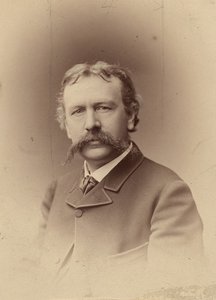
Elihu Vedder
1836 - 1923 , Estados Unidos de América
Datos clave
- Artistas Que Influyeron:
- François-Édouard Picot
- Giovanni Costa
- William Blake
- William Butler Yeats
- Fecha De Fallecimiento: 29 de enero de 1923
- Fecha De Nacimiento: 26 de febrero de 1836
- Lugar De Nacimiento: Ciudad de Nueva York, EE. UU.
- Movimiento Artístico: Simbolismo, Romanticismo
- Nacionalidad: Estadounidense
- Nombre Completo: Elihu Vedder
- Obras Notables:
- El Huevo de la Roca
- El Pescador y el Genio
- Lair of the Sea Serpent
- Ilustraciones del Rubaiyat
Artículos relacionados
Más Allá de la Realidad: El Simbolismo y su Profundo Impacto en la Pintura (1880-1910)
Descubre el fascinante mundo de la pintura simbolista (1880-1910). Análisis profundo de sus orígenes, características, artistas clave y temas recurrentes. Un viaje a través del misticismo y los sueños en el arte.
Eugène Carrière: The 'Peintre d'Âme' & Symbolist Portraiture’s Intimate Vision
Explore the haunting world of Eugène Carrière, a pivotal French Symbolist artist known for his deeply intimate portraits & 'peinture d'âme'. Discover his life, style, and lasting influence on modern masters like Picasso. Shop high-quality reproductions at ArtsDot.
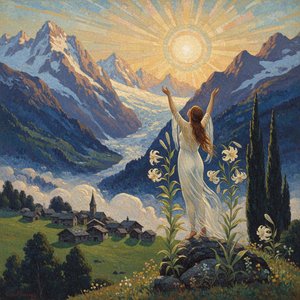
Giovanni Segantini: Capturing Alpine Light & Symbolist Visions
Explore the captivating world of Giovanni Segantini, master of Alpine landscapes & Symbolist art. Discover his innovative techniques, allegorical masterpieces like 'La Vita,' and enduring legacy. Learn about this pivotal 19th-century Italian painter.
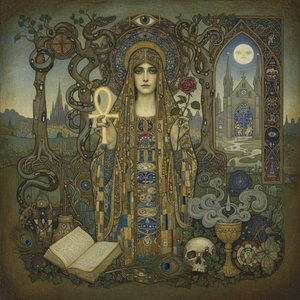
El Reino Evocador del Simbolismo: Explorando el Significado y el Misticismo en el Arte de Finales del Siglo XIX
Descubre el fascinante mundo del Simbolismo en el arte de finales del siglo XIX. Análisis profundo de sus características, artistas clave como Moreau y Musatov, y su legado perdurable. ¡Explora la belleza oculta!
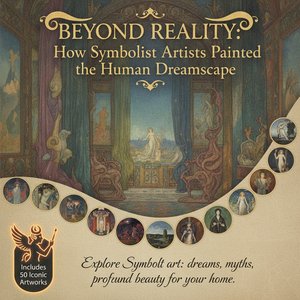
Symbolism & the Subconscious: How 19th-Century Artists Painted Dreams and Emotion
Explore the evocative world of 19th-century Symbolism. Discover how masters like Gustave Moreau used dreams, myth, and metaphor to paint the subconscious, moving beyond realism to capture profound human emotion and spiritual truth.