 Ver en contexto
 Enviar
 Compartir
 Detalles

 Descargar
 Similares
 Radiografía
 Presentación de diapositivas
The Fates Gathering in the Stars


 Ver más
Giclée / Impresión de arte
Impresiones giclée o en lienzo de calidad de museo con producción rápida y opciones de acabado flexibles. ( Comprar pintura hecha a mano Comprar imagen)




P118B $10

P118H $10

P118W $10

P438Z $10

P508JH $12

P508YH $12

P805H $10

P805Z $10

P919BZ $10

P919G $10

P919XJ $10

P959ZH $10

P968JZ $12

W106C $8

W218G $10

W218JH $8

W218Y $10

W307PJ $10

W316G $10

W316PJ $8

W316Y $10

W398PJ $8

W4111J $10

W500HY $15

W500JH $15

W692G $12

W849H $8

W940BG $15

W953PJ $8




Elija entre nuestros tamaños predefinidos que respetan las proporciones originales de la obra.

Puede introducir sus propias dimensiones para adaptarse a un marco o espacio específico. Si el tamaño seleccionado no coincide con las proporciones de la imagen original, recortaremos la obra de arte o extenderemos la imagen con un borde con efecto espejo o de color sólido. Se enviará una maqueta digital para su aprobación antes de que comience la producción.
Tenga en cuenta que la vista previa en pantalla no refleja el recorte o la extensión real. Solo la maqueta mostrará con precisión la composición final.
Aunque existen tamaños personalizados, recomendamos seleccionar una dimensión de la lista predefinida para preservar las proporciones originales.
Envío a todo el mundo () en 2 semanas en lugar de las 4/5 semanas estándar. (26 agosto)

Envío exprés gratuito a todo el mundo

Lienzo de lino de alta calidad

Seguro de envío total

Garantía de reembolso de impuestos aduaneros

Garantía de fidelidad cromática exacta

Política de devolución de 60 días (solo por defectos)

Garantía de devolución del 100% del dinero

Descuento por cantidad
 La opción de vidrio solo está disponible en tamaños inferiores a 110 cm.

The Fates Gathering in the Stars
Giclée / Impresión de arte
Dimensiones de la reproducción
-


Precio total final
$ 62
Descripción de la pieza
The Fates Gathering in the Stars: A Vision of Destiny
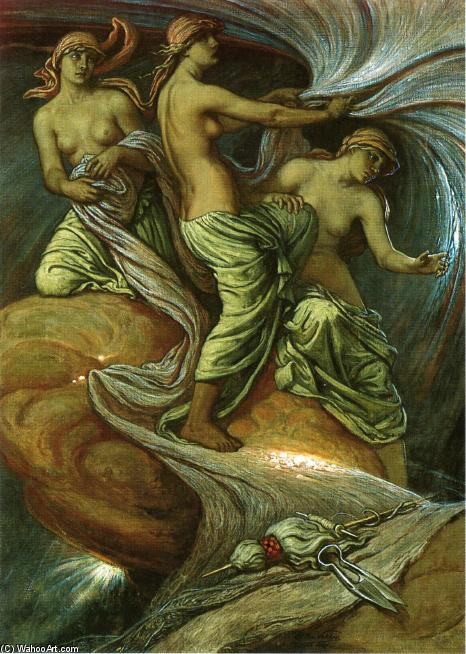
Elihu Vedder’s “The Fates Gathering in the Stars,” painted in 1887, is not merely a depiction of Greek mythology; it's an immersive exploration of fate, time, and the cosmic order. This arresting canvas transports the viewer to a dramatic precipice overlooking a turbulent sky, dominated by three figures embodying the ancient goddesses who govern human destiny – Clotho, Lachesis, and Atropos. The painting’s power lies not just in its subject matter but also in Vedder's masterful manipulation of light, color, and composition, creating an atmosphere thick with both foreboding and profound beauty.
Vedder, a pivotal figure in the American Symbolist movement, drew heavily from Italian Renaissance influences – particularly the dramatic chiaroscuro techniques favored by artists like Caravaggio. He combined these elements with his own unique vision, infused with Romanticism and a fascination with Oriental themes. The painting’s palette is deliberately dark and somber, dominated by deep blues, purples, and browns that evoke the vastness of the night sky and the weight of impending doom. Yet, within this darkness, flashes of gold and crimson illuminate the figures and their tools – a subtle counterpoint suggesting the potential for beauty even amidst inevitable fate.
Symbolism and Mythological Narrative
At the heart of “The Fates Gathering in the Stars” lies a potent mythological narrative. Clotho, spinning her spindle, represents the beginning of life; Lachesis, holding her distaff, embodies the measure of one’s allotted lifespan; and Atropos, wielding her shears, signifies the finality of death. The positioning of these figures – Clotho in the foreground, radiating a sense of active creation, while Atropos stands further back, poised to cut the thread – powerfully illustrates the cyclical nature of existence. The birds soaring above them add another layer of symbolism, representing messengers from the heavens and perhaps even the fleeting nature of time itself.
Vedder’s choice to depict these goddesses on a rocky cliff face elevates the scene beyond a simple mythological illustration. The precipice suggests vulnerability and precariousness, mirroring the human condition as we navigate our own destinies. The swirling clouds in the background contribute to this sense of unease, hinting at the unpredictable forces that shape our lives.
Technique and Artistic Style
“The Fates Gathering in the Stars” showcases Vedder’s distinctive artistic style – characterized by loose brushwork, expressive color, and a tendency towards dreamlike imagery. He employed a technique known as *alla prima*, working directly onto the canvas without extensive underpainting, resulting in a vibrant and immediate effect. The figures are rendered with a remarkable degree of fluidity and dynamism, conveying a sense of movement and energy. The artist’s use of light is particularly noteworthy; it's not merely illuminating the scene but also shaping our perception of form and space.
Interestingly, Vedder created this work as an illustration for Edward FitzGerald’s translation of Omar Khayyam’s *Rubaiyat*. He interpreted the poem’s themes of mortality and the pursuit of pleasure through a distinctly Symbolist lens, transforming a collection of Persian verses into a powerful visual meditation on the human condition. The study for this painting further demonstrates Vedder's initial sketches and compositional ideas, offering insight into his creative process.
A Timeless Exploration of Human Experience
“The Fates Gathering in the Stars” transcends its mythological subject matter to become a profound exploration of universal themes – fate, mortality, time, and the search for meaning. Its evocative imagery and dramatic composition continue to resonate with viewers today, inviting contemplation on our own place within the grand scheme of existence. The painting’s enduring appeal lies not only in Vedder's technical skill but also in his ability to capture a deeply felt sense of mystery and wonder. It remains a testament to the power of art to illuminate the complexities of the human experience.
Obras relacionadas

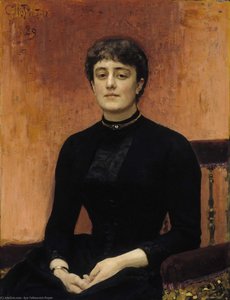
Biografía del artista
Vida Temprana y Formación Artística
- Nacimiento: 26 de febrero de 1836, Nueva York City, Estados Unidos
- Fallecimiento: 29 de enero de 1923, Roma, Italia
Elihu Vedder nació en una familia con circunstancias únicas – sus padres eran primos. Su vida temprana fue moldeada por diversas experiencias, incluyendo tiempo pasado en Cuba debido a la reubicación de su padre y periodos entre la casa de su abuelo materno en Schenectady y un internado. A pesar de las reservas iniciales de su padre, sus ambiciones artísticas fueron apoyadas por su madre.
- Formación Temprana: Vedder comenzó su formación formal en Nueva York City bajo la tutela de Tompkins H. Matteson.
- Estudios Europeos: Continuó sus estudios en París con François-Édouard Picot y posteriormente en Italia, donde fue profundamente influenciado por el Renacimiento italiano y los pintores Macchiaioli.
- Influencia Italiana: Su tiempo en Italia fomentó una profunda conexión emocional con su compañero pintor Giovanni Costa, lo que llevó a viajes antes de que las limitaciones financieras lo obligaran a regresar a América.
Carrera y Obras Destacadas
La carrera de Vedder abarcó diversas disciplinas artísticas, desde la pintura y la ilustración hasta el diseño de murales y la poesía. Cultivó amistades con figuras prominentes como Walt Whitman y Herman Melville.
- Ilustraciones para El Rubaiyat: Vedder es quizás mejor conocido por sus cincuenta y cinco ilustraciones que acompañan a la traducción de El Rubaiyat de Omar Khayyam (edición de lujo) de Edward FitzGerald. Estas ilustraciones son consideradas obras maestras del arte simbolista.
- Pinturas Visionarias: Pinturas notables incluyen “El Huevo de la Roca”, “El Pescador y el Genio”, y “Guarida de la Serpiente Marina”, que muestran su estilo visionario y temas imaginativos.
- Trabajo de Murales: Decoró el pasillo de la Sala de Lectura en la Biblioteca del Congreso de Washington con murales, un testimonio de su habilidad como artista decorativo.
- Colaboración con Tiffany: Vedder colaboró con Louis Comfort Tiffany, diseñando cristalería, mosaicos y estatuillas para la compañía Tiffany.
Estilo Artístico e Influencias
El estilo artístico de Vedder se caracteriza por su naturaleza visionaria, imágenes románticas y la frecuente incorporación de influencias orientales.
- Simbolismo: Vedder fue una figura clave en el movimiento simbolista, enfatizando la emoción y el individualismo sobre el realismo estricto.
- Prerrafaelitas: Su tiempo en Inglaterra lo expuso a la Hermandad Prerrafaelita, influyendo en su estilo artístico hacia una mayor claridad y detalle.
- Místicos Ingleses e Irlandeses: Fue influenciado por las obras de William Blake y William Butler Yeats, reflejando una fascinación por el misticismo y la espiritualidad.
- Renacimiento Italiano & Macchiaioli: Sus estudios en Italia moldearon su comprensión de la forma, el color y la composición.
Legado y Años Posteriores
Las contribuciones de Vedder al arte estadounidense se extendieron más allá de la pintura. Ayudó a establecer el grupo In Arte Libertas en Italia y dejó atrás una serie de escritos, incluyendo reflexiones autobiográficas y poesía.
- Afiliación: Vedder fue miembro de la Academia Americana de Artes y Letras.
- Actividades Literarias: Publicó The Digressions of V (1910), Miscellaneous Moods in Verse (1914) y Doubt and Other Things (1922).
- Años Posteriores: Vedder pasó sus últimos años principalmente en Italia, continuando creando arte y escribiendo hasta su muerte en Roma en 1923. Su legado perdura a través de sus evocadoras pinturas e ilustraciones que continúan cautivando al público hoy en día.
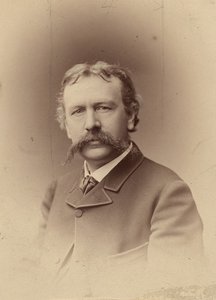
Elihu Vedder
1836 - 1923 , Estados Unidos de América
Datos clave
- Artistas Que Influyeron:
- François-Édouard Picot
- Giovanni Costa
- William Blake
- William Butler Yeats
- Fecha De Fallecimiento: 29 de enero de 1923
- Fecha De Nacimiento: 26 de febrero de 1836
- Lugar De Nacimiento: Ciudad de Nueva York, EE. UU.
- Movimiento Artístico: Simbolismo, Romanticismo
- Nacionalidad: Estadounidense
- Nombre Completo: Elihu Vedder
- Obras Notables:
- El Huevo de la Roca
- El Pescador y el Genio
- Lair of the Sea Serpent
- Ilustraciones del Rubaiyat
Artículos relacionados
Echoes of Olympus: Mythological Narratives in Western Art Through the Ages
Explore the captivating history of mythological narratives in Western art! From ancient Greece to modern masterpieces, discover iconic artworks & symbolism. Expert analysis and high-quality reproductions at ArtsDot.
Mitologías Personales: La Transmutación de Experiencias en Composiciones Simbólicas a través del Arte Pictórico
Descubre cómo transformar tus experiencias en arte significativo. Expertos en curaduría y obras personalizadas. Inversión segura, calidad garantizada. ¡Inspírate!
Gastronomía Estética: El Papel de las Colecciones de Arte Curadas en la Conformación de la Percepción de las Experiencias Gastronómicas Michelin
Descubra cómo la curaduría artística transforma hoteles en experiencias inolvidables. Asesoramiento experto, colecciones exclusivas y estrategias para potenciar su marca y atraer clientes de alto valor.
Franz von Stuck: Symbolism, Decadence & the Pursuit of Ideal Beauty
Explore the captivating world of Franz von Stuck, a leading Symbolist painter. Discover his mythological masterpieces, decadent themes, & investment potential. Expert analysis for discerning collectors.
The Ethereal Realm on Canvas: Exploring Themes of Fantasy & Imagination in Art History
Explore the captivating world of fantasy & surreal art history with ArtsDot. Discover iconic artists like De Chirico & Moreau, and expert guidance for collecting timeless masterpieces. Find your dream artwork today!