 Enviar
 Compartir
 Detalles

 Descargar
 Similares
 Presentación de diapositivas
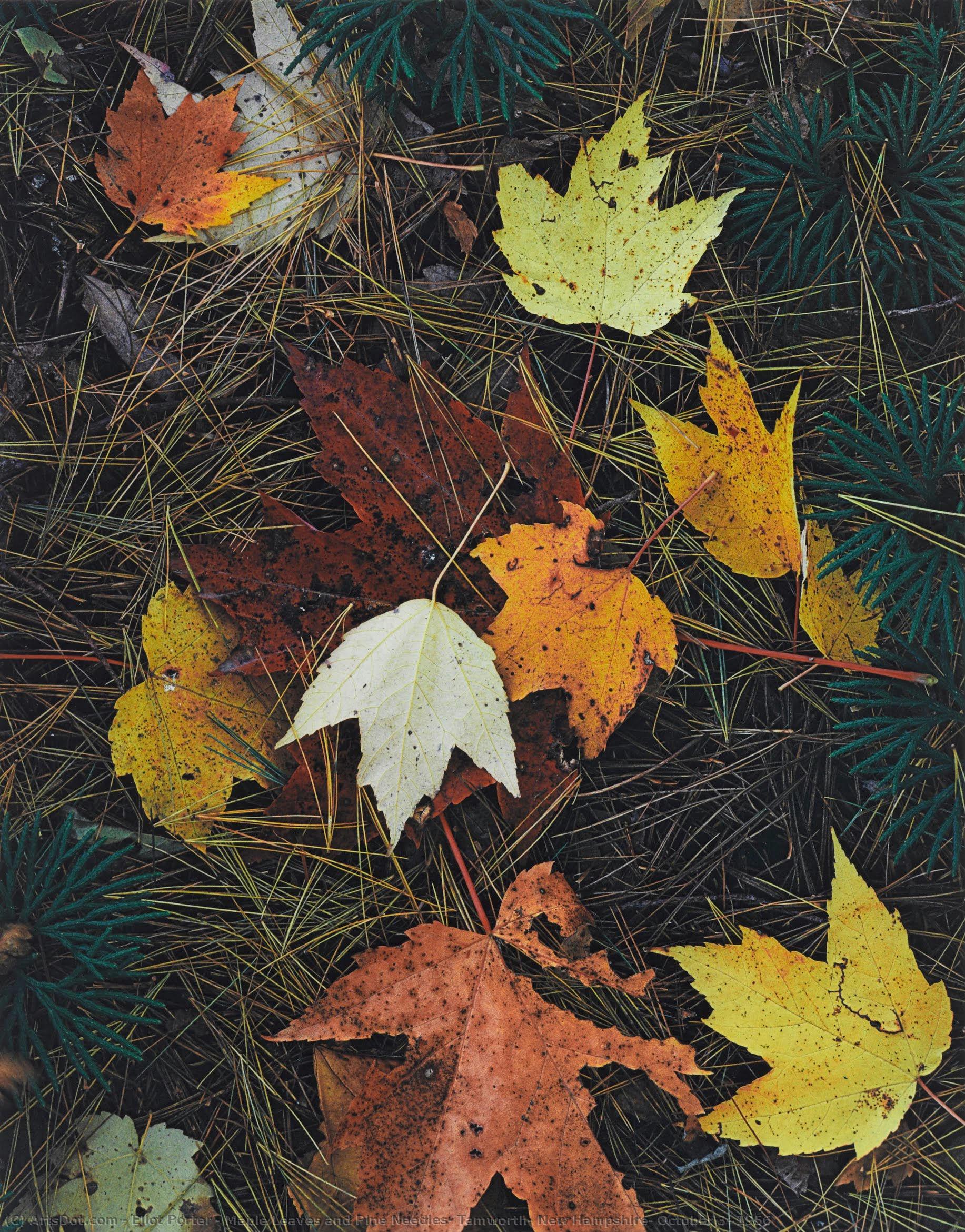
Maple Leaves and Pine Needles, Tamworth, New Hampshire, October 3, 1956
 Giclée Print
- Digital
- Contemporary Realism
 1956
1956- 19th Century
 20.0 x 26.0 cm
 Amon Carter Museo de Arte Estadounidense
 Ver más
Giclée / Impresión de arte
Impresiones giclée o en lienzo de calidad de museo con producción rápida y opciones de acabado flexibles. ( Comprar pintura hecha a mano Comprar imagen)




































Elija entre nuestros tamaños predefinidos que respetan las proporciones originales de la obra.

Puede introducir sus propias dimensiones para adaptarse a un marco o espacio específico. Si el tamaño seleccionado no coincide con las proporciones de la imagen original, recortaremos la obra de arte o extenderemos la imagen con un borde con efecto espejo o de color sólido. Se enviará una maqueta digital para su aprobación antes de que comience la producción.
Tenga en cuenta que la vista previa en pantalla no refleja el recorte o la extensión real. Solo la maqueta mostrará con precisión la composición final.
Aunque existen tamaños personalizados, recomendamos seleccionar una dimensión de la lista predefinida para preservar las proporciones originales.
Envío a todo el mundo () en 2 semanas en lugar de las 4/5 semanas estándar. (23 agosto)

Envío exprés gratuito a todo el mundo

Lienzo de lino de alta calidad

Seguro de envío total

Garantía de reembolso de impuestos aduaneros

Garantía de fidelidad cromática exacta

Política de devolución de 60 días (solo por defectos)

Garantía de devolución del 100% del dinero

Descuento por cantidad
 La opción de vidrio solo está disponible en tamaños inferiores a 110 cm.

Maple Leaves and Pine Needles, Tamworth, New Hampshire, October 3, 1956
Giclée / Impresión de arte
Dimensiones de la reproducción
-


Precio total final
$ 62
Descripción de la pieza
Eliot Porter’s Evocative Study of Autumnal Decay
This exquisite black and white photograph, “Maple Leaves and Pine Needles, Tamworth, New Hampshire, October 3, 1956,” by Eliot Porter, transcends a simple depiction of fallen foliage. It's a profound meditation on the transient beauty of nature, meticulously captured with a keen eye for detail and an understanding of light that elevates it beyond mere documentation. Porter, a pioneer in bringing color to the natural world through photography – a revolutionary approach at the time – demonstrates here his mastery of composition and tonal range, creating an image brimming with texture and atmosphere. The photograph’s quiet drama stems from Porter's deliberate framing, drawing the viewer into a carefully orchestrated tableau of decay and renewal.
A Pioneer’s Vision: Eliot Porter and the Rise of Naturalism
Born in Winnetka, Illinois, in 1901, Eliot Porter’s artistic journey was remarkably unconventional. Initially pursuing a path in chemical engineering and medicine – influenced by his scientific father – he ultimately found his true calling through the encouragement of his brother, Fairfield Porter, a celebrated painter and art critic. This familial connection ignited a passion for observation and representation, leading Porter to embrace photography as a means of translating his profound appreciation for the natural world. His work, particularly during the mid-20th century, played a crucial role in shifting photographic focus from grand landscapes to intimate studies of flora and fauna, anticipating the rise of environmental awareness that would characterize later decades.
Technique and Composition: The Language of Light
- Black and White Mastery: Porter’s skillful manipulation of black and white photography is central to the image's power. He expertly utilizes tonal variations – from the deepest blacks of shadowed leaves to the brightest whites reflecting off sunlit surfaces – to create a sense of depth, volume, and texture.
- Layered Composition: The arrangement of leaves, ranging from tightly curled specimens to those lying flat on the ground, establishes a layered composition that draws the eye through the scene. Porter’s use of foreground, middleground, and background creates a spatial illusion, inviting the viewer into this autumnal landscape.
- Geometric Precision: Notice the subtle geometric patterns formed by the leaves themselves – spirals, curves, and angles – adding to the photograph's visual complexity and reinforcing its scientific observation.
Symbolism of Decay and Renewal
The subject matter itself—a pile of fallen maple leaves and pine needles—holds significant symbolic weight. Autumn represents a period of decline, but also of preparation for winter’s dormancy and the promise of rebirth in spring. Porter doesn't shy away from depicting this process of decay; instead, he celebrates it as an integral part of nature’s cycle. The photograph becomes a poignant reminder of the ephemeral nature of beauty and the inevitability of change – themes that resonate deeply within the human experience.
A Timeless Reproduction
This hand-painted reproduction faithfully captures the essence of Porter's original work, offering an exceptional piece for art collectors, interior designers, or anyone seeking to bring a touch of natural beauty into their space. The meticulous detail and tonal accuracy ensure that this image will remain a captivating focal point for years to come.
Obras relacionadas
Biografía del artista
Eliot Porter: Una Vida Dedicada a la Fotografía de Naturaleza en Color
- Nacido: 6 de diciembre de 1901, Winnetka, Illinois
- Fallecido: 2 de noviembre de 1990, Santa Fe, Nuevo México
Primeros Años y Educación – Un Fundamento en Ciencia y Naturaleza
- La crianza de Eliot Furness Porter moldeó significativamente su trayectoria artística. Su padre, James Porter, inculcó un amor por la naturaleza junto con rigor científico.
- La propiedad familiar en Winnetka, Illinois, proporcionó amplias oportunidades para explorar el mundo natural. Los veranos pasados en Great Spruce Head Island, Maine, nutrieron aún más esta conexión.
- Porter cursó estudios formales en la Universidad de Harvard, obteniendo títulos en ingeniería química (1924) y medicina (1929). Trabajó como investigador bioquímico en Harvard después de graduarse.
- Su hermano, Fairfield Porter, fue un reconocido pintor y crítico de arte, fomentando una apreciación por las artes dentro de la familia.
Desarrollo de un Estilo Fotográfico Único
- Inicialmente influenciado por Alfred Stieglitz, Porter comenzó a experimentar con la fotografía en la década de 1930.
- Un momento crucial ocurrió cuando un editor rechazó una propuesta de libro que presentaba fotografías en blanco y negro de aves, lo que lo impulsó a adoptar la fotografía en color.
- La maestría de Porter con la película Kodachrome fue notable, dada las dificultades técnicas de la época, particularmente al capturar sujetos rápidos como las aves. Su formación científica demostró ser invaluable en este proceso.
- Su exposición de 1943 en el Museo de Arte Moderno, que mostraba fotografías a color, marcó un momento trascendental para el medio.
Logros y Reconocimientos Principales
- American Birds (1953): Este libro estableció a Porter como una figura líder en la fotografía de naturaleza, demostrando la belleza y el detalle alcanzables con la película en color.
- In Wildness Is the Preservation of the World (1962): Una colaboración con Henry David Thoreau, este libro combinó las fotografías de Porter con extractos de los escritos de Thoreau, enfatizando la importancia de la preservación del desierto. Pionero el género del libro de mesa de café de fotografía de naturaleza.
- Serie Glen Canyon: Su documentación de Glen Canyon antes de su inundación por Lake Powell sirvió como un registro conmovedor de un paisaje que desaparecía.
- Nature’s Chaos (1990): Una colaboración con James Gleick, explorando la intersección de la fotografía de naturaleza y la teoría del caos.
- Beca en la Academia Americana de Artes y Ciencias (1971).
- Primera exposición individual de fotografías a color en el Museo Metropolitano de Arte (1979).
Significado Histórico – Elevando la Fotografía en Color al Arte
- Porter es ampliamente reconocido por legitimar la fotografía en color como una forma de arte seria. Antes de su trabajo, la fotografía a color a menudo se descartaba como menos artística que el blanco y negro.
- Sus paisajes íntimos, caracterizados por composiciones de primer plano y colores apagados, definieron una nueva estética dentro de la fotografía de naturaleza.
- Influyó en generaciones de fotógrafos, demostrando el poder de la observación, la comprensión científica y la habilidad técnica para capturar la belleza del mundo natural.
- El trabajo de Porter continúa inspirando conciencia ambiental y aprecio por la importancia de preservar los espacios salvajes.
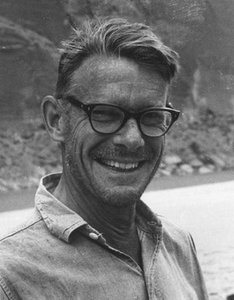
Eliot Porter
1901 - 1990 , Estados Unidos de América
Datos clave
- Artistas Que Influyeron: ['Alfred Stieglitz']
- Fecha De Fallecimiento: 2 de noviembre de 1990
- Fecha De Nacimiento: 6 de diciembre de 1901
- Lugar De Nacimiento: Winnetka, EE. UU.
- Movimiento Artístico: Fotografía de naturaleza
- Nacionalidad: Estadounidense
- Nombre Completo: Eliot Furness Porter
- Obras Notables:
- Northern Parula Warbler
- Pool in a Brook
- Pyrrhuloxia
- Alder Flycatcher
- Redwinged Blackbird
Artículos relacionados

Monochrome Visions: Exploring the Aesthetic & Historical Significance of Black & White Photography
Explore the rich history & artistic power of black and white photography. From early techniques to iconic masters like Ansel Adams, discover why monochrome continues to captivate art lovers today. Expert insights for collectors.

Pictorialismo: La Búsqueda del Alma de la Fotografía Artística – Estética, Técnicas y Legado
Descubre el Pictorialismo, un movimiento clave en la historia de la fotografía artística. Explora sus técnicas, figuras emblemáticas y su legado perdurable. Guía experta para coleccionistas y amantes del arte.
Beyond the Lens: Photography's Enduring Influence on Modern & Contemporary Art
Explore photography's pivotal role in shaping modern & contemporary art. Discover key movements, influential artists like Stieglitz, and expert collecting advice from ArtsDot.

Giclée Prints: Archival Quality & Aesthetic Nuances for the Discerning Collector
Explore the world of giclée prints with ArtsDot. Learn about archival quality, aesthetic nuances & investment potential. Expert guidance for discerning art collectors seeking museum-quality reproductions and lasting value.
Los 10 Maestros de la Fotografía Documental: Obras que Cambiaron el Arte y la Decoración
Descubre los 10 iconos de la fotografía documental que cambiaron el arte. Explora las historias detrás de obras maestras de Dorothea Lange, Robert Capa y más. Reproducciones de alta calidad para decorar tu hogar con arte atemporal en .