

 Ver en contexto
 Enviar
 Compartir
 Detalles

 Descargar
 Similares
 Radiografía
 Presentación de diapositivas
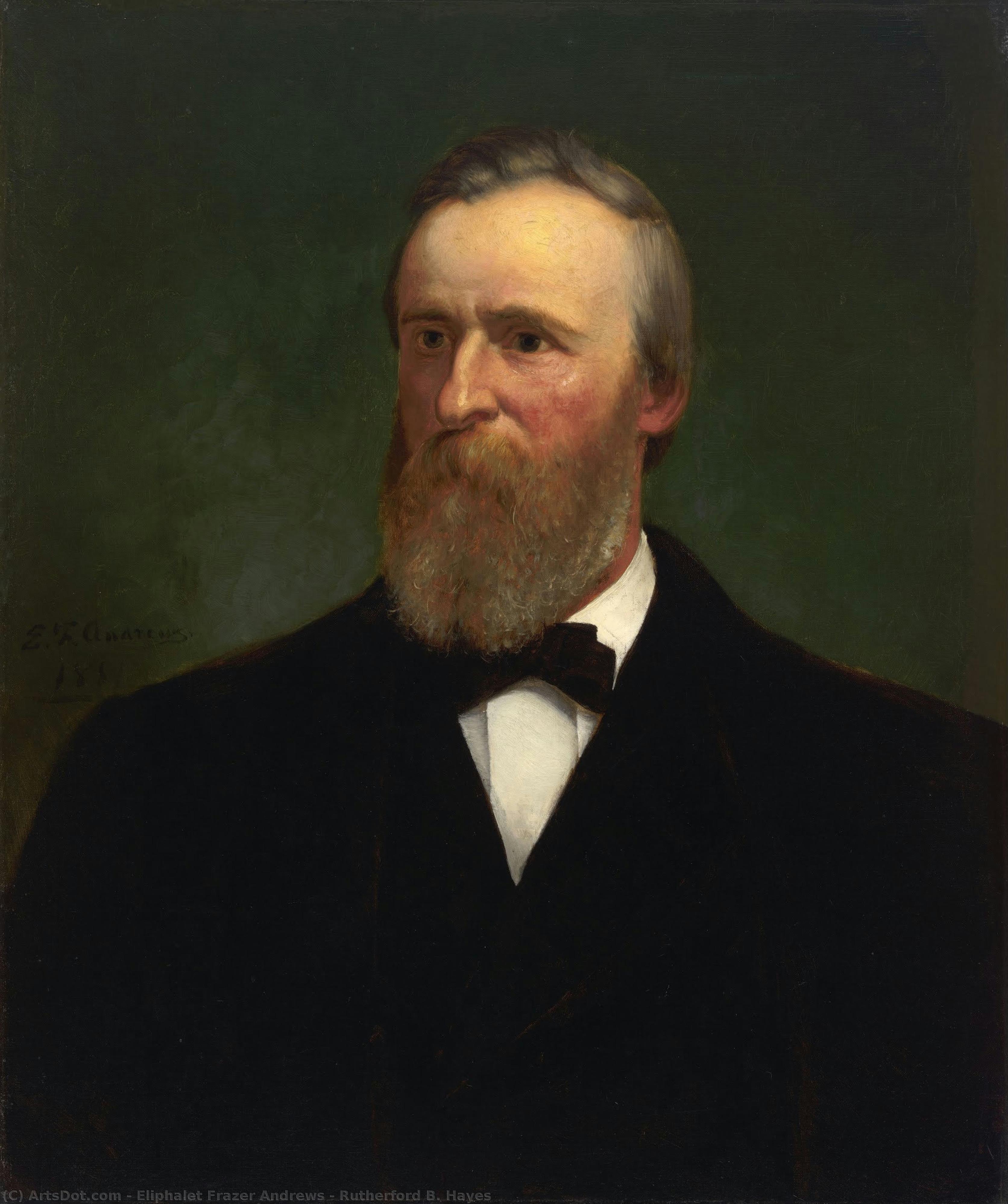
Rutherford B. Hayes


 Ver más
Reproducción al óleo hecha a mano
Óleo sobre lienzo pintado a mano en el tamaño y marco de su elección, realizado por encargo por nuestros artistas. ( Comprar impresión Comprar imagen)




































Elija entre nuestros tamaños predefinidos que respetan las proporciones originales de la obra.

Puede ingresar sus propias dimensiones para adaptarse a un marco o espacio específico. Si el tamaño seleccionado no coincide con las proporciones de la imagen original, recortaremos la obra o extenderemos la pintura con elementos adicionales pintados a mano. Se le enviará una maqueta digital para su aprobación antes de comenzar la producción.
Tenga en cuenta que la vista previa en pantalla no refleja el recorte o la extensión reales. Solo la maqueta mostrará con precisión la composición final.
Si bien existen tamaños personalizados, recomendamos seleccionar una dimensión de la lista predefinida para preservar las proporciones originales.
Tras realizar el pedido, el equipo de ArtsDot.com enviará un correo electrónico al cliente para solicitar instrucciones y proporcionarle una vista previa del boceto.
Envío a todo el mundo () en 3-4 semanas en lugar de las 5 semanas estándar. (23 agosto). Sin comprometer la calidad.

Envío exprés gratuito a todo el mundo

Lienzo de lino de alta calidad

Seguro de envío total

Garantía de reembolso de impuestos aduaneros

Garantía de fidelidad cromática exacta

Política de devolución de 60 días (solo por defectos)

Garantía de devolución del 100% del dinero

Descuento por cantidad
 La opción de vidrio solo está disponible en tamaños inferiores a 110 cm.

Rutherford B. Hayes
Técnica de reproducción
Dimensiones de la reproducción
-


Precio total final
$ 263
Descripción de la obra
Obras relacionadas
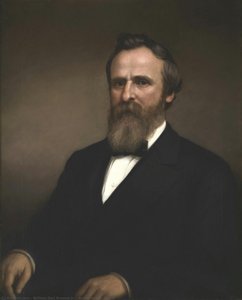
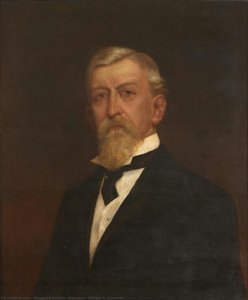
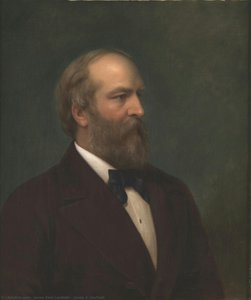
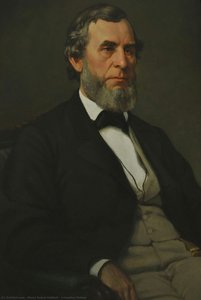
Biografía del artista
The Master of Light and Legacy: The Life of Eliphalet Frazer Andrews
In the grand tapestry of nineteenth-century American art, few threads are woven as intricately as those left by Eliphalet Frazer Andrews. Born in June 1835 in Steubenville, Ohio, Andrews emerged as a painter who possessed a rare duality of vision: the ability to capture the monumental weight of history and the quiet, breathing intimacy of a domestic corner. His journey was one of constant refinement, beginning with his academic foundations at Marietta College before venturing into the heart of the European art world. By immersing himself in the prestigious studios of Düsseldorf and Paris, studying under luminaries such as Lüdwig Knaus, Heinrich Mücke, and Léon Bonnat, Andrews absorbed a sophisticated mastery of light, shadow, and form that would later define his uniquely American sensibility.
The essence of Andrews’s artistry lies in his profound command over the atmosphere of a space. While he was widely celebrated as a premier portraitist—earning prestigious commissions to capture the dignity of figures like Rutherford B. Hayes—his true genius often revealed itself in his interior scenes. In works such as Interior and Interior of a Kitchen, one does not merely see a room; one feels the passage of time. Through the meticulous use of oil on canvas and delicate glazing techniques, he achieved a luminous quality that allowed light to dance across stone walls and weathered wood, imbuing even abandoned or neglected spaces with a haunting, palpable soul. His landscapes, too, such as the serene Edge of a Stream, demonstrate an ability to blend the pastoral charm of the American countryside with a sophisticated, almost Impressionistic touch.
A Pillar of American Artistic Institution
Beyond the canvas, Andrews’s influence on the American cultural landscape was structural and enduring. He was not merely a creator of images but a builder of institutions. His most significant contribution to the future of American art was his pivotal role in the establishment of the Corcoran School of Art in Washington D.C. Serving as its director from 1877 to 1902, he crafted an instructional curriculum that would shape generations of artists, fostering a standard of excellence that bridged European tradition with New World innovation. This commitment to pedagogy ensured that his devotion to technical precision and observational truth would outlive his own brushstrokes.
The historical significance of Andrews is further cemented by the locations where his work resides today. His paintings serve as visual chronicles of American power and heritage, with notable pieces adorning the White House and being preserved within the Smithsonian American Art Museum. Whether he was recreating the likenesses of deceased American icons or capturing the quiet dignity of a sunlit room, Andrews remained a visionary who understood that the smallest detail—a glint of light on a windowpane or the texture of a stone wall—could tell the grandest story of a nation’s spirit.
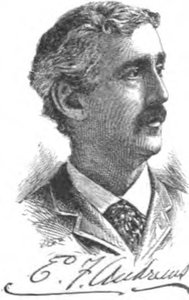
eliphalet frazer andrews
1835 - 1915
Datos clave
- Artistic Movement Or Style: Genre painting
- Artists Or Movements Influenced By This Artist: ['Corcoran School of Art']
- Artists Who Influenced This Artist:
- Heinrich Mücke
- Léon Bonnat
- Date Of Birth: 1835
- Date Of Death: 1915
- Full Name: Eliphalet Frazer Andrews
- Nationality: American
- Notable Artworks:
- Poppies
- Interior
- Interior of a Stable
- Place Of Birth: Steubenville, Ohio
Artículos relacionados
El Siglo XIX en el Arte: 10 Obras Maestras para Decorar con Historia y Estilo
Descubre 10 obras maestras del siglo XIX: Monet, Goya y más. Explora el impresionismo, realismo y romanticismo que definieron una época. Encuentra reproducciones de arte exclusivas para decorar tu hogar con estilo en ArtsDot.com.
Benny Andrews: A Life Painted in Layers – Narrative, Identity & the American Experience
Explore the powerful life & art of Benny Andrews – a pivotal figure in African American expressionism. Discover his unique collage style, activism, and poignant depictions of identity & social justice. A must-read for collectors.

Frederick William Hayes: Transcendental Landscapes & the American Sublime
Explore the captivating landscapes of Frederick William Hayes, a Victorian artist influenced by the Hudson River School & literary utopias. Discover his legacy and artistic techniques at ArtsDot.

Reflections of an Era: Identity & Social Commentary in 19th-Century Portraiture
Explore the captivating world of 19th-century portraiture! Discover key artists, movements like Realism & Impressionism, and the powerful social commentary embedded within these iconic artworks. Expert insights at ArtsDot.
Echoes of Change: Exploring Themes & Techniques in 19th-Century Art
Explore the captivating world of 19th-century art! Discover Romanticism & Realism's key artists, masterpieces, and social commentary. Expert insights for collectors & enthusiasts.

