 Vista previa
 Compartir
 Compartir
 Ver detalles

 Descargar
 Ver similares
 Radiografía
 Presentación de diapositivas
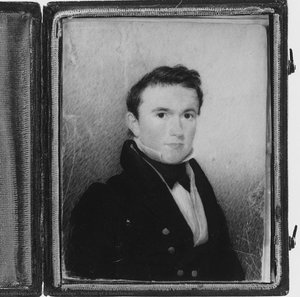
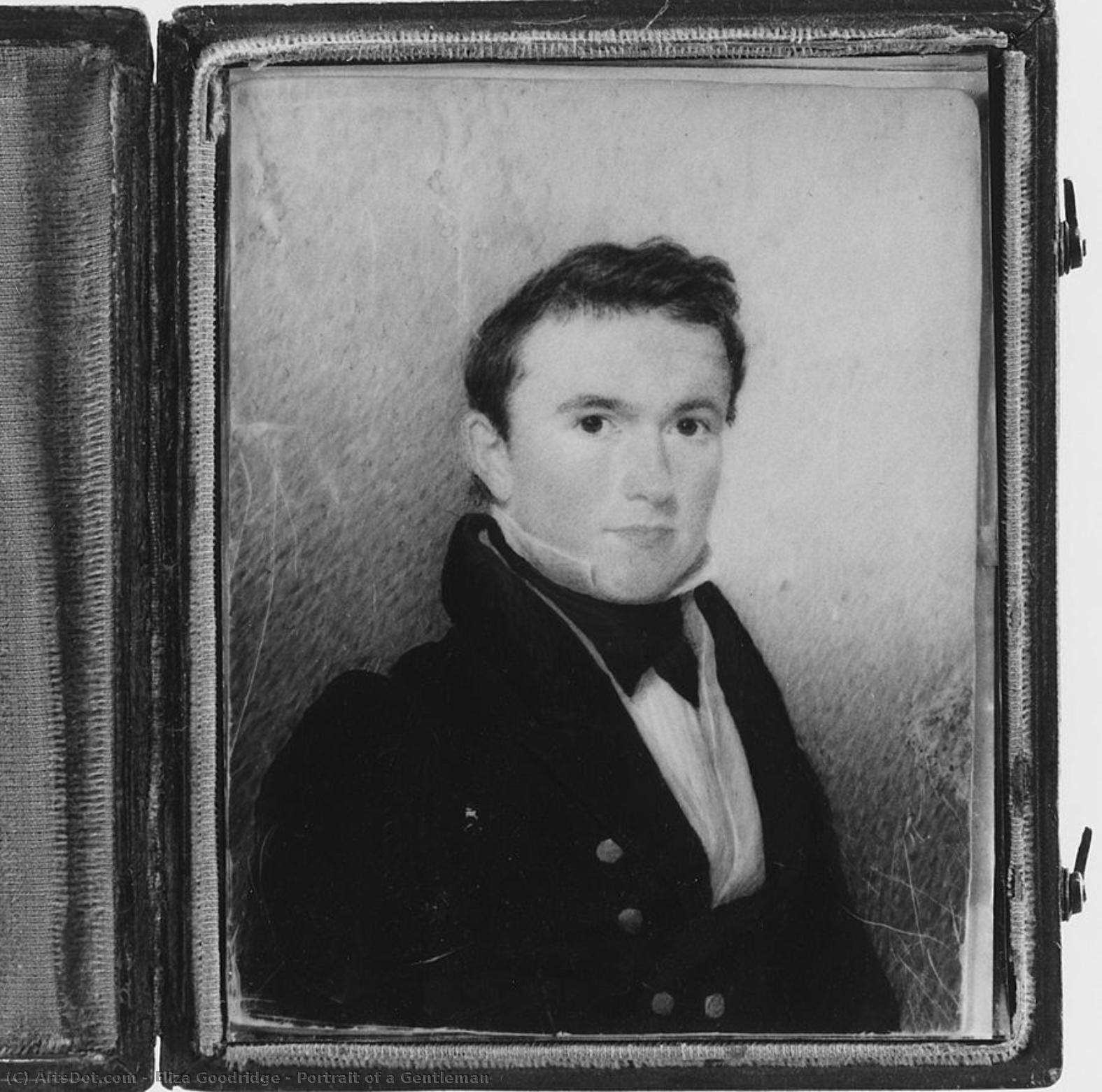
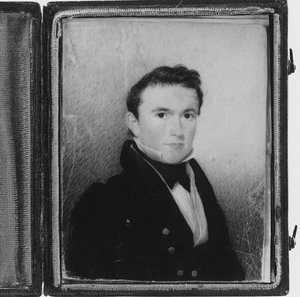
Retrato de un caballero
 Acrílico sobre lienzo
- Arte de pared
- Romantic Portraiture
 1829
1829 8.0 x 6.0 cm
 Museo Metropolitano de Arte
 Leer más
Reproducción al óleo hecha a mano
Óleo sobre lienzo pintado a mano en el tamaño y marco de su elección, realizado por encargo por nuestros artistas. ( Pedir impresión Comprar descarga)




P118B $10

P118H $10

P118W $10

P438Z $10

P508JH $12

P508YH $12

P805H $10

P805Z $10

P919BZ $10

P919G $10

P919XJ $10

P959ZH $10

P968JZ $12

W106C $8

W218G $10

W218JH $8

W218Y $10

W307PJ $10

W316G $10

W316PJ $8

W316Y $10

W398PJ $8

W4111J $10

W500HY $15

W500JH $15

W692G $12

W849H $8

W940BG $15

W953PJ $8




Elija entre nuestros tamaños predefinidos que respetan las proporciones originales de la obra.

Puede ingresar sus propias dimensiones para adaptarse a un marco o espacio específico. Si el tamaño seleccionado no coincide con las proporciones de la imagen original, recortaremos la obra o extenderemos la pintura con elementos adicionales pintados a mano. Se le enviará una maqueta digital para su aprobación antes de comenzar la producción.
Tenga en cuenta que la vista previa en pantalla no refleja el recorte o la extensión reales. Solo la maqueta mostrará con precisión la composición final.
Si bien existen tamaños personalizados, recomendamos seleccionar una dimensión de la lista predefinida para preservar las proporciones originales.
Tras realizar el pedido, el equipo de ArtsDot.com enviará un correo electrónico al cliente para solicitar instrucciones y proporcionarle una vista previa del boceto.
Envío a todo el mundo () en 3-4 semanas en lugar de las 5 semanas estándar. (21 agosto). Sin comprometer la calidad.

Envío exprés gratuito a todo el mundo

Lienzo de lino de alta calidad

Seguro de envío completo

Garantía de reembolso de aranceles aduaneros

Garantía de fidelidad cromática exacta

Política de devolución de 60 días (solo por defectos)

Garantía de devolución del 100% del dinero

Oferta por volumen
 La opción de vidrio solo está disponible en tamaños inferiores a 110 cm.

Retrato de un caballero
Técnica de reproducción
Tamaño de la reproducción
-


Precio total
$ 263
Descripción de la obra
Eliza Goodridge: Una Silueta de Dignidad Victoriana Capturada en Daguerreotipo
Este pequeño retrato, titulado "Portrait of a Gentleman" y creado alrededor de 1829 por Eliza Goodridge, ofrece una ventana fascinante al mundo artístico estadounidense de principios del siglo XIX. Más allá de su tamaño reducido (8 x 6 cm), la obra posee una belleza sorprendente en su simplicidad monocromática, resultado de una innovadora técnica fotográfica: el daguerreotipo. Esta impresión artística captura con precisión y sensibilidad la imagen original, ofreciendo una experiencia estética que trasciende el tiempo. ### Detalles Técnicos y Estéticos La maestría de Goodridge reside en la habilidad para transmitir una atmósfera de calma y formalidad mediante elementos técnicos cuidadosamente seleccionados. El retrato está ejecutado en pintura al agua sobre ivoiro, un soporte tradicional utilizado por artistas miniaturistas de la época. Sin embargo, lo que realmente distingue esta pieza es el proceso fotográfico empleado: la exposición de una placa de cobre recubierta de plata a vapor de yodo crea una imagen única con una calidad excepcional de detalle y profundidad tonal. Esta técnica, pionera para su tiempo, buscaba reproducir fielmente la realidad visual, capturando las líneas suaves de la piel y los reflejos brillantes del cabello con una precisión impresionante. Los materiales utilizados fueron plata, yodo y cobre, testimonio de la sofisticación artística de la época. ### Contexto Histórico y Simbolismo Subyacente El retrato pertenece a un período marcado por cambios sociales y culturales significativos en Gran Bretaña, donde el arte victoriano buscaba expresar valores como la virtud, la razón y el orden. Eliza Goodridge, aunque activa principalmente en privado, reflejó las tendencias estéticas dominantes de su tiempo, caracterizadas por una preferencia por imágenes claras y elegantes que celebraban la dignidad humana. La composición centrada en el rostro del sujeto refuerza esta sensación de solemnidad, invitando al espectador a contemplar la mirada directa del hombre retratado como símbolo de fortaleza interior y compromiso con los principios morales. Además, el vestido oscuro del caballero – típico de la moda masculina de ese período – puede interpretarse como representación de poder y prestigio social, elementos importantes en la sociedad victoriana. ### Impacto Emocional y Valor Artístico Actual Aunque aparentemente sencillo en apariencia, "Portrait of a Gentleman" posee una fuerza emocional sorprendente. La obra invita a la reflexión sobre la belleza de lo cotidiano y la capacidad del arte para capturar momentos esenciales de la vida humana. Más allá de su valor histórico como ejemplo temprano de fotografía artística, este retrato sigue siendo relevante hoy en día gracias a la habilidad excepcional de Eliza Goodridge para transmitir una sensación de calma, dignidad y sofisticación estética que continúa inspirando artistas y coleccionistas. Una reproducción de alta calidad ofrece la oportunidad de apreciar la belleza silenciosa de esta obra maestra del siglo XIX y de conectar con el espíritu artístico de una época fascinante.Obras relacionadas

Biografía del artista
Eliza Goodridge: A Victorian Portraitist of Subtle Grace
Eliza Goodridge, a largely unsung figure of 19th-century British art, possessed a remarkable talent for capturing the quiet dignity and nuanced emotions of her subjects. Born in Templeton, Massachusetts, in 1798, she navigated a world where opportunities for women, particularly those of modest means, were severely limited. Despite these constraints, Goodridge’s dedication to her craft blossomed into a distinguished career as a miniaturist portrait painter, primarily working within the confines of her family home and later establishing a small studio in York, Pennsylvania.
Her early life was marked by self-education, largely through observation and imitation. Like many women of her era, formal artistic training remained elusive. However, Goodridge’s innate talent for drawing quickly became apparent, evident in the detailed sketches she produced of family members and local figures. These preliminary works demonstrate a keen eye for likeness and an emerging ability to render texture and light – skills that would later define her miniature portraits. Her sister, Sarah Goodridge, also a miniaturist, served as a significant influence, though Eliza developed a distinct style characterized by a remarkable sensitivity to detail and a subtle use of color.
The Miniature as Medium
The 19th-century miniature portrait held a unique position in British society. More than mere likenesses, they were considered treasured keepsakes, often commissioned as gifts for loved ones or as memorials to the deceased. The intimate scale demanded an extraordinary level of precision and artistry – each detail, from the delicate folds of fabric to the subtle expression in the eyes, had to be rendered with meticulous care. Goodridge’s success lay precisely in her ability to achieve this level of realism within such a small format.
Unlike many portrait painters who relied on grand gestures and dramatic poses, Goodridge favored a more restrained approach. Her subjects were typically depicted in quiet, contemplative settings – often seated indoors, engaged in simple activities like reading or embroidery. This understated style allowed her to focus on capturing the inner life of her sitters, revealing their personalities through subtle shifts in expression and gesture. Her portraits weren’t about flamboyant display; they were about intimate understanding.
A Pennsylvania Studio and Expanding Clientele
In 1849, at the age of fifty-one, Eliza Goodridge married Colonel Ephraim Stone, a successful businessman who owned a general store and sawmill in Templeton. This union provided her with greater financial stability and access to a wider clientele. While she continued to work primarily from her home studio, she also accepted commissions from individuals throughout York County and beyond. Her reputation for capturing the likenesses of prominent citizens – including merchants, farmers, and members of the local elite – steadily grew.
Notable works from this period include portraits of Alice Goudry, a young woman from Wilmington, Massachusetts, and Stephen Salisbury III, a wealthy landowner. These paintings showcase Goodridge’s growing technical skill and her increasing confidence in portraying complex emotions. The American Antiquarian Society holds the largest collection of her known work, primarily consisting of miniature portraits of individuals associated with the region.
Themes of Domesticity and Victorian Values
Goodridge's oeuvre is deeply rooted in the values and conventions of 19th-century Victorian society. Her subjects are overwhelmingly women – wives, mothers, daughters – reflecting the prominent role they played within the domestic sphere. Her portraits often depict scenes of everyday life – reading, sewing, receiving visitors – subtly reinforcing the ideals of piety, modesty, and domesticity that were central to Victorian culture.
However, Goodridge’s work is not simply a celebration of these values. Through her careful observation and sensitive rendering of emotion, she also reveals the complexities and contradictions inherent in the lives of women during this period. Her portraits capture both the beauty and the burdens of domesticity, offering a poignant glimpse into the inner world of Victorian women.
Legacy and Historical Significance
Despite her considerable talent, Eliza Goodridge remained largely unrecognized during her lifetime. Her work was often dismissed as provincial or amateurish, overshadowed by the more celebrated achievements of her male contemporaries. It wasn’t until the mid-20th century that scholars began to appreciate the unique qualities of her miniature portraits – their exquisite detail, their subtle emotional depth, and their remarkable sensitivity to the nuances of human character.
Today, Eliza Goodridge is increasingly recognized as a significant figure in British art history. Her work offers a valuable window into the lives and experiences of Victorian women, providing insights into the social, cultural, and artistic landscape of 19th-century England. Her legacy continues to grow as researchers and collectors seek to uncover and celebrate the achievements of this remarkable miniaturist.
eliza goodridge
1798 - 1882
Datos clave
- Artistic Movement Or Style: Miniature portraiture
- Artists Or Movements Influenced By This Artist: ['Victorian Portraiture']
- Artists Who Influenced This Artist: ['Sarah Goodridge']
- Date Of Birth: 1798
- Date Of Death: 1882
- Full Name: Eliza Goodridge
- Nationality: British
- Notable Artworks:
- Portrait of a Gentleman
- Alice Goudry
- Portrait of a Lady
- Place Of Birth: Templeton, Massachusetts
Artículos relacionados
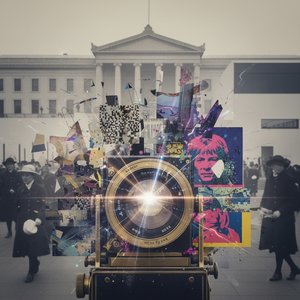
Beyond the Lens: Photography's Enduring Influence on Modern & Contemporary Art
Explore photography's pivotal role in shaping modern & contemporary art. Discover key movements, influential artists like Stieglitz, and expert collecting advice from ArtsDot.
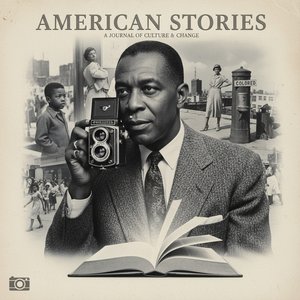
Gordon Parks: A Poetic Lens on American Life – Photography, Social Justice & Storytelling
Explore the profound work of Gordon Parks, a groundbreaking photographer who documented American life with unparalleled empathy and artistry. Discover his iconic images & lasting impact on social justice through Life magazine & beyond.

Monochrome Visions: Exploring the Aesthetic & Historical Significance of Black & White Photography
Explore the rich history & artistic power of black and white photography. From early techniques to iconic masters like Ansel Adams, discover why monochrome continues to captivate art lovers today. Expert insights for collectors.
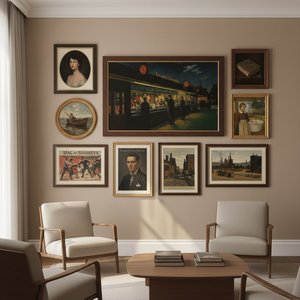
Realismo Estadounidense: 10 Obras Maestras que Cambiaron el Arte y la Decoración
Descubre 10 obras maestras del Realismo Estadounidense: Winslow Homer, Edward Hopper y más. Explora la historia, técnica y emoción de estos icónicos cuadros. Encuentra reproducciones de arte de museo en ArtsDot.com.
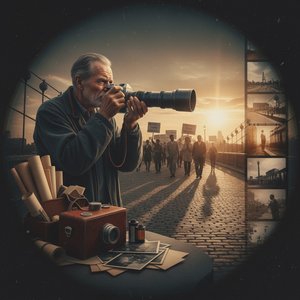
Witnessing History Through Lens & Light: Documentary Photography's Enduring Legacy
Explore the powerful history of documentary photography – from its origins to contemporary masters like Gordon Parks & W. Eugene Smith. Discover how this art form shapes our understanding of society and witness pivotal moments in time.