

 Ver en contexto
 Enviar
 Compartir
 Detalles

 Descargar
 Similares
 Radiografía
 Presentación de diapositivas
 Estadísticas
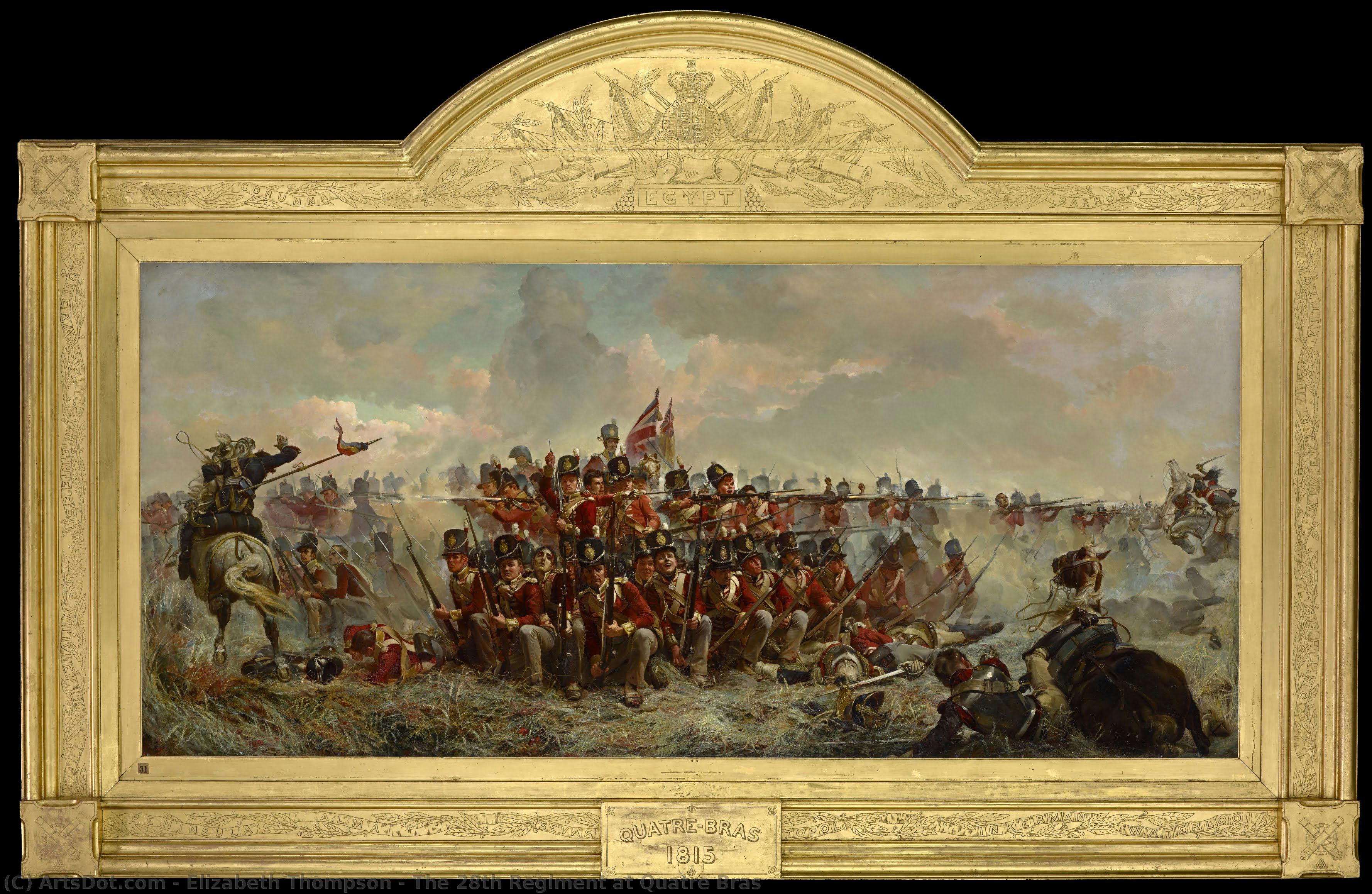
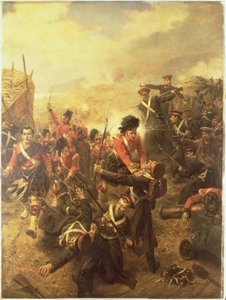
The 28th Regiment at Quatre Bras
 Oil On Canvas
- WallArt
- Historical Painting
 1875
1875 97.0 x 216.0 cm
 Galería Nacional de Victoria
 Ver más
Adquiera una imagen digital de alta resolución y optimizada, muy superior a la vista previa en línea.
Cada archivo es preparado meticulosamente por nuestros especialistas internos mediante el uso de herramientas avanzadas y un experto retoque manual. Nos aseguramos de que cada imagen posea una claridad excepcional, una precisión cromática impecable y un detalle minucioso.
El archivo final se entrega por correo electrónico en un plazo de 72 horas, optimizado para su uso inmediato en entornos profesionales, editoriales y de impresión. Esta es la misma calidad en la que confían los estudios de diseño, las editoriales y las galerías de primer nivel.
Imagen Digital
Descarga un archivo de alta resolución para exhibición personal, impresión y proyectos creativos. ( Cambiar a Impresión Comprar pintura hecha a mano)
Incluido en cada pedido de imágenes digitales
Entrega digital experta, garantizada.
Al elegir ArtsDot.com, no solo está adquiriendo una imagen; está recibiendo una obra de arte digital mejorada profesionalmente, elaborada con precisión y respaldada por una garantía de satisfacción. Esto es todo lo que incluye su pedido, automáticamente:

Entrega rápida por email
Recibirá su archivo de imagen digital en alta resolución por correo electrónico en un plazo de 72 horas tras realizar su pedido, listo para su uso inmediato.

Archivo digital optimizado por IA
Su obra de arte se optimiza profesionalmente mediante herramientas avanzadas de IA y edición manual, garantizando el máximo detalle, claridad y precisión cromática.

Reenvío gratuito de por vida
¿Has borrado o perdido tu archivo por error? No te preocupes: te lo volveremos a enviar en cualquier momento, sin coste adicional.

Sin gastos de importación, siempre
Disfrute de su obra de arte al instante sin aduanas, aranceles ni gastos de envío; las descargas digitales siempre están libres de impuestos.

Garantía de fidelidad de color
Garantizamos que su imagen digital refleje los colores originales con la mayor fidelidad posible, mediante el uso de herramientas profesionales y gestión del color.

Garantía de satisfacción de 100 días
Si no está satisfecho con su imagen digital, la revisaremos o le reembolsaremos el 100% en un plazo de 100 días, sin preguntas.

100% Garantía de devolución de dinero
¿No está satisfecho? Obtenga un reembolso completo dentro de los 100 días posteriores a la recepción de su archivo digital, sin preguntas.

Descuentos por pedidos grandes
Compra 3 imágenes, ahorra 10% - Compra 5, ahorra 15% - Compra 10+, ahorra 20%. Ideal para proyectos creativos, galerías y agencias.
A Frozen Moment of Valor: The Story Behind Elizabeth Thompson’s Masterpiece
Elizabeth Thompson's “The 28th Regiment at Quatre Bras,” a monumental oil painting completed in 1875, isn’t merely a depiction of a battle; it’s a visceral immersion into the heart of a pivotal moment in European history. Housed within the hallowed halls of the National Gallery of Victoria in Melbourne, Australia, this artwork transcends its canvas to become a testament to British military prowess and the enduring spirit of those who faced unimaginable odds. The painting captures the chaotic energy of the Battle of Quatre Bras, fought on June 16th, 1815, just two days before the decisive Battle of Waterloo – an engagement that shaped the destiny of Europe.
Thompson’s meticulous research and dedication to historical accuracy are immediately apparent. She didn't simply sketch a battlefield; she painstakingly reconstructed the scene based on Captain William Siborne’s detailed account, published in 1844. This commitment is evident in every brushstroke, from the meticulously rendered uniforms of the 28th (North Gloucestershire) Regiment of Foot to the muddy terrain and the smoke-filled sky – a deliberate attempt to convey the gritty reality of war. The painting isn’t romanticized; it's raw, honest, and profoundly moving.
The Regiment in Formation: Technique and Detail
Thompson’s technical skill is breathtaking. She masterfully employs layering techniques—glazes of oil paint built upon each other—to achieve a remarkable sense of depth and luminosity. The composition is broadly horizontal, emphasizing the length of the line of troops and creating an illusion of vastness, mirroring the scale of the battlefield. The artist’s attention to detail is astonishing; you can almost feel the weight of the muskets, hear the clash of steel, and smell the gunpowder. Note the careful rendering of textures – the rough wool of the uniforms, the damp earth beneath their feet, and the billowing smoke that obscures the horizon.
- Color Palette: A muted palette dominated by browns, grays, and ochres reflects the grim conditions of battle.
- Perspective: Strategic use of perspective draws the viewer into the scene, creating a sense of immediacy and involvement.
- Brushwork: Visible brushstrokes contribute to the painting’s textured surface, conveying a feeling of energy and movement.
A Historical Echo: The Battle of Quatre Bras
The Battle of Quatre Bras itself was a crucial, albeit often overlooked, engagement in Napoleon's disastrous invasion of England. Wellington, commanding the Anglo-allied forces, skillfully defended the crossroads at Quatre Bras against Marshal Ney’s French cavalry, buying precious time for Blücher’s Prussian army to arrive and ultimately defeat Napoleon at Waterloo. Thompson doesn’t simply depict a military event; she captures the strategic importance of this battle – a vital link in the chain that led to Napoleon's downfall.
Thompson went to extraordinary lengths to ensure the accuracy of her work, employing hundreds of British soldiers from the Royal Engineers as models. She meticulously recreated the uniforms, even commissioning replicas from the government clothing factory in Pimlico. She studied horse movements at Sanger’s Circus and the Horse Guards riding school, ensuring the charge of Napoleon's cavalry was rendered with stunning realism. The inclusion of a musketry instructor to demonstrate the loading procedure for the period’s flintlock ‘Brown Bess’ musket further underscores Thompson’s commitment to authenticity.
Symbolism and Emotional Resonance
Beyond its historical accuracy, “The 28th Regiment at Quatre Bras” resonates deeply with viewers on an emotional level. The painting isn't a glorification of war; it’s a poignant portrayal of courage in the face of adversity, highlighting the sacrifice and resilience of ordinary soldiers. The fallen figures in the foreground serve as stark reminders of the human cost of conflict, while the determined faces of the remaining troops convey a sense of unwavering resolve. The image speaks to themes of duty, honor, and the enduring spirit of humanity – qualities that continue to inspire awe and reflection today.
Obras relacionadas





Biografía del artista
El perdurable impacto de una artista suiza en el arte militar
Elizabeth Southerden Thompson, más tarde conocida como Lady Butler, fue una pintora británica, aunque a menudo se le atribuye erróneamente ser de Suiza. Sin embargo, su obra tuvo un profundo impacto en el mundo del arte militar, dejando una marca indeleble en este género.Primeros años y aspiraciones artísticas
Nacida en 1846, las inclinaciones artísticas de Thompson fueron evidentes desde muy temprana edad. Se especializó en pintar escenas de campañas y batallas militares británicas, incluyendo la guerra de Crimea y las guerras napoleónicas. Entre sus obras más notables se encuentran El Llamado, La Defensa de Rorke's Drift y ¡Escocia Para Siempre!.Estilo artístico y obras destacadas
El estilo de Thompson se caracterizó por su atención al detalle y su habilidad para capturar el patetismo y el heroísmo de la guerra. Su autobiografía, publicada en 1922, revela su motivación para pintar: "nunca pinté por la gloria de la guerra, sino para retratar su patetismo y heroísmo".- El Llamado - una conmovedora representación de la vida militar, que muestra el dominio de Thompson al capturar la profundidad emocional.
- La Defensa de Rorke's Drift - un testimonio de su capacidad para recrear momentos cruciales en la historia militar británica.
- ¡Escocia Para Siempre! - una celebración de la herencia escocesa, que resalta la versatilidad de Thompson como artista.
Legado y matrimonio
El matrimonio de Thompson con el oficial del ejército británico William Butler, quien más tarde fue ennoblecido, llevó a que fuera conocida como Lady Butler. Su legado perdura a través de su obra de arte, la cual continúa inspirando y educando. Explora más obras de Elizabeth Thompson en ArtsDot.com: * [https://ArtsDot.com/@/elizabeth-thompson](https://ArtsDot.com/@/elizabeth-thompson) - descubre la extensa colección de la artista. * /es/art/show/art-d3cl2x-es/ - conoce la vasta colección de ArtsDot que abarca desde el siglo XII hasta el XX. Descubre las historias detrás de sus obras notables: * El Llamado - /es/art/show/the-roll-callhttpsArtsDotcomartnsfart-enopen/ * La Defensa de Rorke's Drift - /es/art/show/the-defence-of-rorke27s-drifthttpsArtsDotcomartnsfart-enopen/ * ¡Escocia Para Siempre! - /es/art/show/scotland-foreverhttpsArtsDotcomartnsfart-enopen/
Elizabeth Thompson
1846 - 1933 , Suiza
Breves datos
- Artistic Movement Or Style: Victorian Painting
- Date Of Birth: 3 Nov. 1846
- Full Name: Elizabeth Southerden Thompson Butler
- Nationality: Swiss
- Notable Artworks:
- The Roll Call
- Defence of Rokr's Drift
- Scotland Forever!
- Place Of Birth: Lausanne, Switzerland