

 Ver en contexto
 Enviar
 Compartir
 Detalles

 Descargar
 Similares
 Radiografía
 Presentación de diapositivas
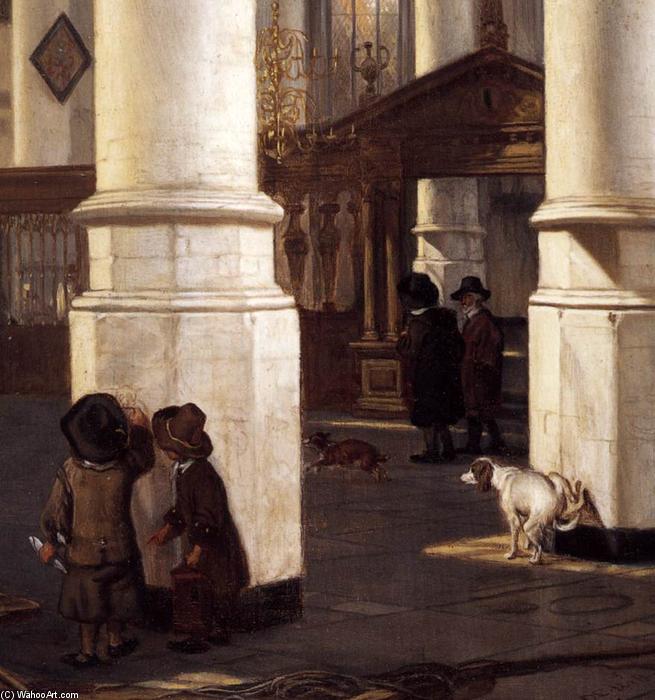
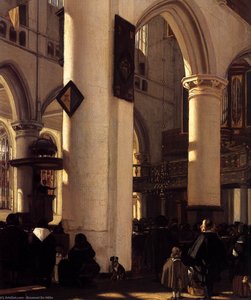
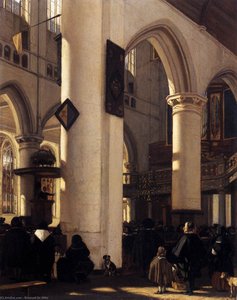
Interior of the Oude Kerk, Delft (detail)


 Ver más
Adquiera una imagen digital de alta resolución y optimizada, muy superior a la vista previa en línea.
Cada archivo es preparado meticulosamente por nuestros especialistas internos mediante el uso de herramientas avanzadas y un experto retoque manual. Nos aseguramos de que cada imagen posea una claridad excepcional, una precisión cromática impecable y un detalle minucioso.
El archivo final se entrega por correo electrónico en un plazo de 72 horas, optimizado para su uso inmediato en entornos profesionales, editoriales y de impresión. Esta es la misma calidad en la que confían los estudios de diseño, las editoriales y las galerías de primer nivel.
Imagen Digital
Descarga un archivo de alta resolución para exhibición personal, impresión y proyectos creativos. ( Comprar impresión Comprar pintura hecha a mano)
Incluido en cada pedido de imágenes digitales
Entrega digital experta, garantizada.
Al elegir ArtsDot.com, no solo está adquiriendo una imagen; está recibiendo una obra de arte digital mejorada profesionalmente, elaborada con precisión y respaldada por una garantía de satisfacción. Esto es todo lo que incluye su pedido, automáticamente:

Entrega rápida por email
Recibirá su archivo de imagen digital en alta resolución por correo electrónico en un plazo de 72 horas tras realizar su pedido, listo para su uso inmediato.

Archivo digital optimizado por IA
Su obra de arte se optimiza profesionalmente mediante herramientas avanzadas de IA y edición manual, garantizando el máximo detalle, claridad y precisión cromática.

Reenvío gratuito de por vida
¿Has borrado o perdido tu archivo por error? No te preocupes: te lo volveremos a enviar en cualquier momento, sin coste adicional.

Sin gastos de importación, siempre
Disfrute de su obra de arte al instante sin aduanas, aranceles ni gastos de envío; las descargas digitales siempre están libres de impuestos.

Garantía de fidelidad de color
Garantizamos que su imagen digital refleje los colores originales con la mayor fidelidad posible, mediante el uso de herramientas profesionales y gestión del color.

Garantía de satisfacción de 60 días
Si no está satisfecho con su imagen digital, la revisaremos o le reembolsaremos el 100% en un plazo de 60 días, sin preguntas.

100% Garantía de devolución de dinero
¿No está satisfecho? Obtenga un reembolso completo dentro de los 60 días posteriores a la recepción de su archivo digital, sin necesidad de explicaciones.

Descuentos por pedidos grandes
Compra 3 imágenes, ahorra 10% - Compra 5, ahorra 15% - Compra 10+, ahorra 20%. Ideal para proyectos creativos, galerías y agencias.
Descripción del coleccionable
A Glimpse Within: Emanuel de Witte’s Masterpiece
Emanuel de Witte's “Interior of the Oude Kerk, Delft (detail)” isn’t merely a depiction of a church; it’s an immersive experience. Painted in 1650, this remarkable work transcends simple architectural representation, offering instead a profound meditation on space, light, and the quiet dignity of everyday faith. De Witte, a lesser-known yet profoundly insightful figure within the Dutch Golden Age, eschewed the meticulous documentation favored by contemporaries like Pieter Saenredam. Instead, he sought to capture the *feeling* of being within these sacred spaces – the subtle play of shadows, the diffused light filtering through stained glass, and the palpable sense of contemplation that permeated the air.
The scene unfolds within the Oude Kerk, Delft’s historic parish church. We are presented with a carefully constructed illusion of depth, achieved through masterful perspective and an astute understanding of how light interacts with surfaces. The archways, rendered with remarkable precision, draw our eye into the heart of the composition, while the placement of figures – several individuals engaged in conversation or quiet reflection – anchors the scene within a believable reality. Notice the deliberate use of muted tones; De Witte avoids dramatic contrasts, favoring instead a harmonious palette that evokes a sense of serenity and timelessness.
The Artist’s Vision: De Witte's Unique Approach
Unlike many of his contemporaries who focused on the precise rendering of architectural details, De Witte prioritized atmosphere. He wasn’t interested in creating blueprints; he was striving to evoke a specific *mood*. This is evident in his treatment of light – it isn’t simply illuminating the scene; it's actively shaping it, casting long shadows and highlighting textures with subtle grace. This approach aligns with the broader artistic currents of the period, reflecting a shift towards valuing subjective experience over purely objective representation.
Born in Alkmaar in 1617, De Witte’s early training provided him with a solid foundation in geometry and perspective – skills he skillfully employed to create this illusionistic space. However, his artistic journey was marked by personal challenges, including financial difficulties and strained relationships. These complexities seem to subtly infuse the paintings with an underlying sense of melancholy or introspection, adding another layer of depth to their emotional resonance. His later years were spent in Amsterdam, where he continued to refine his distinctive style, often working as a painter for wealthy patrons.
Symbolism and Context: Delft’s Sacred Space
The Oude Kerk itself holds immense historical significance. As one of the oldest buildings in Delft, it represents not just a place of worship but also the very heart of the city's identity. During the 17th century, Dutch churches were often stripped of their opulent decorations following the Protestant Reformation, transforming them into spaces for civic gatherings and everyday life. This shift created a compelling subject matter for artists like De Witte, who could capture the evolving relationship between faith and community.
The presence of figures within the church – a dog near the right side, a suitcase on the left – adds layers of narrative to the scene. These seemingly mundane details invite speculation about the lives and experiences of those present, suggesting that this interior is not merely a static representation but a vibrant tableau of human interaction. The inclusion of the suitcase hints at travel and perhaps even a temporary departure from routine, while the dog suggests companionship and loyalty.
A Window to the Past: Reproduction and Appreciation
ArtsDot’s hand-painted reproductions offer an unparalleled opportunity to experience the beauty and depth of De Witte's “Interior of the Oude Kerk, Delft (detail).” Each reproduction meticulously recreates the artist’s masterful use of light, color, and perspective, capturing the essence of this iconic work. Whether adorning a grand salon or a more intimate space, this painting invites viewers to pause, reflect, and connect with the rich cultural heritage of Delft and the profound beauty of the Dutch Golden Age.
Obras relacionadas
Biografía del artista
Emanuel de Witte: Una Vida en Perspectiva
- Nacimiento: Alkmaar, Países Bajos (1617)
- Fallecimiento: Ámsterdam, Países Bajos (1692)
- Ocupación: Pintor de perspectiva holandés, pintor de género
Emanuel de Witte fue una figura significativa en el arte holandés del siglo XVII, reconocido por sus representaciones atmosféricas de interiores de iglesias. A diferencia de contemporáneos como Pieter Jansz Saenredam que priorizaban la exactitud arquitectónica, De Witte se centró en capturar el estado de ánimo y la luz dentro de estos espacios, creando experiencias inmersivas para el espectador.
Primeros Años y Formación
- Antecedentes Familiares: Nacido en Alkmaar, su padre era maestro de escuela, lo que sugiere una temprana exposición a la educación y los estudios intelectuales.
- Afiliación al Gremio: Se unió al gremio local de San Lucas en 1636, marcando su entrada formal en la profesión artística.
- Formación Temprana: Estudió con Evert van Aelst en Delft, un pintor de bodegones, lo que probablemente influyó en su atención al detalle y el uso de la luz.
- Primeras Obras: Inicialmente pintó retratos, escenas mitológicas y obras religiosas antes de especializarse en interiores de iglesias.
Desarrollo como Artista y Estilo Característico
- Traslado a Ámsterdam (1651): Esta reubicación demostró ser fundamental, proporcionando acceso a numerosas iglesias que se convirtieron en los temas de sus obras más celebradas.
- Énfasis en Interiores de Iglesias: De Witte se especializó cada vez más en representar interiores de iglesias, pintando frecuentemente la Oude Kerk en Ámsterdam desde varias perspectivas.
- Iglesias Imaginarias: Combinaba con frecuencia elementos de diferentes iglesias para crear espacios interiores idealizados, poblados por figuras e imbuídos de un sentido de realismo.
- Perspectiva Atmosférica: Su magistral uso de la luz y la sombra creó una atmósfera única dentro de sus pinturas, enfatizando las cualidades espaciales de los interiores. Walter Liedtke señaló que el principal interés de De Witte era "el espacio mismo - su luz, color, extensión pura y estado de ánimo".
Desafíos y Vida Personal
- Dificultades Personales: La vida de De Witte estuvo marcada por dificultades personales, incluyendo la muerte de su primera esposa y subsiguientes problemas legales que involucraron a su segunda esposa e hija.
- Servidumbre por Deuda: Fue forzado a una servidumbre por deuda al marchante de arte Joris de Wijs debido a limitaciones financieras y contratos rotos.
- Personalidad Difícil: Los registros indican un temperamento volátil, con relatos de gritarle a los clientes e involucrarse en disputas.
- Final Trágico: Murió bajo circunstancias trágicas en 1692, supuestamente intentando suicidarse colgándose de un puente del canal; la cuerda se rompió y se ahogó.
Legado y Significado Histórico
- Última Fase de la Pintura Arquitectónica: De Witte es considerado parte de la última fase de la pintura arquitectónica en los Países Bajos, uniendo la brecha entre la documentación meticulosa y la interpretación atmosférica.
- Influencia en Artistas Posteriores: Su innovador uso de la luz y la perspectiva influyó en generaciones posteriores de artistas.
- Representación de la Sociedad Holandesa: Sus pinturas ofrecen valiosas perspectivas sobre la vida religiosa y las costumbres sociales holandesas del siglo XVII.
- Colecciones de Museos: Obras de De Witte se encuentran en prestigiosas colecciones de todo el mundo, incluyendo el Museo Metropolitano de Arte, la Galería Nacional de Arte y el Rijksmuseum.
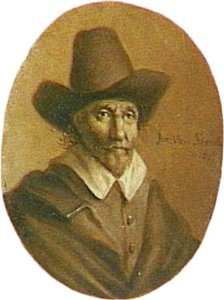
Emanuel De Witte
1617 - 1692 , Países Bajos
Breves datos
- Artistas Que Influyeron:
- Evert van Aelst
- Gerard Houckgeest
- Fecha De Fallecimiento: 1692
- Fecha De Nacimiento: 1617
- Lugar De Nacimiento: Alkmaar, Países Bajos
- Movimiento Artístico: Barroco, Perspectiva
- Nacionalidad: Neerlandés
- Nombre Completo: Emanuel de Witte
- Obras Notables:
- Interior de la Oude Kerk
- Interior de la Nieuwe Kerk

