 Ver en contexto
 Enviar
 Compartir
 Detalles

 Descargar
 Similares
 Radiografía
 Presentación de diapositivas
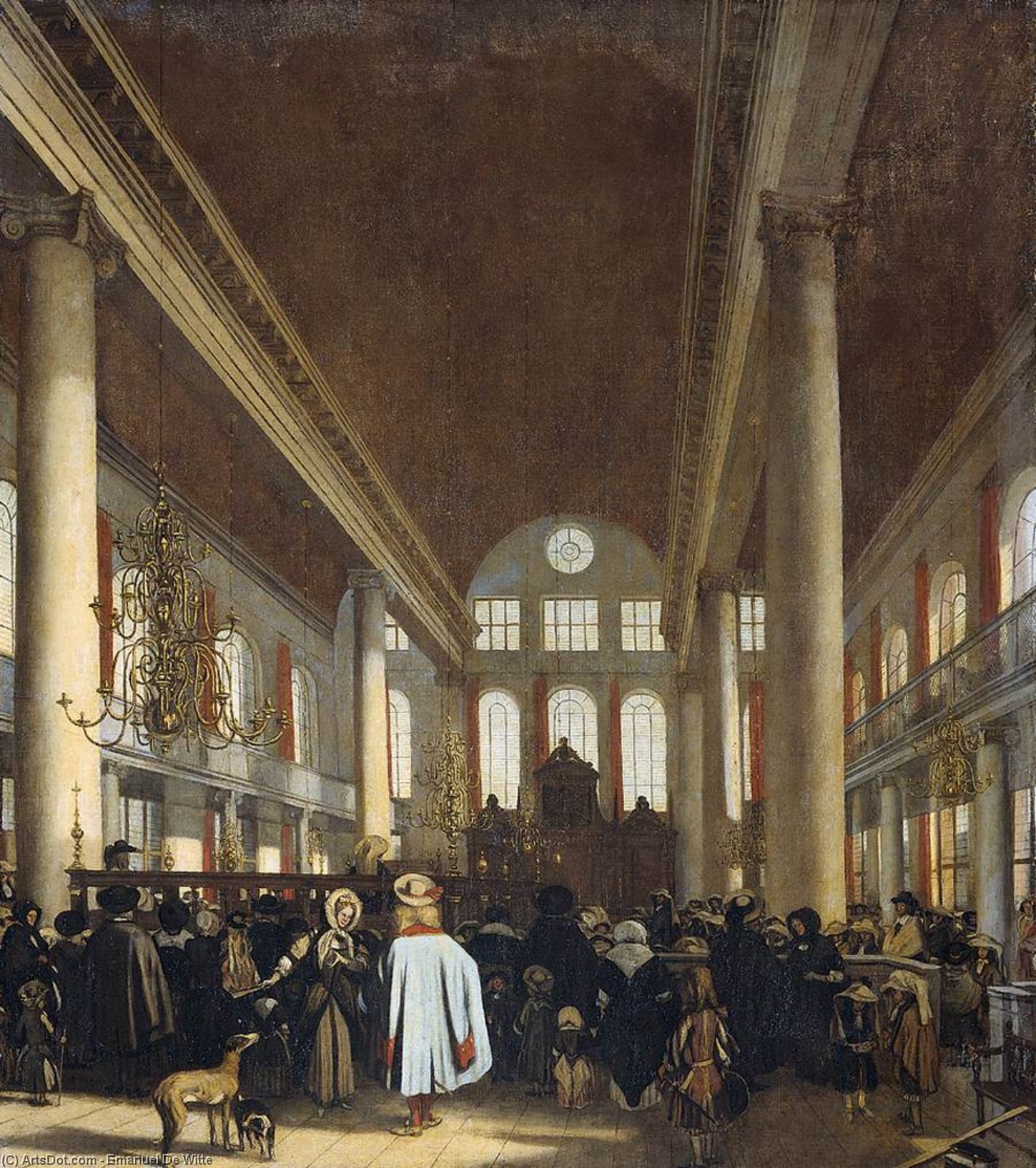
Interior of the Portuguese Synagogue in Amsterdam
 Acrylic On Canvas
- WallArt
- Baroque Interior
 1680
1680 110.0 x 99.0 cm
 Rijksmuseum
 Ver más
Reproducción al óleo hecha a mano
Óleo sobre lienzo pintado a mano en el tamaño y marco de su elección, realizado por encargo por nuestros artistas. ( Comprar impresión Comprar imagen)




P118B $10

P118H $10

P118W $10

P438Z $10

P508JH $12

P508YH $12

P805H $10

P805Z $10

P919BZ $10

P919G $10

P919XJ $10

P959ZH $10

P968JZ $12

W106C $8

W218G $10

W218JH $8

W218Y $10

W307PJ $10

W316G $10

W316PJ $8

W316Y $10

W398PJ $8

W4111J $10

W500HY $15

W500JH $15

W692G $12

W849H $8

W940BG $15

W953PJ $8




Elija entre nuestros tamaños predefinidos que respetan las proporciones originales de la obra.

Puede ingresar sus propias dimensiones para adaptarse a un marco o espacio específico. Si el tamaño seleccionado no coincide con las proporciones de la imagen original, recortaremos la obra o extenderemos la pintura con elementos adicionales pintados a mano. Se le enviará una maqueta digital para su aprobación antes de comenzar la producción.
Tenga en cuenta que la vista previa en pantalla no refleja el recorte o la extensión reales. Solo la maqueta mostrará con precisión la composición final.
Si bien existen tamaños personalizados, recomendamos seleccionar una dimensión de la lista predefinida para preservar las proporciones originales.
Tras realizar el pedido, el equipo de ArtsDot.com enviará un correo electrónico al cliente para solicitar instrucciones y proporcionarle una vista previa del boceto.
Envío a todo el mundo () en 3-4 semanas en lugar de las 5 semanas estándar. (2 septiembre). Sin comprometer la calidad.

Envío exprés gratuito a todo el mundo

Lienzo de lino de alta calidad

Seguro de envío total

Garantía de reembolso de impuestos aduaneros

Garantía de fidelidad cromática exacta

Política de devolución de 60 días (solo por defectos)

Garantía de devolución del 100% del dinero

Descuento por cantidad
 La opción de vidrio solo está disponible en tamaños inferiores a 110 cm.

Interior of the Portuguese Synagogue in Amsterdam
Técnica de reproducción
Dimensiones de la reproducción
-


Precio total final
$ 263
A Glimpse of Sacred Space: Emanuel de Witte’s Interior of the Portuguese Synagogue
Emanuel de Witte's "Interior of the Portuguese Synagogue in Amsterdam" is more than just a depiction of a building; it’s an invitation. Completed in 1680, this remarkable painting transports the viewer into the heart of a vibrant Sephardic Jewish community and offers a profound meditation on light, atmosphere, and the quiet power of shared faith. Unlike many of his contemporaries who meticulously documented architectural details – as exemplified by Pieter Saenredam – de Witte eschewed precise renderings in favor of capturing the *feeling* of space within the synagogue’s walls. He sought to evoke a sense of reverence and communal life, creating an immersive experience that resonates even centuries later.
The painting itself is a masterful exercise in chiaroscuro, utilizing dramatic contrasts between light and shadow to sculpt the room and draw the eye. The source of illumination, subtly suggested rather than explicitly shown, seems to emanate from above, bathing the scene in a warm, golden glow that highlights the intricate details of the architecture – the soaring ceiling, the ornate columns, and the delicate carvings adorning the walls. De Witte’s skill lies not just in his technical proficiency but in his ability to translate these visual elements into an emotional landscape. The muted palette—primarily browns, golds, and creams—contributes to a sense of solemnity and timelessness, anchoring the scene within its historical context.
A Window into Amsterdam's Sephardic Community
The Portuguese Synagogue itself is a testament to the flourishing Jewish community that had established roots in Amsterdam during the Dutch Golden Age. Following centuries of persecution in Spain and Portugal, these Sephardic Jews sought refuge in the tolerant Republic, establishing a thriving cultural and economic center. The synagogue, built between 1671 and 1675, was designed to be a magnificent symbol of their faith and heritage. It’s important to note that this wasn't simply a place of worship; it was also a social hub, a gathering place for the community, and a vital link to their ancestral traditions.
The painting captures this vibrant atmosphere with remarkable sensitivity. A diverse group of individuals – men and women, young and old – are depicted engaged in various activities: some standing in quiet contemplation, others listening attentively to the service, while still others interact with one another. The presence of a dog near the center adds an element of domesticity and warmth, suggesting the synagogue’s role as a welcoming space for all. The inclusion of a clock on the wall subtly anchors the scene within the broader context of 17th-century Amsterdam – a bustling metropolis at the forefront of artistic and intellectual innovation.
De Witte's Unique Approach to Interior Painting
Emanuel de Witte’s approach to painting interiors was truly groundbreaking. While other artists, like Saenredam, focused on meticulously rendering architectural details with geometric precision, de Witte prioritized capturing the *essence* of the space – its light, atmosphere, and emotional impact. He wasn't interested in creating a photographic representation; he sought to evoke a feeling, a mood, a sense of spiritual resonance. This is particularly evident in his masterful use of perspective, which subtly guides the viewer’s eye through the room, drawing them into the heart of the scene.
His work stands apart from the more rigid architectural studies of contemporaries like Saenredam. De Witte's focus on capturing the *feeling* of space—the interplay of light and shadow, the sense of depth and volume—created a uniquely immersive experience for the viewer. This emphasis on atmosphere is what makes his paintings so captivating and enduringly relevant today.
Symbolism and Emotional Resonance
Beyond its technical brilliance, “Interior of the Portuguese Synagogue” is rich in symbolism. The talliths, or prayer shawls, draped over the heads of the worshippers are a powerful reminder of their faith and identity. The bimah (platform) where the Torah is read signifies the central role of scripture in Jewish life. And the overall sense of quiet reverence suggests a deep connection between the community and its spiritual traditions.
Ultimately, this painting speaks to the universal human desire for belonging, for connection, and for solace. It’s a poignant reminder of the importance of faith, community, and shared experience – themes that continue to resonate with viewers today. Reproductions of this masterpiece offer a beautiful way to bring a touch of timeless elegance and spiritual contemplation into any space.
Obras relacionadas

Biografía del artista
Emanuel de Witte: Una Vida en Perspectiva
- Nacimiento: Alkmaar, Países Bajos (1617)
- Fallecimiento: Ámsterdam, Países Bajos (1692)
- Ocupación: Pintor de perspectiva holandés, pintor de género
Emanuel de Witte fue una figura significativa en el arte holandés del siglo XVII, reconocido por sus representaciones atmosféricas de interiores de iglesias. A diferencia de contemporáneos como Pieter Jansz Saenredam que priorizaban la exactitud arquitectónica, De Witte se centró en capturar el estado de ánimo y la luz dentro de estos espacios, creando experiencias inmersivas para el espectador.
Primeros Años y Formación
- Antecedentes Familiares: Nacido en Alkmaar, su padre era maestro de escuela, lo que sugiere una temprana exposición a la educación y los estudios intelectuales.
- Afiliación al Gremio: Se unió al gremio local de San Lucas en 1636, marcando su entrada formal en la profesión artística.
- Formación Temprana: Estudió con Evert van Aelst en Delft, un pintor de bodegones, lo que probablemente influyó en su atención al detalle y el uso de la luz.
- Primeras Obras: Inicialmente pintó retratos, escenas mitológicas y obras religiosas antes de especializarse en interiores de iglesias.
Desarrollo como Artista y Estilo Característico
- Traslado a Ámsterdam (1651): Esta reubicación demostró ser fundamental, proporcionando acceso a numerosas iglesias que se convirtieron en los temas de sus obras más celebradas.
- Énfasis en Interiores de Iglesias: De Witte se especializó cada vez más en representar interiores de iglesias, pintando frecuentemente la Oude Kerk en Ámsterdam desde varias perspectivas.
- Iglesias Imaginarias: Combinaba con frecuencia elementos de diferentes iglesias para crear espacios interiores idealizados, poblados por figuras e imbuídos de un sentido de realismo.
- Perspectiva Atmosférica: Su magistral uso de la luz y la sombra creó una atmósfera única dentro de sus pinturas, enfatizando las cualidades espaciales de los interiores. Walter Liedtke señaló que el principal interés de De Witte era "el espacio mismo - su luz, color, extensión pura y estado de ánimo".
Desafíos y Vida Personal
- Dificultades Personales: La vida de De Witte estuvo marcada por dificultades personales, incluyendo la muerte de su primera esposa y subsiguientes problemas legales que involucraron a su segunda esposa e hija.
- Servidumbre por Deuda: Fue forzado a una servidumbre por deuda al marchante de arte Joris de Wijs debido a limitaciones financieras y contratos rotos.
- Personalidad Difícil: Los registros indican un temperamento volátil, con relatos de gritarle a los clientes e involucrarse en disputas.
- Final Trágico: Murió bajo circunstancias trágicas en 1692, supuestamente intentando suicidarse colgándose de un puente del canal; la cuerda se rompió y se ahogó.
Legado y Significado Histórico
- Última Fase de la Pintura Arquitectónica: De Witte es considerado parte de la última fase de la pintura arquitectónica en los Países Bajos, uniendo la brecha entre la documentación meticulosa y la interpretación atmosférica.
- Influencia en Artistas Posteriores: Su innovador uso de la luz y la perspectiva influyó en generaciones posteriores de artistas.
- Representación de la Sociedad Holandesa: Sus pinturas ofrecen valiosas perspectivas sobre la vida religiosa y las costumbres sociales holandesas del siglo XVII.
- Colecciones de Museos: Obras de De Witte se encuentran en prestigiosas colecciones de todo el mundo, incluyendo el Museo Metropolitano de Arte, la Galería Nacional de Arte y el Rijksmuseum.
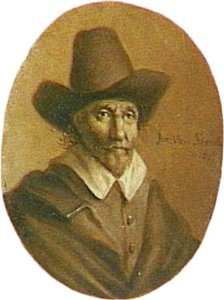
Emanuel De Witte
1617 - 1692 , Países Bajos
Datos clave
- Artistas Que Influyeron:
- Evert van Aelst
- Gerard Houckgeest
- Fecha De Fallecimiento: 1692
- Fecha De Nacimiento: 1617
- Lugar De Nacimiento: Alkmaar, Países Bajos
- Movimiento Artístico: Barroco, Perspectiva
- Nacionalidad: Neerlandés
- Nombre Completo: Emanuel de Witte
- Obras Notables:
- Interior de la Oude Kerk
- Interior de la Nieuwe Kerk
Artículos relacionados

Goya: Las 25 Obras Maestras del Genio Español | Reproducciones de Arte en ArtsDot
Descubre las 25 obras maestras de Goya, el genio español. Explora retratos icónicos, 'Los Caprichos' y 'Las Pinturas Negras'. Reproducciones de arte en lienzo de alta calidad para decorar tu hogar con estilo. ¡Encuentra tu obra favorita en ArtsDot.com!

Los 10 Maestros del Barroco Holandés: Obras que Definen una Época | ArtsDot
Descubre los 10 imprescindibles del Barroco holandés: Rembrandt, Vermeer y más. Explora la historia, técnica y belleza de estas obras maestras. Reproducciones de arte en ArtsDot.com para decorar tu hogar con elegancia.

Reflejos de una Época Dorada: La Pintura Barroca Holandesa y la Innovación Cultural
Descubra la riqueza y el detalle de la pintura barroca holandesa del Siglo de Oro. Explore las obras maestras de Rembrandt, Vermeer y otros artistas clave. Análisis experto e historia cultural.
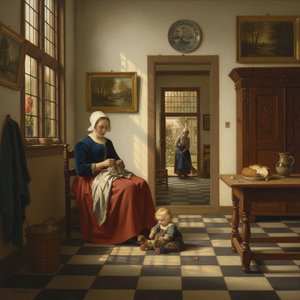
Pieter de Hooch: Illuminating Dutch Domestic Life & Golden Age Charm
Explore the captivating world of Pieter de Hooch, a master of Dutch Golden Age painting. Discover his innovative use of light, intimate domestic scenes, and lasting influence on art history. Learn more at ArtsDot.

Acerca de nosotros
Descubre nuestra historia! Llevamos el arte de clase mundial a tu vida gracias a una selección experta, creaciones personalizadas y vistas previas gratuitas. Aprobado por particulares y empresas desde el año 2000.