 Vista previa
 Compartir
 Compartir
 Ver detalles

 Descargar
 Ver similares
 Radiografía
 Presentación de diapositivas
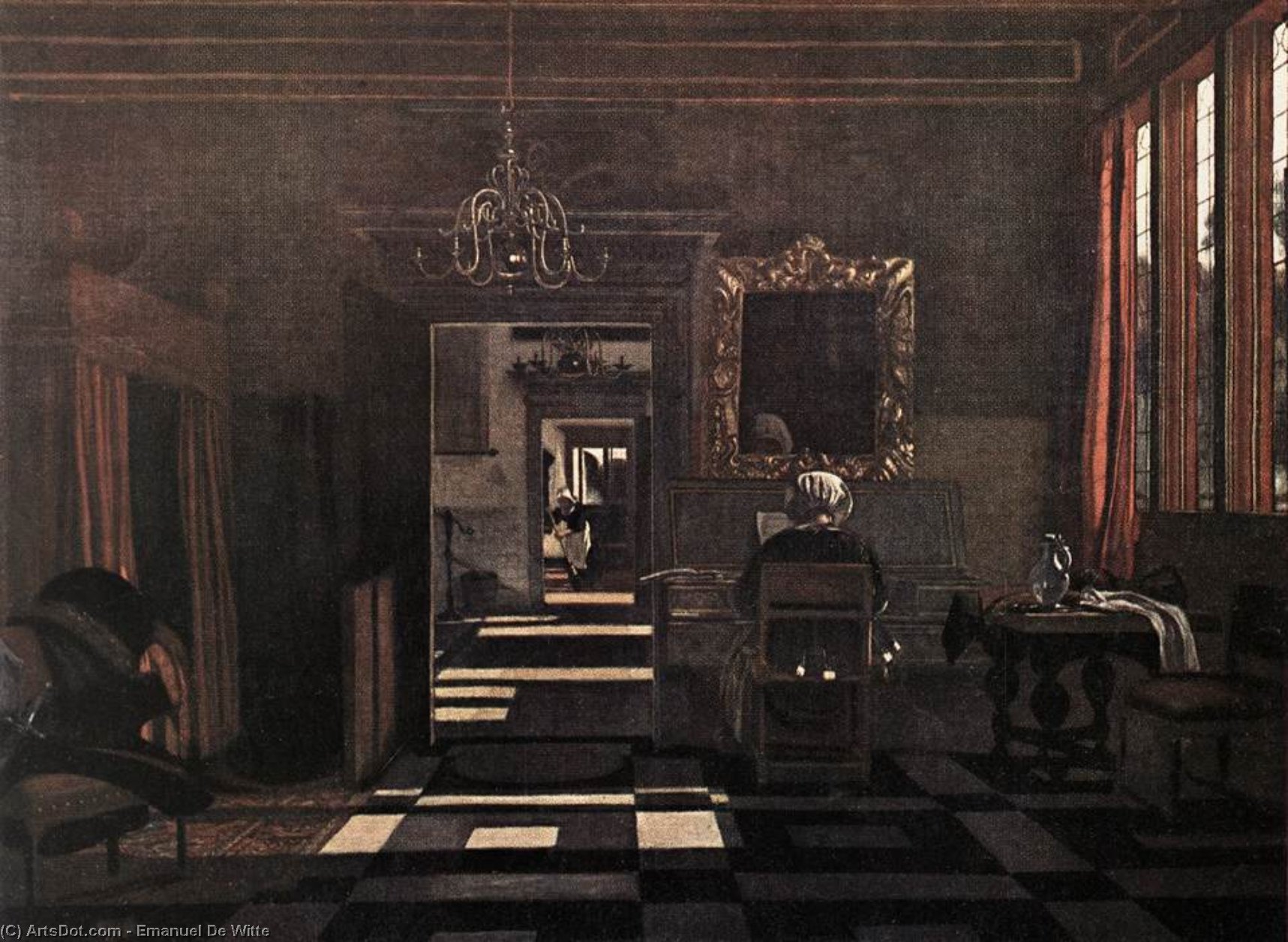
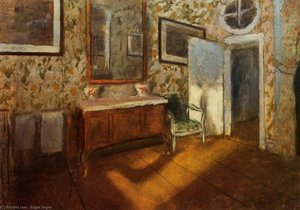
Interior with a Woman at the Virginals


 Leer más
Reproducción al óleo hecha a mano
Óleo sobre lienzo pintado a mano en el tamaño y marco de su elección, realizado por encargo por nuestros artistas. ( Pedir impresión Comprar descarga)




P118B $10

P118H $10

P118W $10

P438Z $10

P508JH $12

P508YH $12

P805H $10

P805Z $10

P919BZ $10

P919G $10

P919XJ $10

P959ZH $10

P968JZ $12

W106C $8

W218G $10

W218JH $8

W218Y $10

W307PJ $10

W316G $10

W316PJ $8

W316Y $10

W398PJ $8

W4111J $10

W500HY $15

W500JH $15

W692G $12

W849H $8

W940BG $15

W953PJ $8




Elija entre nuestros tamaños predefinidos que respetan las proporciones originales de la obra.

Puede ingresar sus propias dimensiones para adaptarse a un marco o espacio específico. Si el tamaño seleccionado no coincide con las proporciones de la imagen original, recortaremos la obra o extenderemos la pintura con elementos adicionales pintados a mano. Se le enviará una maqueta digital para su aprobación antes de comenzar la producción.
Tenga en cuenta que la vista previa en pantalla no refleja el recorte o la extensión reales. Solo la maqueta mostrará con precisión la composición final.
Si bien existen tamaños personalizados, recomendamos seleccionar una dimensión de la lista predefinida para preservar las proporciones originales.
Tras realizar el pedido, el equipo de ArtsDot.com enviará un correo electrónico al cliente para solicitar instrucciones y proporcionarle una vista previa del boceto.
Envío a todo el mundo () en 3-4 semanas en lugar de las 5 semanas estándar. (21 agosto). Sin comprometer la calidad.

Envío exprés gratuito a todo el mundo

Lienzo de lino de alta calidad

Seguro de envío completo

Garantía de reembolso de aranceles aduaneros

Garantía de fidelidad cromática exacta

Política de devolución de 60 días (solo por defectos)

Garantía de devolución del 100% del dinero

Oferta por volumen
 La opción de vidrio solo está disponible en tamaños inferiores a 110 cm.

Interior with a Woman at the Virginals
Técnica de reproducción
Tamaño de la reproducción
-


Precio total
$ 263
Descripción de la obra
A Moment of Quietude: Emanuel de Witte’s “Interior with a Woman at the Virginals”
Emanuel de Witte's "Interior with a Woman at the Virginals," painted in 1665, isn’t merely a depiction of a room; it’s an immersion into a carefully constructed atmosphere—a sanctuary of light, color, and contemplative stillness. Housed within the Museum Boijmans Van Beuningen in Rotterdam, this painting transcends its subject matter to become a profound meditation on domesticity, faith, and the subtle poetry of everyday life during the Dutch Golden Age. De Witte, a master of capturing the *feeling* of space rather than strict architectural accuracy – a departure from his contemporary Pieter Saenredam – skillfully employs perspective and light to draw the viewer into this intimate scene.
The painting centers on a woman seated at a virginal, a keyboard instrument favored during the Renaissance and Baroque periods. Her posture suggests either the completion of a musical performance or perhaps simply the quiet contemplation that follows. The room itself is richly furnished – chairs, tables, and a magnificent chandelier hanging from the ceiling—but these elements serve not as mere decoration, but as carefully considered components of a larger composition. The dark-and-white checkered carpet beneath her feet provides a grounding contrast to the warm tones of the wooden furniture and the walls, anchoring the scene in a tangible reality while simultaneously hinting at an idealized world.
Light and Shadow: De Witte’s Masterful Technique
De Witte's genius lies not just in his subject matter but in his extraordinary command of light. He doesn’t simply illuminate the room; he sculpts it with light, creating a dramatic interplay of highlights and shadows that imbues the scene with depth and atmosphere. The strong sunlight streaming through the window casts long, defined rays across the furniture and walls, while simultaneously softening the edges of objects and figures. This masterful use of chiaroscuro—the contrast between light and dark—is characteristic of Baroque painting and elevates “Interior with a Woman at the Virginals” beyond a simple portrait to a truly captivating visual experience.
The artist’s attention to detail is equally remarkable. The ornate decorations on the walls, the intricate patterns of the carpet, and the delicate features of the woman playing the virginal are rendered with meticulous precision. Yet, these details never feel overwhelming; instead, they contribute to a sense of harmonious balance and understated elegance. De Witte’s skill in capturing both the grand scale of the room and the intimate details within it is a testament to his artistic mastery.
A Window into 17th-Century Dutch Life
“Interior with a Woman at the Virginals” offers a fascinating glimpse into the domestic life of 17th-century Holland. The virginal itself, a symbol of refinement and musical culture, suggests a comfortable and prosperous household. The presence of the mirror reflects not only the room’s interior but also hints at the broader social context – a world where wealth and status were often expressed through elaborate interiors and refined pursuits. The painting speaks to a time when music played a significant role in domestic life, providing entertainment, education, and spiritual enrichment.
Furthermore, De Witte’s focus on capturing the *feeling* of space—a departure from the strictly architectural approach of contemporaries like Pieter Saenredam—reflects a broader shift in artistic sensibilities during this period. He wasn't simply documenting buildings; he was conveying the emotional and spiritual atmosphere within them. This emphasis on atmosphere, combined with his masterful use of light and color, makes “Interior with a Woman at the Virginals” a truly timeless masterpiece.
Collecting a Legacy: Reproductions and Inspiration
Today, reproductions of "Interior with a Woman at the Virginals" offer art lovers worldwide an opportunity to experience De Witte’s remarkable vision. ArtsDot offers high-quality hand-painted reproductions that faithfully capture the painting's original beauty and atmosphere. Whether adorning a grand salon or a cozy study, this iconic artwork will undoubtedly add a touch of elegance, tranquility, and historical depth to any space.
Beyond its aesthetic appeal, “Interior with a Woman at the Virginals” serves as a reminder of the power of art to transport us to another time and place. It’s an invitation to slow down, appreciate the beauty of everyday life, and contemplate the enduring mysteries of human experience—a legacy beautifully preserved through ArtsDot's meticulous reproductions.
Obras relacionadas
Biografía del artista
Emanuel de Witte: Una Vida en Perspectiva
- Nacimiento: Alkmaar, Países Bajos (1617)
- Fallecimiento: Ámsterdam, Países Bajos (1692)
- Ocupación: Pintor de perspectiva holandés, pintor de género
Emanuel de Witte fue una figura significativa en el arte holandés del siglo XVII, reconocido por sus representaciones atmosféricas de interiores de iglesias. A diferencia de contemporáneos como Pieter Jansz Saenredam que priorizaban la exactitud arquitectónica, De Witte se centró en capturar el estado de ánimo y la luz dentro de estos espacios, creando experiencias inmersivas para el espectador.
Primeros Años y Formación
- Antecedentes Familiares: Nacido en Alkmaar, su padre era maestro de escuela, lo que sugiere una temprana exposición a la educación y los estudios intelectuales.
- Afiliación al Gremio: Se unió al gremio local de San Lucas en 1636, marcando su entrada formal en la profesión artística.
- Formación Temprana: Estudió con Evert van Aelst en Delft, un pintor de bodegones, lo que probablemente influyó en su atención al detalle y el uso de la luz.
- Primeras Obras: Inicialmente pintó retratos, escenas mitológicas y obras religiosas antes de especializarse en interiores de iglesias.
Desarrollo como Artista y Estilo Característico
- Traslado a Ámsterdam (1651): Esta reubicación demostró ser fundamental, proporcionando acceso a numerosas iglesias que se convirtieron en los temas de sus obras más celebradas.
- Énfasis en Interiores de Iglesias: De Witte se especializó cada vez más en representar interiores de iglesias, pintando frecuentemente la Oude Kerk en Ámsterdam desde varias perspectivas.
- Iglesias Imaginarias: Combinaba con frecuencia elementos de diferentes iglesias para crear espacios interiores idealizados, poblados por figuras e imbuídos de un sentido de realismo.
- Perspectiva Atmosférica: Su magistral uso de la luz y la sombra creó una atmósfera única dentro de sus pinturas, enfatizando las cualidades espaciales de los interiores. Walter Liedtke señaló que el principal interés de De Witte era "el espacio mismo - su luz, color, extensión pura y estado de ánimo".
Desafíos y Vida Personal
- Dificultades Personales: La vida de De Witte estuvo marcada por dificultades personales, incluyendo la muerte de su primera esposa y subsiguientes problemas legales que involucraron a su segunda esposa e hija.
- Servidumbre por Deuda: Fue forzado a una servidumbre por deuda al marchante de arte Joris de Wijs debido a limitaciones financieras y contratos rotos.
- Personalidad Difícil: Los registros indican un temperamento volátil, con relatos de gritarle a los clientes e involucrarse en disputas.
- Final Trágico: Murió bajo circunstancias trágicas en 1692, supuestamente intentando suicidarse colgándose de un puente del canal; la cuerda se rompió y se ahogó.
Legado y Significado Histórico
- Última Fase de la Pintura Arquitectónica: De Witte es considerado parte de la última fase de la pintura arquitectónica en los Países Bajos, uniendo la brecha entre la documentación meticulosa y la interpretación atmosférica.
- Influencia en Artistas Posteriores: Su innovador uso de la luz y la perspectiva influyó en generaciones posteriores de artistas.
- Representación de la Sociedad Holandesa: Sus pinturas ofrecen valiosas perspectivas sobre la vida religiosa y las costumbres sociales holandesas del siglo XVII.
- Colecciones de Museos: Obras de De Witte se encuentran en prestigiosas colecciones de todo el mundo, incluyendo el Museo Metropolitano de Arte, la Galería Nacional de Arte y el Rijksmuseum.
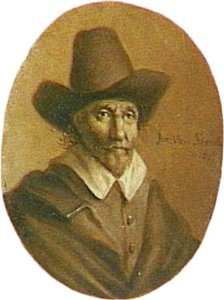
Emanuel De Witte
1617 - 1692 , Países Bajos
Datos clave
- Artistas Que Influyeron:
- Evert van Aelst
- Gerard Houckgeest
- Fecha De Fallecimiento: 1692
- Fecha De Nacimiento: 1617
- Lugar De Nacimiento: Alkmaar, Países Bajos
- Movimiento Artístico: Barroco, Perspectiva
- Nacionalidad: Neerlandés
- Nombre Completo: Emanuel de Witte
- Obras Notables:
- Interior de la Oude Kerk
- Interior de la Nieuwe Kerk
Artículos relacionados

Solicitudes Comerciales
APS ofrece reproducciones de bellas artes y encargos personalizados desde 2004. Confían en nosotros corporaciones, hoteles y coleccionistas selectos para obras de arte de calidad museística, servicio discreto y soluciones artísticas completas. ¡Póngase en contacto con nosotros para obtener un presupuesto personalizado!

Los 10 Maestros del Siglo de Oro Holandés: Arte, Historia y Decoración Exclusiva
Descubre los 10 imprescindibles del Siglo de Oro Holandés: Rembrandt, Vermeer y más. Explora la historia, técnica y belleza de estos lienzos clásicos. Encuentra reproducciones de arte exclusivas para decorar tu hogar en .
Pieter de Hooch: Illuminating Dutch Domestic Life & Golden Age Charm
Explore the captivating world of Pieter de Hooch, a master of Dutch Golden Age painting. Discover his innovative use of light, intimate domestic scenes, and lasting influence on art history. Learn more at ArtsDot.

Reflejos de una Época Dorada: La Pintura Barroca Holandesa y la Innovación Cultural
Descubra la riqueza y el detalle de la pintura barroca holandesa del Siglo de Oro. Explore las obras maestras de Rembrandt, Vermeer y otros artistas clave. Análisis experto e historia cultural.
Willem van de Velde the Elder: Master of Maritime Painting & Chronicler of the Dutch Golden Age
Discover the captivating maritime paintings of Willem van de Velde the Elder, a master chronicler of the Dutch Golden Age. Explore his unparalleled realism and lasting influence on naval art history.