 Ver en contexto
 Enviar
 Compartir
 Detalles

 Descargar
 Similares
 Radiografía
 Presentación de diapositivas
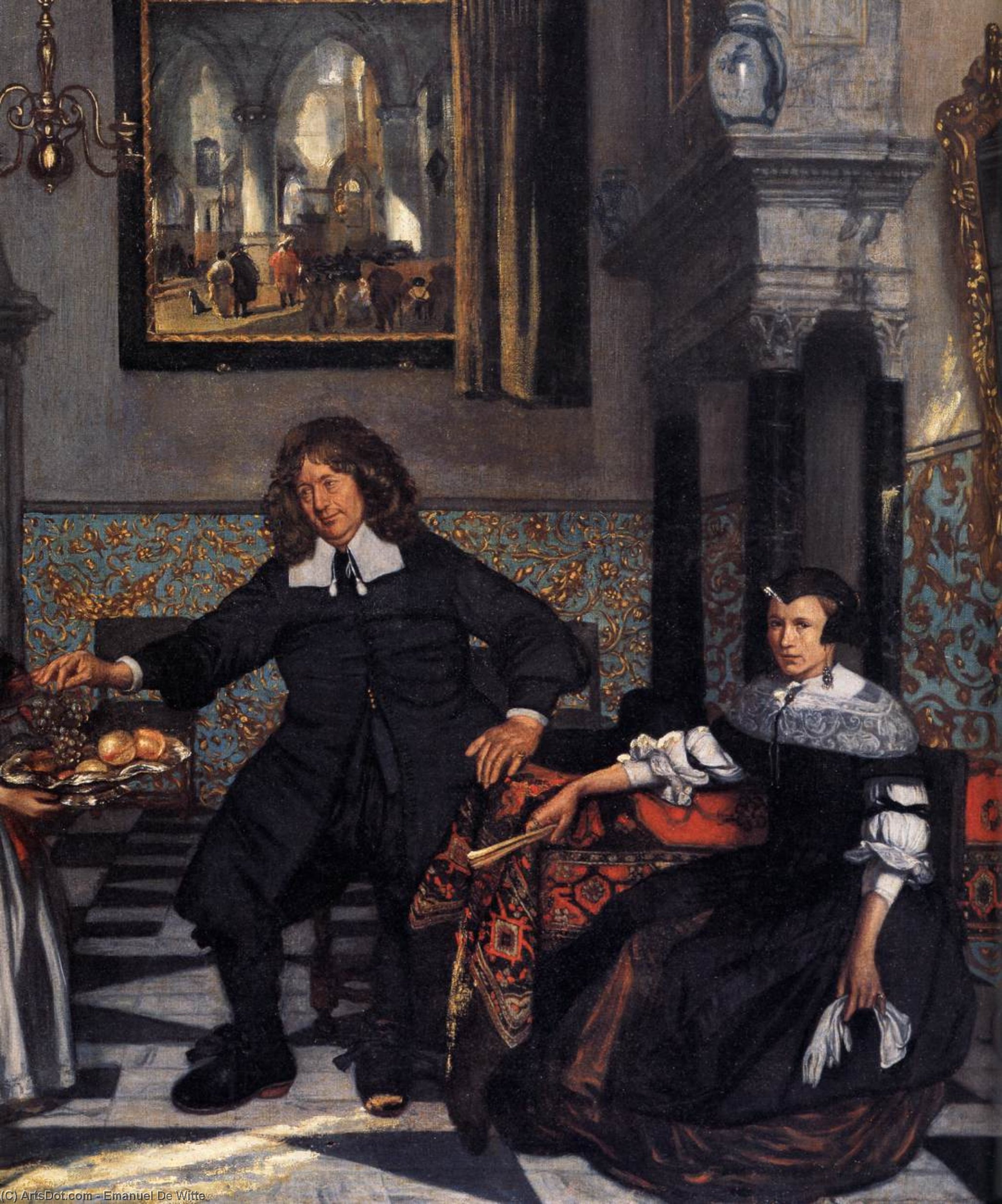
Portrait of a Family in an Interior (detail)


 Ver más
Giclée / Impresión de arte
Impresiones giclée o en lienzo de calidad de museo con producción rápida y opciones de acabado flexibles. ( Comprar pintura hecha a mano Comprar imagen)




P118B $10

P118H $10

P118W $10

P438Z $10

P508JH $12

P508YH $12

P805H $10

P805Z $10

P919BZ $10

P919G $10

P919XJ $10

P959ZH $10

P968JZ $12

W106C $8

W218G $10

W218JH $8

W218Y $10

W307PJ $10

W316G $10

W316PJ $8

W316Y $10

W398PJ $8

W4111J $10

W500HY $15

W500JH $15

W692G $12

W849H $8

W940BG $15

W953PJ $8




Elija entre nuestros tamaños predefinidos que respetan las proporciones originales de la obra.

Puede introducir sus propias dimensiones para adaptarse a un marco o espacio específico. Si el tamaño seleccionado no coincide con las proporciones de la imagen original, recortaremos la obra de arte o extenderemos la imagen con un borde con efecto espejo o de color sólido. Se enviará una maqueta digital para su aprobación antes de que comience la producción.
Tenga en cuenta que la vista previa en pantalla no refleja el recorte o la extensión real. Solo la maqueta mostrará con precisión la composición final.
Aunque existen tamaños personalizados, recomendamos seleccionar una dimensión de la lista predefinida para preservar las proporciones originales.
Envío a todo el mundo () en 2 semanas en lugar de las 4/5 semanas estándar. (3 septiembre)

Envío exprés gratuito a todo el mundo

Lienzo de lino de alta calidad

Seguro de envío total

Garantía de reembolso de impuestos aduaneros

Garantía de fidelidad cromática exacta

Política de devolución de 60 días (solo por defectos)

Garantía de devolución del 100% del dinero

Descuento por cantidad
 La opción de vidrio solo está disponible en tamaños inferiores a 110 cm.

Portrait of a Family in an Interior (detail)
Giclée / Impresión de arte
Dimensiones de la reproducción
-


Precio total final
$ 62
A Glimpse into Dutch Golden Age Domesticity
Emanuel de Witte's “Portrait of a Family in an Interior” (1678) isn’t merely a depiction of a wealthy household; it’s a carefully constructed tableau vivant, a frozen moment brimming with quiet dignity and subtle narrative. Painted during the height of the Dutch Golden Age, this oil on canvas offers a rare glimpse into the lives of a prosperous family within their richly appointed home—a space designed to project status, comfort, and an idealized vision of domesticity. De Witte, unlike his contemporary Pieter Saenredam who meticulously documented church interiors, eschewed architectural precision in favor of capturing the *feeling* of space – the diffused light, the sense of contained warmth, and the quiet drama of everyday life within a private setting.
The scene unfolds with an almost theatrical restraint. A man, seated and radiating authority, occupies the left side of the composition, while his wife, positioned gracefully beside him, commands attention on the right. Their poses are formal, suggesting a carefully cultivated image of respectability and social standing – hallmarks of 17th-century portraiture. The inclusion of a large painting hanging on the wall, depicting an outdoor scene with horses or carriages, hints at a broader world beyond their domestic sphere, subtly connecting them to a lineage of wealth and privilege. The table before them, laden with apples and oranges, is not simply a decorative element; it’s a potent symbol of abundance and prosperity – a visual testament to the family's financial security.
Masterful Technique: Light, Perspective, and Texture
De Witte’s technical skill is immediately apparent in the painting’s luminous quality. He expertly manipulates light, creating an atmosphere of diffused warmth that seems to emanate from an unseen source. This isn't a harsh, dramatic illumination; rather, it’s a gentle glow that softens the forms and imbues the scene with a sense of intimacy. The artist employs linear perspective to create depth within the room, guiding the viewer’s eye towards the distant painting on the wall – a clever device that expands the spatial boundaries of the canvas. Close inspection reveals a mastery of texture; from the smooth sheen of the polished furniture to the rougher surface of the stone fireplace and the glossy ripeness of the fruit, De Witte meticulously renders a diverse range of materials.
The brushstrokes themselves are generally blended seamlessly, contributing to the painting’s overall smoothness. However, subtle variations in texture – particularly in the drapery and the details of the clothing – hint at the artist's deliberate hand. The use of oil paint allowed for layering and blending, creating a rich, complex surface that captures both light and shadow with remarkable accuracy.
Symbolism and Context: A Window into Dutch Society
“Portrait of a Family in an Interior” is more than just a likeness; it’s a carefully constructed statement about wealth, status, and the values of 17th-century Dutch society. The abundance of fruit on the table – apples and oranges – carries symbolic weight, representing fertility, prosperity, and good fortune. The formal poses of the figures suggest dignity and composure, reflecting the importance placed on social decorum during that era. The inclusion of the distant painting adds another layer to the narrative, hinting at a family history rooted in land ownership and aristocratic connections.
Painted in 1678, the work reflects the flourishing artistic climate of the Dutch Golden Age – a period marked by economic prosperity, intellectual curiosity, and a burgeoning interest in realism. De Witte’s focus on capturing the *feeling* of space and atmosphere aligns with a broader shift away from purely representational art towards a more subjective and emotionally resonant style.
A Legacy of Atmospheric Interiors
Emanuel de Witte, born in Alkmaar in 1617 and tragically dying in Amsterdam in 1692, remains a somewhat enigmatic figure within the pantheon of Dutch Golden Age masters. While his name may not be as widely recognized as those of Rembrandt or Vermeer, his contributions to the genre of interior painting are significant. His ability to evoke a sense of space, light, and atmosphere—a skill he honed by studying geometry and perspective—sets him apart. “Portrait of a Family in an Interior” stands as a testament to his artistic vision, offering a captivating glimpse into the world of 17th-century Dutch domesticity and solidifying his place as a master of atmospheric painting.
Obras relacionadas

Biografía del artista
Emanuel de Witte: Una Vida en Perspectiva
- Nacimiento: Alkmaar, Países Bajos (1617)
- Fallecimiento: Ámsterdam, Países Bajos (1692)
- Ocupación: Pintor de perspectiva holandés, pintor de género
Emanuel de Witte fue una figura significativa en el arte holandés del siglo XVII, reconocido por sus representaciones atmosféricas de interiores de iglesias. A diferencia de contemporáneos como Pieter Jansz Saenredam que priorizaban la exactitud arquitectónica, De Witte se centró en capturar el estado de ánimo y la luz dentro de estos espacios, creando experiencias inmersivas para el espectador.
Primeros Años y Formación
- Antecedentes Familiares: Nacido en Alkmaar, su padre era maestro de escuela, lo que sugiere una temprana exposición a la educación y los estudios intelectuales.
- Afiliación al Gremio: Se unió al gremio local de San Lucas en 1636, marcando su entrada formal en la profesión artística.
- Formación Temprana: Estudió con Evert van Aelst en Delft, un pintor de bodegones, lo que probablemente influyó en su atención al detalle y el uso de la luz.
- Primeras Obras: Inicialmente pintó retratos, escenas mitológicas y obras religiosas antes de especializarse en interiores de iglesias.
Desarrollo como Artista y Estilo Característico
- Traslado a Ámsterdam (1651): Esta reubicación demostró ser fundamental, proporcionando acceso a numerosas iglesias que se convirtieron en los temas de sus obras más celebradas.
- Énfasis en Interiores de Iglesias: De Witte se especializó cada vez más en representar interiores de iglesias, pintando frecuentemente la Oude Kerk en Ámsterdam desde varias perspectivas.
- Iglesias Imaginarias: Combinaba con frecuencia elementos de diferentes iglesias para crear espacios interiores idealizados, poblados por figuras e imbuídos de un sentido de realismo.
- Perspectiva Atmosférica: Su magistral uso de la luz y la sombra creó una atmósfera única dentro de sus pinturas, enfatizando las cualidades espaciales de los interiores. Walter Liedtke señaló que el principal interés de De Witte era "el espacio mismo - su luz, color, extensión pura y estado de ánimo".
Desafíos y Vida Personal
- Dificultades Personales: La vida de De Witte estuvo marcada por dificultades personales, incluyendo la muerte de su primera esposa y subsiguientes problemas legales que involucraron a su segunda esposa e hija.
- Servidumbre por Deuda: Fue forzado a una servidumbre por deuda al marchante de arte Joris de Wijs debido a limitaciones financieras y contratos rotos.
- Personalidad Difícil: Los registros indican un temperamento volátil, con relatos de gritarle a los clientes e involucrarse en disputas.
- Final Trágico: Murió bajo circunstancias trágicas en 1692, supuestamente intentando suicidarse colgándose de un puente del canal; la cuerda se rompió y se ahogó.
Legado y Significado Histórico
- Última Fase de la Pintura Arquitectónica: De Witte es considerado parte de la última fase de la pintura arquitectónica en los Países Bajos, uniendo la brecha entre la documentación meticulosa y la interpretación atmosférica.
- Influencia en Artistas Posteriores: Su innovador uso de la luz y la perspectiva influyó en generaciones posteriores de artistas.
- Representación de la Sociedad Holandesa: Sus pinturas ofrecen valiosas perspectivas sobre la vida religiosa y las costumbres sociales holandesas del siglo XVII.
- Colecciones de Museos: Obras de De Witte se encuentran en prestigiosas colecciones de todo el mundo, incluyendo el Museo Metropolitano de Arte, la Galería Nacional de Arte y el Rijksmuseum.
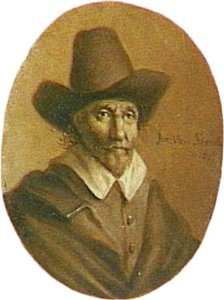
Emanuel De Witte
1617 - 1692 , Países Bajos
Datos clave
- Artistas Que Influyeron:
- Evert van Aelst
- Gerard Houckgeest
- Fecha De Fallecimiento: 1692
- Fecha De Nacimiento: 1617
- Lugar De Nacimiento: Alkmaar, Países Bajos
- Movimiento Artístico: Barroco, Perspectiva
- Nacionalidad: Neerlandés
- Nombre Completo: Emanuel de Witte
- Obras Notables:
- Interior de la Oude Kerk
- Interior de la Nieuwe Kerk
Artículos relacionados

Los 10 Maestros del Siglo de Oro Holandés: Arte, Historia y Decoración Exclusiva
Descubre los 10 imprescindibles del Siglo de Oro Holandés: Rembrandt, Vermeer y más. Explora la historia, técnica y belleza de estos lienzos clásicos. Encuentra reproducciones de arte exclusivas para decorar tu hogar en .
Pieter de Hooch: Illuminating Dutch Domestic Life & Golden Age Charm
Explore the captivating world of Pieter de Hooch, a master of Dutch Golden Age painting. Discover his innovative use of light, intimate domestic scenes, and lasting influence on art history. Learn more at ArtsDot.
Willem van de Velde the Elder: Master of Maritime Painting & Chronicler of the Dutch Golden Age
Discover the captivating maritime paintings of Willem van de Velde the Elder, a master chronicler of the Dutch Golden Age. Explore his unparalleled realism and lasting influence on naval art history.

Reflejos de una Época Dorada: La Pintura Barroca Holandesa y la Innovación Cultural
Descubra la riqueza y el detalle de la pintura barroca holandesa del Siglo de Oro. Explore las obras maestras de Rembrandt, Vermeer y otros artistas clave. Análisis experto e historia cultural.

La Luz y la República: Innovación Artística en el Siglo de Oro Neerlandés
Descubra la innovación artística del Siglo de Oro Neerlandés. Explore las obras maestras de Rembrandt y Vermeer, técnicas revolucionarias y el legado perdurable de este florecimiento cultural. ¡Sumérjase en la luz y la belleza!