

 Ver en contexto
 Enviar
 Compartir
 Detalles

 Descargar
 Similares
 Radiografía
 Presentación de diapositivas
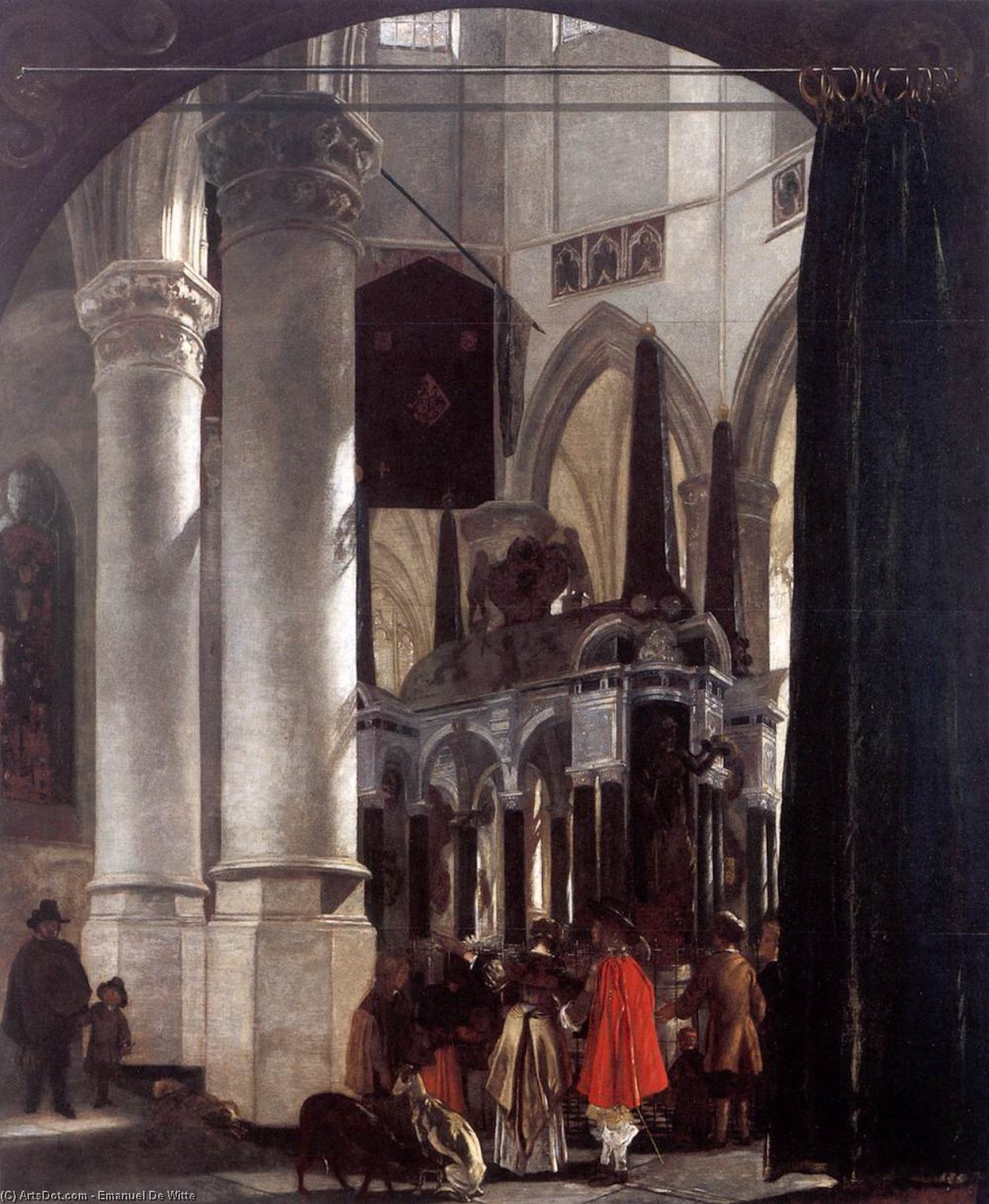
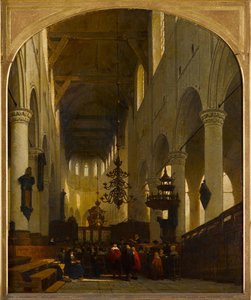
The Nieuwe Kerk in Delft with the Tomb of William the Silent
 Oil On Canvas
- WallArt
- Dutch Golden Age
 1651
1651- Early Modern
 108.0 x 91.0 cm
 Museo Briner y Kern
 Ver más
Giclée / Impresión de arte
Impresiones giclée o en lienzo de calidad de museo con producción rápida y opciones de acabado flexibles. ( Comprar pintura hecha a mano Comprar imagen)




































Elija entre nuestros tamaños predefinidos que respetan las proporciones originales de la obra.

Puede introducir sus propias dimensiones para adaptarse a un marco o espacio específico. Si el tamaño seleccionado no coincide con las proporciones de la imagen original, recortaremos la obra de arte o extenderemos la imagen con un borde con efecto espejo o de color sólido. Se enviará una maqueta digital para su aprobación antes de que comience la producción.
Tenga en cuenta que la vista previa en pantalla no refleja el recorte o la extensión real. Solo la maqueta mostrará con precisión la composición final.
Aunque existen tamaños personalizados, recomendamos seleccionar una dimensión de la lista predefinida para preservar las proporciones originales.
Envío a todo el mundo () en 2 semanas en lugar de las 4/5 semanas estándar. (7 septiembre)

Envío exprés gratuito a todo el mundo

Lienzo de lino de alta calidad

Seguro de envío total

Garantía de reembolso de impuestos aduaneros

Garantía de fidelidad cromática exacta

Política de devolución de 100 días (solo por defectos)

Garantía de devolución del 100% del dinero

Descuento por cantidad
 La opción de vidrio solo está disponible en tamaños inferiores a 110 cm.

The Nieuwe Kerk in Delft with the Tomb of William the Silent
Giclée / Impresión de arte
Dimensiones de la reproducción
-


Precio total final
$ 62
A Portal to the Dutch Golden Age
Stepping into Emanuel de Witte’s The Nieuwe Kerk in Delft with the Tomb of William the Silent is less like viewing a painting and more like entering a whispered conversation between history and light. Created in 1651, this masterpiece serves as a profound window into the heart of the Dutch Golden Age, capturing not just the architectural grandeur of the Nieuble Kerk, but the very soul of a nation finding its footing. De Witte, a master of atmosphere, eschews the cold, clinical precision of architectural documentation in favor of a lived-in, breathing reality. The scene unfolds with a quiet, rhythmic energy, where the monumental presence of William the Silent’s tomb acts as an anchor for a world filled with subtle movement and soft, natural illumination.
The composition is a masterclass in depth and perspective. As your eyes wander through the church's interior, you are guided by the interplay of light streaming through high windows, casting long, gentle shadows that define the sacred space. De Witte populates this hallowed hall with a delicate tapestry of life: figures gathered in quiet contemplation, the unexpected presence of dogs near the center, and even a horse visible to the left, adding a touch of the mundane to the magnificent. This juxtaposition of the eternal—the tomb of a national hero—with the transient, everyday elements of life creates a poignant tension that is hallmark to De Witte’s emotive style.
The Alchemy of Light and Shadow
Technically, this work showcases the artist's unparalleled ability to manipulate monochromatic tones to suggest volume and texture. Though the palette may appear restrained, it is incredibly rich in nuance. Through a sophisticated use of chiaroscuro, De Witte breathes life into the stone pillars and vaulted ceilings, making the heavy masonry feel as though it is vibrating with light. The way the sunlight catches the edges of figures and architectural details creates a sense of three-dimensionality that pulls the viewer directly into the nave of the church.
For the discerning collector or interior designer, this piece offers an unparalleled sense of prestige and historical depth. It is a work that does not merely decorate a wall; it commands a room, providing a focal point of quiet sophistication. The painting’s ability to evoke a sense of peace and reverence makes it an ideal centerpiece for spaces designed for reflection, such as a library, a study, or a formal sitting room. A high-quality reproduction of this work allows one to bring the timeless elegance of 17th-century Delft into a modern setting, bridging the gap between the historical past and contemporary luxury.
A Legacy of Spiritual Resonance
Beyond its aesthetic brilliance, the painting carries deep symbolic weight. The Nieuwe Kerk was not just a building; it was a monument to Dutch identity and Protestant resilience. By placing the tomb of William the Silent—the "Father of the Fatherland"—at the heart of this bustling, light-filled scene, De Witte celebrates the continuity of the Dutch spirit. The presence of the common folk and animals amidst such a significant historical site suggests that history is not something found only in books, but something lived every day in the streets and churches of the Netherlands.
To possess a reproduction of this work is to hold a piece of the Dutch Golden Age's emotional landscape. It invites a sense of nostalgia for an era of profound artistic and cultural flourishing. Whether you are drawn to its architectural complexity, its masterful handling of light, or its deep historical narrative, De Witte’s vision remains as captivating today as it was in 1651, offering an enduring source of inspiration for those who appreciate the intersection of art, history, and the human experience.
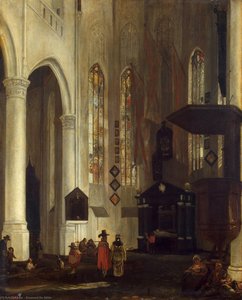
Obras relacionadas

Biografía del artista
Emanuel de Witte: Una Vida en Perspectiva
- Nacimiento: Alkmaar, Países Bajos (1617)
- Fallecimiento: Ámsterdam, Países Bajos (1692)
- Ocupación: Pintor de perspectiva holandés, pintor de género
Emanuel de Witte fue una figura significativa en el arte holandés del siglo XVII, reconocido por sus representaciones atmosféricas de interiores de iglesias. A diferencia de contemporáneos como Pieter Jansz Saenredam que priorizaban la exactitud arquitectónica, De Witte se centró en capturar el estado de ánimo y la luz dentro de estos espacios, creando experiencias inmersivas para el espectador.
Primeros Años y Formación
- Antecedentes Familiares: Nacido en Alkmaar, su padre era maestro de escuela, lo que sugiere una temprana exposición a la educación y los estudios intelectuales.
- Afiliación al Gremio: Se unió al gremio local de San Lucas en 1636, marcando su entrada formal en la profesión artística.
- Formación Temprana: Estudió con Evert van Aelst en Delft, un pintor de bodegones, lo que probablemente influyó en su atención al detalle y el uso de la luz.
- Primeras Obras: Inicialmente pintó retratos, escenas mitológicas y obras religiosas antes de especializarse en interiores de iglesias.
Desarrollo como Artista y Estilo Característico
- Traslado a Ámsterdam (1651): Esta reubicación demostró ser fundamental, proporcionando acceso a numerosas iglesias que se convirtieron en los temas de sus obras más celebradas.
- Énfasis en Interiores de Iglesias: De Witte se especializó cada vez más en representar interiores de iglesias, pintando frecuentemente la Oude Kerk en Ámsterdam desde varias perspectivas.
- Iglesias Imaginarias: Combinaba con frecuencia elementos de diferentes iglesias para crear espacios interiores idealizados, poblados por figuras e imbuídos de un sentido de realismo.
- Perspectiva Atmosférica: Su magistral uso de la luz y la sombra creó una atmósfera única dentro de sus pinturas, enfatizando las cualidades espaciales de los interiores. Walter Liedtke señaló que el principal interés de De Witte era "el espacio mismo - su luz, color, extensión pura y estado de ánimo".
Desafíos y Vida Personal
- Dificultades Personales: La vida de De Witte estuvo marcada por dificultades personales, incluyendo la muerte de su primera esposa y subsiguientes problemas legales que involucraron a su segunda esposa e hija.
- Servidumbre por Deuda: Fue forzado a una servidumbre por deuda al marchante de arte Joris de Wijs debido a limitaciones financieras y contratos rotos.
- Personalidad Difícil: Los registros indican un temperamento volátil, con relatos de gritarle a los clientes e involucrarse en disputas.
- Final Trágico: Murió bajo circunstancias trágicas en 1692, supuestamente intentando suicidarse colgándose de un puente del canal; la cuerda se rompió y se ahogó.
Legado y Significado Histórico
- Última Fase de la Pintura Arquitectónica: De Witte es considerado parte de la última fase de la pintura arquitectónica en los Países Bajos, uniendo la brecha entre la documentación meticulosa y la interpretación atmosférica.
- Influencia en Artistas Posteriores: Su innovador uso de la luz y la perspectiva influyó en generaciones posteriores de artistas.
- Representación de la Sociedad Holandesa: Sus pinturas ofrecen valiosas perspectivas sobre la vida religiosa y las costumbres sociales holandesas del siglo XVII.
- Colecciones de Museos: Obras de De Witte se encuentran en prestigiosas colecciones de todo el mundo, incluyendo el Museo Metropolitano de Arte, la Galería Nacional de Arte y el Rijksmuseum.
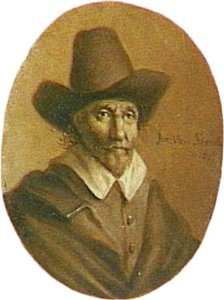
Emanuel De Witte
1617 - 1692 , Países Bajos
Datos clave
- Artistas Que Influyeron:
- Evert van Aelst
- Gerard Houckgeest
- Fecha De Fallecimiento: 1692
- Fecha De Nacimiento: 1617
- Lugar De Nacimiento: Alkmaar, Países Bajos
- Movimiento Artístico: Barroco, Perspectiva
- Nacionalidad: Neerlandés
- Nombre Completo: Emanuel de Witte
- Obras Notables:
- Interior de la Oude Kerk
- Interior de la Nieuwe Kerk
Artículos relacionados
Penry Williams: Evoking Welsh Nostalgia Through Impressionistic Landscapes
Explore the captivating world of Penry Williams (1802-1885), a Welsh artist renowned for his evocative Impressionistic landscapes and scenes of Italy. Discover his life, style & legacy with ArtsDot.
Christopher Williams: Deconstructing Representation & Materiality in Contemporary Art
Explore the groundbreaking work of Christopher Williams, a pivotal figure in contemporary art. This analysis delves into his deconstruction of representation, materiality, and institutional critique – essential reading for serious collectors.
Sir William Blake Richmond: A Visionary of Aestheticism & Symbolism
Explore the life & art of Sir William Blake Richmond, a pivotal figure bridging Pre-Raphaelitism and Aestheticism. Discover his stunning portraits, mosaics at St Paul's Cathedral, and lasting influence on Victorian art.
R.A. Benjamin Williams: Victorian Genre Painting & Social Commentary
Explore the captivating world of Benjamin Williams Leader's Victorian genre paintings. Discover his mastery of naturalism, social commentary & lasting influence on British art. Expert insights at ArtsDot.
William Bradford: Navigating Faith, Landscape & Artistic Innovation in Early American Painting
Explore the captivating world of William Bradford, American Romanticist painter renowned for his dramatic Arctic seascapes & ship portraits. Discover his artistic evolution, influences, and lasting legacy with ArtsDot.