 Ver en contexto
 Enviar
 Compartir
 Detalles

 Descargar
 Similares
 Radiografía
 Presentación de diapositivas
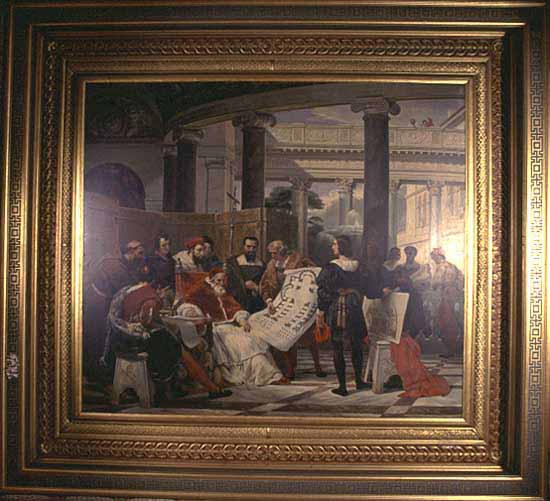
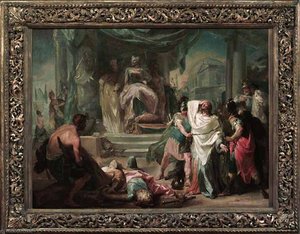
Jules II ordonnant les travaux du Vatican et de saint Pierre à Bramante, Michel Ange et Raphaël


 Ver más
Reproducción al óleo hecha a mano
Óleo sobre lienzo pintado a mano en el tamaño y marco de su elección, realizado por encargo por nuestros artistas. ( Comprar impresión Comprar imagen)




P118B $10

P118H $10

P118W $10

P438Z $10

P508JH $12

P508YH $12

P805H $10

P805Z $10

P919BZ $10

P919G $10

P919XJ $10

P959ZH $10

P968JZ $12

W106C $8

W218G $10

W218JH $8

W218Y $10

W307PJ $10

W316G $10

W316PJ $8

W316Y $10

W398PJ $8

W4111J $10

W500HY $15

W500JH $15

W692G $12

W849H $8

W940BG $15

W953PJ $8




Elija entre nuestros tamaños predefinidos que respetan las proporciones originales de la obra.

Puede ingresar sus propias dimensiones para adaptarse a un marco o espacio específico. Si el tamaño seleccionado no coincide con las proporciones de la imagen original, recortaremos la obra o extenderemos la pintura con elementos adicionales pintados a mano. Se le enviará una maqueta digital para su aprobación antes de comenzar la producción.
Tenga en cuenta que la vista previa en pantalla no refleja el recorte o la extensión reales. Solo la maqueta mostrará con precisión la composición final.
Si bien existen tamaños personalizados, recomendamos seleccionar una dimensión de la lista predefinida para preservar las proporciones originales.
Tras realizar el pedido, el equipo de ArtsDot.com enviará un correo electrónico al cliente para solicitar instrucciones y proporcionarle una vista previa del boceto.
Envío a todo el mundo () en 3-4 semanas en lugar de las 5 semanas estándar. (31 agosto). Sin comprometer la calidad.

Envío exprés gratuito a todo el mundo

Lienzo de lino de alta calidad

Seguro de envío total

Garantía de reembolso de impuestos aduaneros

Garantía de fidelidad cromática exacta

Política de devolución de 60 días (solo por defectos)

Garantía de devolución del 100% del dinero

Descuento por cantidad
 La opción de vidrio solo está disponible en tamaños inferiores a 110 cm.

Jules II ordonnant les travaux du Vatican et de saint Pierre à Bramante, Michel Ange et Raphaël
Técnica de reproducción
Dimensiones de la reproducción
-


Precio total final
$ 263
A Chronicle of Command: Vernet’s “Jules II Ordering the Works of Vatican and Saint-Peter”
Émile Jean-Horace Vernet's monumental canvas, "Jules II Ordering the Works of Vatican and Saint-Peter," transcends a simple depiction of a historical scene; it is a vibrant tableau of power, ambition, and the nascent grandeur of Renaissance Rome. Painted in 1827, this work offers a rare glimpse into the heart of papal patronage during a pivotal moment in European history – a time when the Catholic Church sought to assert its authority through architectural magnificence and artistic splendor. The painting captures not just an event, but the very atmosphere of decision-making within the Vatican’s hallowed halls, radiating with both urgency and calculated control.
Vernet masterfully employs his signature style, a potent blend of realism and dramatic flair that he honed during his prolific career. He eschews the idealized forms favored by academic painters, instead presenting a scene brimming with palpable human emotion and dynamic movement. The composition is meticulously arranged; Jules II, seated at a table laden with architectural plans, dominates the center, his posture conveying both authority and a subtle weariness – the weight of immense responsibility resting upon his shoulders. Around him swirl figures representing key architects and artists: Bramante, Michelangelo, and Raphael, each engaged in animated discussion, their gestures and expressions hinting at creative debates and strategic maneuvering. The artist’s use of light is particularly striking, casting dramatic shadows that accentuate the figures' forms and heighten the sense of drama.
The Papal Vision and Renaissance Ambition
To understand the painting’s significance, one must consider the historical context in which it was created. Pope Julius II, a figure renowned for his military prowess and ruthless ambition, initiated an ambitious building program aimed at transforming Rome into a rival to Constantinople. The construction of St. Peter's Basilica, a project spearheaded by Bramante, Michelangelo, and Raphael, became the centerpiece of this endeavor – a testament to papal power and a symbol of the Church’s enduring legacy. Vernet wasn’t merely recording a meeting; he was documenting the genesis of one of Rome’s most iconic landmarks.
The scene itself is laden with symbolism. The architectural plans scattered across the table represent not just blueprints, but also the immense scale and complexity of the undertaking. The figures engaged in discussion embody the intellectual ferment of the Renaissance – a period marked by renewed interest in classical antiquity and a spirit of innovation. Jules II’s gaze, directed towards his advisors, signifies his unwavering determination to realize his grand vision. The painting subtly underscores the Church's role as both a spiritual leader and a powerful political force.
Technique and Artistic Flourishes
Vernet’s technical skill is immediately apparent in the meticulous detail with which he renders each figure, their clothing, and the intricate details of the room. He employs a rich palette of colors – deep reds, blues, and golds – to create a sense of opulence and grandeur. The brushwork is loose and expressive, conveying movement and energy while maintaining a remarkable level of realism. Notably, Vernet’s use of chiaroscuro—the dramatic contrast between light and shadow—adds depth and drama to the scene, drawing the viewer's eye to key figures and elements.
The painting also reveals Vernet’s fascination with capturing fleeting moments of human interaction. He doesn’t simply depict a formal meeting; he captures the very essence of conversation – the gestures, expressions, and subtle nuances that reveal the characters’ personalities and intentions. The inclusion of details such as the scattered papers, the flickering candles, and the ornate furnishings further enhance the sense of realism and immediacy.
A Legacy of Power and Artistic Influence
"Jules II Ordering the Works of Vatican and Saint-Peter" remains a powerful testament to Vernet’s artistic genius and his ability to capture the drama and complexity of historical events. It is more than just a painting; it's a window into the heart of Renaissance Rome, offering insights into the ambitions of its rulers, the creativity of its artists, and the enduring legacy of the Catholic Church. Reproductions of this masterpiece continue to captivate audiences today, serving as reminders of a pivotal era in European history and the transformative power of art.
Obras relacionadas
Biografía del artista
Émile Jean-Horace Vernet: Una Vida en el Lienzo
Infancia Temprana y Legado Familiar
Émile Jean-Horace Vernet nació el 30 de junio de 1789, en París, Francia – notablemente dentro del Palacio del Louvre mientras sus padres residían allí durante la Revolución Francesa. Provenía de una familia artística distinguida; su padre era Carle Vernet, también un pintor reconocido, y su abuelo era Claude Joseph Vernet, celebrado por sus paisajes marinos. Este trasfondo familiar moldeó profundamente su exposición temprana al arte y sentó las bases para su propia carrera.Desarrollo Artístico e Influencias Tempranas
Vernet rápidamente desarrolló una preferencia por representar la vida contemporánea en lugar de adherirse a la seriedad elevada del clasicismo académico. Rechazó las representaciones idealizadas, favoreciendo un estilo más realista y vernáculo. Durante el reinado de Napoleón Bonaparte, comenzó a retratar soldados franceses con familiaridad renovada, desviándose del enfoque grandioso de David. Las primeras obras como “El Asalto a un Campamento Entrenchado” mostraron su carácter en desarrollo y directividad. Su desarrollo artístico también fue influenciado por la observación de las realidades de la guerra y la vida militar de primera mano.Ascenso a la Prominencia Durante la Restauración
La Restauración Borbónica trajo a Vernet un reconocimiento significativo. Obtuvo una serie de encargos del Duque de Orleans (el futuro Rey Luis-Felipe) para pinturas de batalla. Los críticos quedaron impresionados por su velocidad y precisión, notando que sus obras combinaban detalles históricos con paisajes convincentes. Su serie “Cuatro Batallas” – incluyendo “La Batalla de Jemappes”, “La Batalla de Montmirail”, “La Batalla de Hanau” y “La Batalla de Valmy” – lo estableció como uno de los principales pintores de batalla de la época.Director de la Academia Francesa en Roma
El talento y la reputación de Vernet llevaron a su nombramiento como director de la Academia Francesa en Roma desde 1829 hasta 1835. Este período le permitió estudiar el arte y la arquitectura clásicos, refinando aún más sus habilidades y ampliando sus horizontes artísticos. Sin embargo, se mantuvo comprometido con representar temas contemporáneos al regresar a Francia.Patrocinio Bajo Luis-Felipe y el Segundo Imperio
El Rey Luis-Felipe se convirtió en un prolífico patrocinador de Vernet, encargándole decorar toda la sala de Constantinopla en el Palacio de Versalles en tres años. Estas pinturas representaban la colonización francesa en Argelia, representando escenas de conquista militar y esfuerzos de “civilización”. Después de la Revolución de 1848, Napoleón III también se convirtió en un partidario, continuando los encargos a Vernet durante el Segundo Imperio. Continuó representando representaciones heroicas del ejército francés, manteniendo su compromiso con el realismo.La Guerra de Crimea y Años Posteriores
Vernet acompañó al ejército francés durante la Guerra de Crimea, produciendo pinturas como “La Batalla del Alma”. Si bien no fue tan bien recibida como sus obras anteriores, estas piezas demostraron su dedicación a documentar eventos contemporáneos. Famosamente se negó a solicitar la eliminación de un general impopular de una de sus pinturas, declarando su compromiso con la verdad histórica.Logros y Significado Histórico Principales
- Las representaciones realistas de Vernet de soldados y escenas de batalla revolucionaron la pintura militar en Francia.
- Su obra proporciona información valiosa sobre la sociedad, la política y los esfuerzos coloniales franceses del siglo XIX.
- Dominaba la habilidad de fusionar la precisión histórica con el arte, creando composiciones convincentes y visualmente impactantes.
- Sus pinturas sirvieron como poderosas herramientas de propaganda, dando forma a la percepción pública del ejército francés y sus campañas.
Legado
Émile Jean-Horace Vernet murió en París el 17 de enero de 1863. Su obra continúa siendo estudiada y admirada por su significado histórico y mérito artístico. También es una nota curiosa en la cultura popular como un supuesto pariente de Sherlock Holmes (según la historia “La Aventura del Intérprete Griego” de Arthur Conan Doyle). El legado de Vernet reside en su capacidad para capturar el espíritu de la Francia del siglo XIX a través de representaciones vívidas, realistas y a menudo dramáticas de la guerra, el colonialismo y la vida cotidiana.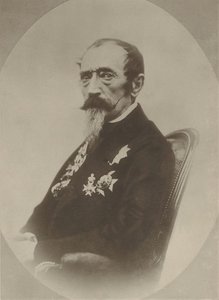
emile jean horace vernet
1789 - 1863 , Francia
Datos clave
- Artistic Movement Or Style: Romanticismo
- Artists Who Influenced This Artist:
- Carle Vernet
- Claude Joseph Vernet
- Date Of Birth: 30 junio 1789
- Date Of Death: 17 enero 1863
- Full Name: Émile Jean-Horace Vernet
- Nationality: Francés
- Notable Artworks:
- El Asalto a un Campamento Entrenchado
- La Batalla de Jemappes
- La Batalla de Montmirail
- La Batalla de Hanau
- La Batalla de Valmy
- Place Of Birth: París, Francia
Artículos relacionados
Michelangelo Buonarroti: Las 25 Obras Maestras que Definen un Genio del Renacimiento | ArtsDot
Descubre las 25 obras maestras de Michelangelo Buonarroti: del David a la Capilla Sixtina. Explora su historia, técnica y significado en el Renacimiento italiano. Reproducciones de arte exclusivas para tu hogar en ArtsDot.com.
Émile Jean Horace Vernet: Romantic Realism & Depicting 19th-Century Life
Explore the life & art of Émile Jean Horace Vernet, a master of Romantic Realism. Discover his captivating battle scenes, portraits, and Orientalist works – a window into 19th-century France. Learn about his techniques & enduring legacy.
Michelangelo Buonarroti: A Renaissance Titan – Life, Works & Enduring Legacy
Explore the life, works & enduring legacy of Michelangelo Buonarroti, a Renaissance titan. Discover his iconic sculptures, frescoes, and architectural achievements. Expert art consultation & high-quality reproductions at ArtsDot.
Los 25 Tesoros del Uffizi: Arte Renacentista para tu Hogar | ArtsDot
Descubre los 25 tesoros del Uffizi en Florencia: Botticelli, Leonardo da Vinci y más. Explora la historia, el arte renacentista y encuentra reproducciones de alta calidad para tu hogar. ¡Inspírate con ArtsDot.com!
The Renaissance Titans: A Comparative Study of Leonardo, Michelangelo, and Raphael
Explore the genius of the High Renaissance. Compare the legendary works of Leonardo, Michelangelo, and Raphael through an expert art-historical lens. Discover how these titans shaped human creativity and learn to bring their timeless beauty into your modern home.