

 Enviar
 Compartir
 Detalles

 Descargar
 Similares
 Presentación de diapositivas
 Stats
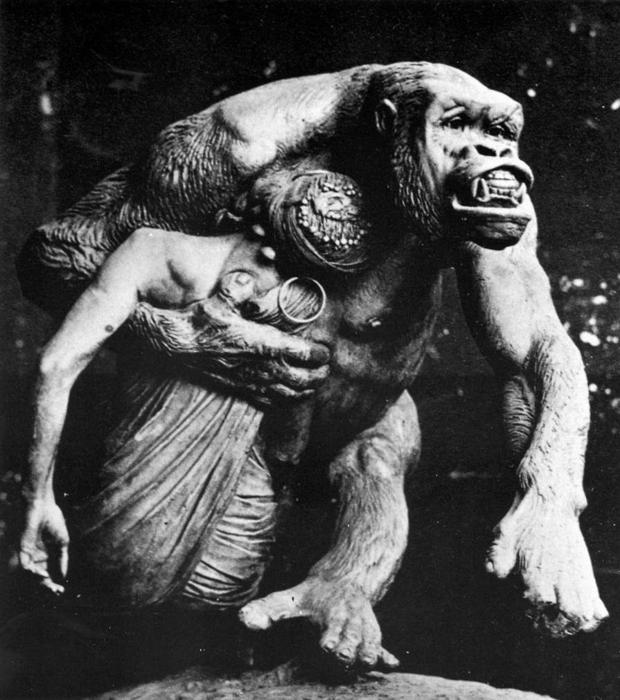
StatsFemale Gorilla Carrying off a Negress (destroyed)


 Ver más
Reproducción al óleo hecha a mano
Óleo sobre lienzo pintado a mano en el tamaño y marco de su elección, realizado por encargo por nuestros artistas. ( Switch to Print Switch to Digital Image)




































Elija entre nuestros tamaños predefinidos que respetan las proporciones originales de la obra.

Puede ingresar sus propias dimensiones para adaptarse a un marco o espacio específico. Si el tamaño seleccionado no coincide con las proporciones de la imagen original, recortaremos la obra o extenderemos la pintura con elementos adicionales pintados a mano. Se le enviará una maqueta digital para su aprobación antes de comenzar la producción.
Tenga en cuenta que la vista previa en pantalla no refleja el recorte o la extensión reales. Solo la maqueta mostrará con precisión la composición final.
Si bien existen tamaños personalizados, recomendamos seleccionar una dimensión de la lista predefinida para preservar las proporciones originales.
Tras realizar el pedido, el equipo de ArtsDot.com enviará un correo electrónico al cliente para solicitar instrucciones y proporcionarle una vista previa del boceto.
Envío a todo el mundo () en 3-4 semanas en lugar de las 5 semanas estándar. (8 septiembre). Sin comprometer la calidad.

Envío exprés gratuito a todo el mundo

Lienzo de lino de alta calidad

Seguro de envío total

Garantía de reembolso de impuestos aduaneros

Garantía de fidelidad cromática exacta

Política de devolución de 100 días (solo por defectos)

Garantía de devolución del 100% del dinero

Descuento por cantidad
 La opción de vidrio solo está disponible en tamaños inferiores a 110 cm.

Female Gorilla Carrying off a Negress (destroyed)
Técnica de reproducción
Dimensiones de la reproducción
-


Precio total final
$ 288
A Savage Embrace: Emmanuel Frémiet’s “Gorilla Carrying Off a Negress”
Emmanuel Frémiet's 1874 sculpture, "Female Gorilla Carrying off a Negress," is not merely a striking depiction of primal power; it’s a haunting meditation on vulnerability, captivity, and the unsettling dynamics of dominance. Initially conceived as a private commission for a wealthy collector, its subsequent destruction – reportedly due to malicious intent – only amplified its notoriety and cemented its place as one of the most controversial and enduring works of the Animalier movement. The sculpture, now meticulously reproduced by ArtsDot.com, offers a profound glimpse into the artistic sensibilities of a pivotal 19th-century sculptor and invites contemplation on themes that remain remarkably relevant today.
Frémiet, born in Paris in 1824, was deeply influenced by his uncle, Sophie Frémiet, and later François Rude, shaping him into an artist profoundly attuned to capturing the essence of nature’s grandeur and vulnerability. His early work focused on scientific lithography, honing his observational skills before he transitioned to sculpting animals with unprecedented realism – a hallmark of the Animalier style that sought to portray creatures with anatomical accuracy and emotional depth. This dedication to naturalism is powerfully evident in “Female Gorilla Carrying off a Negress,” where every muscle ripple, fur texture, and expression of intent is rendered with meticulous detail.
A Study in Contrasting Forms
The sculpture itself presents a dramatic juxtaposition of forms. A colossal gorilla, sculpted from bronze or another durable material suitable for casting, dominates the scene. Its powerful physique, bulging muscles, and intense gaze convey an overwhelming sense of strength and aggression. Yet, it’s not simply brute force that defines this creature; there's a calculated intelligence in its posture, a deliberate positioning of its arms around the smaller figure. In stark contrast, the “negress,” depicted as a woman caught mid-flight, embodies vulnerability and terror. Her limbs are outstretched, her face contorted in a silent scream, suggesting an immediate loss of control.
Frémiet masterfully employs curved lines to define the bodies, creating a sense of fluidity despite the overall tension. The gorilla’s body is characterized by rounded masses, while the smaller figure exhibits more elongated and flowing shapes. Sharp lines are present in areas like the teeth and facial features, adding to the dramatic effect. The composition—a diagonal line created by the figures—suggests movement and action, as if frozen in a moment of brutal capture.
Symbolism and Historical Context
The sculpture’s origins lie within a complex historical context. Created during a period marked by racial tensions and colonial ambitions, the image immediately raises uncomfortable questions about power dynamics and representation. The choice to depict a black woman as a victim carried off by a gorilla was undoubtedly provocative, reflecting anxieties surrounding race, savagery, and the perceived “other.” However, it’s crucial to recognize that Frémiet's intention wasn't necessarily malicious; rather, he was exploring themes of primal instinct versus civilization, mirroring the artistic trends of the 19th century which often emphasized naturalism and anatomical accuracy.
The story surrounding the sculpture’s destruction adds another layer of intrigue. According to accounts, the work was deliberately damaged by individuals who objected to its depiction of a black woman being carried off by an animal. This act of vandalism underscores the sculpture's controversial nature and highlights the enduring power of art to provoke debate and challenge societal norms. The fact that it was subsequently replaced with a copy in Nancy further demonstrates the impact this piece had on the public imagination.
A Timeless Masterpiece – Reproduced for Today
ArtsDot.com’s meticulous reproductions capture the essence of Frémiet's original work, faithfully recreating its dramatic composition, nuanced details, and powerful emotional resonance. Whether displayed in a grand salon or a contemporary interior space, this artwork invites viewers to contemplate themes of power, vulnerability, and the complexities of human interaction. It serves as a potent reminder of the enduring legacy of Emmanuel Frémiet and his remarkable ability to capture the raw beauty and unsettling truths of the animal world – and, perhaps more profoundly, the human condition.
Obras relacionadas

Biografía del artista
El Escultor de la Majestuosidad de la Naturaleza
Nacido en el vibrante corazón de París en 1824, Emmanuel Frémiet emergió como una fuerza transformadora en la escultura del siglo XIX, un maestro que insufló vida a la fría piedra y al bronce mediante una devoción sin igual por el realismo. Su viaje artístico estuvo profundamente arraigado en las tradiciones de la excelencia francesa, moldeado significativamente por la tutela de su tío, Sophie Frémiet, y del revolucionario escultor François Rude. Estas primeras influencias le inculcaron un profundo respeto por la precisión anatómica y una vitalidad expresiva que más tarde definiría su estilo distintivo. Antes de ascender a las cumbres de la fama monumental, Frémiet perfeccionó su destreza observacional a través de la litografía científica, una disciplina que exigía un ojo meticuloso para el detalle, una habilidad que se convertiría en la piedra angular de su legendaria capacidad para capturar la esencia pura del mundo natural.
La carrera de Frémiet se distingue principalmente por su papel pionero dentro del movimiento Animalier, un género dedicado al retrato realista de los animales. A diferencia de muchos de sus contemporáneos, que buscaban únicamente formas idealizadas, Frémiet persiguió una verdad visceral, representando a criaturas como osos, perros y primates con una exactitud anatómica tal que parecían latir con una vida oculta. Sus obras a menudo trascendían el mero estudio biológico para transmitir una profunda emoción y tensión narrativa. Ya fuera al representar la tierna vulnerabilidad de Pan con oseznos o las desgarradoras y controvertidas dinámicas de poder presentes en sus composiciones más dramáticas, Frémiet utilizó la textura y la forma para evocar un sentido de movimiento y drama instintivo que cautivó la fascinación de la era victoriana por la historia natural.
Legados Monumentales y Narrativas Heroicas
Si bien sus estudios animales le otorgaron un renombre íntimo, la capacidad de Frémiet para dominar la escala le permitió dejar una huella indeleble en el paisaje parisino a través de monumentales obras públicas. Poseía un talento poco común para dotar a figuras históricas y mitológicas de un sentido de fortaleza espiritual y orgullo nacional. Su obra maestra colaborativa, la estatua de Juana de Arco en París —un proyecto que involucró al legendario Auguste Rodin— se erige como un testimonio imponente de su habilidad para entrelazar la narrativa heroica con la escultura ecuestre. Esta obra, junto con su conmemoración de Ferdinand de Lesseps a través del Monumento de Suez, demuestra su capacidad para abordar temas de gran escala sobre el patriotismo y el logro humano con el mismo cuidado meticuloso que aplicaba al detalle más pequeño del pelaje de una criatura.
La amplitud de la maestría técnica de Frémiet se observa quizás mejor en el juego dinámico de luces y sombras dentro de sus obras de bronce. En piezas como San Jorge matando al dragón, el espectador no solo observa una leyenda, sino que es lanzado al centro de una lucha definida por detalles intrincados y energía cinética. Su vida, aunque marcada por periodos de dificultades económicas —incluyendo un periodo formativo como pintor de la morgue—, no hizo más que profundizar su comprensión de la condición humana y el delicado equilibrio entre la vida y la muerte. En última instancia, Emmanuel Frémiet permanece como un titán de la escultura francesa, un artista cuyo legado reside en la fusión perfecta entre la observación científica y un arte profundo y emotivo.
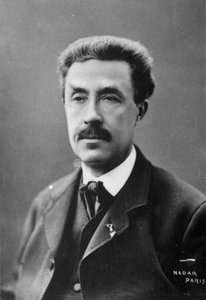
Emmanuel Frémiet
1824 - 1910 , Francia
Datos clave
- Artistic Movement Or Style: Animalier
- Artists Who Influenced This Artist:
- François Rude
- Pierre Nicolas Tourgueneff
- Date Of Birth: 6 diciembre 1824
- Full Name: Emmanuel Frémiet
- Nationality: Francés
- Notable Artworks:
- Joan de Arc Estatua
- Gorila llevando una mujer
- San Jorge matando al dragón
- Place Of Birth: París, Francia
Artículos relacionados

Las 10 Obras Maestras de Bronce que Revolucionaron la Historia del Arte | ArtsDot
Descubre las 10 esculturas de bronce más influyentes de la historia del arte. Explora obras maestras de Rodin, Degas y otros genios. Encuentra reproducciones de arte de calidad museo en ArtsDot.com.

The Enduring Legacy of Bronze: History, Technique & Artistic Expression for the Collector
Explore the rich history & enduring appeal of bronze sculpture with expert insights for collectors at ArtsDot. Learn about casting techniques, iconic artists, and collecting tips.

The Enduring Legacy of Bronze Sculpture: Technique, Symbolism & Cultural Impact
Explore the rich history & enduring appeal of bronze sculpture with expert insights for collectors. Learn about casting techniques, iconic artists, collecting tips & contemporary interpretations at ArtsDot.

Esculturas de Bronce Legendarias: 10 Obras Maestras que Transformaron el Arte | ArtsDot
Descubre las 10 esculturas de bronce más legendarias que revolucionaron el arte. Explora la historia de Rodin, Degas y otros maestros del bronce. Encuentra reproducciones de alta calidad e inspiración para tu hogar en ArtsDot.com.

The Enduring Legacy of Bronze: A Historical & Artistic Exploration for the Collector
Explore the rich history & enduring appeal of bronze sculpture with expert insights for collectors at ArtsDot. Learn about casting techniques, iconic artists, collecting tips & contemporary interpretations.