

 Ver en contexto
 Enviar
 Compartir
 Detalles

 Descargar
 Similares
 Radiografía
 Presentación de diapositivas
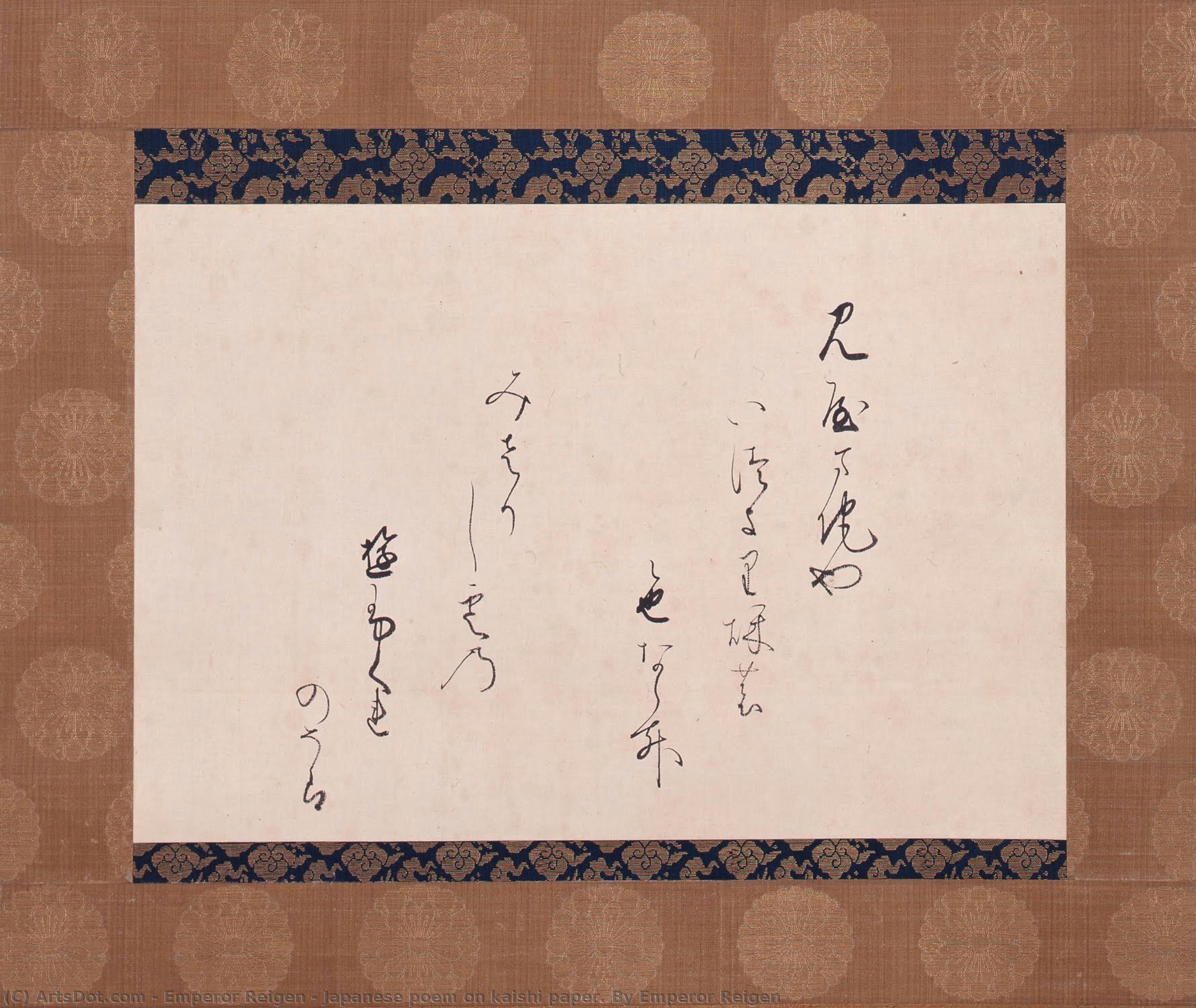
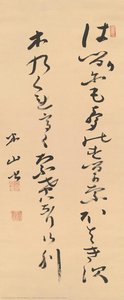
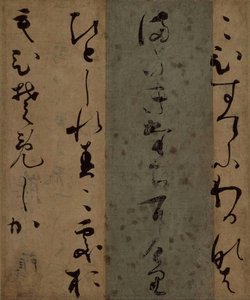
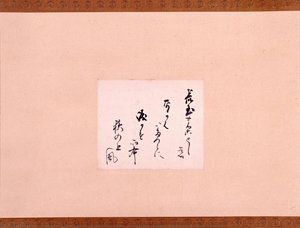
Japanese poem on kaishi paper. By Emperor Reigen


 Ver más
Reproducción al óleo hecha a mano
Óleo sobre lienzo pintado a mano en el tamaño y marco de su elección, realizado por encargo por nuestros artistas. ( Comprar impresión Comprar imagen)




































Elija entre nuestros tamaños predefinidos que respetan las proporciones originales de la obra.

Puede ingresar sus propias dimensiones para adaptarse a un marco o espacio específico. Si el tamaño seleccionado no coincide con las proporciones de la imagen original, recortaremos la obra o extenderemos la pintura con elementos adicionales pintados a mano. Se le enviará una maqueta digital para su aprobación antes de comenzar la producción.
Tenga en cuenta que la vista previa en pantalla no refleja el recorte o la extensión reales. Solo la maqueta mostrará con precisión la composición final.
Si bien existen tamaños personalizados, recomendamos seleccionar una dimensión de la lista predefinida para preservar las proporciones originales.
Tras realizar el pedido, el equipo de ArtsDot.com enviará un correo electrónico al cliente para solicitar instrucciones y proporcionarle una vista previa del boceto.
Envío a todo el mundo () en 3-4 semanas en lugar de las 5 semanas estándar. (27 agosto). Sin comprometer la calidad.

Envío exprés gratuito a todo el mundo

Lienzo de lino de alta calidad

Seguro de envío total

Garantía de reembolso de impuestos aduaneros

Garantía de fidelidad cromática exacta

Política de devolución de 60 días (solo por defectos)

Garantía de devolución del 100% del dinero

Descuento por cantidad
 La opción de vidrio solo está disponible en tamaños inferiores a 110 cm.

Japanese poem on kaishi paper. By Emperor Reigen
Técnica de reproducción
Dimensiones de la reproducción
-


Precio total final
$ 263
Obras relacionadas
Biografía del artista
Emperor Reigen (1654-1732): A Poet Among Emperors
Emperor Reigen, posthumously honored as Satohito, stands apart from the annals of Japanese imperial history—not merely for his reign’s duration but for its profound cultural impact. Born in 1654 amidst the waning days of the Edo period, he ascended to the Chrysanthemum Throne in 1663, inheriting a kingdom grappling with internal strife and facing increasing pressure from Western powers. Yet, Reigen wasn't simply a ruler; he was a celebrated poet and calligrapher—a rare confluence of artistic sensibilities within the imperial court that cemented his legacy as a champion of aesthetic refinement during a pivotal era. ### Early Life and Family Legacy Satohito’s lineage traced back to Emperor Go-Mizunoo, whose own reign had been marked by significant political upheaval. His mother, Lady Kuniko, was a daughter of Minister Sonomotooto—a figure known for his astute diplomatic maneuvering and influence within the Tokugawa shogunate. This familial connection underscored Reigen’s position at the apex of power while simultaneously grounding him in traditions of scholarship and artistic patronage. He possessed an extraordinary family size – 13 sons and 14 daughters – a circumstance that shaped his personal life and contributed to the complex dynamics of the imperial court. Notably, he was the father of Emperor Higashiyama, ensuring the continuation of a dynasty dedicated to preserving cultural heritage. His early life instilled in him a deep appreciation for intellectual pursuits and artistic excellence—qualities that would characterize his reign and permeate his artistic output. ### Patronage of Noh Theatre and Literary Achievements Reigen’s reign witnessed a flourishing of artistic endeavors, particularly within Noh theatre—a highly stylized form of Japanese drama that combined music, dance, and poetry. He actively supported Noh troupes and commissioned elaborate productions, recognizing its role in conveying moral and spiritual truths. Beyond the stage, Reigen excelled as a calligrapher, producing exquisite scrolls featuring landscapes and poetic verses imbued with Zen Buddhist principles. His work exemplifies the aesthetic ideals of his time—simplicity, elegance, and contemplation—reflecting a desire to elevate the spirit through artistic expression. The famed “Japanese Poem” – a kaishi paper scroll blending calligraphy & minimalist landscape – stands as a testament to this dedication. This patronage wasn’t merely symbolic; it actively fostered creativity and intellectual discourse within the imperial court, shaping the cultural landscape of Edo Japan. ### The Tokugawa Shogunate and Reigen’s Reforms Reigen's reign coincided with the ascendancy of Tokugawa Tsunayoshi, who consolidated power within the shogunate and initiated sweeping reforms aimed at strengthening Japan’s defenses against Western encroachment. While Reigen himself wasn’t actively involved in political maneuvering, his influence extended beyond formal governance. He fostered an environment conducive to intellectual curiosity and artistic innovation—a crucial factor in sustaining Japan's cultural vibrancy during a period of intense geopolitical change. His commitment to preserving traditional values alongside embracing modernization solidified his place as one of the most enlightened rulers of his era. ### Legacy and Remembrance Emperor Reigen’s death in 1732 marked the end of an influential reign, but his artistic achievements endured—inspiring generations of artists and scholars. He remains remembered not only for his imperial status but also for his profound contribution to Japanese culture—a figure who embodied both regal authority and humanist sensitivity. His legacy continues to resonate today through reproductions of his artworks and scholarly studies exploring the intersection of art, politics, and spirituality within Edo-period Japan. The enduring beauty of his calligraphy and the symbolic richness of Noh theatre continue to captivate audiences worldwide, ensuring that Emperor Reigen’s artistic vision—and his role as a beacon of cultural refinement—will endure for centuries to come.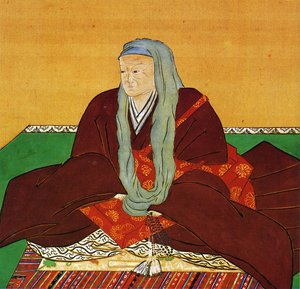
Emperor Reigen
1654 - 1732 , Japón
Datos clave
- Artistic Movement Or Style: Edo Period Art
- Artists Or Movements Influenced By This Artist: ['Noh Theatre']
- Date Of Birth: 1654
- Full Name: Satohito
- Nationality: Japanese
- Notable Artworks: ['Japanese Poem']
- Place Of Birth: Japan
Artículos relacionados
Acrílico sobre Papel: Materialidad y Expresión en el Arte Contemporáneo
Explore la fascinante técnica de la pintura acrílica sobre papel en el arte contemporáneo. Descubra la materialidad, las técnicas mixtas y consejos para coleccionistas exigentes. Guía experta.
Japonisme: How Japanese Woodblock Prints Revolutionized Western Art
Explore the profound impact of Japonisme on Western art. Discover how Japanese ukiyo-e woodblock prints revolutionized perspective, color, and composition for masters like Monet and Van Gogh, forever changing the course of modern art history.

Serenity on Canvas: A Guide to the Timeless Beauty of Japanese Landscape Painting
Discover the serene beauty of Japanese landscape painting. From Hokusai's iconic woodblock prints to meditative sumi-e ink washes, explore a visual journey through the 'floating world' and learn how to bring this timeless Zen aesthetic into your modern home decor.

Katsushika Hokusai: Las 25 Obras Maestras del Ukiyo-e que Transformaron el Arte Japonés | ArtsDot
Descubre las 25 obras maestras de Katsushika Hokusai, el genio del ukiyo-e. Explora 'La Gran Ola', paisajes japoneses y su impacto en el arte moderno. Reproducciones de alta calidad para tu hogar en ArtsDot.com.

Floating World: The Captivating Art and Legacy of Japanese Ukiyo-e
Explore the profound beauty of Japanese Ukiyo-e. Discover the history, masters like Hokusai, and the enduring legacy of the 'Floating World' through an expert art-historical lens.

