

 Ver en contexto
 Enviar
 Compartir
 Detalles

 Descargar
 Similares
 Radiografía
 Presentación de diapositivas
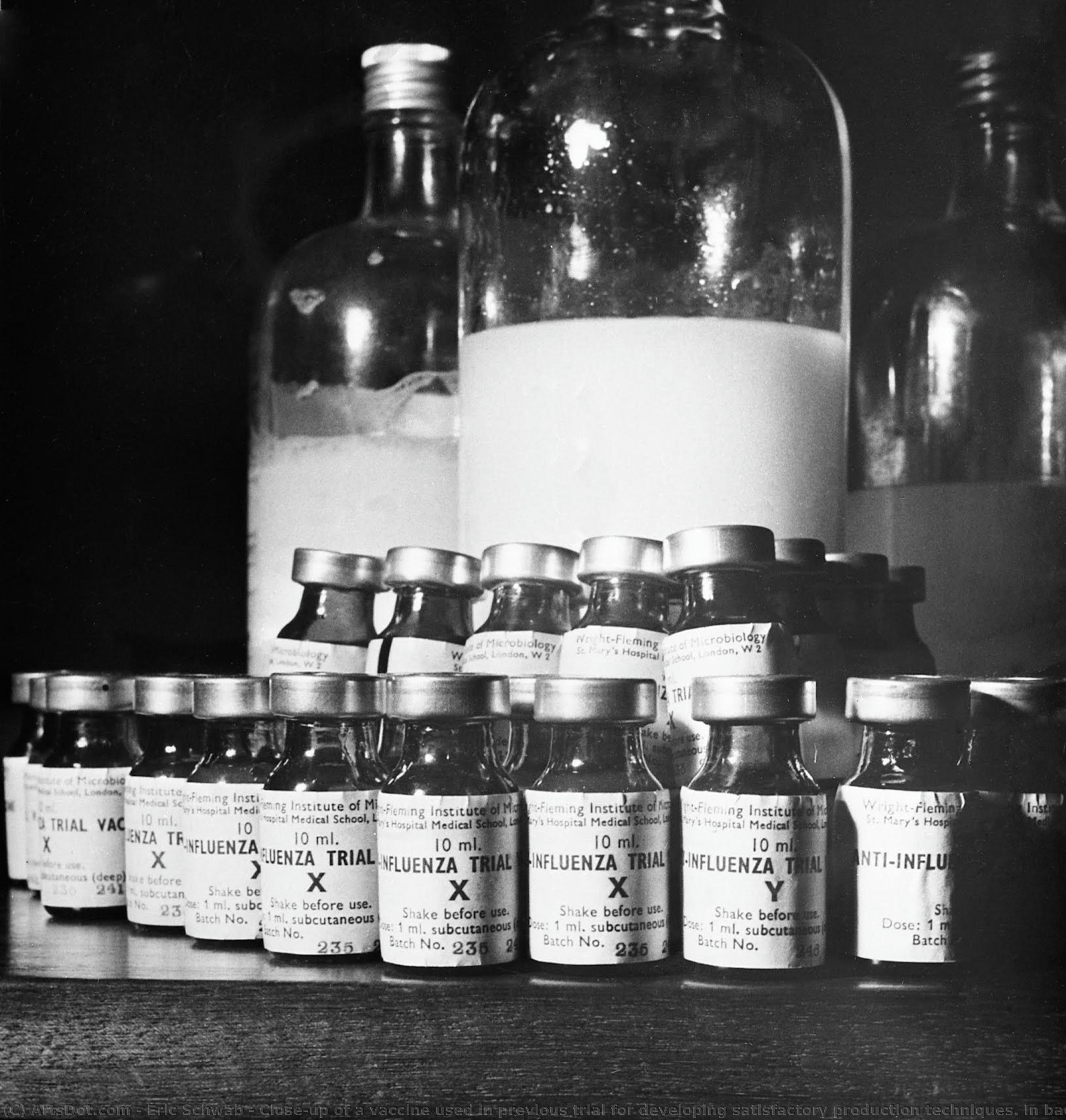
Close-up of a vaccine used in previous trial for developing satisfactory production techniques. In background can be seen the stock solution


 Ver más
Giclée / Impresión de arte
Impresiones giclée o en lienzo de calidad de museo con producción rápida y opciones de acabado flexibles. ( Comprar pintura hecha a mano Comprar imagen)




































Elija entre nuestros tamaños predefinidos que respetan las proporciones originales de la obra.

Puede introducir sus propias dimensiones para adaptarse a un marco o espacio específico. Si el tamaño seleccionado no coincide con las proporciones de la imagen original, recortaremos la obra de arte o extenderemos la imagen con un borde con efecto espejo o de color sólido. Se enviará una maqueta digital para su aprobación antes de que comience la producción.
Tenga en cuenta que la vista previa en pantalla no refleja el recorte o la extensión real. Solo la maqueta mostrará con precisión la composición final.
Aunque existen tamaños personalizados, recomendamos seleccionar una dimensión de la lista predefinida para preservar las proporciones originales.
Envío a todo el mundo () en 2 semanas en lugar de las 4/5 semanas estándar. (1 septiembre)

Envío exprés gratuito a todo el mundo

Lienzo de lino de alta calidad

Seguro de envío total

Garantía de reembolso de impuestos aduaneros

Garantía de fidelidad cromática exacta

Política de devolución de 60 días (solo por defectos)

Garantía de devolución del 100% del dinero

Descuento por cantidad
 La opción de vidrio solo está disponible en tamaños inferiores a 110 cm.

Close-up of a vaccine used in previous trial for developing satisfactory production techniques. In background can be seen the stock solution
Giclée / Impresión de arte
Dimensiones de la reproducción
-


Precio total final
$ 62
Obras relacionadas







Biografía del artista
Éric Schwab: A Photographer Witnessing History
Éric Schwab (1910 – 1977) stands as a singular figure in French photography, remembered primarily for his unflinching documentation of the horrors endured during World War II and his subsequent involvement with international humanitarian organizations. Born in Hamburg, France—a testament to his parents’ transatlantic heritage—Schwab's life was profoundly shaped by the Nazi persecution of Jewish families, an experience that instilled within him a deep empathy for suffering and injustice. This formative influence would permeate his artistic vision throughout his career.Early Life & Artistic Beginnings
Schwab’s upbringing in Hamburg provided him with a unique perspective on European history. Following his parents' deportation during the Nazi regime, he relocated to Paris in the 1930s where he honed his photographic skills as both a freelancer and reporter. His formative years were marked by an acute awareness of social realities—a sensitivity that would prove invaluable when confronting the grim realities of wartime Europe. He enlisted in military service in 1939, bravely facing the imminent threat of war. The Battle of Dunkirk saw him trapped amidst the chaos of evacuation, a harrowing ordeal that solidified his resolve to bear witness to human experience. Schwab’s early artistic explorations focused on capturing the dynamism and complexity of urban life—a stylistic approach that would inform his later work.The Resistance & Photographic Documentation
Schwab’s commitment to humanitarian causes extended beyond journalistic endeavors; he actively participated in the French Resistance, demonstrating courage and solidarity during a turbulent period. Recognizing the importance of visual storytelling, he joined Agence France Presse (AFP) shortly after the liberation of Paris in 1944, immediately embarking on a mission to record the devastating consequences of Nazi occupation. His photographs from Auschwitz and Dachau – images that captured the unimaginable cruelty inflicted upon prisoners—became iconic representations of the Holocaust, offering visceral testimony to the barbarity of the era. Schwab’s meticulous attention to detail and composition ensured that his images conveyed not only factual information but also profound emotional resonance. He collaborated closely with Meyer Levin, documenting their shared journey into the darkness on board their jeep “Spirit of Alpena”.UN Service & Continued Commitment
Schwab continued his photographic pursuits with UNESCO and WHO in the 1950s and 60s documenting global health initiatives, demonstrating a lifelong dedication to capturing moments of human compassion and resilience. His images from Room No. 215 at The World Influenza Centre further cemented his reputation as an artist who sought to illuminate important social issues. Schwab’s work powerfully conveyed the psychological impact of trauma alongside the physical suffering endured by victims. He achieved a remarkable feat: transforming photographic documentation into art—a testament to his artistic sensibility and unwavering moral compass.Legacy & Artistic Significance
Éric Schwab's legacy resides not merely in the sheer volume of images he produced but in their profound emotional impact and historical significance. He attained renown as one of France’s foremost photographers, recognized for his unflinching gaze and masterful technique. His photographs from Auschwitz and Dachau remain enduring symbols of remembrance, prompting reflection on the horrors of war and the imperative for human compassion. Schwab's contribution to visual journalism continues to inspire artists and photographers today—a testament to his enduring artistic vision.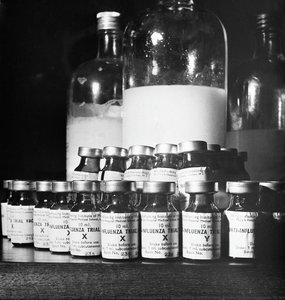
Éric Schwab
1910 - 1977 , Alemania
Datos clave
- Artistic Movement Or Style: Fotografía
- Date Of Birth: 1910 Hamburg France
- Date Of Death: 1977
- Full Name: Éric Schwab
- Nationality: Francés
- Notable Artworks:
- Miss H.B. Donald de Melbourne, Australia
- El día empieza en el Centro Internacional de Influenza Londres
- Habitación Nº 215 - El Centro Internacional de Influenza Londres
- Place Of Birth: Hamburg Francia

