

 Ver en contexto
 Enviar
 Compartir
 Detalles

 Descargar
 Similares
 Radiografía
 Presentación de diapositivas
 Stats
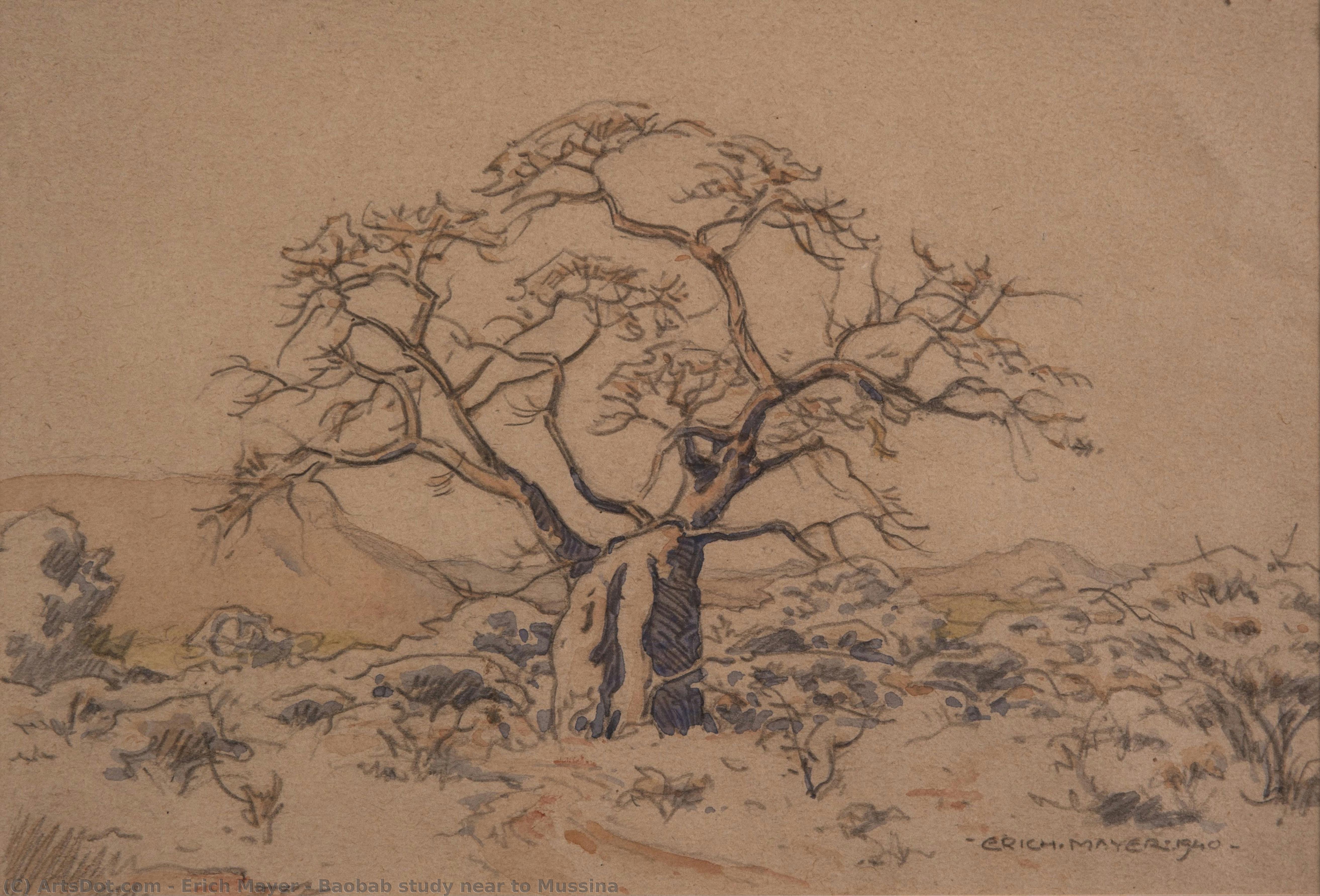
StatsBaobab study near to Mussina
 Watercolor
- WallArt
- Contemporary Realism
 1940
1940- Modern
 19.0 x 28.0 cm
 Museos de la Universidad de Pretoria
 Ver más
Giclée / Impresión de arte
Impresiones giclée o en lienzo de calidad de museo con producción rápida y opciones de acabado flexibles. ( Comprar pintura hecha a mano Switch to Digital Image)




P118B $10

P118H $10

P118W $10

P438Z $10

P508JH $12

P508YH $12

P805H $10

P805Z $10

P919BZ $10

P919G $10

P919XJ $10

P959ZH $10

P968JZ $12

W106C $8

W218G $10

W218JH $8

W218Y $10

W307PJ $10

W316G $10

W316PJ $8

W316Y $10

W398PJ $8

W4111J $10

W500HY $15

W500JH $15

W692G $12

W849H $8

W940BG $15

W953PJ $8




Elija entre nuestros tamaños predefinidos que respetan las proporciones originales de la obra.

Puede introducir sus propias dimensiones para adaptarse a un marco o espacio específico. Si el tamaño seleccionado no coincide con las proporciones de la imagen original, recortaremos la obra de arte o extenderemos la imagen con un borde con efecto espejo o de color sólido. Se enviará una maqueta digital para su aprobación antes de que comience la producción.
Tenga en cuenta que la vista previa en pantalla no refleja el recorte o la extensión real. Solo la maqueta mostrará con precisión la composición final.
Aunque existen tamaños personalizados, recomendamos seleccionar una dimensión de la lista predefinida para preservar las proporciones originales.
Envío a todo el mundo () en 2 semanas en lugar de las 4/5 semanas estándar. (8 septiembre)

Envío exprés gratuito a todo el mundo

Lienzo de lino de alta calidad

Seguro de envío total

Garantía de reembolso de impuestos aduaneros

Garantía de fidelidad cromática exacta

Política de devolución de 100 días (solo por defectos)

Garantía de devolución del 100% del dinero

Descuento por cantidad
 La opción de vidrio solo está disponible en tamaños inferiores a 110 cm.

Baobab study near to Mussina
Giclée / Impresión de arte
Dimensiones de la reproducción
-


Precio total final
$ 62
A Serene Encounter in the Transvaal
In the quietude of "Baobab Study near to Mussina," the viewer is transported to a sun-drenched corner of the South African landscape, where time seems to slow to the rhythmic pace of nature. The painting captures a profound moment of stillness featuring two cows resting at the foot of an ancient, majestic baobab tree. This iconic silhouette, with its thick, weathered trunk and sprawling, leafless branches reaching toward the sky, serves as the anchor for the entire composition. Set against a backdrop of soft, rolling hills and distant mountains, the scene evokes a sense of deep-seated tranquility. The presence of the cattle, positioned intimately near one another, introduces a gentle narrative of companionship and peace, suggesting a harmonious coexistence between the wild flora of the African veld and the domestic life of the countryside.
The artistry of Erich Mayer shines through in his delicate handling of light and atmosphere. Utilizing a watercolor technique that favors soft transitions and luminous washes, Mayer masterfully captures the hazy, heat-softened air characteristic of the Musina region. The artist’s ability to render the rugged texture of the baobab's bark against the ethereal lightness of the distant mountains creates a captivating depth. There is a subtle brilliance in how the light interacts with the landscape, casting gentle shadows that ground the animals within the terrain. This mastery of medium allows the painting to breathe, offering a window into a world where the boundaries between the earth and the sky feel beautifully blurred.
A Life Forged in Landscape and Resilience
To understand the soul of this work, one must look toward the turbulent life of Erich Mayer himself. A German-born artist who sought fortune in the Transvaal, Mayer’s journey was marked by the profound upheavals of the South African War and the subsequent world conflicts. His experiences as a prisoner of war on St. Helena Island and his later internment during the World Wars instilled in him a unique perspective—one that found solace and beauty in the enduring permanence of the African landscape. This painting is more than a mere botanical study; it is an homage to the resilience of nature. The baobab, often called the "Tree of Life," stands as a symbol of endurance, much like Mayer’s own spirit, which remained anchored to the land he had come to call home despite the storms of history.
For the discerning collector or interior designer, this reproduction offers an exquisite opportunity to introduce a piece of historical and emotional depth into a living space. The muted, earthy palette and the tranquil subject matter make it a versatile addition to any sophisticated decor, providing a focal point that invites contemplation and calm. Whether placed in a sunlit study or a contemporary gallery-style lounge, "Baobab Study near to Mussina" serves as a timeless window into the heart of Southern Africa, bringing with it the quiet dignity of a bygone era and the everlasting beauty of the natural world.
Obras relacionadas
![Untitled (transfer Drawing For The Home Of The Winds [no. 1]) — George Elbert Burr, Impressionism](/media/artworks/images-thumb/dd/96/dd96c678ec40df9a9267f8459ca4b4c9.jpg)
Biografía del artista
Erich Mayer: Pionero del Arte Sudafricano
- Nacido: Mussino, Italia (1876)
- Fallecido: Pretoria, Sudáfrica (1960)
Primeros Años e Influencias
Erich Ernst Karl Mayer nació en Karlsruhe, Alemania, en 1876. Recibió su educación temprana en Berlín y inicialmente cursó estudios de arquitectura, obteniendo una beca para la Technische Hochschule de Charlottenburg. Sin embargo, una enfermedad interrumpió su formación arquitectónica, lo que lo llevó a buscar un clima más saludable y trasladarse a Sudáfrica en 1898. Su primer trabajo implicó servir como asistente topógrafo en el Estado Libre de Orange.
La Guerra Bóer y Desarrollo Artístico
La vida de Mayer dio un giro significativo cuando se unió a un comando bóer durante la Guerra Anglo-Bóer (1899-1902). Mientras participaba en el conflicto, comenzó a dibujar a los agricultores locales y paisajes donde estaba estacionada su unidad. Capturado por las fuerzas británicas en Mafeking, Mayer soportó el encarcelamiento en Santa Elena. Durante este período de confinamiento, se dedicó al arte, perfeccionando sus habilidades y desarrollando su visión artística. Tras su regreso a Alemania después de la guerra, estudió formalmente arte antes de regresar finalmente a Sudáfrica.
Estilo Artístico y Contribuciones
Tras establecerse en Pretoria en 1912, Mayer se convirtió en una figura destacada en la escena artística sudafricana. Es conocido principalmente por sus meticulosas pinturas al agua y óleos que representan la vida rural y los paisajes de Sudáfrica. Su obra a menudo se centraba en retratar las vidas de los agricultores y sus familias, capturando la esencia de las regiones interiores del país con sensibilidad y detalle. Un tema notable en sus obras era el árbol baobab ("Kremetartboom"). Mayer abogó activamente por una "Identidad Artística Nacional" dentro de Sudáfrica, buscando desarrollar un estilo artístico que reflejara el carácter único de la nación.
- Medios: Principalmente acuarela y óleo.
- Temas: Paisajes rurales, retratos de agricultores y sus familias, representaciones de la vida cotidiana en Sudáfrica.
- Estilo: Representacional, caracterizado por un detalle meticuloso y una representación simpática de sus temas.
Legado y Significado Histórico
La contribución de Erich Mayer al arte sudafricano es significativa por varias razones. Desempeñó un papel crucial en el fomento de una identidad artística indígena durante un período en el que predominaban las influencias europeas. Sus representaciones empáticas de la vida rural proporcionaron valiosas perspectivas sobre las vidas de personas comunes, preservando un registro visual de una época pasada. Mayer también compartió sus conocimientos y habilidades enseñando xilografía a otros artistas, incluido el renombrado JH Pierneef. Sus murales en la Oficina Postal de Jeppe Street (Johannesburgo) y la Monument High School (Krugersdorp) son testimonios duraderos de su legado artístico.
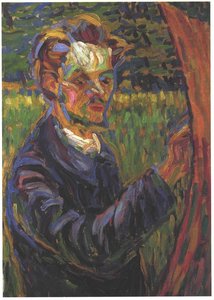
Erich Mayer
1940 - , Alemania
Datos clave
- Artistas Que Influyeron:
- Winslow Homer
- Henri Matisse
- Fecha De Fallecimiento: 1960
- Fecha De Nacimiento: 1876
- Influenciado Por: ['Henk Pierneef']
- Lugar De Nacimiento: Karlsruhe, Alemania
- Movimiento Artístico: Pintura en acuarela
- Nacionalidad: Alemán-Sudafricano
- Nombre Completo: Erich Ernst Karl Mayer
- Obras Notables: ['Estudio de baobab']
Artículos relacionados

Paul Cézanne: Las 25 Obras Maestras que Definieron el Arte Moderno | ArtsDot
Descubre las 25 obras maestras de Paul Cézanne que revolucionaron el arte moderno. Explora su técnica, inspiración y significado en paisajes, bodegones y retratos. Reproducciones de alta calidad para decorar tu hogar con arte inolvidable. ¡Explora la colección completa en ArtsDot.com!
Leonardo da Vinci: Las 25 Obras Maestras que Definieron un Genio | ArtsDot
Descubre las 25 obras maestras de Leonardo da Vinci, desde la Mona Lisa hasta La Última Cena. Explora su arte renacentista, técnicas innovadoras y el legado del genio italiano. Reproducciones de alta calidad para decorar tu hogar con belleza y historia en ArtsDot.com.
Arboreal Echoes: A Historical & Artistic Exploration of Trees in Painting
Explore the rich history of trees in painting! Discover symbolism, Romantic masterpieces by Caspar David Friedrich & beyond. A curated journey for art enthusiasts.
Arboreal Echoes: A Historical & Artistic Exploration of Trees in Painting
Explore the rich history of trees in painting! Discover symbolism, Romantic masterpieces by Caspar David Friedrich & beyond. A curated journey for art enthusiasts.

Alfred Munnings: Las 25 Obras Maestras del Pintor de Caballos | ArtsDot
Descubre las 25 obras maestras de Alfred Munnings, el pintor británico de caballos por excelencia. Explora su impresionismo inglés, escenas campestres y técnica única. Encuentra reproducciones de arte de alta calidad en ArtsDot.com.