 Vista previa
 Compartir
 Compartir
 Ver detalles

 Descargar
 Ver similares
 Radiografía
 Presentación de diapositivas
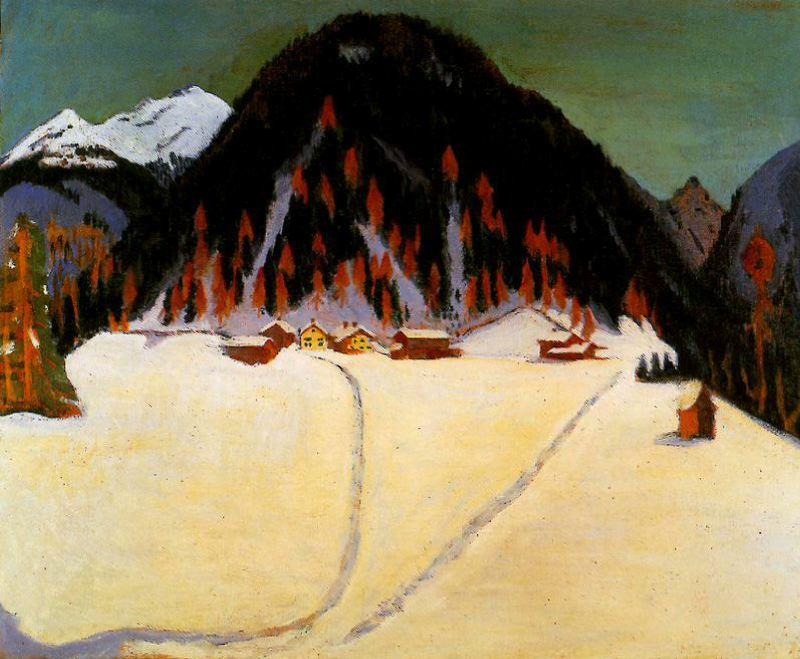
Junkerboden in snow


 Leer más
Reproducción al óleo hecha a mano
Óleo sobre lienzo pintado a mano en el tamaño y marco de su elección, realizado por encargo por nuestros artistas. ( Pedir impresión Comprar descarga)




P118B $10

P118H $10

P118W $10

P438Z $10

P508JH $12

P508YH $12

P805H $10

P805Z $10

P919BZ $10

P919G $10

P919XJ $10

P959ZH $10

P968JZ $12

W106C $8

W218G $10

W218JH $8

W218Y $10

W307PJ $10

W316G $10

W316PJ $8

W316Y $10

W398PJ $8

W4111J $10

W500HY $15

W500JH $15

W692G $12

W849H $8

W940BG $15

W953PJ $8




Elija entre nuestros tamaños predefinidos que respetan las proporciones originales de la obra.

Puede ingresar sus propias dimensiones para adaptarse a un marco o espacio específico. Si el tamaño seleccionado no coincide con las proporciones de la imagen original, recortaremos la obra o extenderemos la pintura con elementos adicionales pintados a mano. Se le enviará una maqueta digital para su aprobación antes de comenzar la producción.
Tenga en cuenta que la vista previa en pantalla no refleja el recorte o la extensión reales. Solo la maqueta mostrará con precisión la composición final.
Si bien existen tamaños personalizados, recomendamos seleccionar una dimensión de la lista predefinida para preservar las proporciones originales.
Tras realizar el pedido, el equipo de ArtsDot.com enviará un correo electrónico al cliente para solicitar instrucciones y proporcionarle una vista previa del boceto.
Envío a todo el mundo () en 3-4 semanas en lugar de las 5 semanas estándar. (20 agosto). Sin comprometer la calidad.

Envío exprés gratuito a todo el mundo

Lienzo de lino de alta calidad

Seguro de envío completo

Garantía de reembolso de aranceles aduaneros

Garantía de fidelidad cromática exacta

Política de devolución de 60 días (solo por defectos)

Garantía de devolución del 100% del dinero

Oferta por volumen
 La opción de vidrio solo está disponible en tamaños inferiores a 110 cm.

Junkerboden in snow
Técnica de reproducción
Tamaño de la reproducción
-


Precio total
$ 263
Descripción de la obra
A Frozen Echo of Anxiety: Ernst Ludwig Kirchner's "Junkerboden in Snow"
- Ernst Ludwig Kirchner’s “Junkerboden in snow” isn’t merely a depiction of a winter landscape; it’s a visceral plunge into the heart of human anxiety, rendered with the uncompromising intensity that defined his place as a pivotal figure in German Expressionism. Painted around 1914, this work, executed in oil on canvas, captures a bleak and unsettling scene – a small village nestled within a snow-drenched valley beneath the imposing shadow of a dark mountain. It’s a landscape stripped bare of sentimentality, revealing instead a raw emotional core that speaks to the anxieties simmering beneath the surface of early 20th-century Europe.
- Kirchner's association with Die Brücke (The Bridge) group – a collective dedicated to challenging artistic conventions and exploring the darker aspects of human experience – is immediately apparent. The painting’s jagged lines, distorted forms, and jarring color palette are hallmarks of this movement, rejecting the idealized beauty favored by academic art in favor of an honest, often uncomfortable, portrayal of reality. This was a time of rapid industrialization, social upheaval, and growing political tensions, and Kirchner's work reflects these turbulent currents.
Decoding the Palette: Color as Emotional Language
- The color choices in “Junkerboden in snow” are profoundly deliberate. The dominant cool tones – icy whites, muted blues, and somber greens – immediately evoke a sense of coldness, isolation, and perhaps even dread. These aren’t the comforting hues of a picturesque winter scene; they're colors charged with emotional weight. The strategic use of red-orange in the trees and buildings acts as a jarring counterpoint, intensifying the overall feeling of unease.
- Kirchner masterfully employs light to heighten this effect. The diffused lighting, devoid of any directional source, contributes to the painting’s flatness and abstraction, further emphasizing its emotional impact. The reflected light on the snow isn't a gentle shimmer; it’s a harsh glare that amplifies the starkness of the scene.
A Symphony of Angularity: Technique and Style
- Technically, “Junkerboden in snow” is characterized by Kirchner’s distinctive brushwork – bold, expressive strokes applied with a deliberate roughness. This impasto technique, particularly evident in the rendering of the mountain and the snow, adds to the painting's tactile quality and reinforces its emotional intensity. The simplified forms—geometric buildings, triangular trees, and a monumental, almost menacing, mountain—are not accidental; they are carefully constructed to convey a sense of unease and disorientation.
- Kirchner’s use of line is equally crucial. The jagged outlines, far from being decorative, actively disrupt the viewer's perception, contributing to the painting’s unsettling atmosphere. The simplified perspective – a deliberate flattening of space – further enhances this effect, pulling the viewer into the scene and amplifying its emotional resonance.
Symbolism and Emotional Resonance
- Beyond its formal qualities, “Junkerboden in snow” is laden with symbolic meaning. The imposing mountain, looming over the village, can be interpreted as a representation of overwhelming forces – perhaps societal pressures, personal anxieties, or even the threat of war. The winding path leading towards the village suggests a journey into the unknown, fraught with uncertainty and danger.
- Ultimately, Kirchner’s masterpiece is a powerful meditation on the human condition—a reminder that beauty can be found not in idyllic landscapes but in the raw, unfiltered expression of emotion. It's a work that continues to resonate with viewers today, offering a glimpse into the anxieties and uncertainties that have shaped our world for over a century.
Obras relacionadas
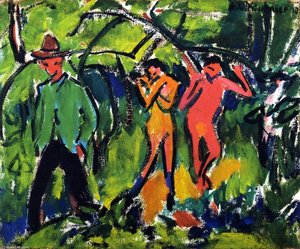
Biografía del artista
Ernst Ludwig Kirchner: Vida y Legado
Primeros Años y Educación
Ernst Ludwig Kirchner, una figura clave del Expresionismo alemán, nació el 6 de mayo de 1880 en Aschaffenburg, Baviera. Su herencia prusiana familiar y la ascendencia hugonota de su madre moldearon significativamente su identidad artística. Las frecuentes mudanzas durante su infancia – debido a la búsqueda de empleo de su padre – llevaron a Kirchner a asistir a escuelas en Frankfurt y Perlen antes de establecerse en Chemnitz cuando su padre consiguió un puesto en el colegio tecnológico local.
En 1901, Kirchner comenzó a estudiar arquitectura en la Königliche Technische Hochschule (Real Escuela Técnica) en Dresde. Sin embargo, pronto se sintió atraído por la pintura, encontrando inspiración en las obras de artistas como Albrecht Dürer y desarrollando una perspectiva radical sobre el arte junto con su amigo, Fritz Bleyl.
Formación de Die Brücke (El Puente)
Un punto de inflexión en la carrera de Kirchner llegó en 1905 cuando cofundó Die Brücke (“El Puente”) con Bleyl, Karl Schmidt-Rottluff y Erich Heckel. Este grupo tenía como objetivo cerrar la brecha entre los estilos académicos tradicionales y una forma de expresión más moderna y cargada emocionalmente. Buscaron inspiración en el arte primitivo, particularmente del África y Oceanía, así como en las obras de Vincent van Gogh y Edvard Munch.
Estilo Artístico y Características Clave
El estilo artístico de Kirchner se caracteriza por sus colores audaces, pinceladas expresivas y composiciones a menudo inquietantes. Representaba con frecuencia escenas urbanas, retratando la alienación y las ansiedades de la vida moderna a principios del siglo XX en Alemania. Su obra también presenta un número significativo de desnudos femeninos dentro de paisajes naturales, mostrando su fascinación por el movimiento y la forma.
- Paletas de Colores Audaces: Kirchner empleó colores vibrantes, a menudo no naturalistas, para transmitir emoción.
- Trabajo de Pincel Expresivo: Sus pinceladas son enérgicas y visibles, contribuyendo a la intensidad emocional general de sus pinturas.
- Formas Distorsionadas: Las figuras y los objetos a menudo están distorsionados o alargados, reflejando una realidad subjetiva más que objetiva.
- Temas Urbanos: Muchas de sus obras representan calles bulliciosas de la ciudad y el impacto psicológico de la vida urbana moderna.
Obras Principales y Logros
Algunas de las obras más notables de Kirchner incluyen:
- La Calle (1908) – Una representación esencial de la vida callejera en Berlín, capturando su energía y alienación.
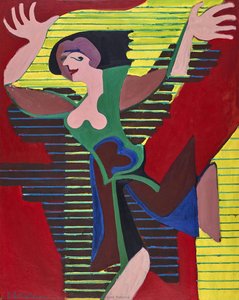
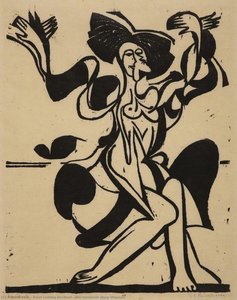
- Bailarina Saltando, Gret Palucca (1912) – Muestra su interés por el movimiento expresivo y la forma humana.
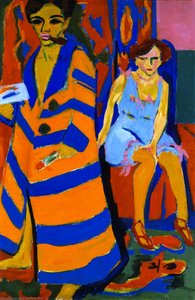
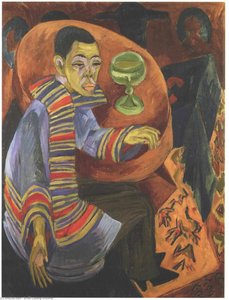
- Autorretrato con Modelo (1910) - Un ejemplo llamativo de su autoexploración a través del arte.
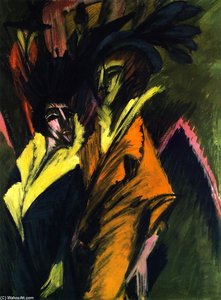
- Cinco Mujeres en la Calle (1913)
Vida Posterior, Desafíos y Legado
La vida de Kirchner estuvo marcada por el tormento personal. Sufrió un colapso mental durante la Primera Guerra Mundial y posteriormente se retiró a Suiza. El auge del nazismo trajo consigo nuevas dificultades; más de 600 de sus obras fueron confiscadas y consideradas “arte degenerado”. Enfrentando persecución y deterioro de su salud, Kirchner trágicamente se suicidó en Davos, Suiza, el 15 de junio de 1938.
A pesar de este trágico final, el legado de Ernst Ludwig Kirchner perdura. Sigue siendo una figura central del Expresionismo alemán, influyendo en generaciones de artistas con su estilo audaz y sus representaciones emocionalmente resonantes de la vida moderna. Su obra continúa expuesta en importantes museos de todo el mundo y es muy solicitada por coleccionistas.
Influencias e Impacto
Influenciado Por: Albrecht Dürer, Vincent van Gogh, Edvard Munch, Arte Primitivo (Africano y Oceanía)
Influyó en: La obra de Kirchner impactó profundamente a generaciones posteriores de artistas expresionistas y modernos. Su exploración de temas psicológicos y su uso innovador del color y la forma continúan inspirando prácticas artísticas contemporáneas.
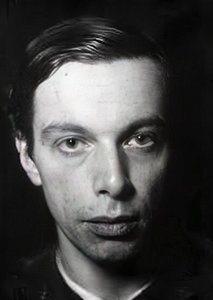
Ernst Ludwig Kirchner
1880 - 1938 , Alemania
Datos clave
- Artistas Que Influyeron:
- Albrecht Dürer
- Vincent van Gogh
- Edvard Munch
- Fecha De Fallecimiento: 15 de junio de 1938
- Fecha De Nacimiento: 6 de mayo de 1880
- Influenciado A: Expresionistas y artistas modernos
- Lugar De Nacimiento: Aschaffenburg, Alemania
- Movimiento Artístico: Expresionismo, Die Brücke
- Nacionalidad: Alemán
- Nombre Completo: Ernst Ludwig Kirchner
- Obras Notables:
- La calle
- Bailarina saltando
- Autorretrato con modelo
- Cinco mujeres en la calle
- Torre roja en Halle
Artículos relacionados

Expresionismo Alemán: 10 Obras Maestras que Transformaron el Arte | ArtsDot
Descubre las 10 obras maestras del Expresionismo Alemán: Kirchner, Munch y más. Explora la historia, técnica y emoción detrás de estos lienzos icónicos. Reproducciones de arte de museo en ArtsDot.com. ¡Inspira tu hogar con arte!
El Grito Visceral de una Nación: Explorando la Emoción y la Distorsión en el Expresionismo Alemán
Descubre el expresionismo alemán en profundidad. Analizamos sus orígenes, artistas clave como Kirchner y Kandinsky, técnicas innovadoras y su impacto duradero en el arte moderno. Guía para coleccionistas.
Ernst Ludwig Kirchner: Expressionism's Urban Anxiety & the Fragmentation of Modern Identity
Explore the powerful world of Ernst Ludwig Kirchner and German Expressionism. Discover his iconic paintings, Die Brücke group, and the movement's exploration of urban anxiety & modern identity. Expert analysis for collectors & enthusiasts.

Giclée Prints: Archival Quality & Aesthetic Nuances for the Discerning Collector
Explore the world of giclée prints with ArtsDot. Learn about archival quality, aesthetic nuances & investment potential. Expert guidance for discerning art collectors seeking museum-quality reproductions and lasting value.
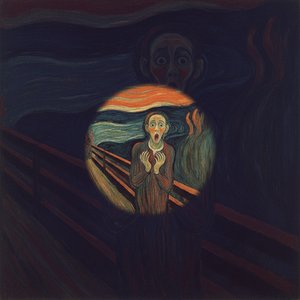
La Intensidad Visceral: Explorando la Expresión Emocional en el Expresionismo
Descubre la intensidad del Expresionismo Alemán. Explora sus orígenes, artistas clave como Munch y Kirchner, y su profundo impacto en el arte moderno. Análisis experto y obras maestras.