

 Enviar
 Compartir
 Detalles

 Descargar
 Similares
 Presentación de diapositivas
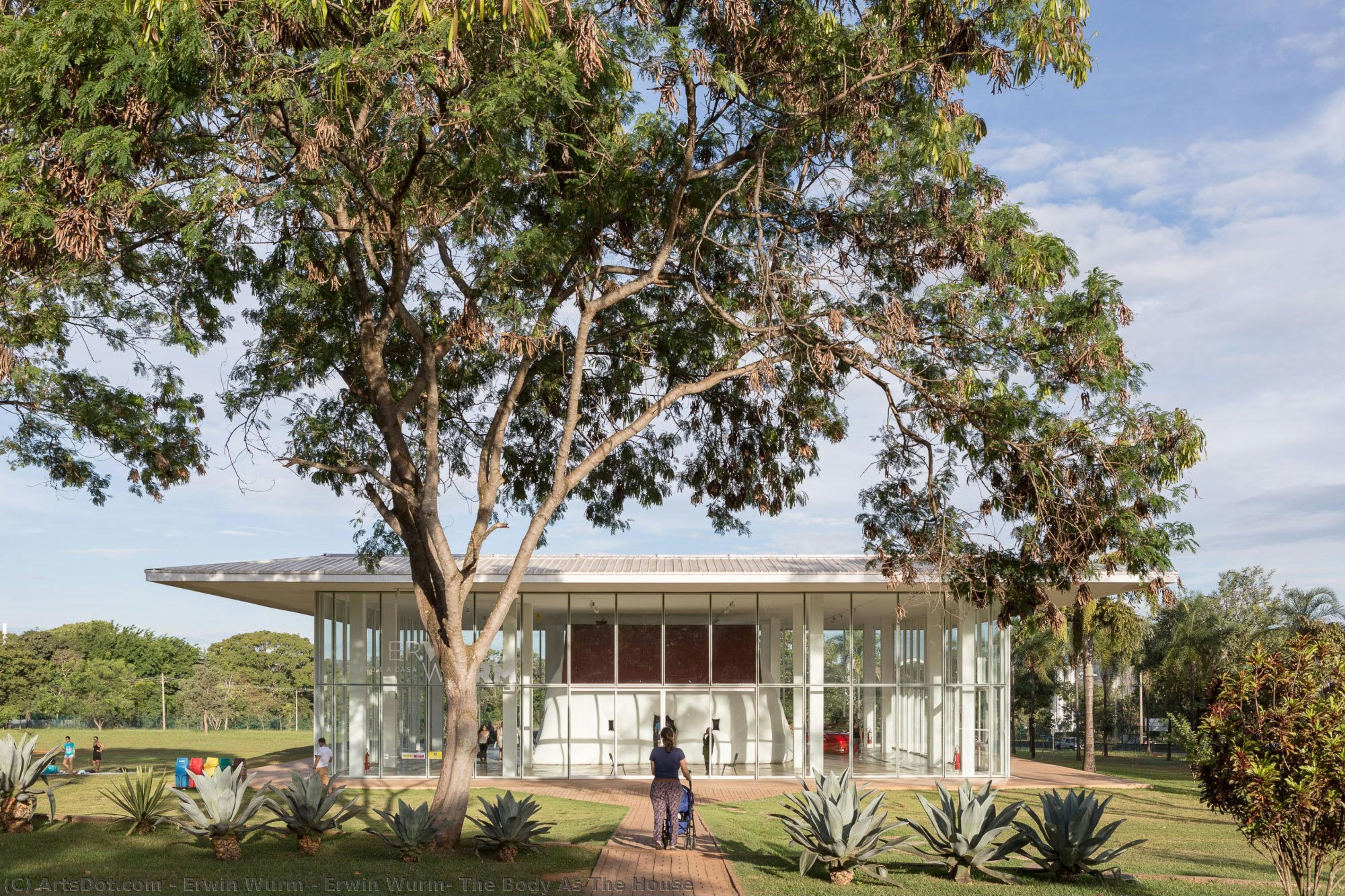
Erwin Wurm: The Body As The House


 Ver más
Giclée / Impresión de arte
Impresiones giclée o en lienzo de calidad de museo con producción rápida y opciones de acabado flexibles. ( Comprar pintura hecha a mano Comprar imagen)




































Elija entre nuestros tamaños predefinidos que respetan las proporciones originales de la obra.

Puede introducir sus propias dimensiones para adaptarse a un marco o espacio específico. Si el tamaño seleccionado no coincide con las proporciones de la imagen original, recortaremos la obra de arte o extenderemos la imagen con un borde con efecto espejo o de color sólido. Se enviará una maqueta digital para su aprobación antes de que comience la producción.
Tenga en cuenta que la vista previa en pantalla no refleja el recorte o la extensión real. Solo la maqueta mostrará con precisión la composición final.
Aunque existen tamaños personalizados, recomendamos seleccionar una dimensión de la lista predefinida para preservar las proporciones originales.
Envío a todo el mundo () en 2 semanas en lugar de las 4/5 semanas estándar. (26 agosto)

Envío exprés gratuito a todo el mundo

Lienzo de lino de alta calidad

Seguro de envío total

Garantía de reembolso de impuestos aduaneros

Garantía de fidelidad cromática exacta

Política de devolución de 60 días (solo por defectos)

Garantía de devolución del 100% del dinero

Descuento por cantidad
 La opción de vidrio solo está disponible en tamaños inferiores a 110 cm.

Erwin Wurm: The Body As The House
Giclée / Impresión de arte
Dimensiones de la reproducción
-


Precio total final
$ 62
Descripción de la pieza
The Architecture of Existence: Unveiling Erwin Wurm’s Vision
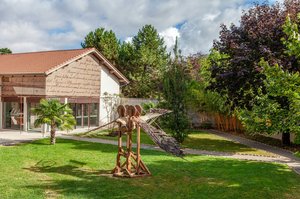
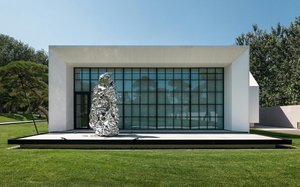
In the surreal landscape of contemporary installation art, few works command attention with as much profound curiosity as Erwin Wurm’s "The Body As The House." Created in 2003, this evocative piece serves as a breathtaking intersection between human biology and architectural form. At first glance, the viewer is met with the sight of a massive, white structure—a building that appears to possess the windows and facades of a traditional museum or estate. However, upon closer inspection, the very fabric of this edifice reveals itself to be composed of the human form. It is an extraordinary feat of conceptual imagination that blurs the boundary between the inhabitant and the habitat, challenging our fundamental understanding of where the self ends and the world begins.
Wurm, a master of the absurd and the satirical, utilizes this installation to provoke a deep, visceral reaction. The image captures a scene of quiet movement; visitors wander through the periphery of this fleshy monument, their smallness emphasizing the monumental scale of the "body-house." This juxtaposition creates a sense of wonder and slight disorientation, pulling the observer into a dreamlike state where the familiar becomes alien. For the collector or the enthusiast of avant-garde art, this work represents more than just a visual spectacle; it is an invitation to contemplate the fragility and the structural complexity of our own existence.
Symbolism and the Critique of Modernity
To understand the depth of Wurm’s creation, one must delve into his philosophical roots. Born in Austria, Wurm has long been fascinated by the psychological and political dimensions of the human entity. In "The Body As The House," the symbolism is layered and rich. By transforming the body into a dwelling, Wurm suggests that our identities are not merely contained within our skin, but are built through the structures we inhabit and the societies we construct. There is an inherent vulnerability in seeing the human form used as a literal building material, hinting at how modern life can consume and reshape the individual to fit the rigid frameworks of urbanity and consumerism.
The piece functions as a critique of Western lifestyle and the post-war mentality, using Dada-inspired humor to mask a deeper, more poignant inquiry. The white, pristine nature of the building evokes a sense of clinical perfection, yet the organic reality of its composition provides a startling contrast. This tension between the sterile architectural aesthetic and the raw human element creates an emotional resonance that lingers long after the initial viewing. It is a work that speaks to the soul, questioning whether we are the masters of our environments or merely the bricks and mortar used to build them.
A Masterpiece for the Discerning Collector
For interior designers and art connoisseurs seeking to infuse a space with intellectual depth and conversational power, a high-quality reproduction of this work offers an unparalleled opportunity. The visual impact of Wurm’s concept—the striking white palette, the intricate textures of the human forms, and the grand scale of the composition—makes it a centerpiece capable of transforming any sophisticated gallery or modern living space. It brings an element of the surreal into the domestic sphere, acting as a window into a world where the boundaries of reality are delightfully dissolved.
Owning a piece inspired by "The Body As The House" is an investment in a conversation. It is a work that demands engagement, prompting guests and viewers to pause, reflect, and interpret. Whether placed in a minimalist contemporary setting or a more eclectic, curated collection, this artwork serves as a testament to the power of conceptual art to challenge, delight, and ultimately expand our perception of what it means to be alive.
Obras relacionadas

Biografía del artista
Erwin Wurm: Una Biografía
- Nacimiento: Braunau am Inn, Austria (1954)
- Estado Actual: Vivo
Primeros Años y Filosofía Artística
Erwin Wurm nació en 1954 en Bruck an der Mur, Austria. Su crianza estuvo notablemente influenciada por su padre, un detective que desalentaba las aspiraciones artísticas. A pesar de esta temprana resistencia, Wurm desarrolló un agudo interés por el arte desde una edad temprana. Su filosofía, como se articuló en "El Artista Que Se Tragó El Mundo", se centra en la observación y utilización de la vida cotidiana y los materiales. Afirma estar interesado en “la totalidad de un ser humano: lo físico, lo espiritual, lo psicológico y lo político”. Esta perspectiva informa su enfoque humorístico pero crítico del formalismo, desafiando las convenciones artísticas tradicionales.
Estilo Artístico y Temas
La obra de Wurm frecuentemente critica la sociedad occidental, su mentalidad y el estilo de vida prevaleciente durante la posguerra en Austria. Si bien a menudo se caracteriza por el humor y lo absurdo, sus esculturas poseen una profundidad más seria. Emplea la sátira y el sarcasmo para exponer verdades sociales y explorar las complejidades de la existencia humana. Sus obras son conocidas por su uso de objetos y materiales cotidianos, transformándolos en instalaciones y esculturas reflexivas que cuestionan las percepciones del arte y la realidad.
Influencias y Desarrollo
El desarrollo artístico de Wurm ha sido moldeado por una diversa gama de influencias. Se inspira en artistas como Adriaen de Vries, Wenzel Jamnitzer y Johann Gregor van der Schardt. Su incorporación de materiales comunes hace eco de los principios del movimiento Dada, que buscaba activamente desafiar las normas artísticas tradicionales y las convenciones sociales. Esta influencia es evidente en su juguetona subversión de las expectativas y su disposición a abrazar formas y medios poco convencionales.
Logros Destacados y Significado Histórico
La obra de Erwin Wurm se puede encontrar en prestigiosas instituciones como el Museum Galerie Würthle en Viena, Austria, y el Lehmbruck Museum en Duisburg, Alemania. Su serie "El Cuerpo Como La Casa" es particularmente notable, mostrando su capacidad para combinar muebles y la forma humana en instalaciones surrealistas y contemplativas. La contribución de Wurm al arte contemporáneo radica en su enfoque único de la escultura, difuminando las líneas entre objeto y performance, y utilizando el humor como una herramienta para el comentario social. Su trabajo continúa siendo exhibido internacionalmente, consolidando su posición como una figura significativa en la escena artística contemporánea.
- Museum Galerie Würthle: Presenta obras de Wurm junto con otros artistas notables.
- Lehmbruck Museum: Exhibe las esculturas de Wurm dentro de su colección de arte moderno y contemporáneo.
- ALBERTINA KLOSTERNEUBURG: Un museo cerca de Viena que presenta arte de posguerra, incluyendo obras de Wurm y Franz West.
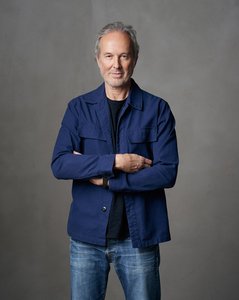
Erwin Wurm
1954 - , Austria
Datos clave
- Artistas Que Influyeron:
- Adriaen de Vries
- Wenzel Jamnitzer
- Johann Gregor van der Schardt
- Fecha De Nacimiento: 1954
- Lugar De Nacimiento: Braunau am Inn, Austria
- Movimiento Artístico: Dadaísmo
- Nacionalidad: Austriaco
- Nombre Completo: Erwin Wurm
- Obras Notables: ['The Body As The House']
Artículos relacionados

Blanco Sublime: Los 10 Cuadros Más Famosos Dominados por la Luz y el Color
Descubre los 10 cuadros blancos más emblemáticos de la historia del arte. Explora Monet, Van Gogh y Klimt, y su magistral uso de la luz y el color. Encuentra reproducciones de alta calidad e inspírate para tu decoración en .

Esculturas de Bronce Legendarias: 10 Obras Maestras que Transformaron el Arte | ArtsDot
Descubre las 10 esculturas de bronce más legendarias que revolucionaron el arte. Explora la historia de Rodin, Degas y otros maestros del bronce. Encuentra reproducciones de alta calidad e inspiración para tu hogar en ArtsDot.com.

The Enduring Form: Exploring Themes & Techniques in Sculpture Across Historical Periods
Explore the rich history of sculpture from ancient masterpieces to contemporary innovations. Discover key techniques, influential artists & investment potential for discerning art collectors.

Las 10 Obras Maestras de Bronce que Revolucionaron la Historia del Arte | ArtsDot
Descubre las 10 esculturas de bronce más influyentes de la historia del arte. Explora obras maestras de Rodin, Degas y otros genios. Encuentra reproducciones de arte de calidad museo en ArtsDot.com.

The Enduring Form: Sculpture Across History, Technique & Emotional Resonance
Explore the rich history of sculpture with ArtsDot. Discover key techniques, influential artists & investment potential for discerning collectors. Expert insights into valuing and collecting timeless masterpieces.

