

 Ver en contexto
 Enviar
 Compartir
 Detalles

 Descargar
 Similares
 Radiografía
 Presentación de diapositivas
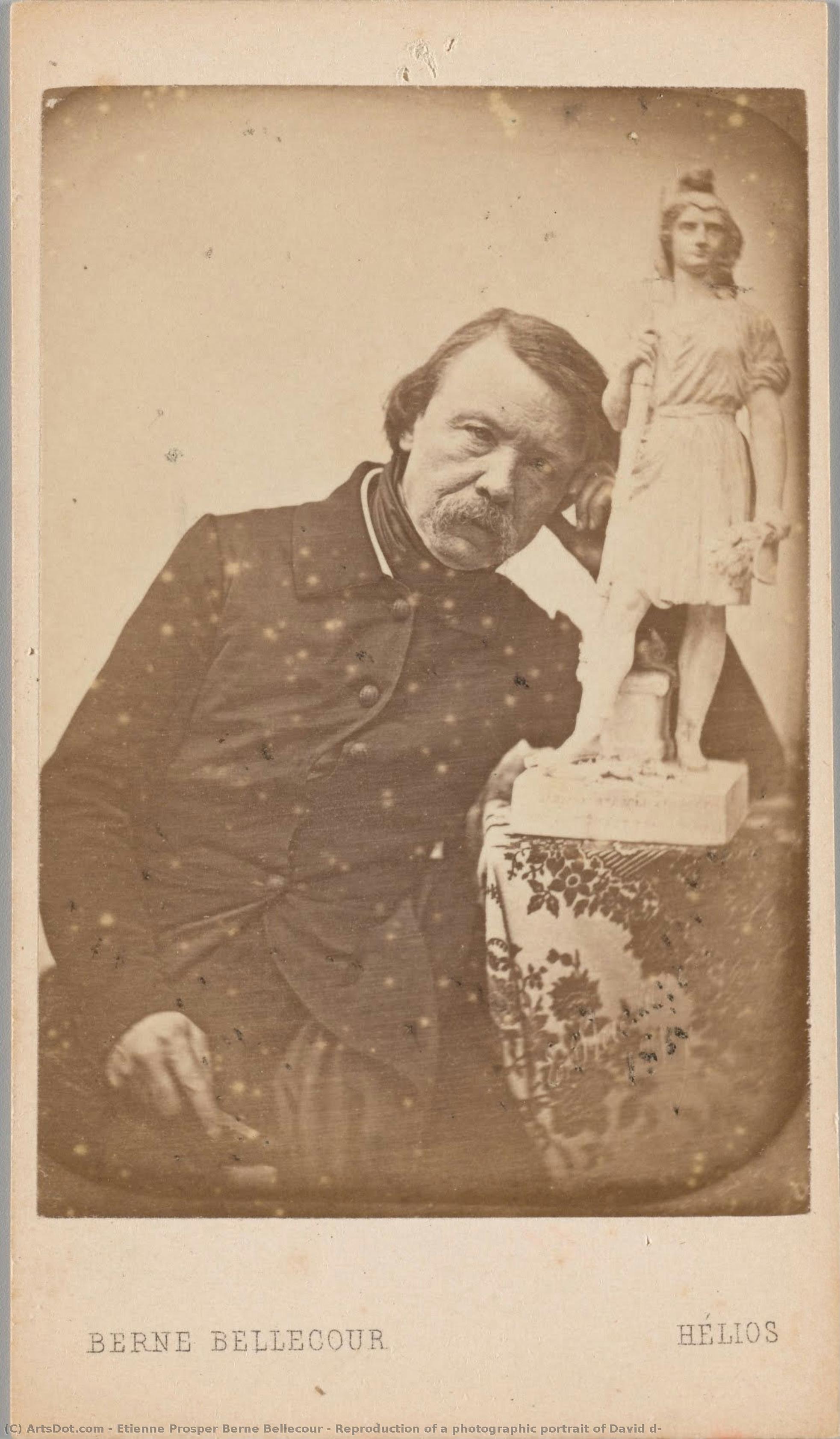
Reproduction of a photographic portrait of David d


 Ver más
Giclée / Impresión de arte
Impresiones giclée o en lienzo de calidad de museo con producción rápida y opciones de acabado flexibles. ( Comprar pintura hecha a mano Comprar imagen)




P118B $10

P118H $10

P118W $10

P438Z $10

P508JH $12

P508YH $12

P805H $10

P805Z $10

P919BZ $10

P919G $10

P919XJ $10

P959ZH $10

P968JZ $12

W106C $8

W218G $10

W218JH $8

W218Y $10

W307PJ $10

W316G $10

W316PJ $8

W316Y $10

W398PJ $8

W4111J $10

W500HY $15

W500JH $15

W692G $12

W849H $8

W940BG $15

W953PJ $8




Elija entre nuestros tamaños predefinidos que respetan las proporciones originales de la obra.

Puede introducir sus propias dimensiones para adaptarse a un marco o espacio específico. Si el tamaño seleccionado no coincide con las proporciones de la imagen original, recortaremos la obra de arte o extenderemos la imagen con un borde con efecto espejo o de color sólido. Se enviará una maqueta digital para su aprobación antes de que comience la producción.
Tenga en cuenta que la vista previa en pantalla no refleja el recorte o la extensión real. Solo la maqueta mostrará con precisión la composición final.
Aunque existen tamaños personalizados, recomendamos seleccionar una dimensión de la lista predefinida para preservar las proporciones originales.
Envío a todo el mundo () en 2 semanas en lugar de las 4/5 semanas estándar. (5 septiembre)

Envío exprés gratuito a todo el mundo

Lienzo de lino de alta calidad

Seguro de envío total

Garantía de reembolso de impuestos aduaneros

Garantía de fidelidad cromática exacta

Política de devolución de 60 días (solo por defectos)

Garantía de devolución del 100% del dinero

Descuento por cantidad
 La opción de vidrio solo está disponible en tamaños inferiores a 110 cm.

Reproduction of a photographic portrait of David d
Giclée / Impresión de arte
Dimensiones de la reproducción
-


Precio total final
$ 62
Étienne-Prosper Berne-Bellecour: A Pioneer of Pictorial Realism
Étienne-Prosper Berne-Bellecour (1838-1910) stands as a pivotal figure in the late 19th-century French artistic landscape, embodying the spirit of realism and Impressionism—a movement that sought to capture fleeting moments of beauty and emotion with unprecedented accuracy. Born in Boulogne-sur-Mer, France, Berne-Bellecour’s formative years instilled within him an unwavering passion for art, propelling him toward formal training under luminaries like François-Édouard Picot and Félix-Joseph Barrias—masters who championed the enduring traditions of classical painting while simultaneously fostering a burgeoning openness to innovative visual approaches. This dual influence would become the cornerstone of his artistic vision, shaping his oeuvre into a remarkable synthesis of meticulous observation and expressive brushwork.- Early Influences: Picot and Barrias instilled in Berne-Bellecour a profound understanding of anatomy and composition—principles derived from Renaissance art that emphasized clarity and balance. These foundational teachings provided him with the technical tools necessary to translate his artistic sensibilities into compelling visual representations.
- The Prix de Rome Competition (1859): Driven by ambition, Berne-Bellecour competed for the prestigious Prix de Rome—a contest designed to nurture young talent and propel aspiring artists toward academic excellence. Achieving success in this competition solidified his position within the Parisian artistic community and affirmed his commitment to mastering established artistic conventions.
- Photography as Catalyst: Recognizing the transformative potential of photography, Berne-Bellecour embraced this emerging medium alongside his painting pursuits—a decision that reflected not only his intellectual curiosity but also his pragmatic resourcefulness. Exposure to photographic techniques broadened his perceptual horizons and subtly informed his artistic style, encouraging him to prioritize detail and nuance in his depictions of the natural world.
A Journey Through Landscape and Narrative
Berne-Bellecour’s artistic output spanned a diverse range of subjects—primarily landscapes infused with atmospheric effects and evocative narratives that explored themes of human experience and social commentary. His canvases frequently depicted scenes from rural France, capturing the subtle nuances of light and color—characteristics emblematic of Impressionism's core tenets. However, he wasn’t merely concerned with reproducing visual appearances; rather, Berne-Bellecour sought to convey emotional resonance—to transport viewers into the very heart of his subjects. This ambition is particularly evident in works such as “Picket guards,” where meticulous attention to detail combined with expressive brushstrokes creates a palpable sense of immediacy and psychological depth.- Technique: Berne-Bellecour’s technique—characterized by layering thin glazes of pigment onto prepared canvases—allowed him to achieve remarkable luminosity and tonal gradation. This method, honed through years of practice, enabled him to capture the ephemeral qualities of light and atmosphere with unparalleled fidelity.
- Symbolism & Emotion: Beyond mere representation, Berne-Bellecour’s paintings communicated profound emotional truths—reflecting his own philosophical convictions about the human condition. His compositions often incorporated symbolic elements—such as references to mythology and folklore—to enrich their narrative content and invite contemplation on universal themes of beauty, sorrow, and redemption.
- Notable Works: Among his most celebrated pieces are “A dragon in front of a portal” and “Soldier on a battlefield”—works that exemplify Berne-Bellecour’s ability to convey both visual splendor and psychological complexity—capturing the grandeur of nature alongside the solemn realities of warfare.
Legacy & Influence
Étienne-Prosper Berne-Bellecour's contribution to French art extends far beyond his individual creations; he served as a mentor and inspiration to younger artists—particularly Jehan Georges Vibert—who embraced his pioneering approach to landscape painting and narrative storytelling. His unwavering dedication to realism combined with an astute understanding of Impressionistic principles established him as a cornerstone of the artistic movement—a legacy that continues to resonate within contemporary art discourse. The Fryderyk Chopin Institute in Warsaw proudly showcases reproductions of Berne-Bellecour’s masterpieces, ensuring that his evocative visions endure for generations to come.Obras relacionadas

Biografía del artista
Étienne-Prosper Berne-Bellecour: Vida y Legado
Primeros Años y Educación
- Nacido el 29 de junio de 1838 en Boulogne-sur-Mer, Francia, Étienne-Prosper Berne-Bellecour mostró una temprana inclinación hacia las artes.
- Recibió formación formal bajo artistas destacados François-Édouard Picot y Félix-Joseph Barrias, sentando una sólida base en técnicas de pintura tradicionales.
- Berne-Bellecour también asistió a la prestigiosa École des Beaux-Arts, compitiendo por el codiciado Prix de Rome en 1859 – un testimonio de su ambición y habilidad.
- Para mantenerse durante sus estudios, empleó hábilmente la fotografía, demostrando una adaptabilidad que caracterizaría su carrera.
Desarrollo Artístico y Primeras Obras
- Inicialmente, el enfoque artístico de Berne-Bellecour se centró en los paisajes y los retratos, reflejando los gustos predominantes de la época.
- En 1862, colaboró con su cuñado, Jehan Georges Vibert, para crear una obra teatral cómica titulada “La Tribune Mécanique”, representada en el Palais Royal – una empresa inusual que demostró sus talentos diversos.
- Exhibió regularmente su trabajo en las Salones a lo largo de los años 1860 y más allá, ganando gradualmente reconocimiento dentro del panorama artístico parisino.
- Sus habilidades fotográficas fueron reconocidas con un premio en la Exposición Universal de 1867, destacando su versatilidad.
Transición al Arte de Guerra
- Un momento crucial en la carrera de Berne-Bellecour llegó en 1868 cuando Vibert le animó a dedicarse por completo a la pintura.
- En 1870, junto con Vibert, Alexander Louis Leloir, y Édouard Detaille, se embarcó en un viaje a África, una experiencia que amplió sus horizontes artísticos.
- Sin embargo, su regreso coincidió con el estallido de la Guerra Franco-Prusiana (1870-1871). Berne-Bellecour sirvió con valentía como francs-tireur (soldado irregular), recibiendo una medalla por valor en combate.
Logros Principales y Estilo Artístico
- La Guerra Franco-Prusiana impactó profundamente la dirección artística de Berne-Bellecour, llevándolo a especializarse en los sujetos militares.
- Sus pinturas representan meticulosamente escenas de vida militar – soldados descansando, batallas en desarrollo y las realidades de la guerra con un notable detalle.
- Dominó la fusión de elementos del Realismo y el Impresionismo, capturando tanto la precisión de la observación como la atmósfera emocional de sus temas.
- Berne-Bellecour también practicó la escultura y la grabado, demostrando aún más su rango artístico.
- En 1878, fue honrado con el título de Caballero en la Legión de Honor francesa, reconociendo sus contribuciones al arte.
Legado e Importancia Histórica
- La obra de Berne-Bellecour proporciona valiosas perspectivas sobre la historia militar y el contexto social de Francia del siglo XIX.
- Sus representaciones detalladas de soldados y escenas de batalla ofrecen un registro visual convincente de este período turbulento.
- Su hijo, Jean-Jacques Berne-Bellecour (1874–1939), siguió los pasos de su padre como pintor militar, continuando la herencia familiar.
- Étienne-Prosper Berne-Bellecour falleció el 29 de noviembre de 1910, dejando atrás un importante cuerpo de trabajo que continúa siendo apreciado por su precisión histórica y mérito artístico.
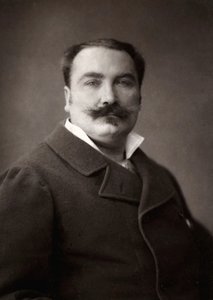
etienne prosper berne bellecour
1838 - 1910 , France
Datos clave
- Artistic Movement Or Style: Realismo & Impresionismo
- Artists Or Movements Influenced By This Artist: ['Jean-Jacques Berne-Bellecour']
- Artists Who Influenced This Artist:
- François-Édouard Picot
- Félix-Joseph Barrias
- Date Of Birth: 29 junio 1838
- Date Of Death: 29 noviembre 1910 París, Francia
- Full Name: Étienne-Prosper Berne-Bellecour
- Nationality: Francés
- Notable Artworks:
- Picket guards
- A dragon in front of a portal
- Soldier on a battlefield
- Place Of Birth: Boulogne-sur-Mer, Francia
Artículos relacionados
Beyond the Lens: Photography's Enduring Influence on Modern & Contemporary Art
Explore photography's pivotal role in shaping modern & contemporary art. Discover key movements, influential artists like Stieglitz, and expert collecting advice from ArtsDot.

Monochrome Visions: Exploring the Aesthetic & Historical Significance of Black & White Photography
Explore the rich history & artistic power of black and white photography. From early techniques to iconic masters like Ansel Adams, discover why monochrome continues to captivate art lovers today. Expert insights for collectors.
Pictorialismo: La Búsqueda del Alma de la Fotografía Artística – Estética, Técnicas y Legado
Descubre el Pictorialismo, un movimiento clave en la historia de la fotografía artística. Explora sus técnicas, figuras emblemáticas y su legado perdurable. Guía experta para coleccionistas y amantes del arte.
Witnessing History Through Lens & Light: Documentary Photography's Enduring Legacy
Explore the powerful history of documentary photography – from its origins to contemporary masters like Gordon Parks & W. Eugene Smith. Discover how this art form shapes our understanding of society and witness pivotal moments in time.
Los 10 Maestros de la Fotografía Documental: Obras que Cambiaron el Arte y la Decoración
Descubre los 10 iconos de la fotografía documental que cambiaron el arte. Explora las historias detrás de obras maestras de Dorothea Lange, Robert Capa y más. Reproducciones de alta calidad para decorar tu hogar con arte atemporal en .

