

 Ver en contexto
 Enviar
 Compartir
 Detalles

 Descargar
 Similares
 Radiografía
 Presentación de diapositivas
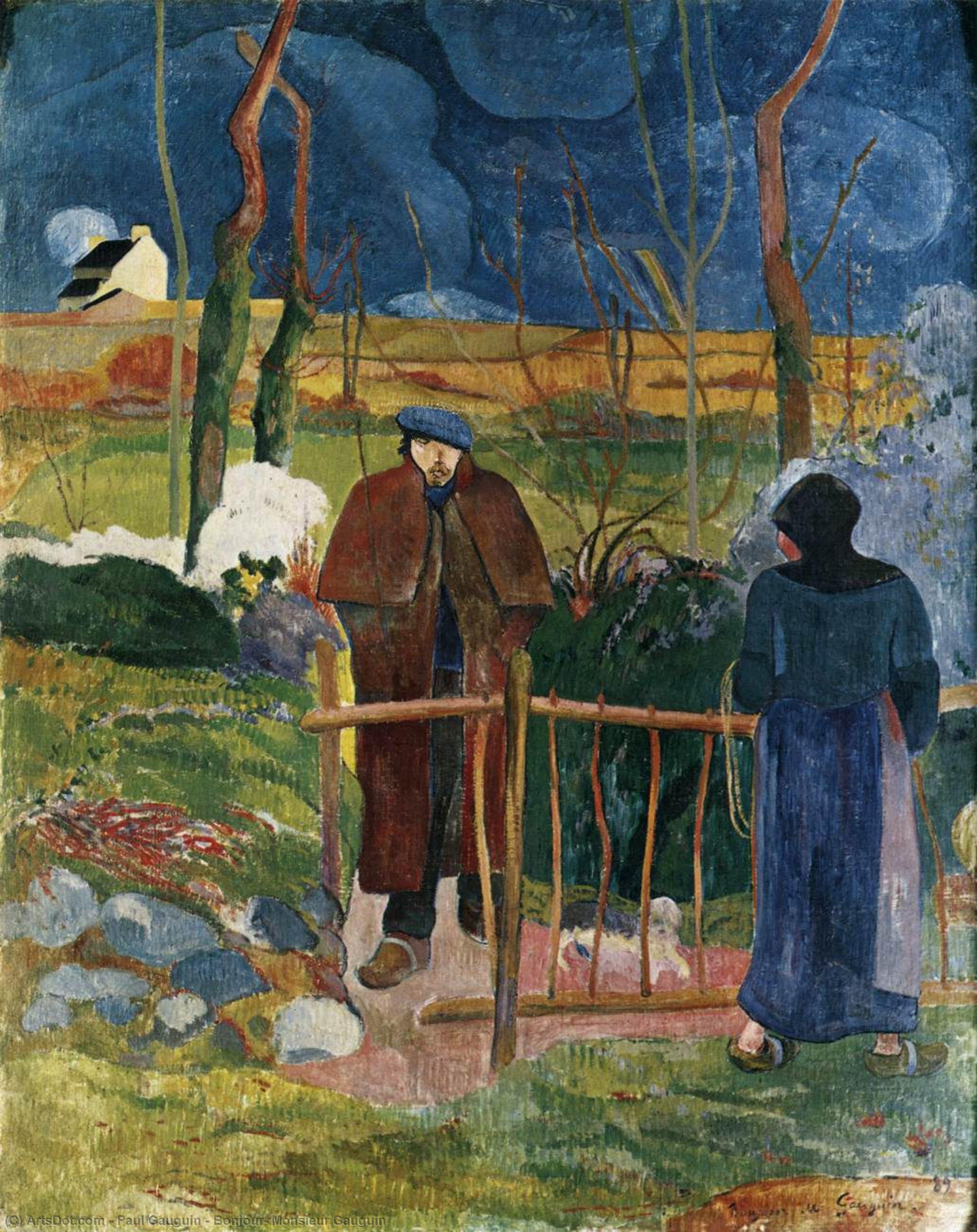
Bonjour Monsieur Gauguin
 Acrílico sobre lienzo
- Arte de pared
- Post-Impressionism
 1889
1889 92.0 x 74.0 cm
 Ver más
Adquiera una imagen digital de alta resolución y optimizada, muy superior a la vista previa en línea.
Cada archivo es preparado meticulosamente por nuestros especialistas internos mediante el uso de herramientas avanzadas y un experto retoque manual. Nos aseguramos de que cada imagen posea una claridad excepcional, una precisión cromática impecable y un detalle minucioso.
El archivo final se entrega por correo electrónico en un plazo de 72 horas, optimizado para su uso inmediato en entornos profesionales, editoriales y de impresión. Esta es la misma calidad en la que confían los estudios de diseño, las editoriales y las galerías de primer nivel.
Imagen Digital
Descarga un archivo de alta resolución para exhibición personal, impresión y proyectos creativos. ( Comprar impresión Comprar pintura hecha a mano)
Incluido en cada pedido de imágenes digitales
Entrega digital experta, garantizada.
Al elegir ArtsDot.com, no solo está adquiriendo una imagen; está recibiendo una obra de arte digital mejorada profesionalmente, elaborada con precisión y respaldada por una garantía de satisfacción. Esto es todo lo que incluye su pedido, automáticamente:

Entrega rápida por email
Recibirá su archivo de imagen digital en alta resolución por correo electrónico en un plazo de 72 horas tras realizar su pedido, listo para su uso inmediato.

Archivo digital optimizado por IA
Su obra de arte se optimiza profesionalmente mediante herramientas avanzadas de IA y edición manual, garantizando el máximo detalle, claridad y precisión cromática.

Reenvío gratuito de por vida
¿Has borrado o perdido tu archivo por error? No te preocupes: te lo volveremos a enviar en cualquier momento, sin coste adicional.

Sin gastos de importación, siempre
Disfrute de su obra de arte al instante sin aduanas, aranceles ni gastos de envío; las descargas digitales siempre están libres de impuestos.

Garantía de fidelidad de color
Garantizamos que su imagen digital refleje los colores originales con la mayor fidelidad posible, mediante el uso de herramientas profesionales y gestión del color.

Garantía de satisfacción de 60 días
Si no está satisfecho con su imagen digital, la revisaremos o le reembolsaremos el 100% en un plazo de 60 días, sin preguntas.

100% Garantía de devolución de dinero
¿No está satisfecho? Obtenga un reembolso completo dentro de los 60 días posteriores a la recepción de su archivo digital, sin necesidad de explicaciones.

Descuentos por pedidos grandes
Compra 3 imágenes, ahorra 10% - Compra 5, ahorra 15% - Compra 10+, ahorra 20%. Ideal para proyectos creativos, galerías y agencias.
Bonjour Monsieur Gauguin
Paul Gauguin's "Bonjour Monsieur Gauguin" is a captivating post-impressionist painting that invites viewers to immerse themselves in its serene and rustic atmosphere. Created in 1889, this oil on canvas piece measures 92 x 74 cm and is a testament to Gauguin’s unique style and artistic vision. It captures the essence of rural Breton life, reflecting Gauguin's fascination with capturing the beauty of nature and portraying human relationships with honesty and simplicity.The Scene
The painting depicts two individuals standing near a fence, set against the backdrop of a lush field with trees. The older man, dressed in a hat and coat, appears to be engaged in conversation or observation with a woman clad in black. Their postures convey a quiet intimacy, hinting at unspoken emotions and shared contemplation. Scattered throughout the scene are several birds – doves and pigeons – adding a sense of life and movement, symbolizing peace and harmony. The wooden fence serves as a visual barrier, delineating the boundaries between the human world and the natural landscape, reinforcing the painting’s contemplative mood. Gauguin skillfully employs perspective to create depth and realism within this tranquil setting.Artistic Style
Gauguin's post-impressionist style is evident in the bold brushstrokes and vivid colors used in "Bonjour Monsieur Gauguin." Unlike Impressionists who sought to capture fleeting moments of light, Gauguin prioritized conveying emotion and symbolism through expressive color palettes. He utilized a technique known as Synthetism—a departure from naturalistic representation—where he blended complementary hues to create luminous effects and heighten the painting’s emotional impact. The artist's ability to distill complex feelings into simplified forms is characteristic of his oeuvre, establishing him as a pivotal figure in the transition from Impressionism to Expressionism.Context
“Bonjour Monsieur Gauguin” can be seen as part of a broader movement in art history. It reflects the influence of Impressionism and the burgeoning interest in exploring psychological states within artistic expression. The painting’s themes of everyday life and nature resonate with works by other notable artists of the period, such as Vincent van Gogh and Cézanne, who similarly sought to convey subjective experience rather than objective observation. Gauguin's decision to depict a rural Breton scene was influenced by Jules Emile Zingg & Vincent van Gogh, whom he had encountered during his stay in Pont-Aven. This location served as an inspiration for Gauguin’s artistic endeavors and contributed to the painting's distinctive atmosphere.Relevance to Art History
This piece is significant not only for its aesthetic qualities but also for its role in shaping Post-Impressionism—a movement that championed emotional intensity and symbolic representation over mere visual accuracy. Gauguin, alongside Vincent Van Gogh, played a crucial role in challenging the conventions of academic painting and paving the way for subsequent artistic innovations. His work continues to inspire artists and art enthusiasts alike, demonstrating the enduring power of expressive art to communicate profound ideas about human existence.Similar Works
For those interested in exploring more of Gauguin’s work or similar pieces by other artists, consider the following:- Vincent Van Gogh: Field with Two Sowers and Trees (Post-Impressionism, Pencil) - /art/list/?Filter=8XZ5K3-Vincent-Van-Gogh-Field-with-Two-Sowers-and-Trees
- Vincent Van Gogh: Ward in the Hospital in Arles (Post-Impressionism, Oil) - /art/list/?Filter=5ZKGW7-Vincent-Van-Gogh-Ward-in-the-Hospital-in-Arles
- Vincent Van Gogh: Wheat Field with Cypresses (Post Impressionism, Paper) - /art/list/?Filter=D3H6DB-Vincent-Van-Gogh-Wheat-Field-with-Cypresses
- Vincent Van Gogh: L'Arlesienne, Madame Joseph-Michel Ginoux () - /art/list/?Filter=9H5QMR-Vincent-Van-Gogh-L-Arlesienne-Madame-Joseph-Michel-Ginoux
Conclusion
“Bonjour Monsieur Gauguin” is a masterpiece that encapsulates the essence of Post-Impressionism. Its blend of realism and expressive brushwork makes it a compelling piece for art lovers. For those interested in exploring more works by Paul Gauguin or similar artists, ArtsDot.com offers a wide range of handmade oil painting reproductions. Discovering the Artworks of Regent’s Park College, Oxford, United Kingdom - /art/list/?Filter=A@D3BLM9-Discovering-the-Artworks-of-Regent’s-Park-College-Oxford-United-Kingdom Photo Description: The painting is a post-impressionist piece by Paul Gauguin titled “Bonjour Monsieur Gauguin.” The scene features two people standing near a fence in front of a field with trees in the background. One person appears to be an older man wearing a hat and coat, while the other is a woman dressed in black. They seem to be engaged in conversation or observing something together. In addition to the main subjects, there are several birds scattered throughout the scene, adding life and movement to the painting. The fence itself has a wooden appearance, further enhancing the rustic ambiance of the image. Size: 92 x 74 cm Date: 1889 ARTIST INFORMATION: ================== Artist: Paul Gauguin Birth Year: 1848 Death Year: 1903 Birth City: Paris Birth Country: France Biography:Paul Gauguin: Life & Legacy
## Early Life and Influences Gauguin was born Eugène Henri Paul Gauguin on June 7, 1848, in Paris, France. His early life was marked by the political turmoil of 1848 and a period spent in Peru with his family. This experience left a lasting impression on him. *Family Background:* Gauguin’s maternal grandmother, Flora Tristan, was an influential socialist writer and activist, shaping his worldview. She championed social justice and challenged prevailing societal norms. Her unwavering commitment to progressive ideals instilled in Gauguin a lifelong fascination with exploring themes of social responsibility and human dignity. Initial aspirations for a career as a stockbroker were thwarted by financial difficulties, prompting him to pursue painting as a creative outlet. ## Artistic Journey & Development His acquaintance with Camille Pissarro introduced him to Impressionism and other avant-garde artists—a pivotal moment that profoundly impacted his artistic vision. Gauguin swiftly diverged from the strictures of Impressionism, seeking a more expressive and symbolic style. He developed Synthetism—an artistic technique characterized by blending complementary hues to create luminous effects—demonstrating his mastery of color theory and pushing boundaries beyond traditional representation. His exploration of Symbolist themes—drawing inspiration from mythology and folklore—further solidified his reputation as a visionary artist who prioritized conveying emotion and spiritual significance over mere visual accuracy. ## Style & Technique Gauguin’s distinctive style is instantly recognizable by its bold brushstrokes, vibrant colors, and simplified forms. He meticulously crafted each painting using a technique that combined meticulous observation with imaginative interpretation—a hallmark of his artistic approach. His masterful use of color—particularly reds, yellows, and blues—created dramatic visual impact and conveyed profound psychological states. Gauguin’s unwavering dedication to experimentation and innovation cemented his place as one of the most influential artists of the late 19th century. ## Context & Influence “Bonjour Monsieur Gauguin” reflects the broader artistic landscape of its time—characterized by a rejection of academic conventions and an embrace of subjective experience. Gauguin's work profoundly influenced subsequent generations of artists, including Pablo Picasso and Henri Matisse, establishing him as a cornerstone of modern art history. His legacy continues to inspire creativity and provoke contemplation about the role of art in shaping human understanding.Obras relacionadas
Biografía del artista
Eugène Henri Paul Gauguin: Una Vida en Color y Simbolismo
Primeros Años y Orígenes
- Nacido el 7 de junio de 1848 en París, Francia, Eugène Henri Paul Gauguin fue una figura compleja moldeada por una crianza inusual.
- Su padre era periodista y su madre provenía de una familia con raíces peruanas – su abuela materna, Flora Tristan, fue una pionera escritora feminista y socialista.
- En 1850, la familia se trasladó a Perú, donde Gauguin pasó cuatro años formativos inmerso en una cultura diferente. Esta experiencia influiría profundamente en su arte más adelante.
- Regresando a Francia después de la muerte de su padre, Gauguin recibió una educación formal pero finalmente eligió una carrera como corredor de bolsa.
De Corredor de Bolsa a Artista
- Gauguin comenzó a pintar como un pasatiempo en su tiempo libre, influenciado inicialmente por los impresionistas.
- Una crisis financiera en 1882 lo impulsó a abandonar su carrera empresarial y dedicarse por completo al arte.
- Estudió con Camille Pissarro, quien animó su desarrollo artístico e introdujo a otros pintores vanguardistas.
Desarrollo Artístico e Influencias
- El trabajo temprano de Gauguin reflejó las técnicas impresionistas, pero pronto buscó un estilo más expresivo y simbólico.
- Experimentó con colores audaces, formas planas y composiciones simplificadas, alejándose del naturalismo del Impresionismo.
- Sus viajes a Bretaña, Martinica y finalmente Tahití fueron cruciales para dar forma a su visión artística. Buscaba una vida más “primitiva”, creyendo que ofrecía mayor autenticidad espiritual.
- Se vio influenciado por las estampas japonesas (Japonismo) y el arte medieval, lo que contribuyó a su estética distintiva.
Período Tahitiano y Obras Maestras
- Gauguin llegó a Tahití en 1891, buscando refugio de la civilización europea e inspiración en la cultura polinesia.
- Este período marcó el apogeo de su creatividad artística, produciendo pinturas icónicas como “Vahine no te miti”, “Manao Tupapau” (Observado por el Espíritu de los Muertos) y “El Día de los Dioses”.
- Sus obras tahitianas se caracterizan por colores vibrantes, temas exóticos y un sentido de misterio y espiritualidad.
- A menudo representaba a mujeres polinesias, paisajes y creencias religiosas, interpretándolos a través de su propia lente simbólica.
Vida Tardía y Dificultades
- Gauguin enfrentó dificultades financieras y problemas de salud durante su tiempo en Tahití y más tarde en las Islas Marquesas.
- A pesar de estos desafíos, continuó pintando prolíficamente, explorando temas de vida, muerte y espiritualidad.
- Murió el 8 de mayo de 1903 en la isla de Hiva Oa en las Islas Marquesas.
Legado e Importancia Histórica
- La obra de Gauguin fue en gran medida no reconocida durante su vida, pero ganó aplausos póstumos después de su muerte.
- Ahora se considera una figura clave en el desarrollo del arte moderno, conectando la brecha entre el Impresionismo y el Simbolismo.
- Su uso del color, las formas simplificadas e imágenes simbólicas influyeron a numerosos artistas, incluyendo Pablo Picasso, Henri Matisse y los Fauves.
- La exploración de Gauguin de culturas “primitivas” y su rechazo a las convenciones artísticas occidentales continúan siendo debatidas e reinterpretadas hoy en día.
- Sigue siendo una figura controvertida debido a aspectos de su vida personal, pero sus contribuciones artísticas son innegables.
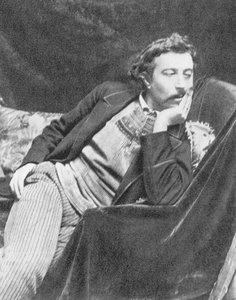
eugène henri paul gauguin
1848 - 1903 , Francia
Breves datos
- Artistic Movement Or Style: Postimpresionismo
- Artists Or Movements Influenced By This Artist:
- Picasso
- Matisse
- Artists Who Influenced This Artist: ['Pissarro']
- Date Of Birth: 1848
- Date Of Death: 1903
- Full Name: Eugène Henri Paul Gauguin
- Nationality: Francés
- Notable Artworks:
- Vahine no te miti
- Manao Tupapau
- Dos Mujeres en la Playa
- Place Of Birth: París, Francia

