 Ver en contexto
 Enviar
 Compartir
 Detalles

 Descargar
 Similares
 Radiografía
 Presentación de diapositivas
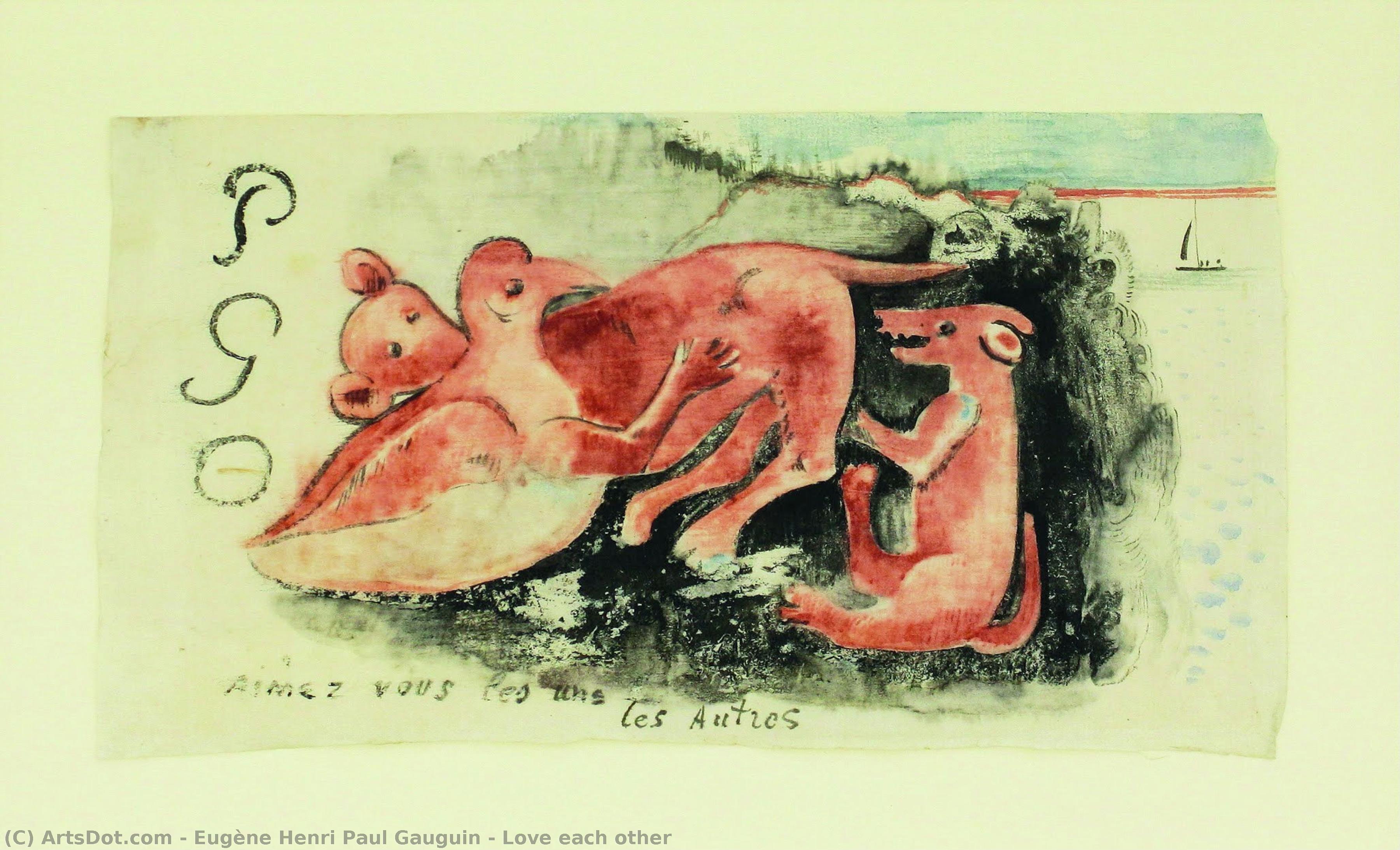
Love each other
 Acuarela
- Arte de pared
- Post-Impressionism
 1894
1894 14.0 x 26.0 cm
 Museo de Pont-Aven
 Ver más
Reproducción al óleo hecha a mano
Óleo sobre lienzo pintado a mano en el tamaño y marco de su elección, realizado por encargo por nuestros artistas. ( Comprar impresión Comprar imagen)




P118B $10

P118H $10

P118W $10

P438Z $10

P508JH $12

P508YH $12

P805H $10

P805Z $10

P919BZ $10

P919G $10

P919XJ $10

P959ZH $10

P968JZ $12

W106C $8

W218G $10

W218JH $8

W218Y $10

W307PJ $10

W316G $10

W316PJ $8

W316Y $10

W398PJ $8

W4111J $10

W500HY $15

W500JH $15

W692G $12

W849H $8

W940BG $15

W953PJ $8




Elija entre nuestros tamaños predefinidos que respetan las proporciones originales de la obra.

Puede ingresar sus propias dimensiones para adaptarse a un marco o espacio específico. Si el tamaño seleccionado no coincide con las proporciones de la imagen original, recortaremos la obra o extenderemos la pintura con elementos adicionales pintados a mano. Se le enviará una maqueta digital para su aprobación antes de comenzar la producción.
Tenga en cuenta que la vista previa en pantalla no refleja el recorte o la extensión reales. Solo la maqueta mostrará con precisión la composición final.
Si bien existen tamaños personalizados, recomendamos seleccionar una dimensión de la lista predefinida para preservar las proporciones originales.
Tras realizar el pedido, el equipo de ArtsDot.com enviará un correo electrónico al cliente para solicitar instrucciones y proporcionarle una vista previa del boceto.
Envío a todo el mundo () en 3-4 semanas en lugar de las 5 semanas estándar. (29 agosto). Sin comprometer la calidad.

Envío exprés gratuito a todo el mundo

Lienzo de lino de alta calidad

Seguro de envío total

Garantía de reembolso de impuestos aduaneros

Garantía de fidelidad cromática exacta

Política de devolución de 60 días (solo por defectos)

Garantía de devolución del 100% del dinero

Descuento por cantidad
 La opción de vidrio solo está disponible en tamaños inferiores a 110 cm.

Love each other
Técnica de reproducción
Dimensiones de la reproducción
-


Precio total final
$ 263
A Window into Gauguin’s Tahiti: “Love Each Other”
Paul Gauguin's "Love Each Other," painted in 1894, isn’t merely a depiction of three animals—a red cat, two dogs, and a vibrant parrot—but rather a carefully constructed tableau brimming with symbolic weight and the artist’s deeply felt longing for a simpler, more authentic existence. Created during his intense period of artistic exploration in Tahiti, this watercolor on Japanese paper offers a glimpse into Gauguin's evolving aesthetic – a departure from the fleeting impressions of Impressionism towards a bolder, more emotionally charged style that would come to define him as a pivotal figure in modern art.
The scene unfolds outdoors, bathed in the diffused light characteristic of the South Pacific. The composition is deceptively simple: the animals are clustered together, engaged in what appears to be playful interaction, yet beneath this surface lies a complex interplay of relationships and unspoken emotions. Gauguin masterfully employs loose, expressive brushstrokes—a hallmark of his later work—to capture the texture of fur, feathers, and foliage. The colors are rich and saturated, dominated by earthy tones punctuated by the vibrant red of the cat, immediately drawing the viewer’s eye. Notice how he uses a limited palette to create such depth and dynamism; it's a testament to his intuitive understanding of color theory.
The Symbolism of Connection
Gauguin’s choice of subjects—animals—holds profound symbolic significance within the context of his time. He frequently used animals in his work as metaphors for human relationships, exploring themes of love, companionship, and the inherent tensions between them. The dogs, often depicted wrestling or playfully competing, represent the complexities of male rivalry and social dynamics. The cat, a creature known for its independence and solitary nature, stands apart, observing the scene with an air of detached contemplation. It’s been suggested that this feline figure embodies the artist's own yearning for solitude and detachment from the pressures of European society.
The parrot, perched prominently in the center, adds another layer to the symbolism. Parrots are renowned for their mimicry—their ability to imitate sounds and behaviors. In Gauguin’s work, this trait can be interpreted as a reflection on the human tendency to replicate or distort reality. Furthermore, parrots were often associated with exoticism and foreign cultures – mirroring Gauguin's fascination with Polynesian life and his desire to escape the constraints of Western civilization.
A Bridge Between Worlds
“Love Each Other” is inextricably linked to Gauguin’s time in Tahiti. He sought refuge there, hoping to find a world untouched by European influence—a place where he could reconnect with nature and experience a more authentic way of life. This painting embodies that aspiration: it's a celebration of the natural world and its inherent beauty, while simultaneously hinting at the underlying tensions and complexities of human interaction. The loose brushwork and vibrant colors evoke the sensory richness of the South Pacific—the warmth of the sun, the scent of tropical flowers, and the sounds of exotic birds.
Interestingly, this work was created in conjunction with a series of woodblock prints exploring similar themes of love and connection. The subtle variations between the watercolor and the print versions demonstrate Gauguin’s experimentation with different mediums and his ongoing exploration of artistic expression. “Love Each Other” remains a powerful testament to Gauguin's unique vision—a captivating blend of observation, symbolism, and emotional intensity that continues to resonate with viewers today.
Details & Reproduction
Size: 14 x 26 cm
Date: 1894
Artist: Eugène Henri Paul Gauguin
Medium: Watercolor on Japanese paper
Location: Pont-Aven, France
- Provenance: Purchase
- Technique: Watercolor with loose, expressive brushstrokes.
- Symbolism: Represents human relationships, love, rivalry, and the desire for authenticity.
Consider a high-quality reproduction to bring this evocative artwork into your home. The rich colors and dynamic composition will add a touch of exotic charm and contemplative beauty to any space.
Obras relacionadas
Biografía del artista
Eugène Henri Paul Gauguin: Una Vida en Color y Simbolismo
Primeros Años y Orígenes
- Nacido el 7 de junio de 1848 en París, Francia, Eugène Henri Paul Gauguin fue una figura compleja moldeada por una crianza inusual.
- Su padre era periodista y su madre provenía de una familia con raíces peruanas – su abuela materna, Flora Tristan, fue una pionera escritora feminista y socialista.
- En 1850, la familia se trasladó a Perú, donde Gauguin pasó cuatro años formativos inmerso en una cultura diferente. Esta experiencia influiría profundamente en su arte más adelante.
- Regresando a Francia después de la muerte de su padre, Gauguin recibió una educación formal pero finalmente eligió una carrera como corredor de bolsa.
De Corredor de Bolsa a Artista
- Gauguin comenzó a pintar como un pasatiempo en su tiempo libre, influenciado inicialmente por los impresionistas.
- Una crisis financiera en 1882 lo impulsó a abandonar su carrera empresarial y dedicarse por completo al arte.
- Estudió con Camille Pissarro, quien animó su desarrollo artístico e introdujo a otros pintores vanguardistas.
Desarrollo Artístico e Influencias
- El trabajo temprano de Gauguin reflejó las técnicas impresionistas, pero pronto buscó un estilo más expresivo y simbólico.
- Experimentó con colores audaces, formas planas y composiciones simplificadas, alejándose del naturalismo del Impresionismo.
- Sus viajes a Bretaña, Martinica y finalmente Tahití fueron cruciales para dar forma a su visión artística. Buscaba una vida más “primitiva”, creyendo que ofrecía mayor autenticidad espiritual.
- Se vio influenciado por las estampas japonesas (Japonismo) y el arte medieval, lo que contribuyó a su estética distintiva.
Período Tahitiano y Obras Maestras
- Gauguin llegó a Tahití en 1891, buscando refugio de la civilización europea e inspiración en la cultura polinesia.
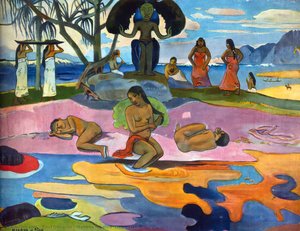
- Este período marcó el apogeo de su creatividad artística, produciendo pinturas icónicas como “Vahine no te miti”, “Manao Tupapau” (Observado por el Espíritu de los Muertos) y “El Día de los Dioses”.
- Sus obras tahitianas se caracterizan por colores vibrantes, temas exóticos y un sentido de misterio y espiritualidad.
- A menudo representaba a mujeres polinesias, paisajes y creencias religiosas, interpretándolos a través de su propia lente simbólica.
Vida Tardía y Dificultades
- Gauguin enfrentó dificultades financieras y problemas de salud durante su tiempo en Tahití y más tarde en las Islas Marquesas.
- A pesar de estos desafíos, continuó pintando prolíficamente, explorando temas de vida, muerte y espiritualidad.
- Murió el 8 de mayo de 1903 en la isla de Hiva Oa en las Islas Marquesas.
Legado e Importancia Histórica
- La obra de Gauguin fue en gran medida no reconocida durante su vida, pero ganó aplausos póstumos después de su muerte.
- Ahora se considera una figura clave en el desarrollo del arte moderno, conectando la brecha entre el Impresionismo y el Simbolismo.
- Su uso del color, las formas simplificadas e imágenes simbólicas influyeron a numerosos artistas, incluyendo Pablo Picasso, Henri Matisse y los Fauves.
- La exploración de Gauguin de culturas “primitivas” y su rechazo a las convenciones artísticas occidentales continúan siendo debatidas e reinterpretadas hoy en día.
- Sigue siendo una figura controvertida debido a aspectos de su vida personal, pero sus contribuciones artísticas son innegables.
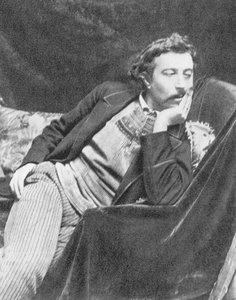
eugène henri paul gauguin
1848 - 1903 , Francia
Datos clave
- Artistic Movement Or Style: Postimpresionismo
- Artists Or Movements Influenced By This Artist:
- Picasso
- Matisse
- Artists Who Influenced This Artist: ['Pissarro']
- Date Of Birth: 1848
- Date Of Death: 1903
- Full Name: Eugène Henri Paul Gauguin
- Nationality: Francés
- Notable Artworks:
- Vahine no te miti
- Manao Tupapau
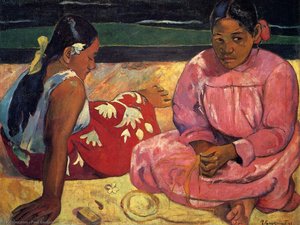
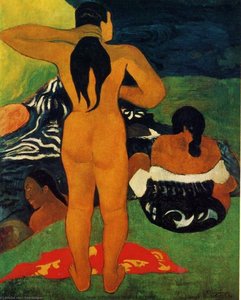
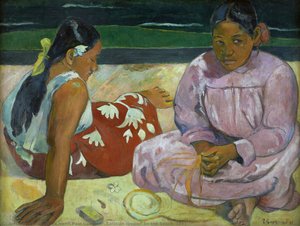
- Dos Mujeres en la Playa
- Place Of Birth: París, Francia
Artículos relacionados

Acuarelas Legendarias: 10 Obras Maestras que Transformaron el Arte | ArtsDot
Descubre 10 acuarelas legendarias de Turner, Monet y Sargent que revolucionaron el arte. Explora la historia, técnica y belleza de estas obras maestras impresionistas y románticas. Reproducciones de museo en ArtsDot.com.
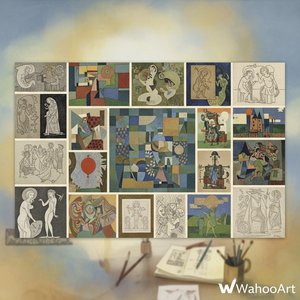
Paul Klee: Las 25 Obras Maestras que Definen un Genio del Arte Moderno | ArtsDot
Descubre las 25 obras maestras de Paul Klee, el genio del arte moderno. Explora su expresionismo único, composiciones abstractas y vibrantes paletas de colores. Reproducciones de alta calidad y decoración con arte en ArtsDot.com.

Ephemeral Visions: Exploring the Artistic Legacy & Contemporary Practice of Watercolor Painting
Explore the captivating world of watercolor painting! Discover its rich history, essential techniques, influential artists & collecting tips. A comprehensive guide for art enthusiasts from ArtsDot.
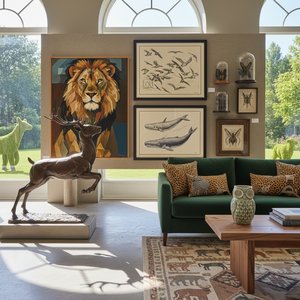
Animalia: Explorando la Presencia Duradera de los Animales en el Arte y el Diseño de Interiores
Descubre la fascinante historia de los animales en el arte y cómo inspirar tu hogar con su simbolismo. Expertos en reproducciones y asesoramiento artístico.

Visiones Efímeras: Historia y Resonancia Emocional de la Pintura Acuarela
Descubre la fascinante historia de la acuarela, desde sus orígenes hasta su expresión contemporánea. Explora técnicas, artistas clave como Paul Klee y encuentra reproducciones de alta calidad en ArtsDot.