 Ver en contexto
 Enviar
 Compartir
 Detalles

 Descargar
 Similares
 Radiografía
 Presentación de diapositivas
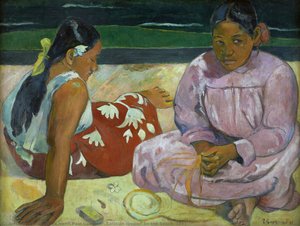
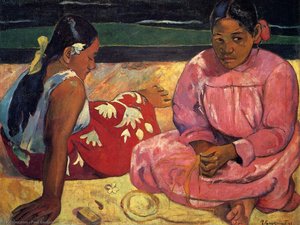
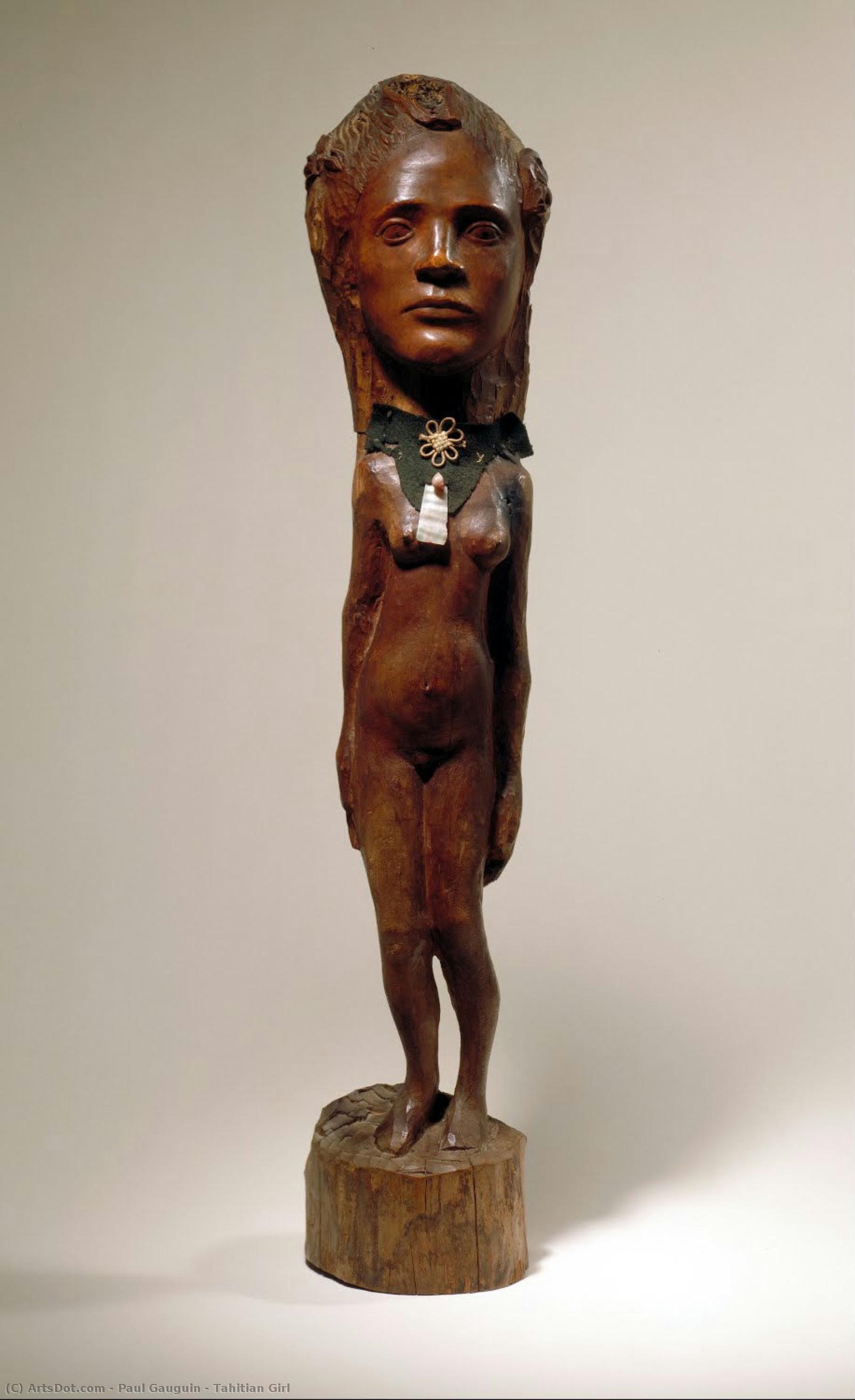
Tahitian Girl


 Ver más
Giclée / Impresión de arte
Impresiones giclée o en lienzo de calidad de museo con producción rápida y opciones de acabado flexibles. ( Comprar pintura hecha a mano Comprar imagen)




P118B $10

P118H $10

P118W $10

P438Z $10

P508JH $12

P508YH $12

P805H $10

P805Z $10

P919BZ $10

P919G $10

P919XJ $10

P959ZH $10

P968JZ $12

W106C $8

W218G $10

W218JH $8

W218Y $10

W307PJ $10

W316G $10

W316PJ $8

W316Y $10

W398PJ $8

W4111J $10

W500HY $15

W500JH $15

W692G $12

W849H $8

W940BG $15

W953PJ $8




Elija entre nuestros tamaños predefinidos que respetan las proporciones originales de la obra.

Puede introducir sus propias dimensiones para adaptarse a un marco o espacio específico. Si el tamaño seleccionado no coincide con las proporciones de la imagen original, recortaremos la obra de arte o extenderemos la imagen con un borde con efecto espejo o de color sólido. Se enviará una maqueta digital para su aprobación antes de que comience la producción.
Tenga en cuenta que la vista previa en pantalla no refleja el recorte o la extensión real. Solo la maqueta mostrará con precisión la composición final.
Aunque existen tamaños personalizados, recomendamos seleccionar una dimensión de la lista predefinida para preservar las proporciones originales.
Envío a todo el mundo () en 2 semanas en lugar de las 4/5 semanas estándar. (27 agosto)

Envío exprés gratuito a todo el mundo

Lienzo de lino de alta calidad

Seguro de envío total

Garantía de reembolso de impuestos aduaneros

Garantía de fidelidad cromática exacta

Política de devolución de 60 días (solo por defectos)

Garantía de devolución del 100% del dinero

Descuento por cantidad
 La opción de vidrio solo está disponible en tamaños inferiores a 110 cm.

Tahitian Girl
Giclée / Impresión de arte
Dimensiones de la reproducción
-


Precio total final
$ 62
The Enigmatic Beauty of Gauguin’s Tahitian Girl
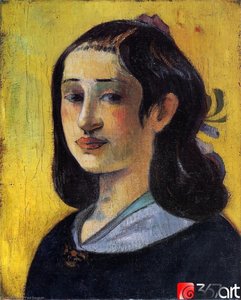
Paul Gauguin's "Tahitian Girl" (1893) isn’t merely a portrait; it’s a portal into a world of vibrant color, potent symbolism, and the artist’s deeply felt yearning for authenticity. Painted during his transformative years in Tahiti, this work transcends simple representation, offering instead a glimpse into Gauguin's evolving artistic philosophy and his complex relationship with both Polynesian culture and European perception.
The painting immediately captivates with its audacious palette – a riot of crimson, ochre, turquoise, and deep indigo. These aren’t the muted tones of academic realism; they are bold, expressive hues drawn directly from Gauguin's experience of Tahiti’s landscape and the lives of its people. The subject, a young Tahitian woman, is presented in a close-up that emphasizes her features: the proud tilt of her head, the direct gaze, and the delicate curve of her neck adorned with a simple necklace. Her skin possesses an almost luminous quality, hinting at the sun-drenched days she spent immersed in the island’s natural world.
A Fusion of Influences: Symbolism and Post-Impressionism
“Tahitian Girl” stands as a pivotal work bridging the gap between Impressionism and the nascent movements of Post-Impressionism and Symbolism. Gauguin, initially drawn to the Impressionists’ focus on light and color, quickly grew dissatisfied with their emphasis on capturing fleeting moments. He sought something more profound – a way to express his inner vision and connect with cultures untouched by Western materialism. The painting reflects this shift; it's less about objective observation and more about conveying emotion and spiritual resonance.
Notice the deliberate simplification of forms, reminiscent of Primitivism—a movement that sought inspiration in non-Western art. Gauguin deliberately flattened perspective and reduced details, prioritizing expressive color and symbolic content over photographic accuracy. The necklace she wears, a simple pendant, is laden with meaning; it represents not just adornment but also connection to her ancestors and the traditions of her people. The background, rendered in broad washes of color, evokes the lush vegetation and volcanic landscapes of Tahiti – a visual shorthand for the island’s exotic allure.
Echoes of History: Gauguin's Tahiti and Colonial Context
It’s crucial to understand that “Tahitian Girl” was created within the context of French colonial expansion in the Pacific. Gauguin arrived in Tahiti in 1892, initially seeking refuge from Parisian society and a desire for a simpler life. However, his presence inevitably disrupted the island's indigenous culture, contributing to social tensions and ultimately leading to his departure in 1895. The painting subtly acknowledges this complex dynamic – it celebrates Tahitian beauty while simultaneously hinting at the disruptive force of Western influence.
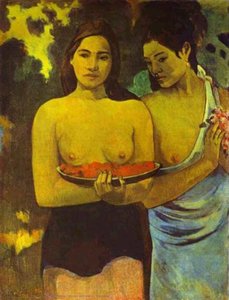
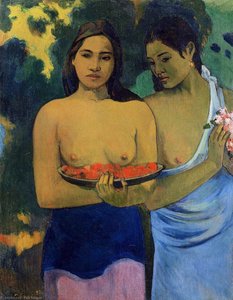
Researching Gauguin’s time in Tahiti reveals a fascinating story of cultural exchange, artistic experimentation, and personal struggle. The work "Marahi Metua no Tehamana" (also known as “Three Tahitian Women”) by Gauguin, created during the same period, offers further insight into his fascination with Polynesian life and his attempts to capture its essence on canvas. Similarly, "Girl with a Fan," painted later in his career, continues to explore themes of beauty, identity, and cultural hybridity.
A Timeless Appeal: Reproduction and Artistic Legacy
Reproductions of “Tahitian Girl” continue to resonate with audiences today, offering a window into Gauguin’s revolutionary artistic vision. The painting's bold colors, evocative symbolism, and intimate portrayal of Polynesian beauty have cemented its place as one of the most iconic works of the Post-Impressionist era. When selecting a reproduction, consider the quality of materials and printing techniques to ensure that you capture the full vibrancy and depth of Gauguin’s original masterpiece. It's a piece that speaks volumes about art, culture, and the enduring power of human connection.
Obras relacionadas
Biografía del artista
Eugène Henri Paul Gauguin: Una Vida en Color y Simbolismo
Primeros Años y Orígenes
- Nacido el 7 de junio de 1848 en París, Francia, Eugène Henri Paul Gauguin fue una figura compleja moldeada por una crianza inusual.
- Su padre era periodista y su madre provenía de una familia con raíces peruanas – su abuela materna, Flora Tristan, fue una pionera escritora feminista y socialista.
- En 1850, la familia se trasladó a Perú, donde Gauguin pasó cuatro años formativos inmerso en una cultura diferente. Esta experiencia influiría profundamente en su arte más adelante.
- Regresando a Francia después de la muerte de su padre, Gauguin recibió una educación formal pero finalmente eligió una carrera como corredor de bolsa.
De Corredor de Bolsa a Artista
- Gauguin comenzó a pintar como un pasatiempo en su tiempo libre, influenciado inicialmente por los impresionistas.
- Una crisis financiera en 1882 lo impulsó a abandonar su carrera empresarial y dedicarse por completo al arte.
- Estudió con Camille Pissarro, quien animó su desarrollo artístico e introdujo a otros pintores vanguardistas.
Desarrollo Artístico e Influencias
- El trabajo temprano de Gauguin reflejó las técnicas impresionistas, pero pronto buscó un estilo más expresivo y simbólico.
- Experimentó con colores audaces, formas planas y composiciones simplificadas, alejándose del naturalismo del Impresionismo.
- Sus viajes a Bretaña, Martinica y finalmente Tahití fueron cruciales para dar forma a su visión artística. Buscaba una vida más “primitiva”, creyendo que ofrecía mayor autenticidad espiritual.
- Se vio influenciado por las estampas japonesas (Japonismo) y el arte medieval, lo que contribuyó a su estética distintiva.
Período Tahitiano y Obras Maestras
- Gauguin llegó a Tahití en 1891, buscando refugio de la civilización europea e inspiración en la cultura polinesia.
- Este período marcó el apogeo de su creatividad artística, produciendo pinturas icónicas como “Vahine no te miti”, “Manao Tupapau” (Observado por el Espíritu de los Muertos) y “El Día de los Dioses”.
- Sus obras tahitianas se caracterizan por colores vibrantes, temas exóticos y un sentido de misterio y espiritualidad.
- A menudo representaba a mujeres polinesias, paisajes y creencias religiosas, interpretándolos a través de su propia lente simbólica.
Vida Tardía y Dificultades
- Gauguin enfrentó dificultades financieras y problemas de salud durante su tiempo en Tahití y más tarde en las Islas Marquesas.
- A pesar de estos desafíos, continuó pintando prolíficamente, explorando temas de vida, muerte y espiritualidad.
- Murió el 8 de mayo de 1903 en la isla de Hiva Oa en las Islas Marquesas.
Legado e Importancia Histórica
- La obra de Gauguin fue en gran medida no reconocida durante su vida, pero ganó aplausos póstumos después de su muerte.
- Ahora se considera una figura clave en el desarrollo del arte moderno, conectando la brecha entre el Impresionismo y el Simbolismo.
- Su uso del color, las formas simplificadas e imágenes simbólicas influyeron a numerosos artistas, incluyendo Pablo Picasso, Henri Matisse y los Fauves.
- La exploración de Gauguin de culturas “primitivas” y su rechazo a las convenciones artísticas occidentales continúan siendo debatidas e reinterpretadas hoy en día.
- Sigue siendo una figura controvertida debido a aspectos de su vida personal, pero sus contribuciones artísticas son innegables.
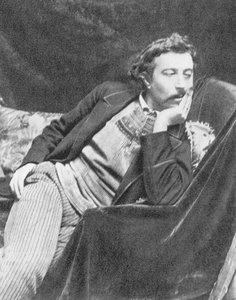
eugène henri paul gauguin
1848 - 1903 , Francia
Datos clave
- Artistic Movement Or Style: Postimpresionismo
- Artists Or Movements Influenced By This Artist:
- Picasso
- Matisse
- Artists Who Influenced This Artist: ['Pissarro']
- Date Of Birth: 1848
- Date Of Death: 1903
- Full Name: Eugène Henri Paul Gauguin
- Nationality: Francés
- Notable Artworks:
- Vahine no te miti
- Manao Tupapau
- Dos Mujeres en la Playa
- Place Of Birth: París, Francia
Artículos relacionados

Paul Cézanne: Las 25 Obras Maestras que Definieron el Arte Moderno | ArtsDot
Descubre las 25 obras maestras de Paul Cézanne que revolucionaron el arte moderno. Explora su técnica, inspiración y significado en paisajes, bodegones y retratos. Reproducciones de alta calidad para decorar tu hogar con arte inolvidable. ¡Explora la colección completa en ArtsDot.com!
Paul Klee: Las 25 Obras Maestras que Definen un Genio del Arte Moderno | ArtsDot
Descubre las 25 obras maestras de Paul Klee, el genio del arte moderno. Explora su expresionismo único, composiciones abstractas y vibrantes paletas de colores. Reproducciones de alta calidad y decoración con arte en ArtsDot.com.
Los 10 Maestros del Postimpresionismo: Obras que Revolucionaron el Arte |
Descubre los 10 cuadros más influyentes del Postimpresionismo: Van Gogh, Monet, Cézanne y más. Explora la historia, técnica y significado de estas obras maestras. Reproducciones de arte en para decorar tu hogar con estilo.
Más Allá del Impresionismo: Profundizando en la Emoción y el Simbolismo Postimpresionista
Descubre la profundidad emocional y el simbolismo del Postimpresionismo con ArtsDot. Análisis experto de Cézanne, Van Gogh, Gauguin y más. Explora la historia y el legado de este fascinante movimiento artístico.
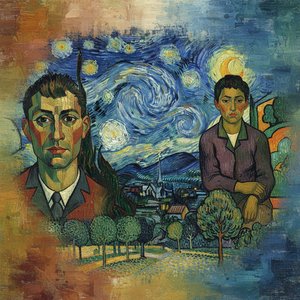
Beyond Impressionism: Exploring Emotional Depth & Formal Innovation in Post-Impressionist Art
Explore the profound emotional depth & formal innovations of Post-Impressionism with our expert guide. Discover Cézanne, Van Gogh, Gauguin & more. Learn about art history, collecting, and investing in this pivotal movement.