 Ver en contexto
 Enviar
 Compartir
 Detalles

 Descargar
 Similares
 Radiografía
 Presentación de diapositivas
 Estadísticas
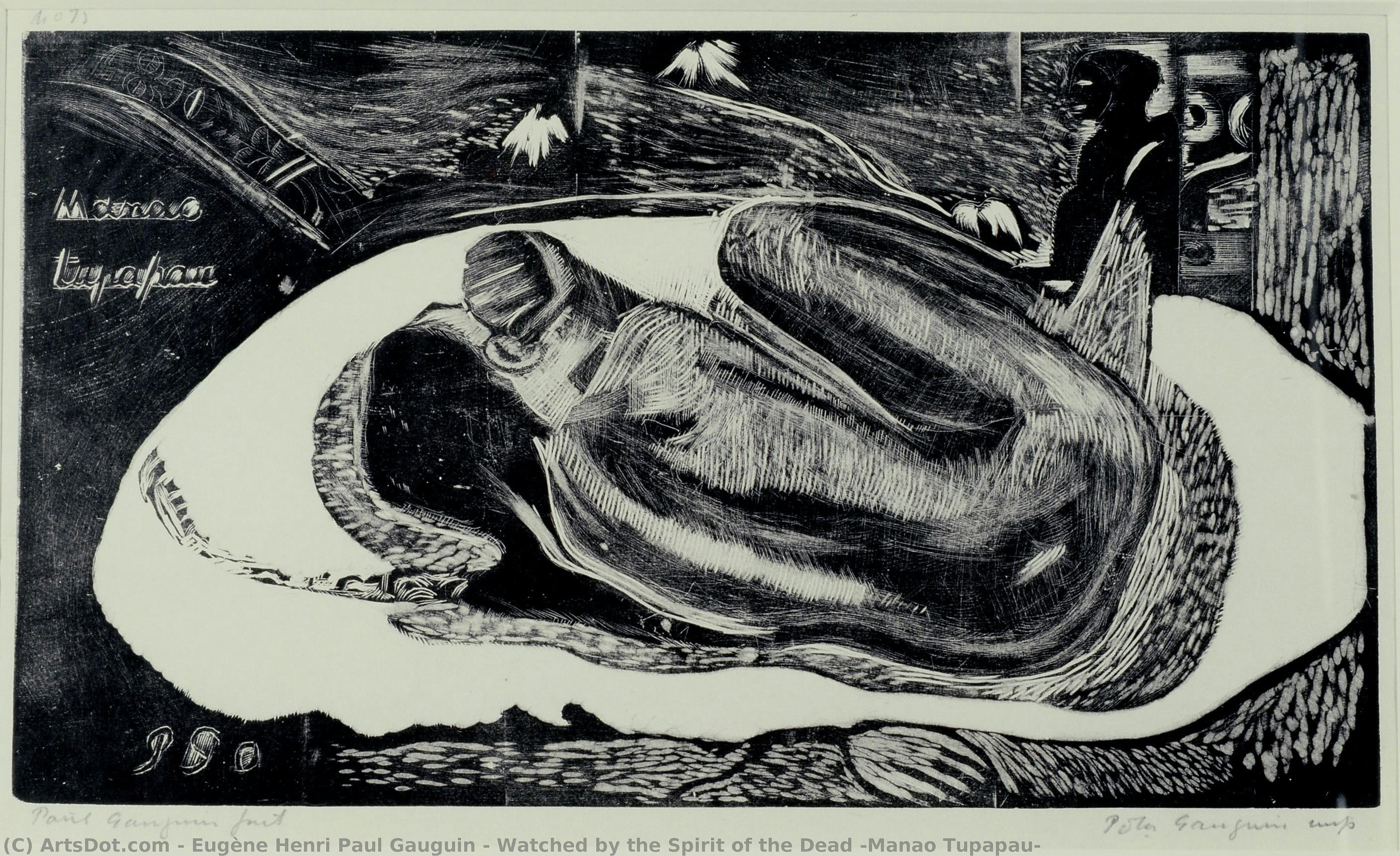
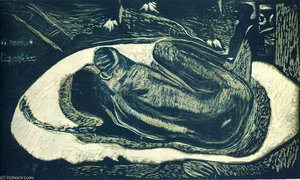
Watched by the Spirit of the Dead (Manao Tupapau)
 Woodcut
- Post-Impressionism
 19th Century
 35.0 x 20.0 cm
 Ver más
Reproducción al óleo hecha a mano
Óleo sobre lienzo pintado a mano en el tamaño y marco de su elección, realizado por encargo por nuestros artistas. ( Cambiar a Impresión Cambiar a imagen digital)




P118B $10

P118H $10

P118W $10

P438Z $10

P508JH $12

P508YH $12

P805H $10

P805Z $10

P919BZ $10

P919G $10

P919XJ $10

P959ZH $10

P968JZ $12

W106C $8

W218G $10

W218JH $8

W218Y $10

W307PJ $10

W316G $10

W316PJ $8

W316Y $10

W398PJ $8

W4111J $10

W500HY $15

W500JH $15

W692G $12

W849H $8

W940BG $15

W953PJ $8




Elija entre nuestros tamaños predefinidos que respetan las proporciones originales de la obra.

Puede ingresar sus propias dimensiones para adaptarse a un marco o espacio específico. Si el tamaño seleccionado no coincide con las proporciones de la imagen original, recortaremos la obra o extenderemos la pintura con elementos adicionales pintados a mano. Se le enviará una maqueta digital para su aprobación antes de comenzar la producción.
Tenga en cuenta que la vista previa en pantalla no refleja el recorte o la extensión reales. Solo la maqueta mostrará con precisión la composición final.
Si bien existen tamaños personalizados, recomendamos seleccionar una dimensión de la lista predefinida para preservar las proporciones originales.
Tras realizar el pedido, el equipo de ArtsDot.com enviará un correo electrónico al cliente para solicitar instrucciones y proporcionarle una vista previa del boceto.
Envío a todo el mundo () en 3-4 semanas en lugar de las 5 semanas estándar. (9 septiembre). Sin comprometer la calidad.

Envío exprés gratuito a todo el mundo

Lienzo de lino de alta calidad

Seguro de envío total

Garantía de reembolso de impuestos aduaneros

Garantía de fidelidad cromática exacta

Política de devolución de 100 días (solo por defectos)

Garantía de devolución del 100% del dinero

Descuento por cantidad
 La opción de vidrio solo está disponible en tamaños inferiores a 110 cm.

Watched by the Spirit of the Dead (Manao Tupapau)
Técnica de reproducción
Dimensiones de la reproducción
-


Precio total final
$ 288
A Haunting Encounter with the Unseen
In the quiet, shadowed corners of Tahitian mythology, there exists a profound connection between the living and the departed—a belief that life and death are not opposing forces, but rather two sides of the same continuous line, much like day and night. This ethereal concept finds its most striking visual manifestation in Paul Gauguin’s evocative woodcut, Watched by the Spirit of the Dead (Manao Tupapau). The artwork captures a moment of profound spiritual tension, where the boundaries between our physical reality and the supernatural realm become perilously thin. As we gaze upon this piece, we are drawn into a world where the darkness is never truly empty, but rather filled with the phosphorescent presence of ancestors watching over the sleeping.
The composition centers on a figure curled in a fetal position, an arrangement that suggests both vulnerability and a primal connection to the earth. This "fetal spirit" lies within an oval shape that anchors the viewer's eye, surrounded by the watchful eyes of the unseen. To the side, a man stands as a silent sentinel, his presence adding a layer of human vigilance to the spiritual drama unfolding around him. The inclusion of stylized birds and simplified foliage creates a landscape that feels less like a literal depiction of Tahiti and more like a dreamscape, where every line and shape carries the weight of symbolic meaning.
The Mastery of Synthetist Technique
As a pioneer of the Synthetist movement, Gauguin moved away from the fleeting light of Impressionism toward something much more permanent and structural. In this woodcut, his mastery of clear-cut contours and flatly divided tones is on full display. The technique of woodcut printing allows for a powerful, graphic quality; the stark contrast between the inked areas and the paper creates a rhythmic energy that pulses through the composition. Through the deliberate use of hatching and cross-hatching, Gauguin suggests texture and depth without relying on traditional perspective, giving the print a flattened, almost decorative elegance reminiscent of Japanese ukiyo-e prints.
For the discerning collector or interior designer, this piece offers a sophisticated interplay of light and shadow. The monochromatic nature of the print—or its potential for vibrant color in Gauguin's related oil paintings—provides a versatile aesthetic that can anchor a room with its bold, graphic presence. The rhythmic lines and simplified forms make it an ideal centerpiece for modern spaces that value minimalist strength paired with deep, historical narrative. It is not merely a decoration; it is a window into a complex psychological landscape.
A Timeless Legacy for the Modern Collector
Owning a reproduction of such a significant work allows one to bring the rebellious spirit of Gauguin into the contemporary home. This piece serves as a profound meditation on existence, questioning the significance of human life in the face of eternity. It invites contemplation and conversation, making it an exquisite choice for those who seek art that transcends mere visual appeal to touch upon the universal mysteries of the soul. Whether placed in a curated gallery wall or standing alone as a focal point in a study, Manao Tupapau continues to haunt and inspire, bridging the gap between the nineteenth-century avant-garde and the modern aesthetic sensibility.
Obras relacionadas
Biografía del artista
Eugène Henri Paul Gauguin: Una Vida en Color y Simbolismo
Primeros Años y Orígenes
- Nacido el 7 de junio de 1848 en París, Francia, Eugène Henri Paul Gauguin fue una figura compleja moldeada por una crianza inusual.
- Su padre era periodista y su madre provenía de una familia con raíces peruanas – su abuela materna, Flora Tristan, fue una pionera escritora feminista y socialista.
- En 1850, la familia se trasladó a Perú, donde Gauguin pasó cuatro años formativos inmerso en una cultura diferente. Esta experiencia influiría profundamente en su arte más adelante.
- Regresando a Francia después de la muerte de su padre, Gauguin recibió una educación formal pero finalmente eligió una carrera como corredor de bolsa.
De Corredor de Bolsa a Artista
- Gauguin comenzó a pintar como un pasatiempo en su tiempo libre, influenciado inicialmente por los impresionistas.
- Una crisis financiera en 1882 lo impulsó a abandonar su carrera empresarial y dedicarse por completo al arte.
- Estudió con Camille Pissarro, quien animó su desarrollo artístico e introdujo a otros pintores vanguardistas.
Desarrollo Artístico e Influencias
- El trabajo temprano de Gauguin reflejó las técnicas impresionistas, pero pronto buscó un estilo más expresivo y simbólico.
- Experimentó con colores audaces, formas planas y composiciones simplificadas, alejándose del naturalismo del Impresionismo.
- Sus viajes a Bretaña, Martinica y finalmente Tahití fueron cruciales para dar forma a su visión artística. Buscaba una vida más “primitiva”, creyendo que ofrecía mayor autenticidad espiritual.
- Se vio influenciado por las estampas japonesas (Japonismo) y el arte medieval, lo que contribuyó a su estética distintiva.
Período Tahitiano y Obras Maestras
- Gauguin llegó a Tahití en 1891, buscando refugio de la civilización europea e inspiración en la cultura polinesia.
- Este período marcó el apogeo de su creatividad artística, produciendo pinturas icónicas como “Vahine no te miti”, “Manao Tupapau” (Observado por el Espíritu de los Muertos) y “El Día de los Dioses”.
- Sus obras tahitianas se caracterizan por colores vibrantes, temas exóticos y un sentido de misterio y espiritualidad.
- A menudo representaba a mujeres polinesias, paisajes y creencias religiosas, interpretándolos a través de su propia lente simbólica.
Vida Tardía y Dificultades
- Gauguin enfrentó dificultades financieras y problemas de salud durante su tiempo en Tahití y más tarde en las Islas Marquesas.
- A pesar de estos desafíos, continuó pintando prolíficamente, explorando temas de vida, muerte y espiritualidad.
- Murió el 8 de mayo de 1903 en la isla de Hiva Oa en las Islas Marquesas.
Legado e Importancia Histórica
- La obra de Gauguin fue en gran medida no reconocida durante su vida, pero ganó aplausos póstumos después de su muerte.
- Ahora se considera una figura clave en el desarrollo del arte moderno, conectando la brecha entre el Impresionismo y el Simbolismo.
- Su uso del color, las formas simplificadas e imágenes simbólicas influyeron a numerosos artistas, incluyendo Pablo Picasso, Henri Matisse y los Fauves.
- La exploración de Gauguin de culturas “primitivas” y su rechazo a las convenciones artísticas occidentales continúan siendo debatidas e reinterpretadas hoy en día.
- Sigue siendo una figura controvertida debido a aspectos de su vida personal, pero sus contribuciones artísticas son innegables.
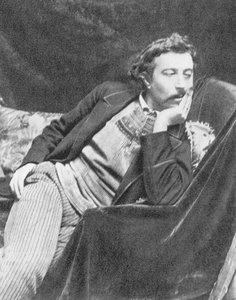
eugène henri paul gauguin
1848 - 1903 , Francia
Datos clave
- Artistic Movement Or Style: Postimpresionismo
- Artists Or Movements Influenced By This Artist:
- Picasso
- Matisse
- Artists Who Influenced This Artist: ['Pissarro']
- Date Of Birth: 1848
- Date Of Death: 1903
- Full Name: Eugène Henri Paul Gauguin
- Nationality: Francés
- Notable Artworks:
- Vahine no te miti
- Manao Tupapau
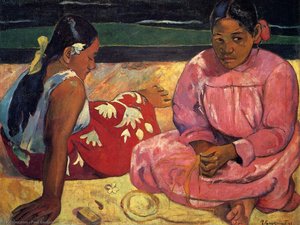
- Dos Mujeres en la Playa
- Place Of Birth: París, Francia
Artículos relacionados

Giclée Prints: Archival Quality & Aesthetic Nuances for the Discerning Collector
Explore the world of giclée prints with ArtsDot. Learn about archival quality, aesthetic nuances & investment potential. Expert guidance for discerning art collectors seeking museum-quality reproductions and lasting value.
Blanco Sublime: Los 10 Cuadros Más Famosos Dominados por la Luz y el Color
Descubre los 10 cuadros blancos más emblemáticos de la historia del arte. Explora Monet, Van Gogh y Klimt, y su magistral uso de la luz y el color. Encuentra reproducciones de alta calidad e inspírate para tu decoración en .

Monochrome Visions: Exploring the Aesthetic & Historical Significance of Black & White Photography
Explore the rich history & artistic power of black and white photography. From early techniques to iconic masters like Ansel Adams, discover why monochrome continues to captivate art lovers today. Expert insights for collectors.

The Enduring Legacy of Fine Art Prints: Technique, History & Aesthetic Impact
Explore the rich history & techniques of fine art prints. Discover investment potential, assess authenticity, and learn how to preserve your collection with expert guidance. Trusted insights for discerning collectors.

Las 10 Pinturas Más Famosas Dominadas por el Negro | Arte y Decoración
Descubre las 10 pinturas más impactantes dominadas por el negro. Explora obras maestras de Rembrandt, Goya y Rothko, su historia y significado. Encuentra reproducciones de arte exclusivas para transformar tu hogar en .