 Ver en contexto
 Enviar
 Compartir
 Detalles

 Descargar
 Similares
 Radiografía
 Presentación de diapositivas
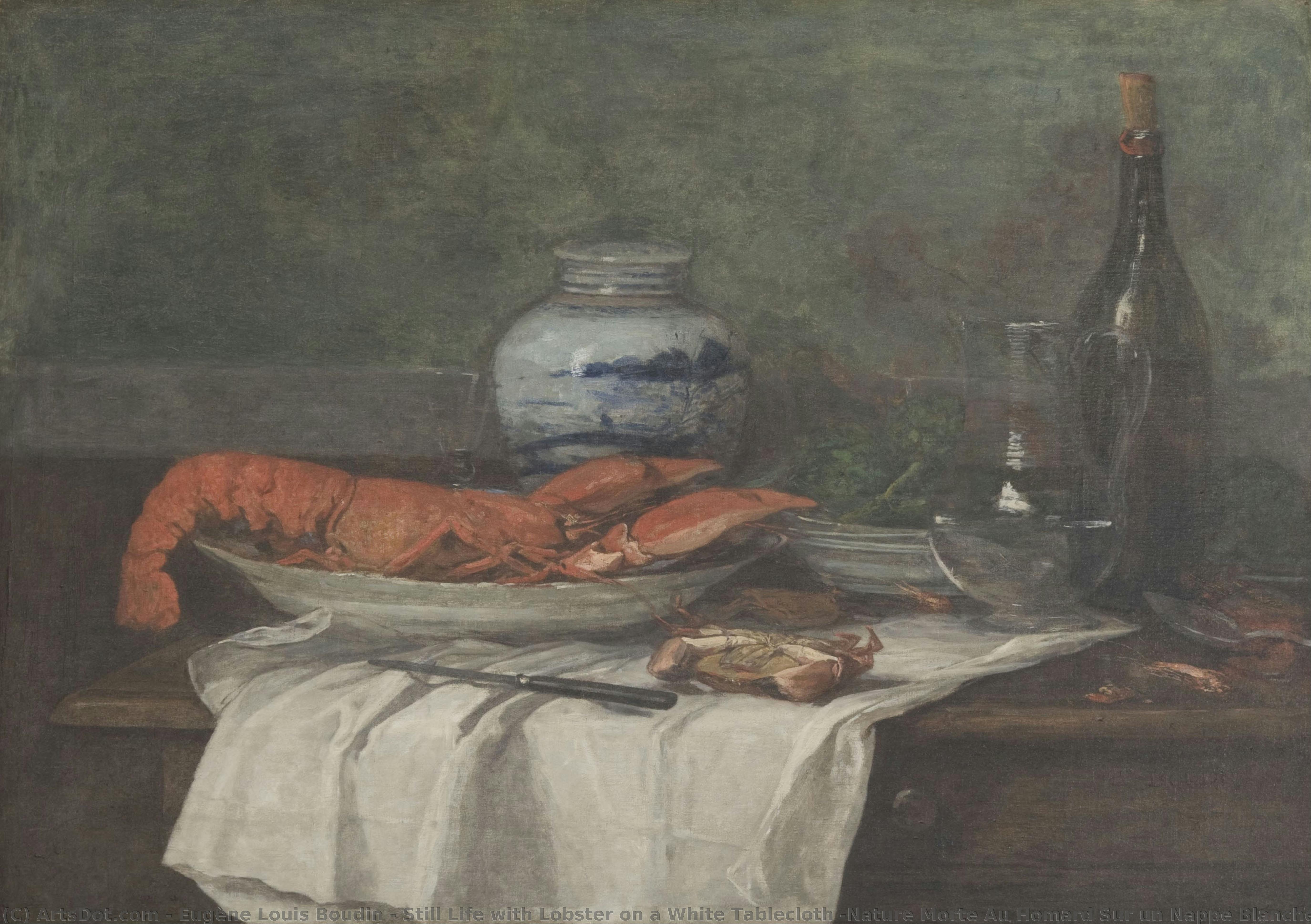
Still Life with Lobster on a White Tablecloth (Nature Morte Au Homard Sur un Nappe Blanche)


 Ver más
Giclée / Impresión de arte
Impresiones giclée o en lienzo de calidad de museo con producción rápida y opciones de acabado flexibles. ( Comprar pintura hecha a mano Comprar imagen)




P118B $10

P118H $10

P118W $10

P438Z $10

P508JH $12

P508YH $12

P805H $10

P805Z $10

P919BZ $10

P919G $10

P919XJ $10

P959ZH $10

P968JZ $12

W106C $8

W218G $10

W218JH $8

W218Y $10

W307PJ $10

W316G $10

W316PJ $8

W316Y $10

W398PJ $8

W4111J $10

W500HY $15

W500JH $15

W692G $12

W849H $8

W940BG $15

W953PJ $8




Elija entre nuestros tamaños predefinidos que respetan las proporciones originales de la obra.

Puede introducir sus propias dimensiones para adaptarse a un marco o espacio específico. Si el tamaño seleccionado no coincide con las proporciones de la imagen original, recortaremos la obra de arte o extenderemos la imagen con un borde con efecto espejo o de color sólido. Se enviará una maqueta digital para su aprobación antes de que comience la producción.
Tenga en cuenta que la vista previa en pantalla no refleja el recorte o la extensión real. Solo la maqueta mostrará con precisión la composición final.
Aunque existen tamaños personalizados, recomendamos seleccionar una dimensión de la lista predefinida para preservar las proporciones originales.
Envío a todo el mundo () en 2 semanas en lugar de las 4/5 semanas estándar. (23 agosto)

Envío exprés gratuito a todo el mundo

Lienzo de lino de alta calidad

Seguro de envío total

Garantía de reembolso de impuestos aduaneros

Garantía de fidelidad cromática exacta

Política de devolución de 60 días (solo por defectos)

Garantía de devolución del 100% del dinero

Descuento por cantidad
 La opción de vidrio solo está disponible en tamaños inferiores a 110 cm.

Still Life with Lobster on a White Tablecloth (Nature Morte Au Homard Sur un Nappe Blanche)
Giclée / Impresión de arte
Dimensiones de la reproducción
-


Precio total final
$ 62
Descripción de la pieza
A Moment of Quiet Luxury: Eugène Boudin’s Still Life with Lobster
Eugène Louis Boudin's "Still Life with Lobster on a White Tablecloth" isn’t merely a depiction of food; it’s a carefully constructed tableau of understated elegance and the quiet contemplation of a coastal life. Painted around 1853-1856, this work offers a glimpse into the world of a bourgeois household in Honfleur, France – a world where simple pleasures were elevated to an art form. Boudin, a pivotal figure in the transition from academic realism to Impressionism, masterfully captures the fleeting effects of light and atmosphere, imbuing the scene with a subtle sense of warmth and serenity. The painting’s enduring appeal lies not just in its technical skill but also in its ability to evoke a feeling of peaceful domesticity, inviting the viewer into an intimate moment frozen in time.The Painter's Technique: A Bridge Between Realism and Impressionism
Boudin’s approach to this still life is remarkably balanced, reflecting his deliberate choice to remain outside the radical currents of the burgeoning Impressionist movement. He eschewed the loose, broken brushstrokes favored by Monet and others, instead employing a more controlled, observational technique rooted in academic realism. The lobster, rendered with meticulous detail – its textured shell, the gleam of its meat – stands as a testament to Boudin’s commitment to accurate representation. However, he skillfully softens these details through delicate layering of paint and subtle variations in tone, creating an atmospheric effect that anticipates Impressionism's focus on capturing light and color. Notice how the folds of the white tablecloth aren’t sharply defined but rather suggested with soft, blurred lines, contributing to the overall sense of gentle ambiguity. The muted palette – primarily creams, grays, and the rich red-orange of the lobster – further enhances this effect, creating a harmonious and visually soothing composition.Symbolism and Context: A Reflection of Coastal Life
The subject matter itself is laden with symbolic significance. Lobster, a delicacy prized in coastal communities like Honfleur, represents abundance and prosperity—a symbol of the wealth and leisure enjoyed by the bourgeois class. The carefully arranged table setting – the porcelain bowls, the delicate glassware, the ornate vase – speaks to a refined taste and an appreciation for beauty. Boudin’s choice to depict this scene within a domestic interior subtly elevates the humble act of dining into something almost ceremonial. It's a snapshot of a life centered around the sea, where sustenance and social connection are intertwined. The painting also reflects Boudin’s own upbringing in Honfleur, a port town steeped in maritime tradition, and his deep connection to the Normandy coast.A Legacy of Light: Influence and Artistic Significance
“Still Life with Lobster on a White Tablecloth” holds a particularly important place in art history as it is considered one of the earliest examples of still life paintings that directly influenced Monet. The young Impressionist was captivated by Boudin’s ability to capture the ephemeral qualities of light and atmosphere, leading him to adopt similar techniques in his own work. Boudin's influence extended beyond Monet; he helped pave the way for a new generation of artists who sought to break free from traditional academic constraints and embrace a more subjective and expressive approach to painting. This piece stands as a beautiful example of Boudin’s artistic vision – a testament to his skill, observation, and profound understanding of light, color, and the quiet beauty of everyday life. It's a work that continues to resonate with viewers today, offering a moment of tranquil contemplation and a glimpse into a bygone era.Obras relacionadas
Biografía del artista
Vida Temprana y Carrera
Eugène Louis Boudin, un renombrado pintor francés, nació el 12 de julio de 1824 en Honfleur, Francia. Era hijo de un piloto portuario y desarrolló una fuerte afinidad por el mar desde temprana edad. Su viaje artístico comenzó con su trabajo en un barco de vapor entre Le Havre y Honfleur a la edad de 10 años.Influencias Artísticas y Estilo
El estilo de Boudin estuvo fuertemente influenciado por los maestros holandeses del siglo XVII, particularmente después de conocer a Johan Jongkind, quien lo introdujo a la pintura "en plein air" (al aire libre). Este enfoque le permitió capturar la luz cambiante y los colores del mundo natural. Sus pasteles, caracterizados como sumarios y económicos, atrajeron una atención significativa por parte de Charles Baudelaire y Corot, quien lo llamó el “rey de los cielos”.Obras Destacadas y Exposiciones
- Still Life with Lobster on a White Tablecloth (Nature Morte au Homard sur un Nappe Blanche), ahora en el High Museum of Art de Atlanta, muestra el enfoque sobrio pero noble de Boudin hacia las pinturas de bodegón.
- La participación de Boudin en la primera exposición impresionista en 1873, junto con Claude Monet y otros jóvenes artistas, solidificó su influencia en el mundo del arte.
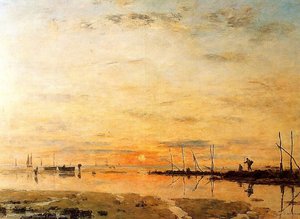
- Su obra se puede encontrar en varios museos, incluyendo el Musée d'Orsay en París, que alberga varias de sus pinturas, como Landscape with Sunset.
Logros y Reconocimiento
A lo largo de su carrera, Boudin recibió numerosos elogios, incluyendo una medalla de tercer lugar en el Salón de París de 1881 y una medalla de oro en la Exposición Universal de 1889. En 1892, fue nombrado Caballero de la Legión de Honor.Legado e Importancia Histórica
El legado de Eugène Louis Boudin se extiende más allá de su propia obra, ya que jugó un papel fundamental en dar forma a las carreras de jóvenes artistas como Claude Monet. El Premio Eugène Boudin, otorgado por la Société Nationale des Beaux-Arts, es un testimonio de su influencia duradera en el mundo del arte. Boudin es considerado una figura clave en la transición hacia el impresionismo y su enfoque "en plein air" sentó las bases para muchos artistas posteriores. Su capacidad para capturar la atmósfera y la luz fugaz lo convierte en un precursor importante del movimiento impresionista, y su influencia se puede ver claramente en el trabajo de Monet y otros artistas que siguieron sus pasos.- Vea más obras de Boudin en https://ArtsDot.com/@/eugene-louis-boudin
- Explore la colección del Musée d'Orsay, que presenta varias pinturas de Boudin, en https://ArtsDot.com/@@/a@d3aulp-discover-the-charm-of-musee-eugene-boudin-(france)-and-its-impressionist-ma..
- Aprenda más sobre el arte francés y su historia en https://en.wikipedia.org/wiki/french_art
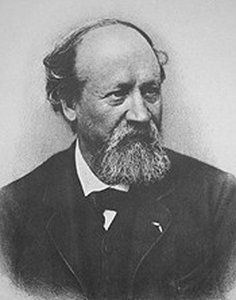
Eugène Louis Boudin
1824 - 1898 , Francia
Datos clave
- Artistas Que Influyeron:
- Johan Jongkind
- Charles Baudelaire
- Corot
- Estilo Artístico: Impresionismo temprano
- Fecha De Muerte: 8 de agosto de 1898
- Fecha De Nacimiento: 12 de julio de 1824
- Influenciado A Artistas: ['Claude Monet']
- Lugar De Nacimiento: Honfleur, Francia
- Nacionalidad: Francesa
- Nombre Completo: Eugène Louis Boudin
- Obras Notables:
- Naturaleza muerta con langosta
- Paisaje con atardecer
- Marina
- Fecamp, el puerto
Artículos relacionados

Paul Cézanne: Las 25 Obras Maestras que Definieron el Arte Moderno | ArtsDot
Descubre las 25 obras maestras de Paul Cézanne que revolucionaron el arte moderno. Explora su técnica, inspiración y significado en paisajes, bodegones y retratos. Reproducciones de alta calidad para decorar tu hogar con arte inolvidable. ¡Explora la colección completa en ArtsDot.com!

Impresionismo: 10 Obras Maestras que Capturan la Luz y el Momento
Descubre 10 obras maestras del impresionismo de Monet, Renoir y Degas. Explora la luz, el color y las historias detrás de estos icónicos cuadros. Reproducciones de arte en ArtsDot.com para decorar tu hogar con estilo.
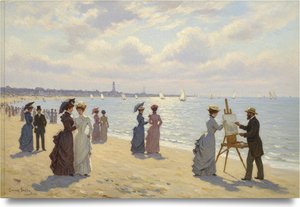
Eugène Boudin: Capturing Fleeting Moments – A Study of Light, Atmosphere & the Birth of Impressionism
Explore the life & art of Eugène Boudin, a pioneer of plein air painting and key influence on Impressionism. Discover his masterful light studies & atmospheric seascapes – a foundational figure in modern art history.
Silent Narratives: Exploring the Enduring Appeal of Still Life Painting Across Centuries
Explore the rich history of still life painting with ArtsDot. Discover Dutch Masters, decode vanitas symbolism & learn about collecting timeless art. Expert insights and museum-quality reproductions.
Más Allá del Impresionismo: Profundizando en la Emoción y el Simbolismo Postimpresionista
Descubre la profundidad emocional y el simbolismo del Postimpresionismo con ArtsDot. Análisis experto de Cézanne, Van Gogh, Gauguin y más. Explora la historia y el legado de este fascinante movimiento artístico.