 Ver en contexto
 Enviar
 Compartir
 Detalles

 Descargar
 Similares
 Radiografía
 Presentación de diapositivas
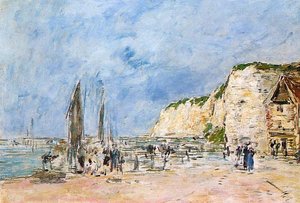
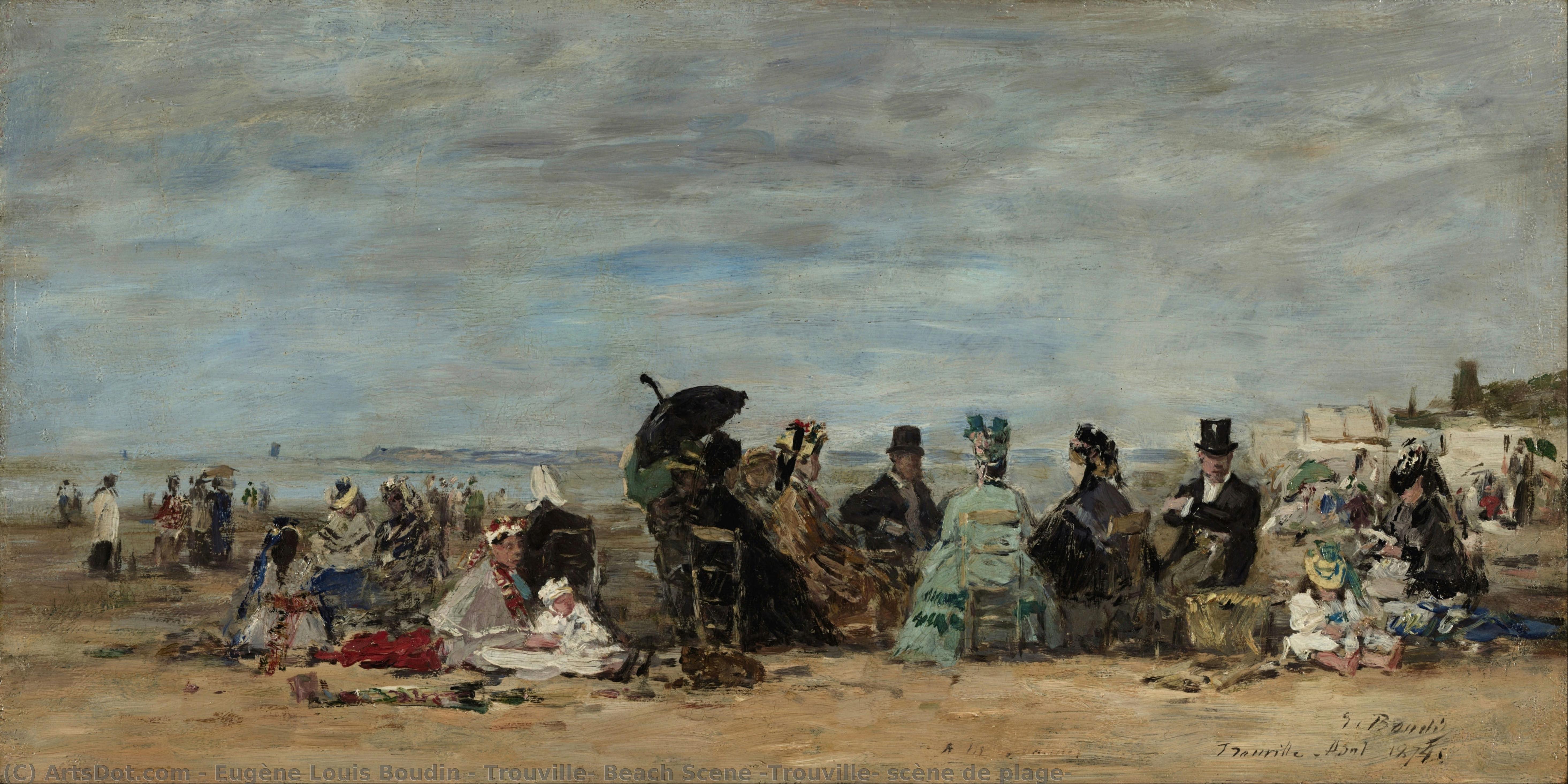
Trouville, Beach Scene (Trouville, scène de plage)
 Oil On Canvas
- WallArt
- Impressionism
 1874
1874 34.0 x 54.0 cm
 Museo de Arte Nelson-Atkins
 Ver más
Giclée / Impresión de arte
Impresiones giclée o en lienzo de calidad de museo con producción rápida y opciones de acabado flexibles. ( Comprar pintura hecha a mano Comprar imagen)




P118B $10

P118H $10

P118W $10

P438Z $10

P508JH $12

P508YH $12

P805H $10

P805Z $10

P919BZ $10

P919G $10

P919XJ $10

P959ZH $10

P968JZ $12

W106C $8

W218G $10

W218JH $8

W218Y $10

W307PJ $10

W316G $10

W316PJ $8

W316Y $10

W398PJ $8

W4111J $10

W500HY $15

W500JH $15

W692G $12

W849H $8

W940BG $15

W953PJ $8




Elija entre nuestros tamaños predefinidos que respetan las proporciones originales de la obra.

Puede introducir sus propias dimensiones para adaptarse a un marco o espacio específico. Si el tamaño seleccionado no coincide con las proporciones de la imagen original, recortaremos la obra de arte o extenderemos la imagen con un borde con efecto espejo o de color sólido. Se enviará una maqueta digital para su aprobación antes de que comience la producción.
Tenga en cuenta que la vista previa en pantalla no refleja el recorte o la extensión real. Solo la maqueta mostrará con precisión la composición final.
Aunque existen tamaños personalizados, recomendamos seleccionar una dimensión de la lista predefinida para preservar las proporciones originales.
Envío a todo el mundo () en 2 semanas en lugar de las 4/5 semanas estándar. (29 agosto)

Envío exprés gratuito a todo el mundo

Lienzo de lino de alta calidad

Seguro de envío total

Garantía de reembolso de impuestos aduaneros

Garantía de fidelidad cromática exacta

Política de devolución de 60 días (solo por defectos)

Garantía de devolución del 100% del dinero

Descuento por cantidad
 La opción de vidrio solo está disponible en tamaños inferiores a 110 cm.

Trouville, Beach Scene (Trouville, scène de plage)
Giclée / Impresión de arte
Dimensiones de la reproducción
-


Precio total final
$ 62
A Moment on Trouville’s Shores – Eugène Boudin's Impressionistic Masterpiece
Eugène Louis Boudin’s “Trouville, Beach Scene (Trouville, scène de plage)” isn’t merely a depiction of a seaside gathering; it’s a carefully constructed evocation of a fleeting moment, imbued with the very essence of Impressionism. Painted in 1874, this work transports us to the Normandy coast, specifically the bustling resort town of Trouville, capturing not just its physical appearance but also the atmosphere of leisure and the subtle dance of light upon the water and its subjects. Boudin, a pivotal figure in the development of plein air painting – working directly from nature – masterfully translates his observations onto canvas with a remarkable sensitivity to color and texture.
The scene unfolds with an immediacy that’s characteristic of Boudin's style. A group of elegantly dressed tourists, likely recent visitors to the horse races judging by the top hats worn by two prominent figures, occupy the foreground. They are not rendered as individual portraits but rather as suggestive forms, their postures and gestures hinting at conversation and enjoyment. Boudin’s technique is deliberately loose; brushstrokes are visible and unconfined, creating a sense of movement and spontaneity. This contrasts sharply with the rigid formality of academic painting, reflecting Boudin's embrace of a more naturalistic approach.
The Language of Light and Color
Boudin’s genius lies in his ability to capture the ephemeral qualities of light. He employs a broken color technique – applying small dabs of paint side-by-side rather than blending them – to create shimmering effects on the water, sand, and clothing. The palette is dominated by muted blues, greens, and ochres, reflecting the natural tones of the beach and sky. Notice how he uses highlights to draw attention to the figures in the foreground, while softening the background with hazy washes of color. This creates a sense of depth and atmosphere, inviting the viewer into the scene.
The choice of small wood panels for this painting was crucial to Boudin’s success. These materials were ideal for outdoor work because they were lightweight and less susceptible to warping from the coastal winds – a practical consideration that allowed him to maintain his plein air practice even in challenging conditions. The slightly textured surface of the panel further enhances the tactile quality of the painting, adding another layer of visual interest.
A Window into Trouville’s Society
Beyond its artistic merits, “Trouville, Beach Scene” offers a glimpse into the social life of 19th-century France. The presence of fashionable tourists suggests that Trouville was a popular destination for wealthy Parisians seeking respite from the city's bustle. Boudin’s depiction of this leisure activity reflects the growing interest in outdoor pursuits and the celebration of everyday life during the Impressionist era. The inclusion of details like parasols, handbags, and suitcases adds to the sense of realism and authenticity.
Symbolism and Emotional Resonance
While seemingly a simple beach scene, “Trouville, Beach Scene” resonates with deeper symbolic meanings. The fleeting nature of light and color mirrors the transient beauty of life itself. The relaxed postures of the figures convey a sense of contentment and escape – a desire to shed the burdens of daily existence and immerse oneself in the pleasures of the moment. Boudin’s work invites us to pause, observe, and appreciate the simple joys of being present in the world.
Reproductions of this captivating artwork offer an exceptional opportunity to bring its evocative atmosphere into your home or office. The delicate balance between observation and interpretation, combined with Boudin's masterful use of color and light, ensures that “Trouville, Beach Scene” remains a timeless treasure for art lovers and collectors alike.
Obras relacionadas
Biografía del artista
Vida Temprana y Carrera
Eugène Louis Boudin, un renombrado pintor francés, nació el 12 de julio de 1824 en Honfleur, Francia. Era hijo de un piloto portuario y desarrolló una fuerte afinidad por el mar desde temprana edad. Su viaje artístico comenzó con su trabajo en un barco de vapor entre Le Havre y Honfleur a la edad de 10 años.Influencias Artísticas y Estilo
El estilo de Boudin estuvo fuertemente influenciado por los maestros holandeses del siglo XVII, particularmente después de conocer a Johan Jongkind, quien lo introdujo a la pintura "en plein air" (al aire libre). Este enfoque le permitió capturar la luz cambiante y los colores del mundo natural. Sus pasteles, caracterizados como sumarios y económicos, atrajeron una atención significativa por parte de Charles Baudelaire y Corot, quien lo llamó el “rey de los cielos”.Obras Destacadas y Exposiciones
- Still Life with Lobster on a White Tablecloth (Nature Morte au Homard sur un Nappe Blanche), ahora en el High Museum of Art de Atlanta, muestra el enfoque sobrio pero noble de Boudin hacia las pinturas de bodegón.
- La participación de Boudin en la primera exposición impresionista en 1873, junto con Claude Monet y otros jóvenes artistas, solidificó su influencia en el mundo del arte.
- Su obra se puede encontrar en varios museos, incluyendo el Musée d'Orsay en París, que alberga varias de sus pinturas, como Landscape with Sunset.
Logros y Reconocimiento
A lo largo de su carrera, Boudin recibió numerosos elogios, incluyendo una medalla de tercer lugar en el Salón de París de 1881 y una medalla de oro en la Exposición Universal de 1889. En 1892, fue nombrado Caballero de la Legión de Honor.Legado e Importancia Histórica
El legado de Eugène Louis Boudin se extiende más allá de su propia obra, ya que jugó un papel fundamental en dar forma a las carreras de jóvenes artistas como Claude Monet. El Premio Eugène Boudin, otorgado por la Société Nationale des Beaux-Arts, es un testimonio de su influencia duradera en el mundo del arte. Boudin es considerado una figura clave en la transición hacia el impresionismo y su enfoque "en plein air" sentó las bases para muchos artistas posteriores. Su capacidad para capturar la atmósfera y la luz fugaz lo convierte en un precursor importante del movimiento impresionista, y su influencia se puede ver claramente en el trabajo de Monet y otros artistas que siguieron sus pasos.- Vea más obras de Boudin en https://ArtsDot.com/@/eugene-louis-boudin
- Explore la colección del Musée d'Orsay, que presenta varias pinturas de Boudin, en https://ArtsDot.com/@@/a@d3aulp-discover-the-charm-of-musee-eugene-boudin-(france)-and-its-impressionist-ma..
- Aprenda más sobre el arte francés y su historia en https://en.wikipedia.org/wiki/french_art
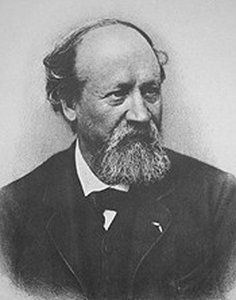
Eugène Louis Boudin
1824 - 1898 , Francia
Datos clave
- Artistas Que Influyeron:
- Johan Jongkind
- Charles Baudelaire
- Corot
- Estilo Artístico: Impresionismo temprano
- Fecha De Muerte: 8 de agosto de 1898
- Fecha De Nacimiento: 12 de julio de 1824
- Influenciado A Artistas: ['Claude Monet']
- Lugar De Nacimiento: Honfleur, Francia
- Nacionalidad: Francesa
- Nombre Completo: Eugène Louis Boudin
- Obras Notables:
- Naturaleza muerta con langosta
- Paisaje con atardecer
- Marina
- Fecamp, el puerto
Artículos relacionados
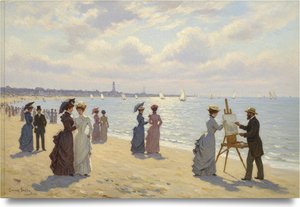
Eugène Boudin: Capturing Fleeting Moments – A Study of Light, Atmosphere & the Birth of Impressionism
Explore the life & art of Eugène Boudin, a pioneer of plein air painting and key influence on Impressionism. Discover his masterful light studies & atmospheric seascapes – a foundational figure in modern art history.
Impresionismo: 10 Obras Maestras que Capturan la Luz y el Momento
Descubre 10 obras maestras del impresionismo de Monet, Renoir y Degas. Explora la luz, el color y las historias detrás de estos icónicos cuadros. Reproducciones de arte en ArtsDot.com para decorar tu hogar con estilo.
Impresionismo y Postimpresionismo: Una Exploración de la Evolución Artística y sus Distinciones Clave
Explora la evolución del Impresionismo al Postimpresionismo. Descubre sus características, artistas clave y las diferencias esenciales en este análisis experto.

Paul Cézanne: Las 25 Obras Maestras que Definieron el Arte Moderno | ArtsDot
Descubre las 25 obras maestras de Paul Cézanne que revolucionaron el arte moderno. Explora su técnica, inspiración y significado en paisajes, bodegones y retratos. Reproducciones de alta calidad para decorar tu hogar con arte inolvidable. ¡Explora la colección completa en ArtsDot.com!
Joseph Kleitsch: Bridging Impressionism & California Regionalism – A Study of Light and Identity
Explore the life & work of Joseph Kleitsch, a pivotal California Impressionist painter. Discover his vibrant landscapes, portraits, and legacy within the Laguna Beach art colony. A comprehensive study for collectors & enthusiasts.