 Ver en contexto
 Enviar
 Compartir
 Detalles

 Descargar
 Similares
 Radiografía
 Presentación de diapositivas
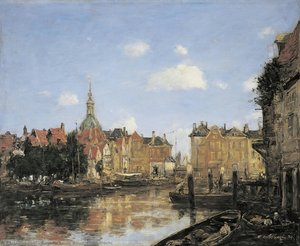
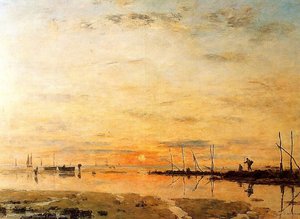
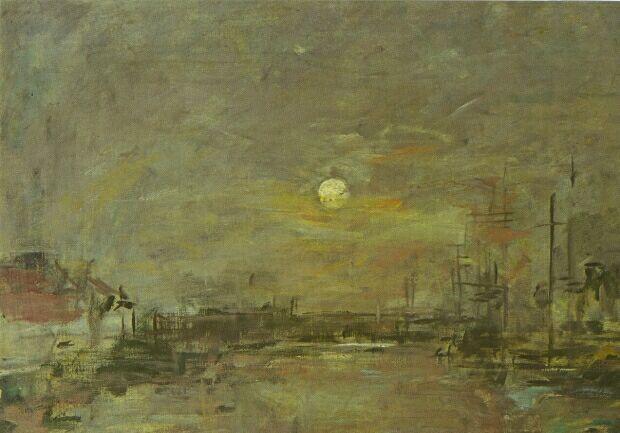
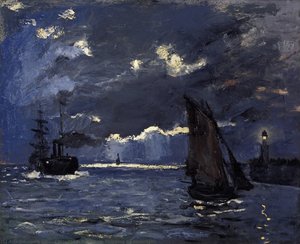
Twilight over the Basin of Le Havre


 Ver más
Reproducción al óleo hecha a mano
Óleo sobre lienzo pintado a mano en el tamaño y marco de su elección, realizado por encargo por nuestros artistas. ( Comprar impresión Comprar imagen)




P118B $10

P118H $10

P118W $10

P438Z $10

P508JH $12

P508YH $12

P805H $10

P805Z $10

P919BZ $10

P919G $10

P919XJ $10

P959ZH $10

P968JZ $12

W106C $8

W218G $10

W218JH $8

W218Y $10

W307PJ $10

W316G $10

W316PJ $8

W316Y $10

W398PJ $8

W4111J $10

W500HY $15

W500JH $15

W692G $12

W849H $8

W940BG $15

W953PJ $8




Elija entre nuestros tamaños predefinidos que respetan las proporciones originales de la obra.

Puede ingresar sus propias dimensiones para adaptarse a un marco o espacio específico. Si el tamaño seleccionado no coincide con las proporciones de la imagen original, recortaremos la obra o extenderemos la pintura con elementos adicionales pintados a mano. Se le enviará una maqueta digital para su aprobación antes de comenzar la producción.
Tenga en cuenta que la vista previa en pantalla no refleja el recorte o la extensión reales. Solo la maqueta mostrará con precisión la composición final.
Si bien existen tamaños personalizados, recomendamos seleccionar una dimensión de la lista predefinida para preservar las proporciones originales.
Tras realizar el pedido, el equipo de ArtsDot.com enviará un correo electrónico al cliente para solicitar instrucciones y proporcionarle una vista previa del boceto.
Envío a todo el mundo () en 3-4 semanas en lugar de las 5 semanas estándar. (5 septiembre). Sin comprometer la calidad.

Envío exprés gratuito a todo el mundo

Lienzo de lino de alta calidad

Seguro de envío total

Garantía de reembolso de impuestos aduaneros

Garantía de fidelidad cromática exacta

Política de devolución de 60 días (solo por defectos)

Garantía de devolución del 100% del dinero

Descuento por cantidad
 La opción de vidrio solo está disponible en tamaños inferiores a 110 cm.

Twilight over the Basin of Le Havre
Técnica de reproducción
Dimensiones de la reproducción
-


Precio total final
$ 263
Twilight Over the Basin of Le Havre: A Masterpiece of Atmospheric Impressionism
Eugène Louis Boudin’s “Twilight over the Basin of Le Havre,” painted in 1872, isn't merely a depiction of a harbor scene; it’s an immersive experience, a fleeting moment captured on canvas that embodies the very essence of Impressionist philosophy. This work, now housed within prestigious collections and widely reproduced, offers a profound glimpse into Boudin’s unique approach to landscape painting – one deeply rooted in observation, light, and the transient beauty of nature.
The scene unfolds over the bustling harbor of Le Havre, a vital port city on the English Channel. Boudin masterfully renders the twilight hour, a time of profound atmospheric shift where colors bleed into one another and shadows lengthen with an almost palpable grace. The dominant hues are muted blues and violets, reflecting the fading light upon the water’s surface – a shimmering expanse punctuated by the subtle reflections of the city's lights. A sliver of moon hangs in the sky, casting a cool, ethereal glow that subtly illuminates the boats drifting silently across the basin.
Boudin’s technique is characterized by loose, broken brushstrokes—a hallmark of Impressionism. He eschews precise detail and instead focuses on capturing the *impression* of light and color. Notice how he uses short, rapid strokes to suggest movement in the water and the subtle textures of the harbor buildings. The boats themselves are rendered with a remarkable sense of spontaneity, their forms dissolving into the surrounding atmosphere. This deliberate lack of finish isn’t an indication of carelessness; rather, it's a conscious effort to convey the ephemeral nature of the scene – a feeling that this moment is fleeting and precious.
The Painterly Process: Plein Air and Observation
Crucially, “Twilight over the Basin of Le Havre” was created *en plein air*—outdoors. This practice, championed by Boudin and his contemporaries like Monet, allowed artists to directly observe and capture the effects of natural light on their subjects. Boudin’s early life aboard a steamboat provided him with an unparalleled understanding of maritime conditions and the ever-changing moods of the sea. He spent countless hours observing the harbor from this vantage point, meticulously studying how light interacted with water, sky, and buildings.
The painting reflects Boudin's deep connection to his surroundings. He wasn’t simply recording a visual scene; he was attempting to translate the *feeling* of twilight – its coolness, its melancholy beauty, its sense of quiet contemplation – onto canvas. This intimate relationship with nature is evident in the subtle nuances of color and brushwork, creating an atmosphere that invites the viewer to step into the painting and experience the tranquility of the harbor at dusk.
Symbolism and Context: A Reflection of Modern Life
Beyond its purely aesthetic qualities, “Twilight over the Basin of Le Havre” offers a subtle commentary on modern life. The bustling port city, with its ships and boats, represents the dynamism and industrial growth of 19th-century France. However, Boudin’s focus on the quiet beauty of twilight suggests a yearning for respite from the relentless pace of urban development. The scene evokes a sense of nostalgia—a longing for simpler times and a connection to the natural world.
Painted during a period of significant artistic experimentation, “Twilight over the Basin of Le Havre” aligns with the broader Impressionist movement’s rejection of academic conventions and its embrace of subjective perception. Boudin's work paved the way for future generations of artists who sought to capture the fleeting beauty of everyday life through innovative techniques and a profound appreciation for light and color.
A Timeless Appeal: Reproduction and Interior Design
Reproductions of “Twilight over the Basin of Le Havre” continue to resonate with viewers today, offering a touch of serenity and atmospheric beauty to any space. Its muted palette and evocative imagery make it an ideal choice for creating a calming and sophisticated ambiance in living rooms, bedrooms, or offices. The painting’s timeless appeal lies not only in its artistic merit but also in its ability to transport the viewer to a moment of quiet contemplation – a reminder of the enduring beauty of nature and the power of art to capture its essence.
Obras relacionadas
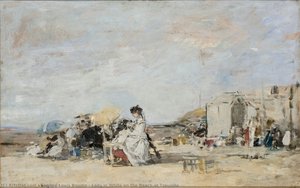
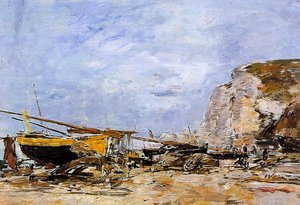
Biografía del artista
Vida Temprana y Carrera
Eugène Louis Boudin, un renombrado pintor francés, nació el 12 de julio de 1824 en Honfleur, Francia. Era hijo de un piloto portuario y desarrolló una fuerte afinidad por el mar desde temprana edad. Su viaje artístico comenzó con su trabajo en un barco de vapor entre Le Havre y Honfleur a la edad de 10 años.Influencias Artísticas y Estilo
El estilo de Boudin estuvo fuertemente influenciado por los maestros holandeses del siglo XVII, particularmente después de conocer a Johan Jongkind, quien lo introdujo a la pintura "en plein air" (al aire libre). Este enfoque le permitió capturar la luz cambiante y los colores del mundo natural. Sus pasteles, caracterizados como sumarios y económicos, atrajeron una atención significativa por parte de Charles Baudelaire y Corot, quien lo llamó el “rey de los cielos”.Obras Destacadas y Exposiciones
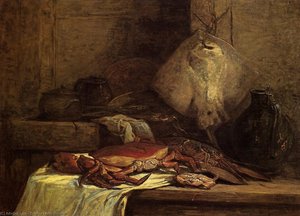
- Still Life with Lobster on a White Tablecloth (Nature Morte au Homard sur un Nappe Blanche), ahora en el High Museum of Art de Atlanta, muestra el enfoque sobrio pero noble de Boudin hacia las pinturas de bodegón.
- La participación de Boudin en la primera exposición impresionista en 1873, junto con Claude Monet y otros jóvenes artistas, solidificó su influencia en el mundo del arte.
- Su obra se puede encontrar en varios museos, incluyendo el Musée d'Orsay en París, que alberga varias de sus pinturas, como Landscape with Sunset.
Logros y Reconocimiento
A lo largo de su carrera, Boudin recibió numerosos elogios, incluyendo una medalla de tercer lugar en el Salón de París de 1881 y una medalla de oro en la Exposición Universal de 1889. En 1892, fue nombrado Caballero de la Legión de Honor.Legado e Importancia Histórica
El legado de Eugène Louis Boudin se extiende más allá de su propia obra, ya que jugó un papel fundamental en dar forma a las carreras de jóvenes artistas como Claude Monet. El Premio Eugène Boudin, otorgado por la Société Nationale des Beaux-Arts, es un testimonio de su influencia duradera en el mundo del arte. Boudin es considerado una figura clave en la transición hacia el impresionismo y su enfoque "en plein air" sentó las bases para muchos artistas posteriores. Su capacidad para capturar la atmósfera y la luz fugaz lo convierte en un precursor importante del movimiento impresionista, y su influencia se puede ver claramente en el trabajo de Monet y otros artistas que siguieron sus pasos.- Vea más obras de Boudin en https://ArtsDot.com/@/eugene-louis-boudin
- Explore la colección del Musée d'Orsay, que presenta varias pinturas de Boudin, en https://ArtsDot.com/@@/a@d3aulp-discover-the-charm-of-musee-eugene-boudin-(france)-and-its-impressionist-ma..
- Aprenda más sobre el arte francés y su historia en https://en.wikipedia.org/wiki/french_art
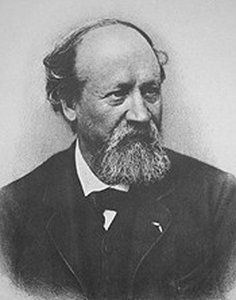
Eugène Louis Boudin
1824 - 1898 , Francia
Datos clave
- Artistas Que Influyeron:
- Johan Jongkind
- Charles Baudelaire
- Corot
- Estilo Artístico: Impresionismo temprano
- Fecha De Muerte: 8 de agosto de 1898
- Fecha De Nacimiento: 12 de julio de 1824
- Influenciado A Artistas: ['Claude Monet']
- Lugar De Nacimiento: Honfleur, Francia
- Nacionalidad: Francesa
- Nombre Completo: Eugène Louis Boudin
- Obras Notables:
- Naturaleza muerta con langosta
- Paisaje con atardecer
- Marina
- Fecamp, el puerto
Artículos relacionados
The Allure of the Horizon: A Comprehensive Exploration of Seascape Art Through History & Emotion
Explore the captivating world of seascape art! Discover its history, key artists & movements – from Dutch Masters to Impressionism. Expert insights for collectors and enthusiasts at ArtsDot.
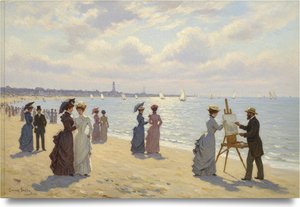
Eugène Boudin: Capturing Fleeting Moments – A Study of Light, Atmosphere & the Birth of Impressionism
Explore the life & art of Eugène Boudin, a pioneer of plein air painting and key influence on Impressionism. Discover his masterful light studies & atmospheric seascapes – a foundational figure in modern art history.

Impresionismo: 10 Obras Maestras que Capturan la Luz y el Momento
Descubre 10 obras maestras del impresionismo de Monet, Renoir y Degas. Explora la luz, el color y las historias detrás de estos icónicos cuadros. Reproducciones de arte en ArtsDot.com para decorar tu hogar con estilo.
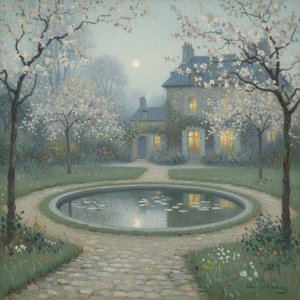
Henri Le Sidaner: Evoking Atmosphere & Intimacy in Post-Impressionist Landscapes
Discover the evocative world of Henri Le Sidaner, a master of Intimist painting. Explore his tranquil landscapes & atmospheric interiors – a celebration of light and intimacy. Learn about his life, style, and lasting legacy.
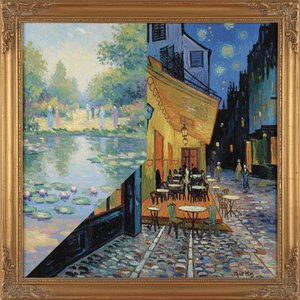
Impresionismo y Postimpresionismo: Una Exploración de la Evolución Artística y sus Distinciones Clave
Explora la evolución del Impresionismo al Postimpresionismo. Descubre sus características, artistas clave y las diferencias esenciales en este análisis experto.