 Vista previa
 Compartir
 Compartir
 Ver detalles

 Descargar
 Ver similares
 Radiografía
 Presentación de diapositivas
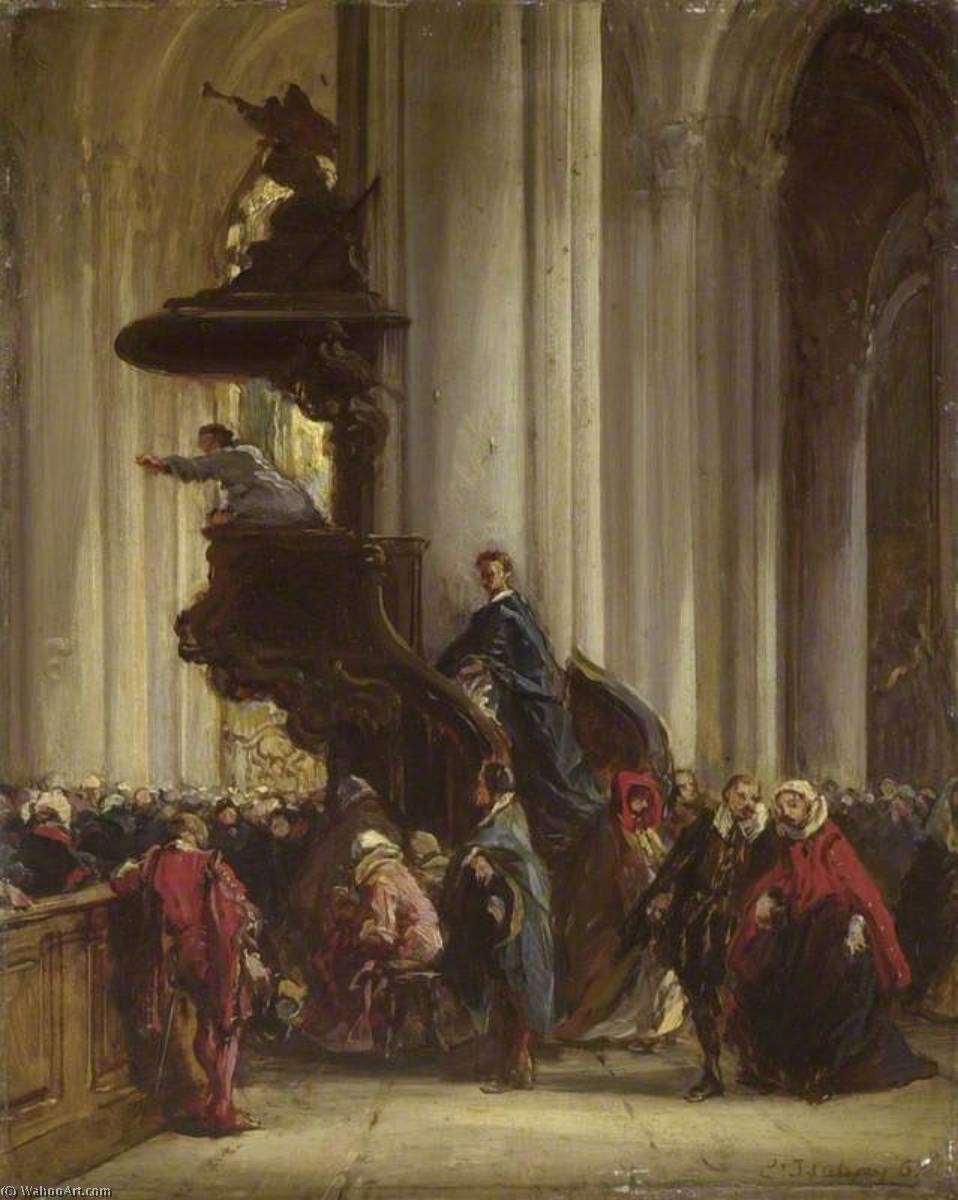
The Preacher


 Leer más
Reproducción al óleo hecha a mano
Óleo sobre lienzo pintado a mano en el tamaño y marco de su elección, realizado por encargo por nuestros artistas. ( Pedir impresión Comprar descarga)




P118B $10

P118H $10

P118W $10

P438Z $10

P508JH $12

P508YH $12

P805H $10

P805Z $10

P919BZ $10

P919G $10

P919XJ $10

P959ZH $10

P968JZ $12

W106C $8

W218G $10

W218JH $8

W218Y $10

W307PJ $10

W316G $10

W316PJ $8

W316Y $10

W398PJ $8

W4111J $10

W500HY $15

W500JH $15

W692G $12

W849H $8

W940BG $15

W953PJ $8




Elija entre nuestros tamaños predefinidos que respetan las proporciones originales de la obra.

Puede ingresar sus propias dimensiones para adaptarse a un marco o espacio específico. Si el tamaño seleccionado no coincide con las proporciones de la imagen original, recortaremos la obra o extenderemos la pintura con elementos adicionales pintados a mano. Se le enviará una maqueta digital para su aprobación antes de comenzar la producción.
Tenga en cuenta que la vista previa en pantalla no refleja el recorte o la extensión reales. Solo la maqueta mostrará con precisión la composición final.
Si bien existen tamaños personalizados, recomendamos seleccionar una dimensión de la lista predefinida para preservar las proporciones originales.
Tras realizar el pedido, el equipo de ArtsDot.com enviará un correo electrónico al cliente para solicitar instrucciones y proporcionarle una vista previa del boceto.
Envío a todo el mundo () en 3-4 semanas en lugar de las 5 semanas estándar. (20 agosto). Sin comprometer la calidad.

Envío exprés gratuito a todo el mundo

Lienzo de lino de alta calidad

Seguro de envío completo

Garantía de reembolso de aranceles aduaneros

Garantía de fidelidad cromática exacta

Política de devolución de 60 días (solo por defectos)

Garantía de devolución del 100% del dinero

Oferta por volumen
 La opción de vidrio solo está disponible en tamaños inferiores a 110 cm.

The Preacher
Técnica de reproducción
Tamaño de la reproducción
-


Precio total
$ 488
Descripción de la obra
The Preacher: A Dramatic Tableau of Revelation
Eugène Isabey’s “The Preacher,” painted in 1863, isn't merely a depiction of a scene within a grand cathedral; it’s a carefully constructed drama brimming with religious fervor and the palpable tension of an impending announcement. This oil-on-canvas masterpiece, rendered in the style of academic realism – a movement prioritizing meticulous detail and historical accuracy – transports the viewer directly into the heart of a pivotal moment. Isabey, a court painter known for his evocative seascapes and portraits, here shifts his focus to the realm of history and faith, creating an image that resonates with both grandeur and profound emotion.
The composition immediately commands attention. A central figure, presumably a clergyman, stands elevated on a raised platform – a pulpit acting as his stage – gesturing emphatically towards a throng of onlookers. The dynamism of this scene is expertly achieved through careful use of perspective; the viewer is drawn into the action, seemingly caught within the unfolding drama. Notice how Isabey subtly employs shallow depth to create a sense of immediacy, while simultaneously establishing a clear hierarchy of importance around the central preacher. The figures surrounding him – men and women alike – react with a range of expressions: astonishment, curiosity, apprehension, even a touch of bewildered reverence. These aren’t static subjects; they are participants in a shared experience, their postures and gestures conveying a powerful emotional current.
A Window into 19th-Century Religious Life
“The Preacher” offers a fascinating glimpse into the religious landscape of mid-19th century France. The painting reflects the prevailing atmosphere of devoutness and fervent belief that characterized the era, particularly within the Catholic Church. The cathedral itself – its soaring arches, intricate stonework, and stained-glass windows (though not explicitly depicted) – speaks to the power and majesty of faith. The scene likely represents a sermon or a public proclamation, an event central to religious life at the time. It’s important to remember that preaching wasn't simply a recitation of scripture; it was a dynamic, theatrical performance designed to inspire and instruct the congregation.
Furthermore, Isabey’s background as a court painter for Louis-Philippe adds another layer of context. He served the monarchy with portraits and historical scenes, demonstrating an understanding of how to capture power and authority – qualities that are subtly present in this depiction of the preacher's role within the community.
Technique and Artistic Choices
Isabey’s masterful technique is evident in every brushstroke. He employs a muted color palette dominated by browns, creams, and grays, creating an atmosphere of solemnity and seriousness. This restrained use of color directs attention to key elements – the preacher's gestures, the expressions on the faces of the onlookers, and the architectural details of the cathedral. The artist skillfully utilizes light and shadow to model forms and create a sense of volume, particularly in the depiction of the pulpit and the figures within the crowd. The brushwork itself is remarkably smooth, suggesting a deliberate effort to blend colors seamlessly and achieve a polished, almost photographic quality – a hallmark of academic realism.
Notice how Isabey uses lines to define architectural elements—the arches, columns, and the pulpit—as well as to outline figures and create a sense of volume. The shapes range from geometric (arches, pillars) to organic (human forms), demonstrating his ability to balance structure with naturalism.
Symbolic Resonance and Emotional Impact
Beyond its historical and artistic merits, “The Preacher” is rich in symbolic meaning. The act of preaching itself represents a moment of revelation – the transmission of knowledge, faith, and moral guidance from one generation to the next. The central figure’s emphatic gesture suggests a powerful message being delivered, while the reactions of the onlookers hint at the transformative potential of that message. The painting evokes a sense of anticipation, wonder, and perhaps even a touch of unease – reflecting the profound impact that religious pronouncements can have on individuals and communities.
Ultimately, “The Preacher” is more than just a historical painting; it’s a compelling meditation on faith, power, and the human condition. It invites viewers to contemplate the role of religion in society and the enduring power of communication – both spoken and unspoken – to shape our beliefs and inspire our actions.
Obras relacionadas
Biografía del artista
Eugène Louis Gabriel Isabey: Un Maestro Romántico de los Paisajes Marinos
Eugène Louis Gabriel Isabey (1803-1886) se erige como una figura fundamental en la pintura romántica francesa, reconocido especialmente por sus impresionantes representaciones del mar y el litoral. Nacido en el seno de una familia profundamente arraigada en la tradición artística —su padre, Jean-Baptiste Isabey, fue un célebre pintor predilectado por la corte imperial—, los primeros años de Isabey presagiaban un destino creativo. Aunque inicialmente se sintió atraído por las aventuras marítimas, pronto comprendió que su verdadera vocación residía en el mundo del arte, impulsado por la insistencia de su padre para que no siguiera un camino más convencional. Esta decisión resultó transformadora, propulsándolo hacia un estudio intensivo en el Louvre y hacia proyectos colaborativos con el paisajista Xavier Leprince en Honfleur, estableciendo una alianza formativa que perduraría hasta el prematuro fallecimiento de Leprince.- Formación Temprana e Influencias: La educación artística de Isabey comenzó bajo la tutela de su padre, donde absorbió con diligencia los principios estilísticos de los Grandes Maestros como Rembrandt y Vermeer. El Louvre funcionó como un crisol para perfeccionar sus habilidades de observación y desarrollar un profundo aprecio por la armonía tonal, una técnica que se convertiría en una característica distintiva de su obra.
- Honfleur y Colaboración: Su vínculo con Leprince en Honfleur fue inestimable, fomentando una pasión compartida por capturar la belleza dramática de la costa de Bretaña. Juntos, crearon lienzos rebosantes de perspectiva atmosférica y paletas de colores matizadas, que reflejaban las incipientes exploraciones de luz y sombra del naciente movimiento impresionista.
- Exposiciones en el Salón y Reconocimiento: Isabey debutó con su talento artístico en el Salón de 1831, cosechando un reconocimiento inicial por sus paisajes que mostraban la campaña naval en Marruecos; un viaje realizado junto a Eugène Delacroix, cuya influencia fue mucho más allá de la mera compañía, ya que la audaz experimentación de Delacroix con el color y la pincelada moldeó sin duda el estilo evolutivo de Isabey.
Patrocinio Real y Evolución Artística
Isabey alcanzó la prominencia durante el reinado de Luis Felipe (1830-1848), asegurando una posición prestigiosa como pintor de la corte, una distinción simbolizada por su nombramiento como caballero en la Legión de Honor. Este patrocinio le otorgó acceso a círculos influyentes y alimentó su ambición artística, dando como resultado lienzos monumentales como “El regreso de Napoleón de Elba”, que conmemora el triunfo de Napoleón Bonaparte tras su exilio a bordo del Belle Poule. Durante este periodo, Isabey adoptó un enfoque más expresivo, priorizando la iluminación dramática y las combinaciones de colores emotivos, un sello estilístico que lo distingue de los pintores románticos anteriores. Cabe destacar que estudió el magistral manejo de los efectos atmosféricos de Turner, reconociendo el poder de la gradación tonal para transmitir estados de ánimo y grandeza.- Pinturas Notables: Entre las obras más celebradas de Isabey se encuentran “Rocas en Saint-Malo”, “Barcos de Pesca en una Playa” y “El regreso de Napoleón de Elba”, cada una demostrando su excepcional capacidad para plasmar las sutilezas de los paisajes marinos con una precisión notable y resonancia emocional.
- Enseñanza y Mentoría: Reconociendo la importancia de la transmisión artística, Isabey estableció un estudio donde nutrió el talento de artistas aspirantes —incluyendo a Eugène Boudin, Johan Barthold Jongkind y Durand-Brager—, consolidando su legado como una influencia formativa para las generaciones posteriores de pintores.
Legado y Significado Histórico
La contribución de Isabey al arte romántico francés trasciende la mera innovación estilística; él encarna el espíritu de la fascinación de la época por la naturaleza y su exploración de la profundidad psicológica. Sus lienzos sirven como ventanas a un mundo pasado, capturando no solo el esplendor visual, sino también las complejidades emocionales inherentes a la experiencia humana, particularmente las ansiedades que rodean al cambio y la incertidumbre. La inquebrantable dedicación de Isabey a su oficio y su perdurable influencia sobre sus contemporáneos aseguraron su lugar entre los luminarios del arte del siglo XIX, garantizando que sus evocadoras representaciones del mar sigan cautivando al público en la actualidad. Su obra permanece como un testimonio del poder transformador de la pasión artística y de la huella indeleble que dejan aquellos que se esfuerzan por capturar la belleza sublime del mundo natural.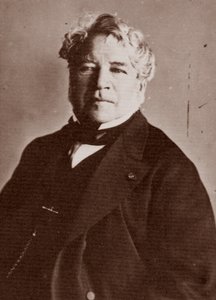
Eugène Isabey
1803 - 1886 , Francia
Datos clave
- Artistic Movement Or Style: Romanticismo
- Artists Who Influenced This Artist:
- Jean Auguste Dominique Ingres
- Jacques-Nicolas Augustin Cochin
- Date Of Birth: París, Francia (1803)
- Date Of Death: Lagny, Francia (1886)
- Full Name: Eugène Louis Gabriel Isabey
- Nationality: Francés
- Notable Artworks:
- L'embarquement de l'Amiral Ruyter
- Rocks at Saint-Malo
- Fishing Boats on a Beach
- Place Of Birth: Paris
Artículos relacionados
Los 10 Maestros del Realismo Académico: Obras que Marcaron la Historia del Arte
Descubre los 10 lienzos más emblemáticos del Realismo Académico. Explora la historia, técnica y belleza de obras maestras de Bouguereau, Gérôme y Cabanel. Encuentra reproducciones de arte clásico en ArtsDot.com.
Romantic Realism's Finest: 10 Masterpieces for Your Home | ArtsDot
Explore 10 defining masterpieces of Romantic Realism! Discover Courbet, Millet & Daumier's powerful paintings—capturing emotion and social realities. Find museum-quality reproductions for your home at ArtsDot.com.
El Auge del Arte Académico: Tradición, Técnica y la Búsqueda de la Forma Ideal en el Siglo XIX
Descubre el auge del arte académico en el siglo XIX: técnicas impecables, maestros como Bouguereau y Gérôme, y la búsqueda de la belleza ideal. Un análisis profundo para amantes del arte clásico.
El Legado Perdurable del Arte del Siglo XVIII y XIX: Movimientos, Maestros y Reflexiones Sociales
Descubre el legado perdurable del arte de los siglos XVIII y XIX. Explora los movimientos romántico y realista, sus maestros y la profunda influencia social que marcaron una era. Análisis experto en ArtsDot.
El Realismo Histórico del Siglo XIX: Una Búsqueda de la Verdad en el Arte
Descubre el Realismo del siglo XIX: su contexto histórico, artistas clave como Courbet y Millet, técnicas innovadoras y legado perdurable. Guía experta para coleccionistas y amantes del arte.