

 Ver en contexto
 Enviar
 Compartir
 Detalles

 Descargar
 Similares
 Radiografía
 Presentación de diapositivas
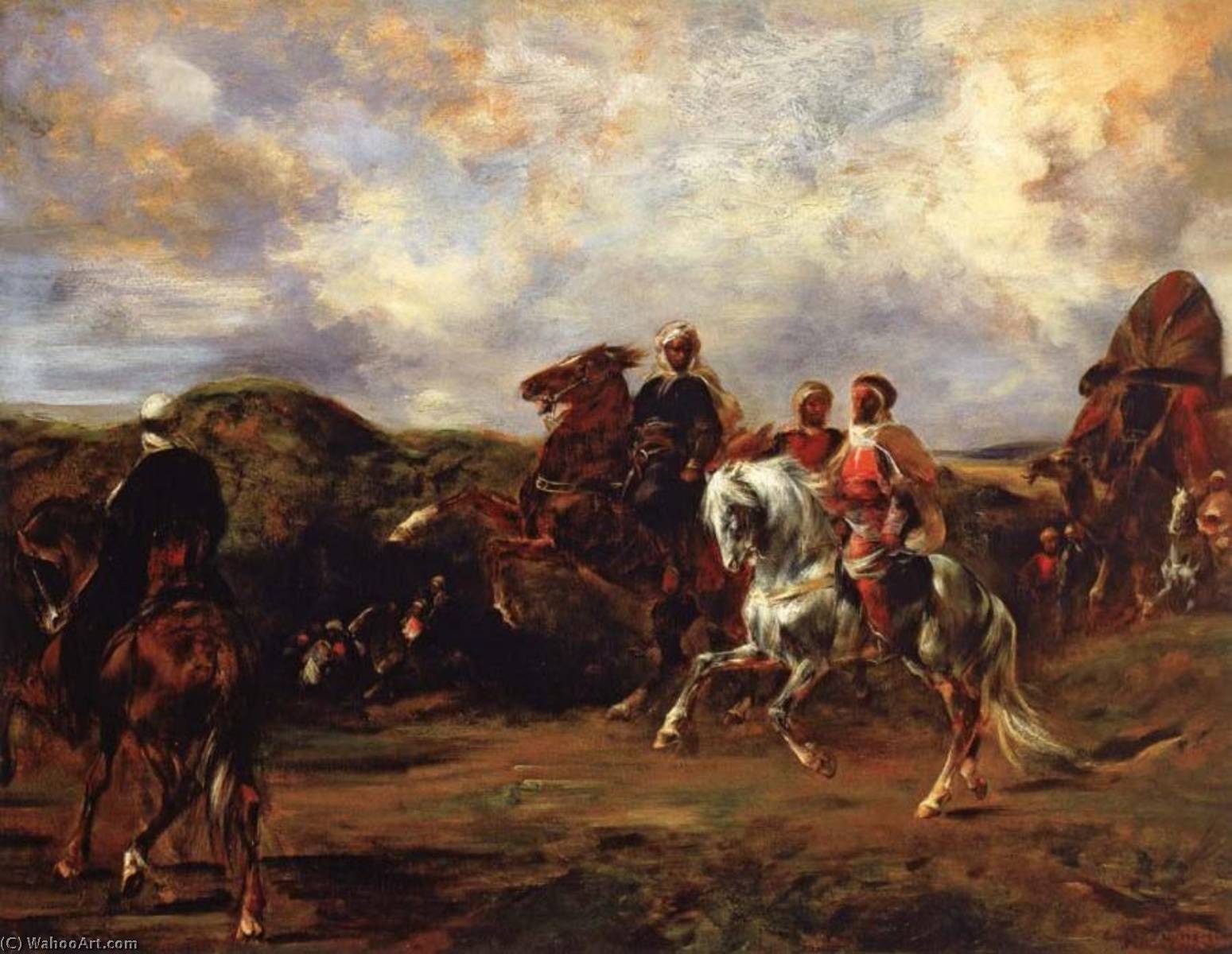
La Caravane (Scene of Nomads)

 Ver más
Reproducción al óleo hecha a mano
Óleo sobre lienzo pintado a mano en el tamaño y marco de su elección, realizado por encargo por nuestros artistas. ( Comprar impresión Comprar imagen)




































Elija entre nuestros tamaños predefinidos que respetan las proporciones originales de la obra.

Puede ingresar sus propias dimensiones para adaptarse a un marco o espacio específico. Si el tamaño seleccionado no coincide con las proporciones de la imagen original, recortaremos la obra o extenderemos la pintura con elementos adicionales pintados a mano. Se le enviará una maqueta digital para su aprobación antes de comenzar la producción.
Tenga en cuenta que la vista previa en pantalla no refleja el recorte o la extensión reales. Solo la maqueta mostrará con precisión la composición final.
Si bien existen tamaños personalizados, recomendamos seleccionar una dimensión de la lista predefinida para preservar las proporciones originales.
Tras realizar el pedido, el equipo de ArtsDot.com enviará un correo electrónico al cliente para solicitar instrucciones y proporcionarle una vista previa del boceto.
Envío a todo el mundo () en 3-4 semanas en lugar de las 5 semanas estándar. (23 agosto). Sin comprometer la calidad.

Envío exprés gratuito a todo el mundo

Lienzo de lino de alta calidad

Seguro de envío total

Garantía de reembolso de impuestos aduaneros

Garantía de fidelidad cromática exacta

Política de devolución de 60 días (solo por defectos)

Garantía de devolución del 100% del dinero

Descuento por cantidad
 La opción de vidrio solo está disponible en tamaños inferiores a 110 cm.

La Caravane (Scene of Nomads)
Técnica de reproducción
Dimensiones de la reproducción
-


Precio total final
$ 263
Obras relacionadas










Biografía del artista
Eugène Fromentin: Painter of Algerian Landscapes and Literary Critic
Eugène Fromentin (1820-1876) stands as a pivotal figure in French Orientalist painting, yet his legacy extends far beyond mere visual representation. Born in La Rochelle, France, he embarked on an artistic journey marked by early exposure to landscape painting under Louis Cabat and propelled him toward a profound engagement with the vibrant culture of Algeria—a fascination that would define both his oeuvre and his intellectual pursuits. More than just capturing picturesque vistas, Fromentin sought to distill the essence of Algerian life, blending meticulous observation with expressive brushstrokes to create images imbued with palpable atmosphere. Fromentin’s artistic breakthrough arrived in 1847 with “Les gorges de la Chiffa,” a monumental canvas that immediately garnered acclaim at the Salon and established him as one of the foremost interpreters of Algeria's dramatic topography. This painting, alongside others like "The Arab Falconer" and "Arabs Crossing a Ford," exemplifies his distinctive style—characterized by luminous color palettes, dynamic compositions, and an unwavering commitment to realism. He meticulously documented the flora and fauna of the Sahara Desert, capturing the rugged beauty of its landscapes with remarkable accuracy. Notably, Fromentin’s artistic vision was deeply informed by the influence of Eugène Delacroix, whose Romantic fervor resonated within his own approach to painting. Delacroix's bold use of color and dramatic lighting served as a powerful catalyst for Fromentin's stylistic evolution, encouraging him to prioritize emotional intensity alongside technical precision. However, Fromentin's contribution to art history transcends purely visual aesthetics. He emerged as a pioneering art critic and writer, notably through his seminal work “Les maîtres d’autrefois,” published in 1876. This book constitutes an ambitious undertaking—a comprehensive analysis of early Netherlandish painting and the Northern Baroque masters—presented not merely as scholarly exposition but as a deeply personal reflection on artistic achievement. Fromentin argued that understanding a painter's context – social, political, and economic – was crucial to appreciating the artwork’s significance. He championed a humanist perspective, emphasizing the artist’s emotional engagement with his subject matter and recognizing the broader cultural currents shaping artistic expression. His meticulous dissection of Rembrandt’s “The Night Watch,” for instance, demonstrated an unparalleled grasp of visual technique alongside astute psychological insight. Fromentin's literary endeavors mirrored his artistic sensibilities—a dedication to capturing authentic experience and conveying nuanced observations. He traveled extensively throughout Europe and North Africa, documenting his journeys with vivid prose that captured the spirit of each locale. His novel “Dominique” explored themes of love, loss, and social conscience, reflecting a broader intellectual curiosity that extended beyond the realm of art. It’s considered to be one of the most important works of French Romanticism. Ultimately, Eugène Fromentin’s artistic legacy rests on his ability to fuse meticulous observation with expressive artistry—a synthesis that cemented his place as one of the most influential painters of the 19th century and established him as an innovator in critical thought. His work continues to inspire admiration for its beauty and intellectual depth, reminding us of the transformative power of art to illuminate both visual splendor and human understanding.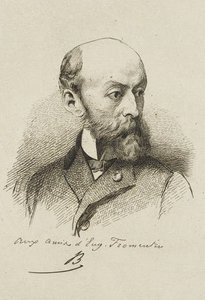
Eugène Fromentin
1820 - 1876 , Francia
Datos clave
- Artistic Movement Or Style: Orientalismo
- Artists Who Influenced This Artist:
- Louis Cabat
- Eugène Delacroix
- Date Of Birth: October 24, 1820
- Date Of Death: August 27, 1876
- Full Name: Eugène Samuel Auguste Fromentin
- Nationality: Francés
- Notable Artworks:
- Les gorges de la Chiffa
- The Arab Falconer
- Arabs Crossing a Ford
- Place Of Birth: La Rochelle, Francia

