

 Ver en contexto
 Enviar
 Compartir
 Detalles

 Descargar
 Similares
 Radiografía
 Presentación de diapositivas
 Stats
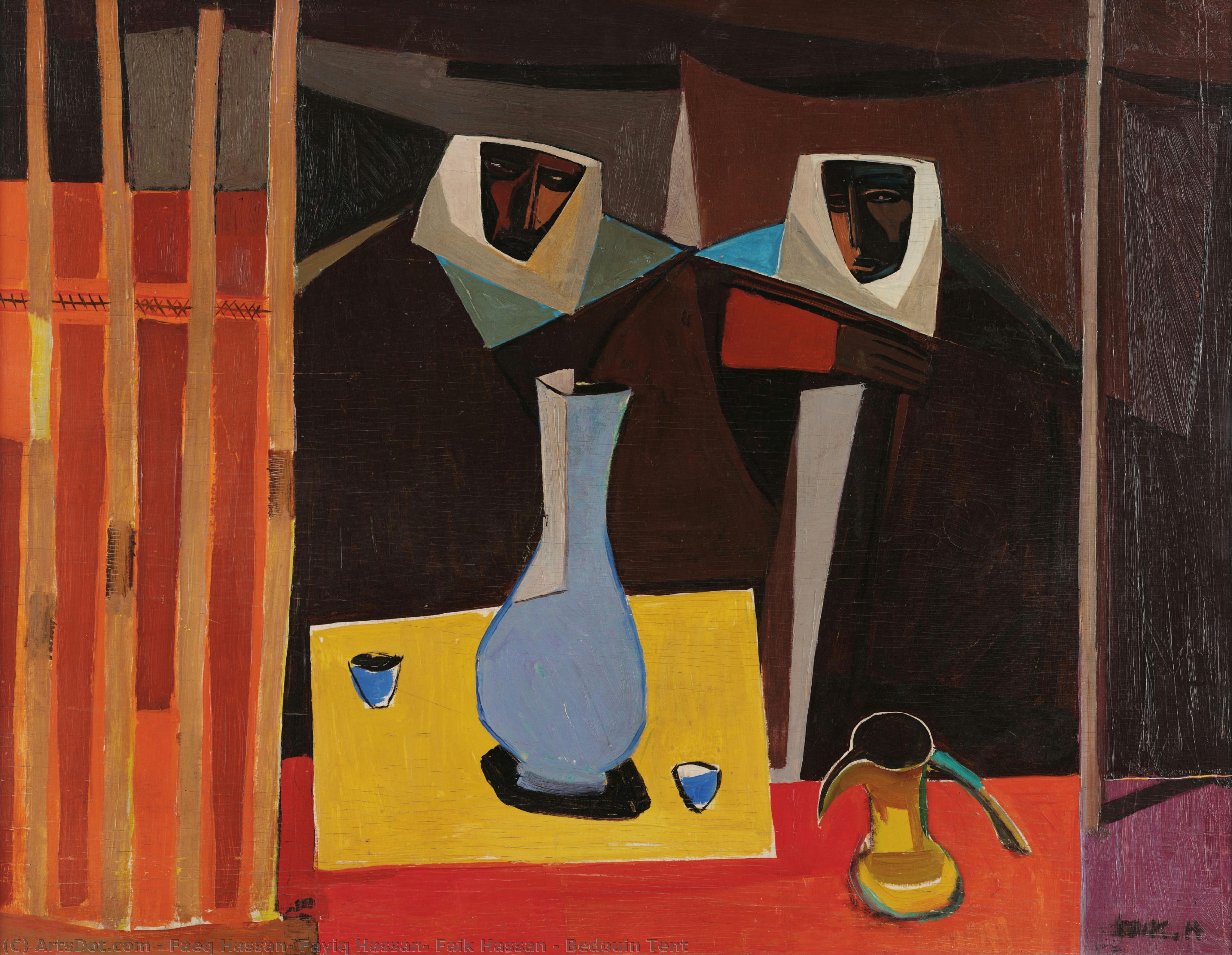
StatsBedouin Tent
 Oil On Board
- Cubism
 Modern
 58.0 x 74.0 cm
 Fundación Barjeel de Arte
 Ver más
Reproducción al óleo hecha a mano
Óleo sobre lienzo pintado a mano en el tamaño y marco de su elección, realizado por encargo por nuestros artistas. ( Switch to Print Switch to Digital Image)




P118B $10

P118H $10

P118W $10

P438Z $10

P508JH $12

P508YH $12

P805H $10

P805Z $10

P919BZ $10

P919G $10

P919XJ $10

P959ZH $10

P968JZ $12

W106C $8

W218G $10

W218JH $8

W218Y $10

W307PJ $10

W316G $10

W316PJ $8

W316Y $10

W398PJ $8

W4111J $10

W500HY $15

W500JH $15

W692G $12

W849H $8

W940BG $15

W953PJ $8




Elija entre nuestros tamaños predefinidos que respetan las proporciones originales de la obra.

Puede ingresar sus propias dimensiones para adaptarse a un marco o espacio específico. Si el tamaño seleccionado no coincide con las proporciones de la imagen original, recortaremos la obra o extenderemos la pintura con elementos adicionales pintados a mano. Se le enviará una maqueta digital para su aprobación antes de comenzar la producción.
Tenga en cuenta que la vista previa en pantalla no refleja el recorte o la extensión reales. Solo la maqueta mostrará con precisión la composición final.
Si bien existen tamaños personalizados, recomendamos seleccionar una dimensión de la lista predefinida para preservar las proporciones originales.
Tras realizar el pedido, el equipo de ArtsDot.com enviará un correo electrónico al cliente para solicitar instrucciones y proporcionarle una vista previa del boceto.
Envío a todo el mundo () en 3-4 semanas en lugar de las 5 semanas estándar. (8 septiembre). Sin comprometer la calidad.

Envío exprés gratuito a todo el mundo

Lienzo de lino de alta calidad

Seguro de envío total

Garantía de reembolso de impuestos aduaneros

Garantía de fidelidad cromática exacta

Política de devolución de 100 días (solo por defectos)

Garantía de devolución del 100% del dinero

Descuento por cantidad
 La opción de vidrio solo está disponible en tamaños inferiores a 110 cm.

Bedouin Tent
Técnica de reproducción
Dimensiones de la reproducción
-


Precio total final
$ 263
A Window into Iraqi Heritage
In the quiet, fragmented planes of Bedouin Tent, the viewer is invited into an intimate moment of desert life, captured through the masterful lens of Faeq Hassan, the legendary father of Iraqi modern art. This evocative piece transcends a mere depiction of a landscape; it serves as a profound narrative of cultural identity and daily ritual. The scene unfolds within the sheltered embrace of a tent, where figures are nestled amidst the symbols of hospitality. A man and a woman sit upon a wooden bench, their presence anchoring a composition that feels both deeply personal and universally resonant. Scattered around them, the traditional dallah (coffee pot) and finjan (cups) act as silent witnesses to a shared history, suggesting a rhythm of life that has persisted through generations along the banks of the Tigris and Euphrates.
The painting is a masterclass in the application of Cubist-inspired techniques to local subject matter. Hassan, having refined his skills at the École Nationale Supérieure des Beaux-Arts in Paris, does not merely copy European modernism; instead, he deconstructs it to serve an Iraqi soul. The work utilizes a fragmented approach that collapses traditional spatial depth, placing figures and objects onto distinct, overlapping planes. This technique allows the eye to wander through multiple viewpoints simultaneously, creating a sense of multidimensionality. The colors—a sophisticated palette of earthy ochres, warm sands, and muted shadows—work in harmony to evoke the heat and dust of the desert while maintaining a serene, almost meditative atmosphere.
Symbolism and the Modernist Vision
Beyond its aesthetic brilliance, Bedouin Tent is steeped in the symbolism of the Al-Ruwad (The Pioneers) movement. Hassan’s mission was to bridge the gap between ancient Iraqi heritage and the avant-garde movements of the twentieth century. Every element within the frame—from the presence of a watchful dog near the corner to the careful arrangement of vases on a dining table—contributes to a larger tapestry of national pride. The painting celebrates the dignity of the peasant class and the sanctity of communal gathering. By integrating local phenomena into a modern visual language, Hassan transformed the mundane rituals of nomadic life into high art, making the specific history of Iraq accessible to the global stage.
For the discerning collector or interior designer, this artwork offers more than just visual beauty; it provides a sophisticated focal point that commands attention through its intellectual depth and textural richness. A high-quality reproduction of this piece brings a sense of historical gravity and warmth into any contemporary space. The interplay of light and shadow, combined with the rhythmic arrangement of geometric shapes, makes it an ideal centerpiece for those seeking to infuse their surroundings with a sense of worldly elegance and timeless storytelling. To possess such a work is to hold a fragment of the Middle Eastern modernist revolution, a piece that continues to breathe life into the modern home.
Obras relacionadas
Biografía del artista
early life and education
Faeq Hassan (Faiq Hassan, Fayiq Hassan), born in Baghdad, Iraq, in 1914, embarked on an artistic journey marked by serendipitous encounters and unwavering dedication. His formative years were shaped by a childhood steeped in Iraqi traditions—drawing horses captivated the attention of King Faisal I, who envisioned him pursuing higher education abroad.
Despite the king’s untimely passing before fulfilling his promise, Hassan secured a scholarship to study at École Nationale Supérieure des Beaux-Arts in Paris, graduating in 1938. This pivotal moment propelled him into the European artistic landscape where he encountered luminaries like Pablo Picasso and absorbed the essence of Impressionism.
His teacher, Muhammad Khidir, profoundly influenced Hassan’s artistic sensibilities, instilling a passion for color subtleties—a stylistic element that would permeate his subsequent oeuvre. The boy's fascination with art began early on, fueled by encouragement from Khidir who recognized Hassan’s innate talent.
artistic career and founding of al-ruwad
Upon returning to Baghdad, Hassan established the Painting Department at the Institute of Fine Arts alongside Jawad Saleem, initiating a collaborative endeavor that would redefine Iraqi artistic pedagogy. Simultaneously, he founded Al-Ruwad (the Pioneers Group), a collective dedicated to harmonizing Iraqi heritage with modern artistic concepts.
Al-Ruwad’s mission was ambitious: to explore Iraq's diverse cultural tapestry—from Bedouin traditions to Kurdish landscapes—and translate these observations into compelling visual narratives. Hassan championed the use of *plein air* painting, mirroring the techniques favored by Impressionist artists.
Critics dubbed Al-Ruwad’s members “bida’iyyin,” signifying a deliberate departure from conventional artistic approaches. Hassan's insistence on investigating Iraq’s social fabric and cultural traditions underscored his commitment to forging an authentically Iraqi artistic idiom.
notable artworks and exhibitions
Hassan’s artistic style blended Cubism and Abstract art, reflecting his intellectual engagement with avant-garde movements. His celebrated works include “Bedouin Tent,” a masterful depiction of nomadic life—and “Untitled,” which embodies the artist's exploration of form and color.
His exhibitions showcased his distinctive vision—a synthesis of Iraqi folklore and European artistic innovation. The Institute of Fine Arts served as a crucible for fostering talent, nurturing Hassan’s students into influential figures within the burgeoning Iraqi art scene.
legacy and influence
Faeq Hassan is universally recognized as “the father of Iraqi modern art,” shaping the trajectory of Iraqi artistic expression throughout the mid-20th century. His pioneering role in establishing Al-Ruwad cemented his position as a visionary leader—inspiring generations of artists to embrace experimentation and cultural introspection.
Hassan’s unwavering dedication to artistic education—coupled with his groundbreaking stylistic innovations—continues to resonate within Iraqi art history, ensuring that his legacy endures as a testament to creativity and intellectual curiosity. Explore ArtsDot's faeq hassan collection for more insight into this remarkable artist’s oeuvre.
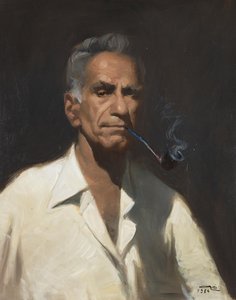
Faeq Hassan
1914 - 1992 , العراق
Datos clave
- Artistic Movement Or Style: Cubism, Abstract Art
- Artists Or Movements Influenced By This Artist: ['Al-Ruwad Group']
- Artists Who Influenced This Artist: ['Pablo Picasso']
- Date Of Birth: 1914 Baghdad Iraq
- Full Name: Faeq Hassan
- Nationality: Iraqi
- Notable Artworks:
- Bedouin Tent
- Untitled
- Place Of Birth: Baghdad Iraq
Artículos relacionados
Los 10 Retratos Cubistas Esenciales que Revolucionaron el Arte Moderno | ArtsDot
Descubre los 10 retratos cubistas esenciales de Picasso, Braque y otros maestros. Explora la historia, técnica y significado de este revolucionario movimiento artístico. Encuentra reproducciones de arte exclusivas en ArtsDot.com.
Cubismo Expresionista: 10 Obras Maestras que Transformaron el Arte | ArtsDot
Descubre las 10 obras maestras del Cubismo Expresionista con ArtsDot. Explora la historia de Picasso, Braque y otros artistas clave. Encuentra reproducciones de arte exclusivas para transformar tu hogar. ¡Explora la colección completa en ArtsDot.com!
Perspectivas Fragmentadas, Espacios Unificados: Integrando el Arte Inspirado en el Cubismo en el Diseño de Villas Modernas – Una Guía a la Innovación Estética y Consideraciones Legales
Descubre cómo integrar la innovadora estética cubista en el diseño de villas modernas. Guía experta con consejos prácticos, consideraciones legales y ejemplos inspiradores para crear espacios únicos y sofisticados.

Deconstruyendo la Realidad: Fundamentos Estéticos y Filosóficos del Expresionismo Cubista
Explora los fundamentos estéticos y filosóficos del Expresionismo Cubista. Análisis profundo de Picasso, Braque y su impacto en el arte moderno. Guía experta para coleccionistas.
Deconstruyendo la Identidad: El Retrato Cubista como Espejo del Siglo XX
Explora la fascinante historia del retrato cubista con ArtsDot. Análisis de Picasso, Braque, Dalí y más. Guía para coleccionistas exigentes e inversión en arte moderno.