 Ver en contexto
 Enviar
 Compartir
 Detalles

 Descargar
 Similares
 Radiografía
 Presentación de diapositivas
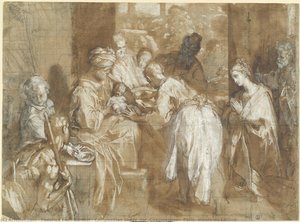
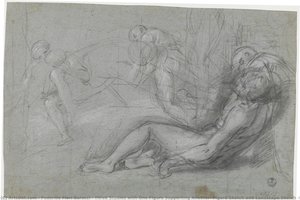
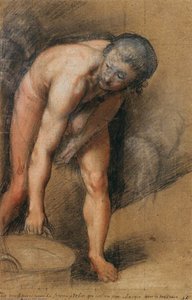
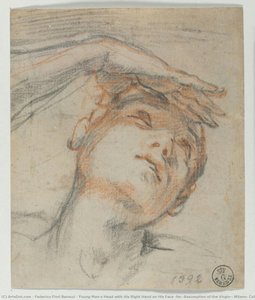
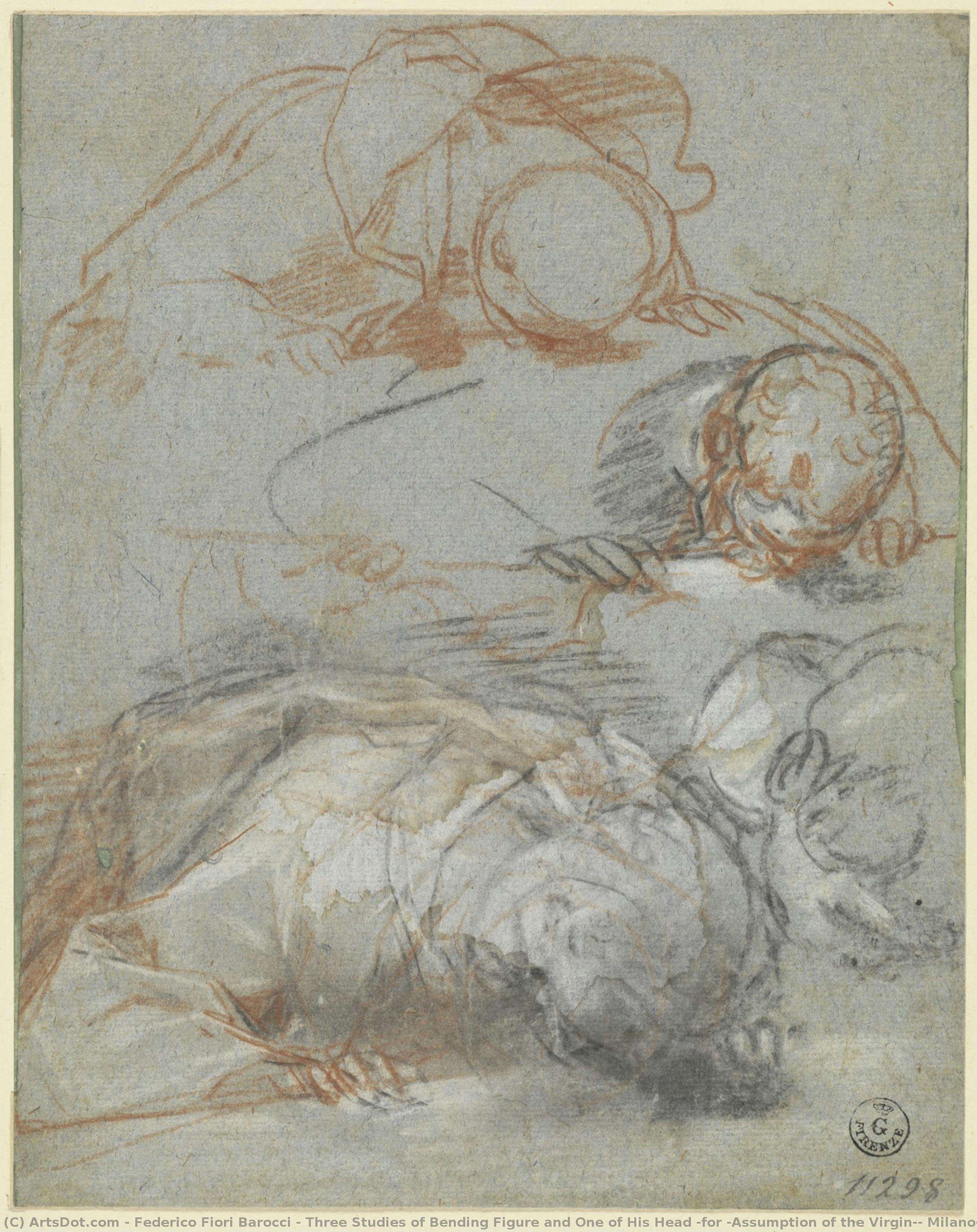
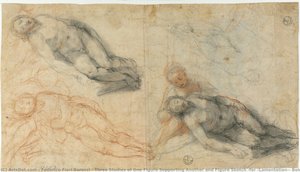
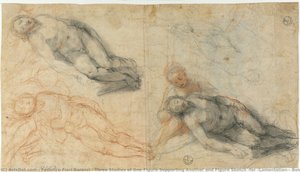
Three Studies of Bending Figure and One of His Head (for “Assumption of the Virgin”, Milano, Collezione Castelbarco Albani)
 Acrylic On Canvas
- WallArt
- Baroque Style
 1612
1612 24.0 x 19.0 cm
 Galería de los Uffizi
 Ver más
Reproducción al óleo hecha a mano
Óleo sobre lienzo pintado a mano en el tamaño y marco de su elección, realizado por encargo por nuestros artistas. ( Comprar impresión Comprar imagen)




P118B $10

P118H $10

P118W $10

P438Z $10

P508JH $12

P508YH $12

P805H $10

P805Z $10

P919BZ $10

P919G $10

P919XJ $10

P959ZH $10

P968JZ $12

W106C $8

W218G $10

W218JH $8

W218Y $10

W307PJ $10

W316G $10

W316PJ $8

W316Y $10

W398PJ $8

W4111J $10

W500HY $15

W500JH $15

W692G $12

W849H $8

W940BG $15

W953PJ $8




Elija entre nuestros tamaños predefinidos que respetan las proporciones originales de la obra.

Puede ingresar sus propias dimensiones para adaptarse a un marco o espacio específico. Si el tamaño seleccionado no coincide con las proporciones de la imagen original, recortaremos la obra o extenderemos la pintura con elementos adicionales pintados a mano. Se le enviará una maqueta digital para su aprobación antes de comenzar la producción.
Tenga en cuenta que la vista previa en pantalla no refleja el recorte o la extensión reales. Solo la maqueta mostrará con precisión la composición final.
Si bien existen tamaños personalizados, recomendamos seleccionar una dimensión de la lista predefinida para preservar las proporciones originales.
Tras realizar el pedido, el equipo de ArtsDot.com enviará un correo electrónico al cliente para solicitar instrucciones y proporcionarle una vista previa del boceto.
Envío a todo el mundo () en 3-4 semanas en lugar de las 5 semanas estándar. (1 septiembre). Sin comprometer la calidad.

Envío exprés gratuito a todo el mundo

Lienzo de lino de alta calidad

Seguro de envío total

Garantía de reembolso de impuestos aduaneros

Garantía de fidelidad cromática exacta

Política de devolución de 60 días (solo por defectos)

Garantía de devolución del 100% del dinero

Descuento por cantidad
 La opción de vidrio solo está disponible en tamaños inferiores a 110 cm.

Three Studies of Bending Figure and One of His Head (for “Assumption of the Virgin”, Milano, Collezione Castelbarco Albani)
Técnica de reproducción
Dimensiones de la reproducción
-


Precio total final
$ 263
Federico Fiori Barocci’s “Three Studies of Bending Figure and One of His Head” – A Dance of Form and Faith
Federico Fiori Barocci, known affectionately as "Il Baroccio," stands as a pivotal figure bridging the Mannerist elegance of the late Renaissance with the burgeoning dynamism of the Baroque. Born in Urbino in 1535 and tragically passing away in 1612, his life’s work embodies a captivating synthesis of observation, technical mastery, and deeply felt spirituality. “Three Studies of Bending Figure and One of His Head,” created around 1612, offers a profound glimpse into Barocci's artistic vision – a study in human form, gesture, and the evocative power of light and shadow.
The painting itself is deceptively simple in its composition. Three figures dominate the canvas: a reclining male nude on the left, a standing figure to his right, and a seated individual positioned between them. These aren’t idealized representations; rather, they are studies in movement, captured with an almost unsettling immediacy. The figures appear caught mid-action, their limbs contorted into expressive poses that suggest both physical exertion and profound contemplation. This deliberate lack of static repose was characteristic of Barocci's approach – he sought to convey not just the appearance of a body but its very essence in motion.
A Masterclass in Technique and Light
Barocci’s technique is immediately striking, revealing a remarkable command of color and texture. He employs a layered glazing method, building up thin washes of paint to create an illusion of depth and luminosity. Notice the subtle variations in tone – the velvety smoothness of the skin contrasted with the sharper definition of the musculature. The artist's use of chiaroscuro—the dramatic interplay between light and dark—is particularly noteworthy. Light doesn’t simply illuminate; it sculpts, defining form and creating a sense of theatrical drama. The figures are bathed in a soft, diffused glow, emanating from an unseen source, which emphasizes their vulnerability and inner intensity.
Furthermore, Barocci's meticulous attention to detail is evident in the rendering of fabrics and drapery. The folds of clothing aren’t merely decorative; they contribute to the overall sense of movement and dynamism. The subtle shifts in color and texture suggest the weight and volume of the garments, adding a tactile quality to the image.
Historical Context: Faith, Form, and the Renaissance Spirit
Created during a period of intense religious and artistic transformation, “Three Studies” reflects the prevailing intellectual currents of the time. The painting’s subject matter—the human body in motion—resonates with the humanist emphasis on the beauty and dignity of mankind. However, Barocci imbues this celebration of the physical form with a distinctly spiritual dimension. The figures' postures and expressions suggest a deep engagement with faith, hinting at an inner life beyond mere physicality.
Interestingly, the painting’s commission for “Assumption of the Virgin” in Milan points to its intended role within a larger devotional context. The studies served as preparatory sketches for a monumental altarpiece, demonstrating Barocci's commitment to both artistic innovation and religious piety. The reference to "Milano, Collezione Castelbarco Albani" indicates that this piece is part of a significant private collection, further adding to its historical importance.
Symbolism and Emotional Resonance
While the precise symbolism within the painting remains open to interpretation, several elements invite contemplation. The reclining figure could represent humility or submission before God, while the standing and seated figures might embody active faith and contemplative prayer. The overall composition evokes a sense of quiet drama—a moment suspended in time, filled with both physical and spiritual tension.
Barocci’s ability to capture such profound emotion through seemingly simple forms is a testament to his artistic genius. “Three Studies of Bending Figure and One of His Head” isn't merely a depiction of human bodies; it’s an exploration of the human condition—a poignant meditation on faith, movement, and the enduring power of art to illuminate the mysteries of life.
Obras relacionadas
Biografía del artista
Vida y Formación Temprana
- Nacido: Urbino, Italia (1535)
- Fallecido: 1612
- Federico Fiori Barocci, un pintor y grabador renacentista italiano, nació en 1535 en Urbino, Italia.
- Su nombre original era Federico Fiori, y recibió el apodo "il Baroccio", que significa un carro de dos ruedas tirado por bueyes en los dialectos del noroeste italiano.
- Barocci recibió su primera formación con su padre, Ambrogio Barocci, un escultor de cierta relevancia local.
- Posteriormente, fue aprendiz del pintor Battista Franco en Urbino. Esta formación sentó las bases para su futuro éxito.
Carrera Artística e Influencias
- La obra de Barocci fue muy estimada e influyente, anticipando el estilo barroco de Peter Paul Rubens.
- Trabajó en el prestigioso estudio de Taddeo y Federico Zuccari en Roma, donde estuvo expuesto a diversas influencias artísticas.
- Su primera obra notable fue una San Margarita ejecutada para la confraternidad del Santísimo Sacramento.
- Fue invitado por el Papa Pío IV a ayudar en la decoración del Palacio Belvedere del Vaticano en Roma, donde pintó la Virgen María e Hijo, con varios santos y un techo al fresco, representando el anuncio.
- El estilo de Barocci se caracterizó por una mezcla de elementos manieristas y barrocos.
Obras Destacadas y Legado
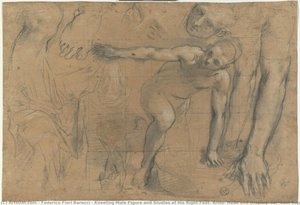
- Cinco estudios de figura masculina y dos de su mano derecha y brazo (Galería Uffizi, Florencia, Italia) - un testimonio de la habilidad de Barocci para capturar la forma humana.
- Estudio de composición (para “Circuncisión”, París, Musée du Louvre) - demuestra su capacidad para equilibrar la composición y la emoción.
- Cabeza de hombre (para “Llamamiento del santo Andrés”, Bruselas, Museos Reales de Bellas Artes de Bélgica) - muestra la atención al detalle y la expresión de Barocci.
- La Natividad (pintura al óleo de 1597 en el Prado).
- Madonna del Popolo (Galería Uffizi, Florencia, Italia).
- La Madonna del Gatto
- El Anuncio (1582)
Evolución Artística y Características
- Barocci se distingue por su transición entre el manierismo tardío y los inicios del barroco.
- Aunque influenciado por Rafael y Correggio, desarrolló un estilo propio caracterizado por una paleta rica y cálida, figuras dinámicas y composiciones dramáticas.
- Su habilidad para combinar la elegancia manierista con una expresividad emocional precursora del barroco lo convierte en una figura clave en la historia del arte italiano.
- Experimentó con el uso de pasteles y óleos en sus estudios preparatorios, siendo uno de los primeros artistas italianos en hacerlo sistemáticamente.
- Su obra refleja un profundo sentido religioso y una sensibilidad hacia la belleza natural.
Impacto Artístico e Influencia
- La influencia de Barocci puede verse en la obra de varios artistas, incluyendo a Peter Paul Rubens, quien se inspiró en el trabajo pictórico dramático y emotivo de Barocci.
- Su legado continúa siendo celebrado a través de sus numerosas obras, ahora alojadas en museos como la Galería Uffizi (Florencia, Italia) y el Musée du Louvre (París, Francia).
- Su capacidad para infundir emoción y dramatismo en sus composiciones sentó las bases para el desarrollo del arte barroco.
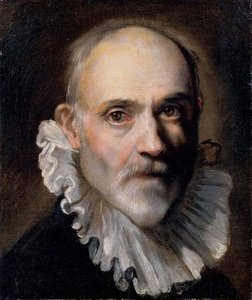
Federico Fiori Barocci
1535 - 1612 , Italia
Datos clave
- Artistas Influenciados Por: ['Peter Paul Rubens']
- Artistas Que Influyeron: ['Battista Franco']
- Fecha De Fallecimiento: 1612
- Fecha De Nacimiento: 1535
- Lugar De Nacimiento: Urbino, Italia
- Movimiento Artístico: Renacimiento, Barroco
- Nacionalidad: Italiana
- Nombre Completo: Federico Fiori Barocci
- Obras Notables:
- La Natividad
- Madonna del Popolo
- Anunciación
- Estudio de composición
Artículos relacionados
Leonardo da Vinci: Las 25 Obras Maestras que Definieron un Genio | ArtsDot
Descubre las 25 obras maestras de Leonardo da Vinci, desde la Mona Lisa hasta La Última Cena. Explora su arte renacentista, técnicas innovadoras y el legado del genio italiano. Reproducciones de alta calidad para decorar tu hogar con belleza y historia en ArtsDot.com.
The Intimate Gaze: Study & Intellectual Pursuit in Western Art
Explore the fascinating history of study and intellectual pursuit in Western art! Discover Renaissance scholars, iconic portraits like Holbein's Erasmus, and Leonardo’s studies – a journey through humanist ideals & artistic mastery. Learn more at ArtsDot.
Federico Zandomeneghi: Bridging Venetian Tradition & Parisian Impressionism
Discover Federico Zandomeneghi (1841-1917), a captivating Italian Impressionist bridging Venetian tradition and Parisian modernity. Explore his intimate scenes, unique style & legacy with ArtsDot.

Alfred Munnings: Las 25 Obras Maestras del Pintor de Caballos | ArtsDot
Descubre las 25 obras maestras de Alfred Munnings, el pintor británico de caballos por excelencia. Explora su impresionismo inglés, escenas campestres y técnica única. Encuentra reproducciones de arte de alta calidad en ArtsDot.com.
Fernand Léger: Las 25 Obras Maestras del Tubismo y la Vanguardia Francesa | ArtsDot
Descubre las 25 obras maestras de Fernand Léger, pionero del tubismo y la vanguardia francesa. Explora su estética industrial, composiciones geométricas y vibrantes colores. Reproducciones de arte exclusivas en ArtsDot.com.