 Ver en contexto
 Enviar
 Compartir
 Detalles

 Descargar
 Similares
 Radiografía
 Presentación de diapositivas
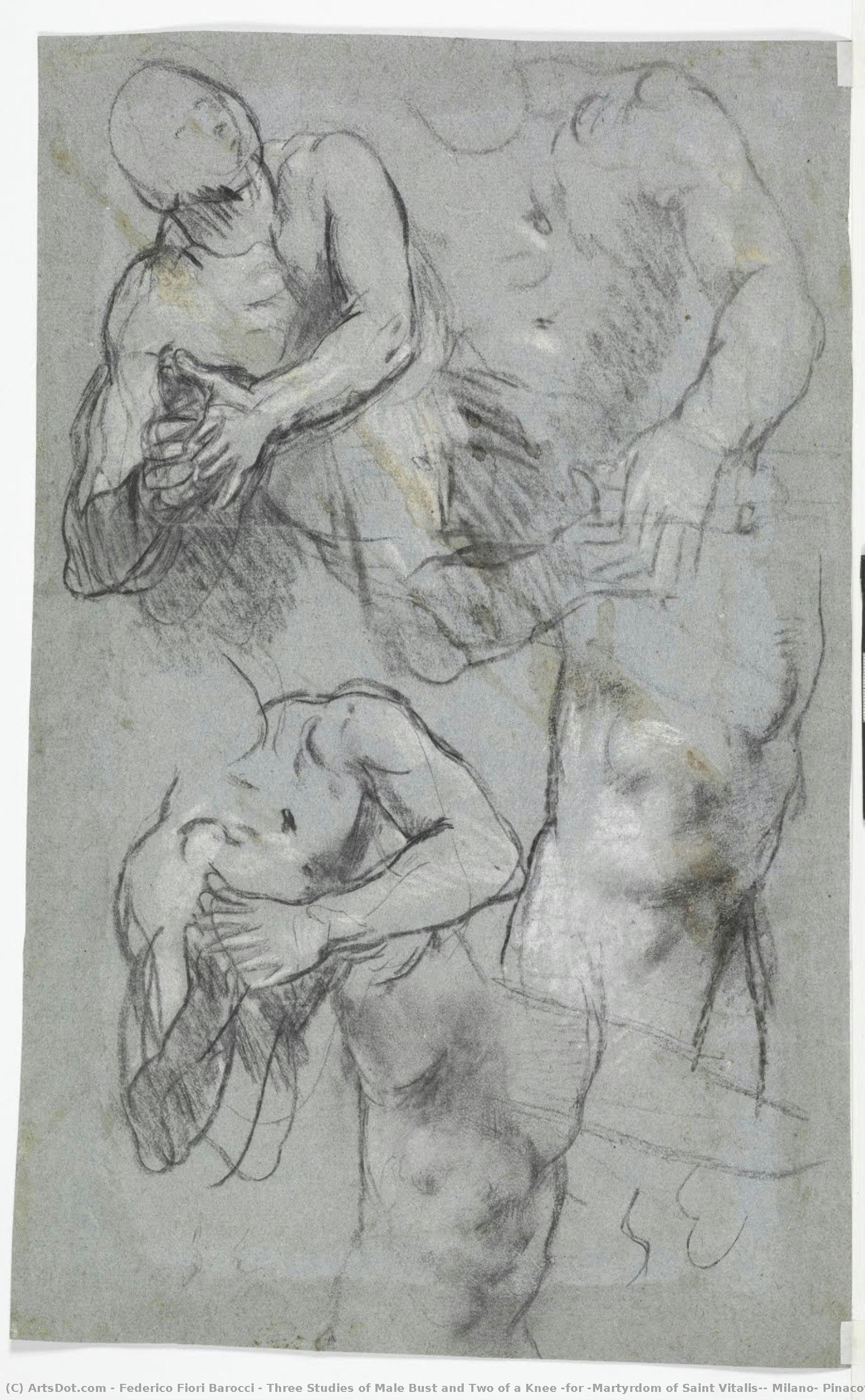
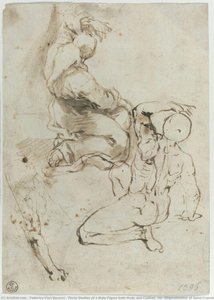
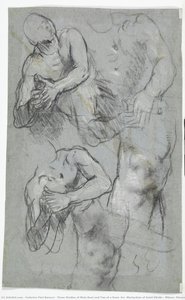
Three Studies of Male Bust and Two of a Knee (for “Martyrdom of Saint Vitalis”, Milano, Pinacoteca di Brera)
 Charcoal
- WallArt
- Renaissance Preparatory
 1583
1583 26.0 x 41.0 cm
 Galería de los Uffizi
 Ver más
Giclée / Impresión de arte
Impresiones giclée o en lienzo de calidad de museo con producción rápida y opciones de acabado flexibles. ( Comprar pintura hecha a mano Comprar imagen)




P118B $10

P118H $10

P118W $10

P438Z $10

P508JH $12

P508YH $12

P805H $10

P805Z $10

P919BZ $10

P919G $10

P919XJ $10

P959ZH $10

P968JZ $12

W106C $8

W218G $10

W218JH $8

W218Y $10

W307PJ $10

W316G $10

W316PJ $8

W316Y $10

W398PJ $8

W4111J $10

W500HY $15

W500JH $15

W692G $12

W849H $8

W940BG $15

W953PJ $8




Elija entre nuestros tamaños predefinidos que respetan las proporciones originales de la obra.

Puede introducir sus propias dimensiones para adaptarse a un marco o espacio específico. Si el tamaño seleccionado no coincide con las proporciones de la imagen original, recortaremos la obra de arte o extenderemos la imagen con un borde con efecto espejo o de color sólido. Se enviará una maqueta digital para su aprobación antes de que comience la producción.
Tenga en cuenta que la vista previa en pantalla no refleja el recorte o la extensión real. Solo la maqueta mostrará con precisión la composición final.
Aunque existen tamaños personalizados, recomendamos seleccionar una dimensión de la lista predefinida para preservar las proporciones originales.
Envío a todo el mundo () en 2 semanas en lugar de las 4/5 semanas estándar. (3 septiembre)

Envío exprés gratuito a todo el mundo

Lienzo de lino de alta calidad

Seguro de envío total

Garantía de reembolso de impuestos aduaneros

Garantía de fidelidad cromática exacta

Política de devolución de 60 días (solo por defectos)

Garantía de devolución del 100% del dinero

Descuento por cantidad
 La opción de vidrio solo está disponible en tamaños inferiores a 110 cm.

Three Studies of Male Bust and Two of a Knee (for “Martyrdom of Saint Vitalis”, Milano, Pinacoteca di Brera)
Giclée / Impresión de arte
Dimensiones de la reproducción
-


Precio total final
$ 62
A Study in Contemplation: Unveiling the Secrets of Barocci’s Preparatory Drawing
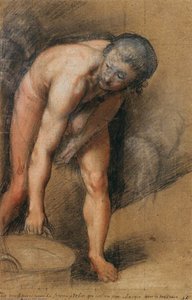
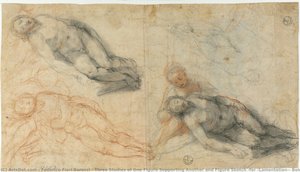
Federico Fiori Barocci's “Three Studies of Male Bust and Two of a Knee,” created in 1583, offers a rare glimpse into the creative process of one of Italy’s most enigmatic Renaissance artists. This preparatory drawing, now housed within the Pinacoteca di Brera in Milan, isn’t merely a sketch; it's a concentrated distillation of Barocci’s artistic vision, brimming with anatomical precision, expressive dynamism, and a profound exploration of human emotion. The work immediately captivates with its stark monochrome palette – shades of gray born from the charcoal or chalk applied to the aged paper – creating an atmosphere of quiet intensity that invites prolonged contemplation.
The composition itself is strikingly unconventional. Two distinct groupings dominate the page, a dynamic interplay of figures engaged in gestures both intimate and fraught with tension. At the top, two men are locked in a powerful embrace, one holding the other’s head – a pose suggesting struggle, vulnerability, or perhaps even a shared secret. Below, a solitary figure kneels in supplication, clasped hands raised towards an unseen deity. This arrangement isn't haphazard; it speaks to Barocci’s deliberate exploration of human interaction and its capacity for both profound connection and agonizing conflict. The lack of background emphasizes the figures themselves, forcing us to confront their emotional weight without distraction.
The Language of Line: Technique and Anatomical Mastery
Barocci's mastery lies not just in his subject matter but also in his extraordinary command of line. Executed with a loose yet remarkably controlled hand, the drawing is built upon a foundation of meticulous observation. Delicate hatching and cross-hatching define the musculature of the figures, revealing an intimate understanding of human anatomy – a hallmark of Barocci’s training under Battista Franco. Yet, these lines aren't rigidly defined; they possess a gestural quality, conveying movement and emotion with subtle shifts in weight and direction. The varying line weights contribute to a sense of depth and volume, suggesting the texture of skin, fabric, and bone.
The technique employed is particularly noteworthy. Barocci’s process involved an extensive series of preparatory sketches – studies of individual poses, lighting effects, and compositional arrangements. This meticulous approach allowed him to refine his vision before committing it to larger canvases. The drawing itself reveals traces of this layered process: subtle variations in line quality, indications of underlying sketches, and a palpable sense of experimentation. The paper’s own texture—its grain and slight imperfections—adds another layer of visual interest, grounding the image in its physical reality.
Symbolism and the Renaissance Soul
Within this seemingly simple drawing reside layers of symbolic meaning. The kneeling figure undoubtedly evokes themes of submission, prayer, or perhaps even sacrifice – a common motif within religious art of the period. However, the embrace between the two men carries a more ambiguous weight. It could represent loyalty, rivalry, or a complex interplay of emotions. Considering Barocci’s work often explored themes of faith and doubt, this drawing may be reflecting on the tension between devotion and earthly desires.
Furthermore, the drawing aligns perfectly with the artistic sensibilities of the late Renaissance – specifically, the influence of artists like Leonardo da Vinci and Michelangelo. The focus on anatomical accuracy, combined with a heightened sense of emotional intensity, reflects a desire to capture not just the outward appearance of the human form but also its inner life. Barocci’s “Three Studies…” is therefore more than just a preparatory sketch; it's a testament to the enduring power of observation and the profound beauty of the human condition.
A Window into a Master’s Studio
This drawing offers a unique opportunity to connect with one of Italy’s most celebrated artists. Barocci’s work foreshadowed the dramatic flair of the Baroque, yet retains a distinctly Renaissance sensibility. The Pinacoteca di Brera holds an exceptional collection of Barocci's drawings, providing invaluable insight into his creative process and artistic development. ArtsDot offers meticulously crafted reproductions that faithfully capture the nuances of this remarkable piece, allowing you to bring its beauty and complexity into your own space.
Obras relacionadas
Biografía del artista
Vida y Formación Temprana
- Nacido: Urbino, Italia (1535)
- Fallecido: 1612
- Federico Fiori Barocci, un pintor y grabador renacentista italiano, nació en 1535 en Urbino, Italia.
- Su nombre original era Federico Fiori, y recibió el apodo "il Baroccio", que significa un carro de dos ruedas tirado por bueyes en los dialectos del noroeste italiano.
- Barocci recibió su primera formación con su padre, Ambrogio Barocci, un escultor de cierta relevancia local.
- Posteriormente, fue aprendiz del pintor Battista Franco en Urbino. Esta formación sentó las bases para su futuro éxito.
Carrera Artística e Influencias
- La obra de Barocci fue muy estimada e influyente, anticipando el estilo barroco de Peter Paul Rubens.
- Trabajó en el prestigioso estudio de Taddeo y Federico Zuccari en Roma, donde estuvo expuesto a diversas influencias artísticas.
- Su primera obra notable fue una San Margarita ejecutada para la confraternidad del Santísimo Sacramento.
- Fue invitado por el Papa Pío IV a ayudar en la decoración del Palacio Belvedere del Vaticano en Roma, donde pintó la Virgen María e Hijo, con varios santos y un techo al fresco, representando el anuncio.
- El estilo de Barocci se caracterizó por una mezcla de elementos manieristas y barrocos.
Obras Destacadas y Legado
- Cinco estudios de figura masculina y dos de su mano derecha y brazo (Galería Uffizi, Florencia, Italia) - un testimonio de la habilidad de Barocci para capturar la forma humana.
- Estudio de composición (para “Circuncisión”, París, Musée du Louvre) - demuestra su capacidad para equilibrar la composición y la emoción.
- Cabeza de hombre (para “Llamamiento del santo Andrés”, Bruselas, Museos Reales de Bellas Artes de Bélgica) - muestra la atención al detalle y la expresión de Barocci.
- La Natividad (pintura al óleo de 1597 en el Prado).
- Madonna del Popolo (Galería Uffizi, Florencia, Italia).
- La Madonna del Gatto
- El Anuncio (1582)
Evolución Artística y Características
- Barocci se distingue por su transición entre el manierismo tardío y los inicios del barroco.
- Aunque influenciado por Rafael y Correggio, desarrolló un estilo propio caracterizado por una paleta rica y cálida, figuras dinámicas y composiciones dramáticas.
- Su habilidad para combinar la elegancia manierista con una expresividad emocional precursora del barroco lo convierte en una figura clave en la historia del arte italiano.
- Experimentó con el uso de pasteles y óleos en sus estudios preparatorios, siendo uno de los primeros artistas italianos en hacerlo sistemáticamente.
- Su obra refleja un profundo sentido religioso y una sensibilidad hacia la belleza natural.
Impacto Artístico e Influencia
- La influencia de Barocci puede verse en la obra de varios artistas, incluyendo a Peter Paul Rubens, quien se inspiró en el trabajo pictórico dramático y emotivo de Barocci.
- Su legado continúa siendo celebrado a través de sus numerosas obras, ahora alojadas en museos como la Galería Uffizi (Florencia, Italia) y el Musée du Louvre (París, Francia).
- Su capacidad para infundir emoción y dramatismo en sus composiciones sentó las bases para el desarrollo del arte barroco.
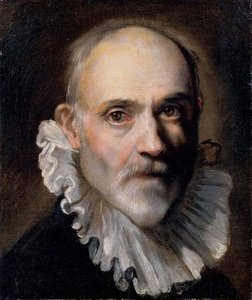
Federico Fiori Barocci
1535 - 1612 , Italia
Datos clave
- Artistas Influenciados Por: ['Peter Paul Rubens']
- Artistas Que Influyeron: ['Battista Franco']
- Fecha De Fallecimiento: 1612
- Fecha De Nacimiento: 1535
- Lugar De Nacimiento: Urbino, Italia
- Movimiento Artístico: Renacimiento, Barroco
- Nacionalidad: Italiana
- Nombre Completo: Federico Fiori Barocci
- Obras Notables:
- La Natividad
- Madonna del Popolo
- Anunciación
- Estudio de composición
Artículos relacionados
The Eloquent Line: Exploring the Artistic Significance of Sketches Across Movements and Media
Explore the profound artistic significance of sketches throughout history. From Renaissance masters to modern innovators like Van Gogh & Guston, discover how these foundational works reveal technique, emotion, and vision. Learn more at ArtsDot.

The Nuances of Graphite: Exploring Emotional Depth & Technical Mastery in Pencil Drawing
Explore the captivating world of graphite drawing! Discover its rich history, master essential techniques like chiaroscuro, and learn how artists evoke emotion through this timeless medium. Expert insights for art enthusiasts.
The Alchemy of Graphite: An Expert Guide to Mastering Detail and Depth in Pencil Sketching
Unlock the secrets of graphite sketching with our expert guide for art students. Learn to master pencil grades, create realistic depth, and capture intricate textures through professional techniques designed to elevate your observational drawing skills.
Discover the Divine: Inspiring Saint Anthony Artworks to Elevate Your Home Decor
Transform your home with the profound beauty of Saint Anthony artworks. Explore exquisite Baroque reproductions by Murillo and Zurbarán, hand-painted on 100% cotton canvas to bring divine serenity and timeless elegance to your interior design.
The Art of the Line: Discover Captivating Drawings to Transform Your Home with Sophisticated Minimalist Elegance
Elevate your home with the profound elegance of fine art drawings. From soulful charcoal sketches to minimalist line art, discover how captivating textures and masterful contours can transform your interior design. Explore expert curation for a sophisticated, meaningful living space.