

 Ver en contexto
 Enviar
 Compartir
 Detalles

 Descargar
 Similares
 Radiografía
 Presentación de diapositivas
 Stats
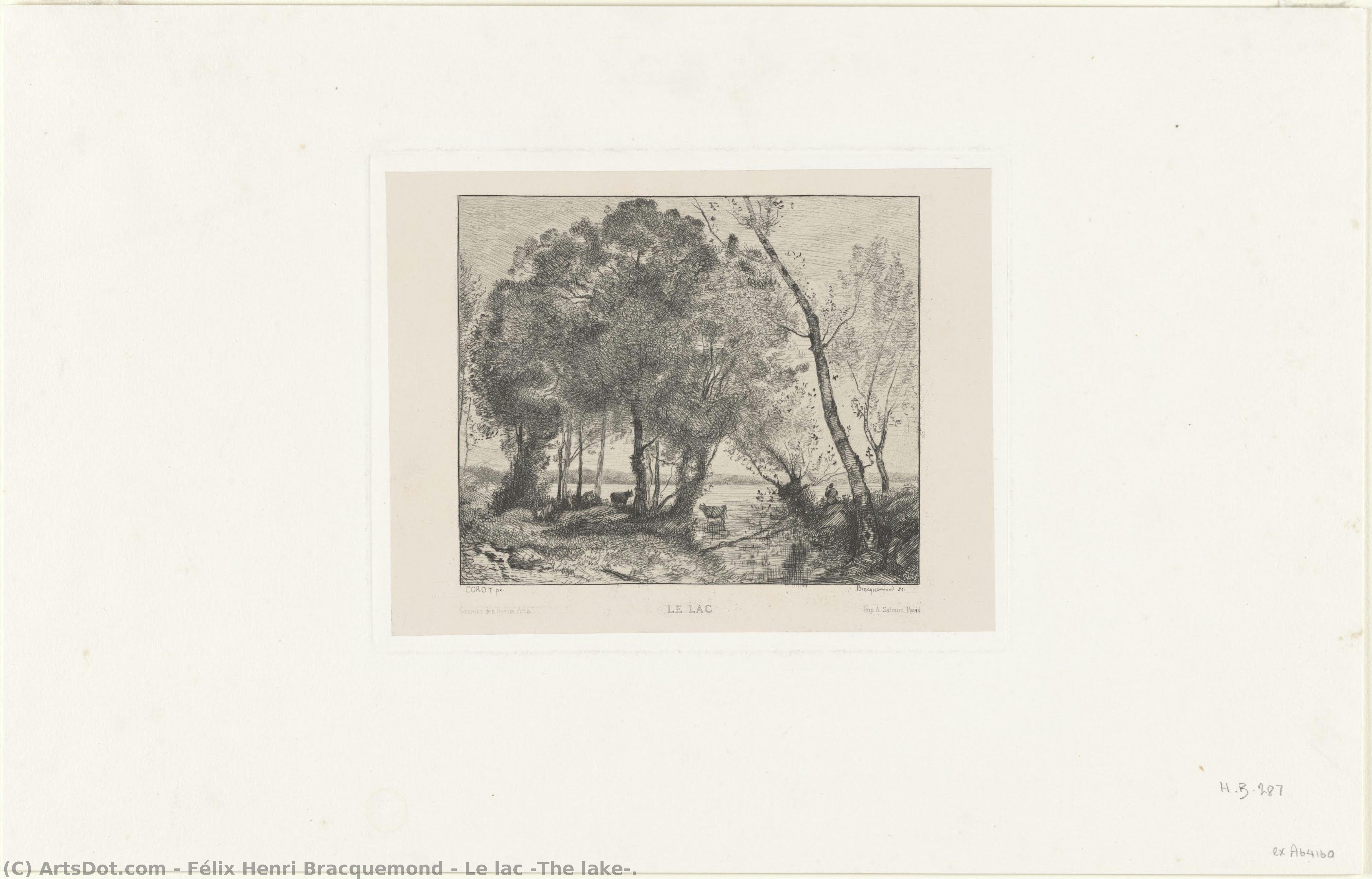
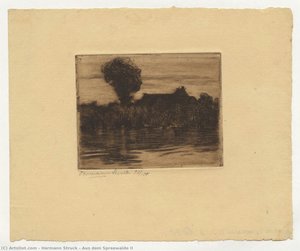
StatsLe lac (The lake).


 Ver más
Reproducción al óleo hecha a mano
Óleo sobre lienzo pintado a mano en el tamaño y marco de su elección, realizado por encargo por nuestros artistas. ( Switch to Print Switch to Digital Image)




































Elija entre nuestros tamaños predefinidos que respetan las proporciones originales de la obra.

Puede ingresar sus propias dimensiones para adaptarse a un marco o espacio específico. Si el tamaño seleccionado no coincide con las proporciones de la imagen original, recortaremos la obra o extenderemos la pintura con elementos adicionales pintados a mano. Se le enviará una maqueta digital para su aprobación antes de comenzar la producción.
Tenga en cuenta que la vista previa en pantalla no refleja el recorte o la extensión reales. Solo la maqueta mostrará con precisión la composición final.
Si bien existen tamaños personalizados, recomendamos seleccionar una dimensión de la lista predefinida para preservar las proporciones originales.
Tras realizar el pedido, el equipo de ArtsDot.com enviará un correo electrónico al cliente para solicitar instrucciones y proporcionarle una vista previa del boceto.
Envío a todo el mundo () en 3-4 semanas en lugar de las 5 semanas estándar. (7 septiembre). Sin comprometer la calidad.

Envío exprés gratuito a todo el mundo

Lienzo de lino de alta calidad

Seguro de envío total

Garantía de reembolso de impuestos aduaneros

Garantía de fidelidad cromática exacta

Política de devolución de 100 días (solo por defectos)

Garantía de devolución del 100% del dinero

Descuento por cantidad
 La opción de vidrio solo está disponible en tamaños inferiores a 110 cm.

Le lac (The lake).
Técnica de reproducción
Dimensiones de la reproducción
-


Precio total final
$ 263
Obras relacionadas

Biografía del artista
Early Life and Artistic Training
Félix Henri Bracquemond (May 22, 1833 – October 29, 1914) was born in Paris, France, amidst a burgeoning artistic landscape. His formative years were marked by exposure to the intellectual ferment of his time—the Enlightenment ideals colliding with Romantic sensibilities—influencing his worldview and shaping his artistic inclinations. Trained initially as a commercial lithographer, Bracquemond honed his technical skills before encountering Joseph Guichard, a pupil of Ingres, who steered him towards painting. This mentorship proved pivotal, fostering an appreciation for line and form that would characterize his distinctive style. Notably, he captured the essence of his grandmother’s portrait at nineteen, securing recognition from Théophile Gautier—a testament to his early talent and artistic vision.The Revival of Engraving and Japonisme
Bracquemond's passion for engraving swiftly eclipsed other pursuits. Inspired by the pioneering efforts of J.A.D. Ingres and fueled by a fascination with Japanese art—specifically Hokusai’s Kachô-ga Manga—he embarked on a transformative journey into intaglio printmaking. His discovery of this genre revolutionized French artistic practice, encouraging luminaries like Édouard Manet, Edgar Degas, and Camille Pissarro to embrace the medium's expressive potential. Bracquemond championed innovative techniques, meticulously crafting tonal variations and capturing subtle nuances—a departure from prevailing academic conventions. He became a fervent advocate for printmaking’s role in artistic discourse, establishing *L'Estampe originale* alongside Daniel Vierge and Tony Beltrand to disseminate knowledge about the art form and its evolving trends.Collaboration with Impressionists and Decorative Design
Bracquemond’s friendship extended beyond artistic circles; he cultivated relationships with writers like Auguste Poulet-Malassis, Jules Barbey d'Aurevilly, Gustave Geffroy, Félix Nadar, and Henri Rivière—all figures integral to the Parisian intellectual milieu. He actively mentored artists such as Jean-Baptiste Corot, Édouard Manet, Edgar Degas, and Camille Pissarro, guiding them toward mastering engraving techniques. His influence resonated deeply within the Impressionist movement, shaping their aesthetic sensibilities and bolstering their commitment to capturing fleeting moments of perception. Furthermore, Bracquemond’s inventive spirit found expression in ceramic design—commissioned by Eugène Rousseau—where he pioneered a distinctive Japonisme style that signaled the arrival of this Eastern artistic tradition in France. His designs incorporated motifs inspired by Japanese prints, reflecting his profound appreciation for visual harmony and textural richness.Notable Achievements and Legacy
Bracquemond’s prolific output spanned over eight hundred etchings—a remarkable feat considering the era—demonstrating unparalleled dedication to his craft. His oeuvre encompassed portraits, landscapes, scenes of urban life, and reinterpretations of paintings by masters like Turner, Ingres, Manet, and Corot. He achieved critical acclaim for his tonal mastery and meticulous attention to detail, establishing himself as a cornerstone of French printmaking history. Beyond his artistic accomplishments, Bracquemond’s advocacy for engraving served as an impetus for the broader Impressionist movement—solidifying his position as a pivotal figure in shaping 19th-century art and culture. His legacy continues to inspire artists today, reminding us of the transformative power of experimentation and the enduring beauty of visual storytelling.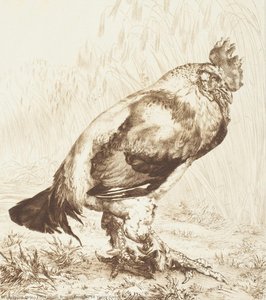
Félix Henri Bracquemond
1833 - 1914 , Francia
Datos clave
- Artistic Movement Or Style: Impresionismo, Japonismo
- Artists Or Movements Influenced By This Artist: ['Édouard Manet']
- Artists Who Influenced This Artist:
- Jean-Baptiste Corot
- Joseph Guichard
- Date Of Birth: Mayo 22, 1833
- Date Of Death: Octubre 29, 1914
- Full Name: Félix Henri Bracquemond
- Nationality: Francés
- Notable Artworks:
- Sugar bowl
- Le lac (The lake)
- El Viejo Coq (The Old Rooster)
- Place Of Birth: París, Francia