 Ver en contexto
 Enviar
 Compartir
 Detalles

 Descargar
 Similares
 Radiografía
 Presentación de diapositivas
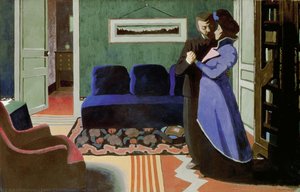
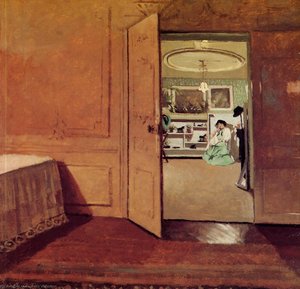
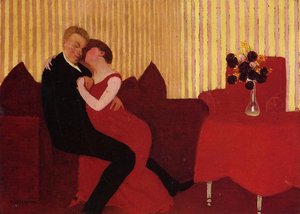
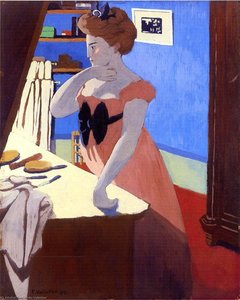
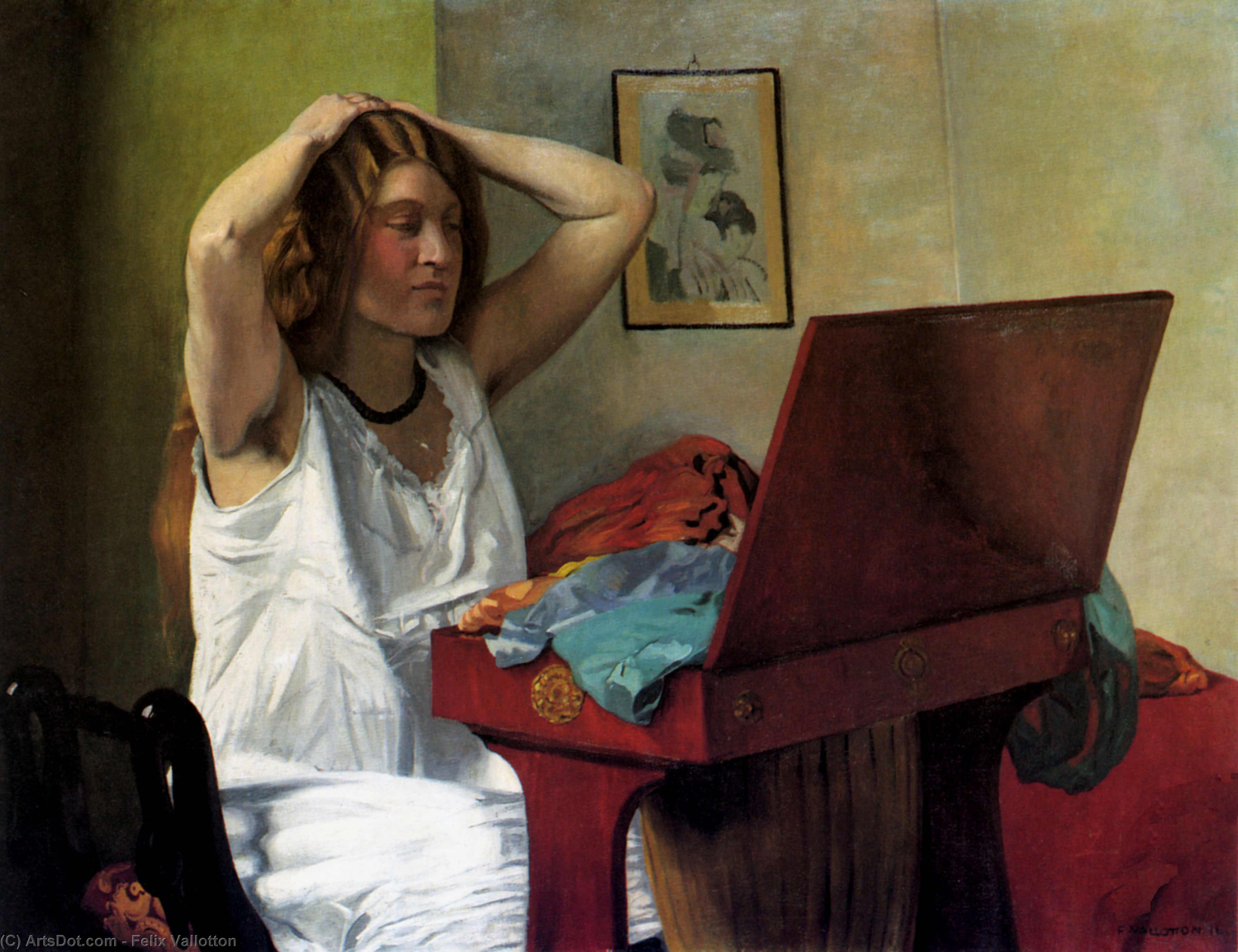
Coquettery
 Oil On Canvas
- WallArt
- Post-Impressionism
 1911
1911- Modern
 99.0 x 116.0 cm
 Ver más
Giclée / Impresión de arte
Impresiones giclée o en lienzo de calidad de museo con producción rápida y opciones de acabado flexibles. ( Comprar pintura hecha a mano Comprar imagen)




P118B $10

P118H $10

P118W $10

P438Z $10

P508JH $12

P508YH $12

P805H $10

P805Z $10

P919BZ $10

P919G $10

P919XJ $10

P959ZH $10

P968JZ $12

W106C $8

W218G $10

W218JH $8

W218Y $10

W307PJ $10

W316G $10

W316PJ $8

W316Y $10

W398PJ $8

W4111J $10

W500HY $15

W500JH $15

W692G $12

W849H $8

W940BG $15

W953PJ $8




Elija entre nuestros tamaños predefinidos que respetan las proporciones originales de la obra.

Puede introducir sus propias dimensiones para adaptarse a un marco o espacio específico. Si el tamaño seleccionado no coincide con las proporciones de la imagen original, recortaremos la obra de arte o extenderemos la imagen con un borde con efecto espejo o de color sólido. Se enviará una maqueta digital para su aprobación antes de que comience la producción.
Tenga en cuenta que la vista previa en pantalla no refleja el recorte o la extensión real. Solo la maqueta mostrará con precisión la composición final.
Aunque existen tamaños personalizados, recomendamos seleccionar una dimensión de la lista predefinida para preservar las proporciones originales.
Envío a todo el mundo () en 2 semanas en lugar de las 4/5 semanas estándar. (6 septiembre)

Envío exprés gratuito a todo el mundo

Lienzo de lino de alta calidad

Seguro de envío total

Garantía de reembolso de impuestos aduaneros

Garantía de fidelidad cromática exacta

Política de devolución de 100 días (solo por defectos)

Garantía de devolución del 100% del dinero

Descuento por cantidad
 La opción de vidrio solo está disponible en tamaños inferiores a 110 cm.

Coquettery
Giclée / Impresión de arte
Dimensiones de la reproducción
-


Precio total final
$ 62
A Moment Captured in Intimacy
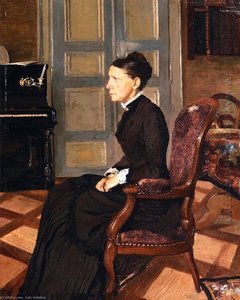
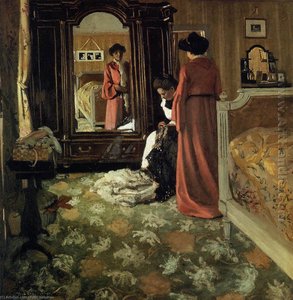
In the quiet, sun-dappled corners of a private residence, Félix Vallotton captures a scene of profound, silent emotion in his 1911 masterpiece, Coquettery. The painting presents us with a woman seated at a piano, her fingers poised over the keys, yet her attention is momentarily diverted. She gazes upward, lost in a fleeting thought or perhaps listening to a distant melody that exists only in her mind. This sense of suspended animation—a breath held between notes—is what makes the work so deeply captivating. The room around her, filled with the comfortable weight of domestic life, feels both expansive and intensely private, inviting the viewer to step into this serene, interior world.
The composition is a masterclass in the art of Intimism, a style that Vallotton helped define through his ability to find the extraordinary within the ordinary. The arrangement of the furniture—the chairs flanking the subject, the couches receding into the background, and the delicate placement of a vase—creates a structured yet naturalistic environment. Every element, from the ticking clock on the wall to the unexpected presence of a small bird perched in the upper corner, contributes to a narrative of domestic harmony and subtle mystery. For the collector or interior designer, this piece offers a sophisticated focal point that brings a sense of calm, intellectual depth, and historical elegance to any curated space.
Technique and the Language of Light
Vallotton’s technique in Coquettery reflects his unique position at the crossroads of Post-Impressionism and modern graphic clarity. Eschewing the frantic brushwork of some of his contemporaries, he employs a more controlled, deliberate application of paint that emphasizes form and volume. The interplay of light and shadow is not merely decorative but structural; it defines the contours of the woman’s figure and gives weight to the objects within the room. This careful manipulation of light creates a soft, atmospheric quality that wraps the scene in a nostalgic glow, reminiscent of a cherished memory.
The color palette is sophisticated and restrained, utilizing muted tones that allow the subtle shifts in texture and light to take center stage. There is a rhythmic balance between the solid, dark shapes of the furniture and the lighter, more ethereal areas of the room, which guides the eye gracefully across the canvas. This mastery of composition ensures that even when viewed as a reproduction, the painting retains its powerful emotional resonance and its ability to command attention through quiet strength rather than loud spectacle.
A Legacy of Emotional Depth
Beyond its aesthetic beauty, Coquettery serves as a window into the psychological complexity of the early 20th century. Vallotton was a master at depicting the "unspoken"—the subtle tensions and fleeting glances that define human relationships. The title itself suggests a playful or flirtatious undertone, yet the painting’s execution is much more contemplative. It explores the boundary between the public persona and the private self, a theme that remains timelessly relevant.
For those seeking to adorn their homes with art that inspires reflection, this work offers an unparalleled opportunity. It is a piece that does not demand attention through aggression but earns it through its grace and complexity. Whether placed in a contemporary minimalist setting or a more traditional, classical study, a high-quality reproduction of Vallotton’s Coquettery brings with it a rich historical lineage and an enduring sense of peace, making it a profound addition to any serious art collection.
Obras relacionadas
Biografía del artista
Primeros años y formación
Félix Édouard Vallotton, pintor e impresor suizo/francés, nació el 28 de diciembre de 1865 en Lausana, Suiza. Asistió al Collège Cantonal, obteniendo un título en estudios clásicos en 1882. Ese mismo año, se trasladó a París para estudiar arte bajo la tutela de Jules Joseph Lefebvre y Gustave Boulanger en la Académie Julian.Estilo artístico e influencias
Las primeras pinturas de Vallotton, principalmente retratos, están firmemente arraigadas en la tradición académica. Sin embargo, su estilo evolucionó rápidamente, influenciado por el postimpresionismo, el simbolismo y, especialmente, la xilografía japonesa. Enfatizó el contorno y los patrones planos, eliminando las gradaciones y el modelado tradicionalmente producidos mediante sombreado. Buscó simplificar las formas y colores, creando imágenes con una fuerte presencia gráfica.Obras destacadas
- Intimités (Intimidades), una serie de diez interiores publicados en 1898, que abordan la tensión entre hombres y mujeres en el ámbito doméstico.
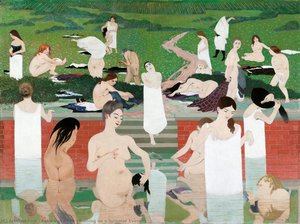
- Bañistas en una noche de verano (1892–93), actualmente en el Kunsthaus Zúrich. Esta obra ejemplifica su interés por representar figuras humanas en entornos naturales con un estilo simplificado y expresivo.
- Luz de luna (1895), en el Musée d'Orsay. Esta pintura muestra su habilidad para capturar la atmósfera y la emoción a través del uso sutil del color y la luz.
Asociación con Les Nabis y obra posterior
A partir de 1892, Vallotton se afilió a Les Nabis, un grupo de jóvenes artistas que incluía a Pierre Bonnard, Ker-Xavier Roussel, Maurice Denis y Édouard Vuillard. Sus pinturas reflejaron el estilo de sus xilografías, con áreas planas de color, bordes duros y simplificación del detalle. Su trabajo posterior incluyó retratos altamente acabados, desnudos y paisajes pintados de memoria, mostrando una mayor madurez técnica y expresiva.Legado e influencia
El arte gráfico de Vallotton alcanzó su máximo desarrollo a finales de la década de 1890, siendo ampliamente difundido en periódicos y libros tanto en Europa como en los Estados Unidos. Su influencia puede verse en la obra de Edvard Munch, Aubrey Beardsley y Ernst Ludwig Kirchner. Vallotton es recordado por su contribución al desarrollo del arte moderno, particularmente a través de sus innovadoras xilografías que combinan elementos de realismo y simbolismo. Enlaces clave: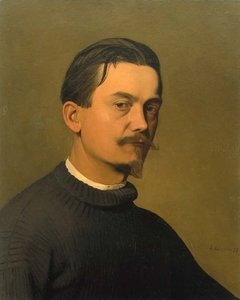
Félix Vallotton
1865 - 1925 , Suiza
Datos clave
- Artistas Influenciados:
- Edvard Munch
- Aubrey Beardsley
- Ernst Ludwig Kirchner
- Artistas Que Influyeron:
- Holbein
- Ingres
- Leonardo da Vinci
- Fecha De Fallecimiento: 29 de diciembre de 1925
- Fecha De Nacimiento: 28 de diciembre de 1865
- Lugar De Nacimiento: Lausana, Suiza
- Movimiento Artístico: Postimpresionismo, Simbolismo
- Nacionalidad: Suizo/Francés
- Nombre Completo: Félix Vallotton
- Obras Notables:
- Intimités (Intimacies)
- Bañistas en una noche de verano
- Luz de luna
Artículos relacionados
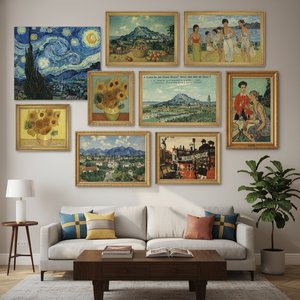
Los 10 Maestros del Postimpresionismo: Obras que Revolucionaron el Arte |
Descubre los 10 cuadros más influyentes del Postimpresionismo: Van Gogh, Monet, Cézanne y más. Explora la historia, técnica y significado de estas obras maestras. Reproducciones de arte en para decorar tu hogar con estilo.
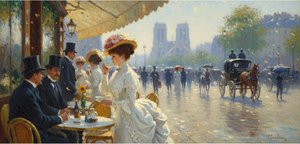
Impressionistic Realism's Finest: 10 Masterpieces for Your Home | ArtsDot
Journey through Impressionistic Realism with 10 iconic masterpieces by Monet, Renoir & Van Gogh. Explore art history, techniques & find museum-quality reproductions for your home at ArtsDot.com. Discover all masterpieces online!
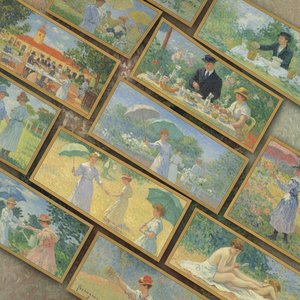
Renoir: Las 25 Obras Maestras del Impresionismo para Decorar tu Hogar con Arte
Descubre las 25 obras maestras de Renoir, el rey del impresionismo. Explora su técnica, historia y significado en cada pintura. Encuentra reproducciones de arte de alta calidad para decorar tu hogar con ArtsDot.com.

Los 10 Maestros del Paisaje Impresionista: Obras que Cambiaron la Historia del Arte
Descubre los 10 lienzos impresionistas que revolucionaron el arte. Explora la historia de Monet, Van Gogh y Renoir, sus técnicas y colores vibrantes. Encuentra reproducciones de alta calidad para decorar tu hogar en ArtsDot.com
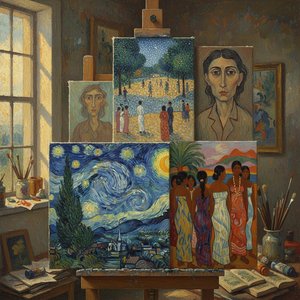
Más Allá del Impresionismo: Profundizando en la Emoción y el Simbolismo Postimpresionista
Descubre la profundidad emocional y el simbolismo del Postimpresionismo con ArtsDot. Análisis experto de Cézanne, Van Gogh, Gauguin y más. Explora la historia y el legado de este fascinante movimiento artístico.