

 Ver en contexto
 Enviar
 Compartir
 Detalles

 Descargar
 Similares
 Radiografía
 Presentación de diapositivas
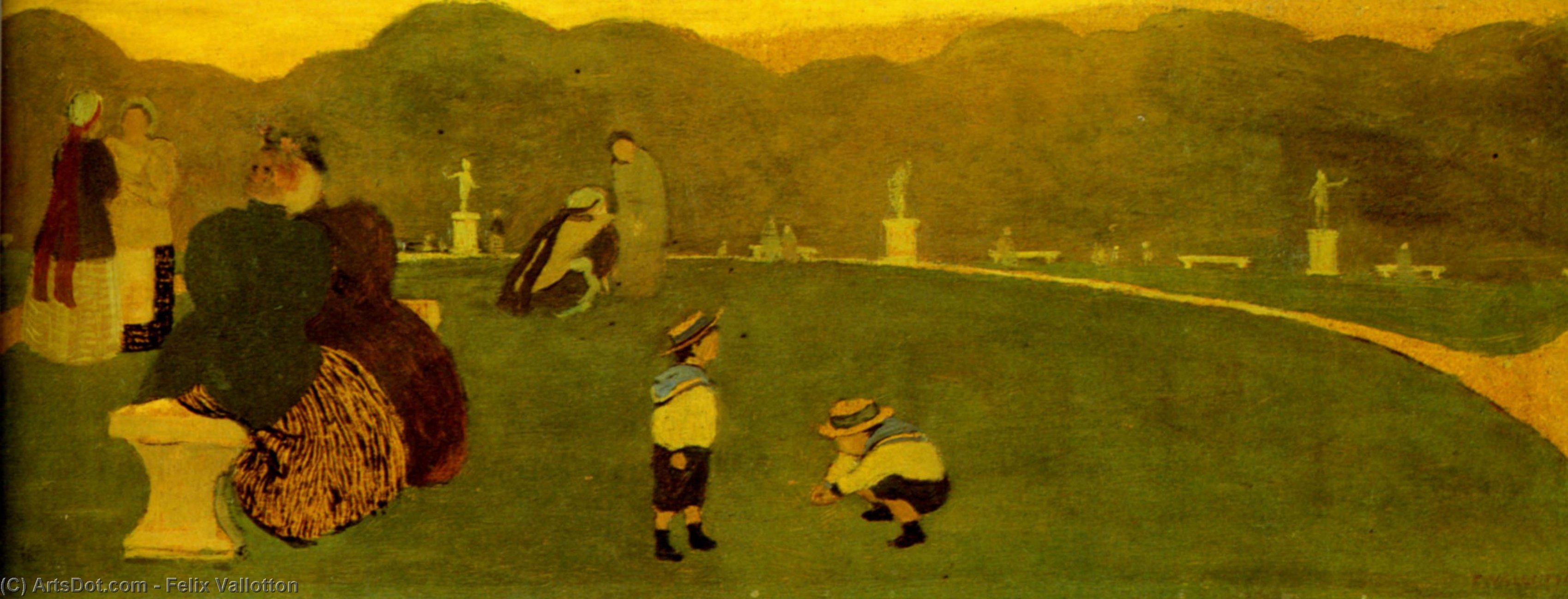
The Garden of Luxembourg
 Oil
Oil- WallArt
- Post-Impressionism
 1893
1893- 19th Century
 18.0 x 48.0 cm
 Ver más
Adquiera una imagen digital de alta resolución y optimizada, muy superior a la vista previa en línea.
Cada archivo es preparado meticulosamente por nuestros especialistas internos mediante el uso de herramientas avanzadas y un experto retoque manual. Nos aseguramos de que cada imagen posea una claridad excepcional, una precisión cromática impecable y un detalle minucioso.
El archivo final se entrega por correo electrónico en un plazo de 72 horas, optimizado para su uso inmediato en entornos profesionales, editoriales y de impresión. Esta es la misma calidad en la que confían los estudios de diseño, las editoriales y las galerías de primer nivel.
Imagen Digital
Descarga un archivo de alta resolución para exhibición personal, impresión y proyectos creativos. ( Comprar impresión Comprar pintura hecha a mano)
Incluido en cada pedido de imágenes digitales
Entrega digital experta, garantizada.
Al elegir ArtsDot.com, no solo está adquiriendo una imagen; está recibiendo una obra de arte digital mejorada profesionalmente, elaborada con precisión y respaldada por una garantía de satisfacción. Esto es todo lo que incluye su pedido, automáticamente:

Entrega rápida por email
Recibirá su archivo de imagen digital en alta resolución por correo electrónico en un plazo de 72 horas tras realizar su pedido, listo para su uso inmediato.

Archivo digital optimizado por IA
Su obra de arte se optimiza profesionalmente mediante herramientas avanzadas de IA y edición manual, garantizando el máximo detalle, claridad y precisión cromática.

Reenvío gratuito de por vida
¿Has borrado o perdido tu archivo por error? No te preocupes: te lo volveremos a enviar en cualquier momento, sin coste adicional.

Sin gastos de importación, siempre
Disfrute de su obra de arte al instante sin aduanas, aranceles ni gastos de envío; las descargas digitales siempre están libres de impuestos.

Garantía de fidelidad de color
Garantizamos que su imagen digital refleje los colores originales con la mayor fidelidad posible, mediante el uso de herramientas profesionales y gestión del color.

Garantía de satisfacción de 100 días
Si no está satisfecho con su imagen digital, la revisaremos o le reembolsaremos el 100% en un plazo de 100 días, sin preguntas.

100% Garantía de devolución de dinero
¿No está satisfecho? Obtenga un reembolso completo dentro de los 100 días posteriores a la recepción de su archivo digital, sin necesidad de explicaciones.

Descuentos por pedidos grandes
Compra 3 imágenes, ahorra 10% - Compra 5, ahorra 15% - Compra 10+, ahorra 20%. Ideal para proyectos creativos, galerías y agencias.
A Serene Moment Captured in Time
In the quiet corners of late nineteenth-century Paris, there existed moments of profound stillness amidst the burgeoning energy of the modern age. Félix Vallotton’s 1893 masterpiece, The Garden of Luxembourg, serves as a breathtaking window into such an era. This exquisite painting invites the viewer to step into a lush, verdant sanctuary where the frantic pace of urban life dissolves into a rhythmic, peaceful coexistence with nature. The scene unfolds across a sprawling field, populated by figures who seem caught in a delicate dance of leisure. Some wander aimlessly through the greenery, while others find repose on weathered benches, their silhouettes blending harmoniously with the landscape. A solitary bird glides through the sky above, a subtle yet poignant reminder of the living, breathing vitality that permeates this tranquil setting.
The composition is masterfully orchestrated to guide the eye through a narrative of relaxation and contemplation. Vallotton utilizes a sophisticated sense of depth, placing certain figures in the immediate foreground to create an intimate connection with the observer, while others recede into the soft, leafy backdrop of distant trees. This layering technique does more than just create perspective; it builds a world that feels both expansive and incredibly private. For the discerning collector or interior designer, this piece offers a unique sense of spatial expansion, making it an ideal centerpiece for rooms intended to evoke calm, sophistication, and a connection to the natural world.
The Mastery of Vallotton’s Technique
Félix Vallotton was a virtuoso of the fin de siècle style, known for his ability to blend structural precision with an almost poetic atmosphere. In The Garden of Luxembourg, one can observe his signature approach to form and light. His technique avoids the chaotic brushwork of some of his contemporaries, opting instead for a more controlled, deliberate application that emphasizes the shapes of the trees and the gentle contours of the human figures. The interplay of light across the field creates a soft, dappity effect, suggesting the filtered sunlight of a late afternoon. This careful manipulation of tone lends the work a dreamlike quality, where the boundaries between reality and impression begin to blur.
The color palette is a masterclass in understated elegance. Earthy greens, deep shadows, and the soft hues of the Parisian sky work in concert to establish a mood of enduring serenity. There is no jarring discord here; every pigment serves the greater purpose of maintaining the painting's equilibrium. This balance makes the artwork exceptionally versatile for high-end decor, as it complements both classical and contemporary interior aesthetics without overwhelming the surrounding space. It provides a sophisticated focal point that whispers rather than shouts, inviting long periods of quiet study and emotional resonance.
A Legacy of Peace and Presence
Beyond its aesthetic brilliance, this work carries a profound symbolic weight. The Garden of Luxembourg acts as a metaphor for the sanctuary of the human spirit—a place where one can retreat from the complexities of society to find clarity in simplicity. The figures within the painting, though anonymous, represent a universal human desire for connection with both nature and oneself. To possess a reproduction of this work is to bring a piece of this historical tranquility into the modern home, offering a constant reminder of the beauty found in stillness.
For those seeking to curate an environment of refinement and emotional depth, Vallotton’s vision offers unparalleled inspiration. Whether placed in a sunlit study or a grand living area, The Garden of Luxembourg acts as a portal to a more graceful time, enriching any space with its timeless charm and the quiet dignity of the late nineteenth-century French landscape.
Obras relacionadas
Biografía del artista
Primeros años y formación
Félix Édouard Vallotton, pintor e impresor suizo/francés, nació el 28 de diciembre de 1865 en Lausana, Suiza. Asistió al Collège Cantonal, obteniendo un título en estudios clásicos en 1882. Ese mismo año, se trasladó a París para estudiar arte bajo la tutela de Jules Joseph Lefebvre y Gustave Boulanger en la Académie Julian.Estilo artístico e influencias
Las primeras pinturas de Vallotton, principalmente retratos, están firmemente arraigadas en la tradición académica. Sin embargo, su estilo evolucionó rápidamente, influenciado por el postimpresionismo, el simbolismo y, especialmente, la xilografía japonesa. Enfatizó el contorno y los patrones planos, eliminando las gradaciones y el modelado tradicionalmente producidos mediante sombreado. Buscó simplificar las formas y colores, creando imágenes con una fuerte presencia gráfica.Obras destacadas
- Intimités (Intimidades), una serie de diez interiores publicados en 1898, que abordan la tensión entre hombres y mujeres en el ámbito doméstico.
- Bañistas en una noche de verano (1892–93), actualmente en el Kunsthaus Zúrich. Esta obra ejemplifica su interés por representar figuras humanas en entornos naturales con un estilo simplificado y expresivo.
- Luz de luna (1895), en el Musée d'Orsay. Esta pintura muestra su habilidad para capturar la atmósfera y la emoción a través del uso sutil del color y la luz.
Asociación con Les Nabis y obra posterior
A partir de 1892, Vallotton se afilió a Les Nabis, un grupo de jóvenes artistas que incluía a Pierre Bonnard, Ker-Xavier Roussel, Maurice Denis y Édouard Vuillard. Sus pinturas reflejaron el estilo de sus xilografías, con áreas planas de color, bordes duros y simplificación del detalle. Su trabajo posterior incluyó retratos altamente acabados, desnudos y paisajes pintados de memoria, mostrando una mayor madurez técnica y expresiva.Legado e influencia
El arte gráfico de Vallotton alcanzó su máximo desarrollo a finales de la década de 1890, siendo ampliamente difundido en periódicos y libros tanto en Europa como en los Estados Unidos. Su influencia puede verse en la obra de Edvard Munch, Aubrey Beardsley y Ernst Ludwig Kirchner. Vallotton es recordado por su contribución al desarrollo del arte moderno, particularmente a través de sus innovadoras xilografías que combinan elementos de realismo y simbolismo. Enlaces clave: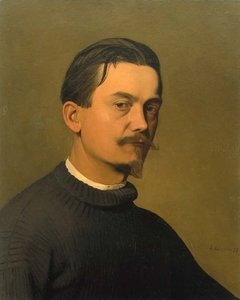
Félix Vallotton
1865 - 1925 , Suiza
Breves datos
- Artistas Influenciados:
- Edvard Munch
- Aubrey Beardsley
- Ernst Ludwig Kirchner
- Artistas Que Influyeron:
- Holbein
- Ingres
- Leonardo da Vinci
- Fecha De Fallecimiento: 29 de diciembre de 1925
- Fecha De Nacimiento: 28 de diciembre de 1865
- Lugar De Nacimiento: Lausana, Suiza
- Movimiento Artístico: Postimpresionismo, Simbolismo
- Nacionalidad: Suizo/Francés
- Nombre Completo: Félix Vallotton
- Obras Notables:
- Intimités (Intimacies)
- Bañistas en una noche de verano
- Luz de luna