 Ver en contexto
 Enviar
 Compartir
 Detalles

 Descargar
 Similares
 Radiografía
 Presentación de diapositivas
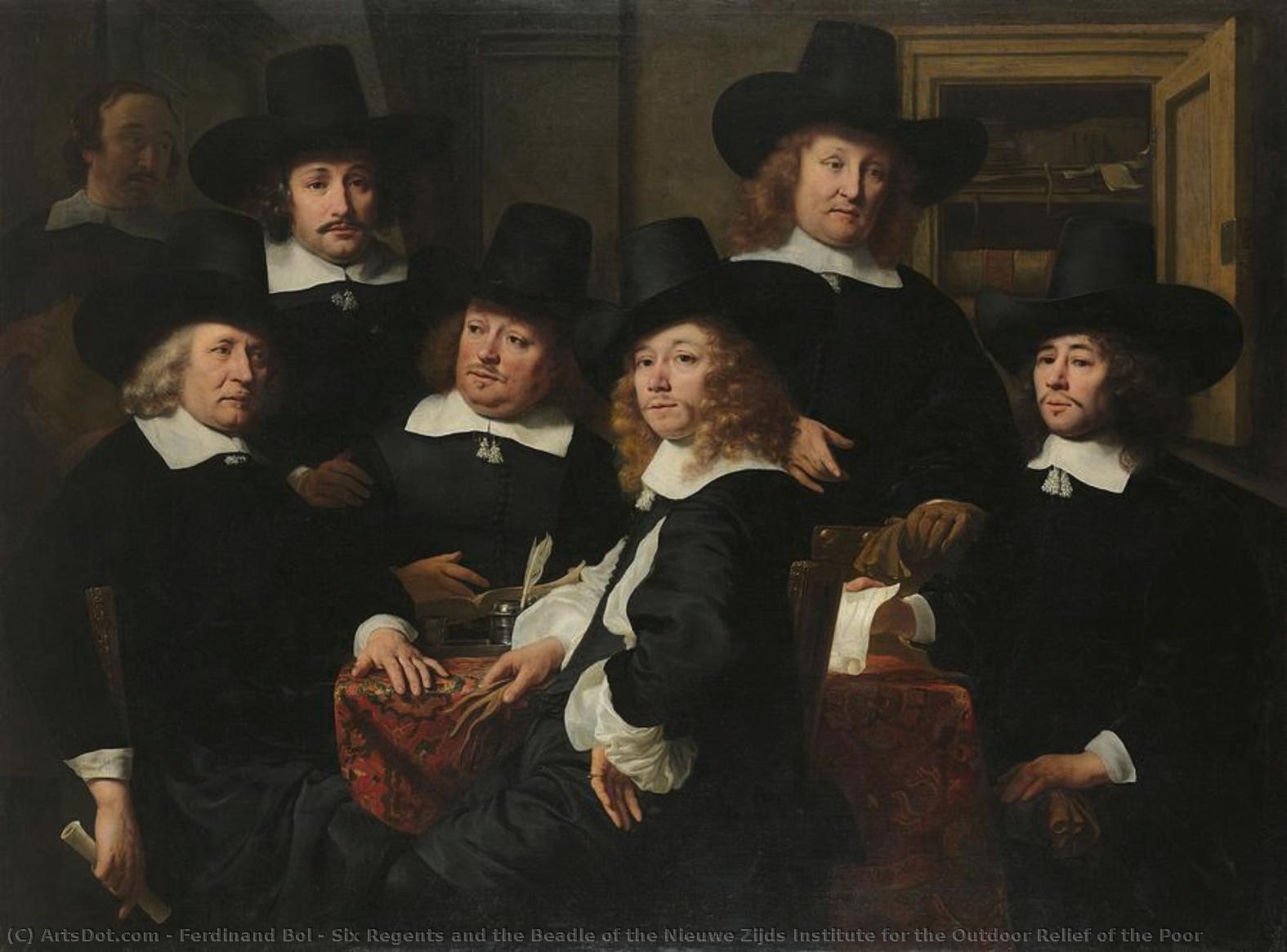
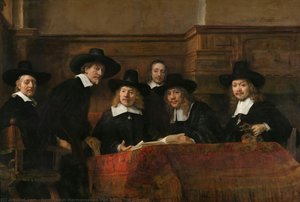
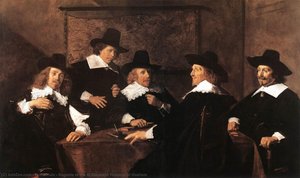
Six Regents and the Beadle of the Nieuwe Zijds Institute for the Outdoor Relief of the Poor


 Ver más
Giclée / Impresión de arte
Impresiones giclée o en lienzo de calidad de museo con producción rápida y opciones de acabado flexibles. ( Comprar pintura hecha a mano Comprar imagen)




P118B $10

P118H $10

P118W $10

P438Z $10

P508JH $12

P508YH $12

P805H $10

P805Z $10

P919BZ $10

P919G $10

P919XJ $10

P959ZH $10

P968JZ $12

W106C $8

W218G $10

W218JH $8

W218Y $10

W307PJ $10

W316G $10

W316PJ $8

W316Y $10

W398PJ $8

W4111J $10

W500HY $15

W500JH $15

W692G $12

W849H $8

W940BG $15

W953PJ $8




Elija entre nuestros tamaños predefinidos que respetan las proporciones originales de la obra.

Puede introducir sus propias dimensiones para adaptarse a un marco o espacio específico. Si el tamaño seleccionado no coincide con las proporciones de la imagen original, recortaremos la obra de arte o extenderemos la imagen con un borde con efecto espejo o de color sólido. Se enviará una maqueta digital para su aprobación antes de que comience la producción.
Tenga en cuenta que la vista previa en pantalla no refleja el recorte o la extensión real. Solo la maqueta mostrará con precisión la composición final.
Aunque existen tamaños personalizados, recomendamos seleccionar una dimensión de la lista predefinida para preservar las proporciones originales.
Envío a todo el mundo () en 2 semanas en lugar de las 4/5 semanas estándar. (6 septiembre)

Envío exprés gratuito a todo el mundo

Lienzo de lino de alta calidad

Seguro de envío total

Garantía de reembolso de impuestos aduaneros

Garantía de fidelidad cromática exacta

Política de devolución de 100 días (solo por defectos)

Garantía de devolución del 100% del dinero

Descuento por cantidad
 La opción de vidrio solo está disponible en tamaños inferiores a 110 cm.

Six Regents and the Beadle of the Nieuwe Zijds Institute for the Outdoor Relief of the Poor
Giclée / Impresión de arte
Dimensiones de la reproducción
-


Precio total final
$ 62
A Window into Dutch Society: Ferdinand Bol’s “Six Regents and the Beadle”
Ferdinand Bol's "Six Regents and the Beadle of the Nieuwe Zijds Institute for the Outdoor Relief of the Poor," painted in 1657, offers a remarkably intimate glimpse into the civic life and burgeoning prosperity of Amsterdam during the Dutch Golden Age. More than just a portrait, it’s a carefully constructed tableau that speaks volumes about social hierarchy, charitable endeavors, and the evolving role of government in the lives of its citizens. Bol, a student and later protégé of Rembrandt, masterfully captures not only the physical likenesses of these influential figures but also their collective demeanor – an air of dignified seriousness tempered with subtle camaraderie. The painting’s setting within the Nieuwe Zijds Institute, dedicated to providing aid to the impoverished, immediately establishes its subject matter: a scene of benevolent governance and public service.Composition and Technique - Rembrandt's Shadow
Bol’s style is undeniably rooted in the lessons he learned from Rembrandt, yet he quickly developed his own distinct approach. The painting showcases Bol’s remarkable ability to render texture and light – particularly evident in the richly draped clothing of the Regents and Beadle. Notice how he uses subtle variations in tone and shadow to create a sense of volume and depth, mimicking the effects of chiaroscuro so characteristic of Rembrandt's work. The composition is carefully balanced, with the figures arranged around a central point, drawing the viewer’s eye through the scene. The use of a relatively shallow space contributes to the feeling of immediacy, as if we are witnessing this meeting unfold before us. Bol’s brushwork is precise yet fluid, demonstrating both technical skill and an understanding of how to convey mood and character. The muted color palette – dominated by browns, grays, and creams – reinforces the seriousness of the occasion while also reflecting the prevailing aesthetic sensibilities of the time.Symbolism and Social Commentary
Beyond its surface appearance as a portrait group, “Six Regents and the Beadle” is laden with symbolic meaning. The six Regents themselves represented the governing body of Amsterdam, responsible for overseeing various aspects of city life – finance, justice, defense, and so on. Their formal attire, complete with black hats and elaborate collars, signifies their elevated status and authority. The presence of the Beadle, a senior official who served as secretary to the Regents, further emphasizes the hierarchical structure of the institution. The inclusion of the Nieuwe Zijds Institute’s building in the background subtly highlights the purpose of this gathering – the distribution of alms and assistance to the poor. Bol doesn't depict overt poverty or suffering; instead, he presents a scene of dignified interaction, suggesting that charitable work is conducted with respect and order. The subtle smiles exchanged between some of the Regents hint at a shared sense of responsibility and perhaps even a touch of personal connection.A Reflection of a Thriving Republic
“Six Regents and the Beadle” offers a valuable window into the social, political, and economic landscape of 17th-century Amsterdam – a city that was rapidly becoming one of Europe’s wealthiest and most influential centers. The Dutch Republic's success was built on maritime trade, religious tolerance, and a commitment to civic virtue. This painting reflects these values, portraying a government actively engaged in addressing the needs of its citizens and maintaining social order. Bol’s work stands as a testament to the era’s belief in the importance of public service and the role of institutions like the Nieuwe Zijds Institute in promoting the common good. It's a poignant reminder that even amidst economic prosperity, a society’s moral compass was carefully considered and visually represented through art.- ArtsDot Reproduction Quality: Our hand-painted reproductions capture the original painting's nuances with exceptional detail and color accuracy.
- Material Options: Choose from a range of premium canvas materials, including fine art canvas, museum natural smooth paper, and Hahnemühle Torchon watercolor board to suit your preferences.
- Framing & Hanging: We offer various framing and hanging options to complement your artwork and décor.
Obras relacionadas
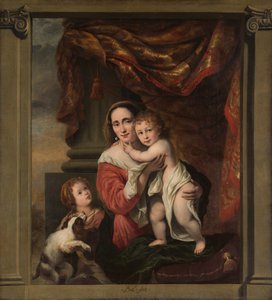
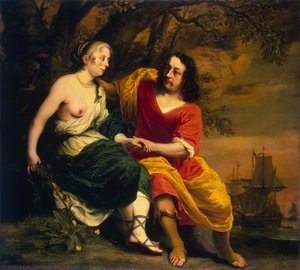
Biografía del artista
biografía de un artista olvidado
fernand bol, pintor, grabador y dibujante holandés, nació el 24 de junio de 1616 en dordrecht, países bajos. su vida y obra están marcadas por la influencia de rembrandt, su maestro, y las tendencias artísticas predominantes del período barroco.primera infancia y formación
la primera formación de bol como aprendiz bajo jacob cuyp en su ciudad natal o de abraham bloemaert en utrecht sentó las bases para sus futuros esfuerzos artísticos. después de 1630, estudió con rembrandt, viviendo en su casa en sint antoniesbreestraat, una calle y zona de moda para pintores, joyeros, arquitectos y muchos inmigrantes flamencos y judíos.carrera artística
la carrera artística de bol puede caracterizarse por los siguientes puntos clave:- la paz entre claudius civilis y quintus petillius cerealis en el puente demolido, una pintura que muestra su dominio de los temas históricos, ahora se encuentra en el museo de bellas artes (https://ArtsDot.com/@@/d36val-ferdinand-bol-the-peace-negotiations-between-claudius-civilis-and-quintus-p..).
- en 1652, bol se convirtió en burgués de amsterdam y, en 1653, se casó con elisabeth dell, cuya padre ocupaba cargos en la administración naval de amsterdam y en el gremio de comerciantes de vino.
- a mediados de la década, bol recibía más encargos oficiales que cualquier otro artista en amsterdam, incluidos pedidos para entregar dos chimeneas para habitaciones en el nuevo ayuntamiento diseñadas por jacob van campen.
- godfrey kneller fue su alumno.
legado y vida posterior
la primera esposa de bol murió en 1660. en 1669, se casó con anna van erckel, viuda del tesorero de la administración naval, y aparentemente se retiró de la pintura en ese momento de su vida. bol sirvió como gobernador en un hogar para leprosos y murió el 24 de agosto de 1680. obras notables:- la paz entre claudius civilis y quintus petillius cerealis en el puente demolido (https://ArtsDot.com/@@/d36val-ferdinand-bol-the-peace-negotiations-between-claudius-civilis-and-quintus-p..)
- pirro muestra su elefante a fabritius (palacio real de amsterdam)
- hombre con casco dorado (marte) (museo nacional, varsovia)
- gobernadores del gremio de comerciantes de vino (alte pinakothek)
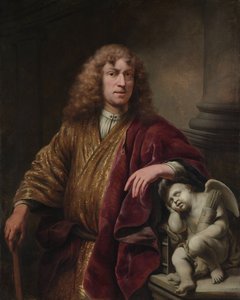
Ferdinand Bol
1616 - 1680 , Países Bajos
Datos clave
- Artistas Que Influyeron: ['Rembrandt van Rijn']
- Fecha De Fallecimiento: 24 de agosto de 1680
- Fecha De Nacimiento: 24 de junio de 1616
- Influenciado A: ['Godfrey Kneller']
- Lugar De Nacimiento: Dordrecht, Países Bajos
- Movimiento Artístico: Barroco
- Nacionalidad: Neerlandés
- Nombre Completo: Ferdinand Bol
- Obras Notables:
- La paz entre Claudio Civilis
- Pirro mostrando su elefante
- Hombre con casco dorado (Marte)
- Gobernadores de la gremial
Artículos relacionados

Reflejos de una Época Dorada: La Pintura Barroca Holandesa y la Innovación Cultural
Descubra la riqueza y el detalle de la pintura barroca holandesa del Siglo de Oro. Explore las obras maestras de Rembrandt, Vermeer y otros artistas clave. Análisis experto e historia cultural.

Los 10 Maestros del Siglo de Oro Holandés: Arte, Historia y Decoración Exclusiva
Descubre los 10 imprescindibles del Siglo de Oro Holandés: Rembrandt, Vermeer y más. Explora la historia, técnica y belleza de estos lienzos clásicos. Encuentra reproducciones de arte exclusivas para decorar tu hogar en .
Ferdinand Bol (1616-1680): A Dutch Master of Portraiture & Dramatic Light
Explore the captivating world of Ferdinand Bol (1616-1680), a master Dutch portraitist deeply influenced by Rembrandt. Discover his life, style, and enduring legacy with ArtsDot.

Los 10 Maestros del Barroco Holandés: Obras que Definen una Época | ArtsDot
Descubre los 10 imprescindibles del Barroco holandés: Rembrandt, Vermeer y más. Explora la historia, técnica y belleza de estas obras maestras. Reproducciones de arte en ArtsDot.com para decorar tu hogar con elegancia.

La Luz y la República: Innovación Artística en el Siglo de Oro Neerlandés
Descubra la innovación artística del Siglo de Oro Neerlandés. Explore las obras maestras de Rembrandt y Vermeer, técnicas revolucionarias y el legado perdurable de este florecimiento cultural. ¡Sumérjase en la luz y la belleza!